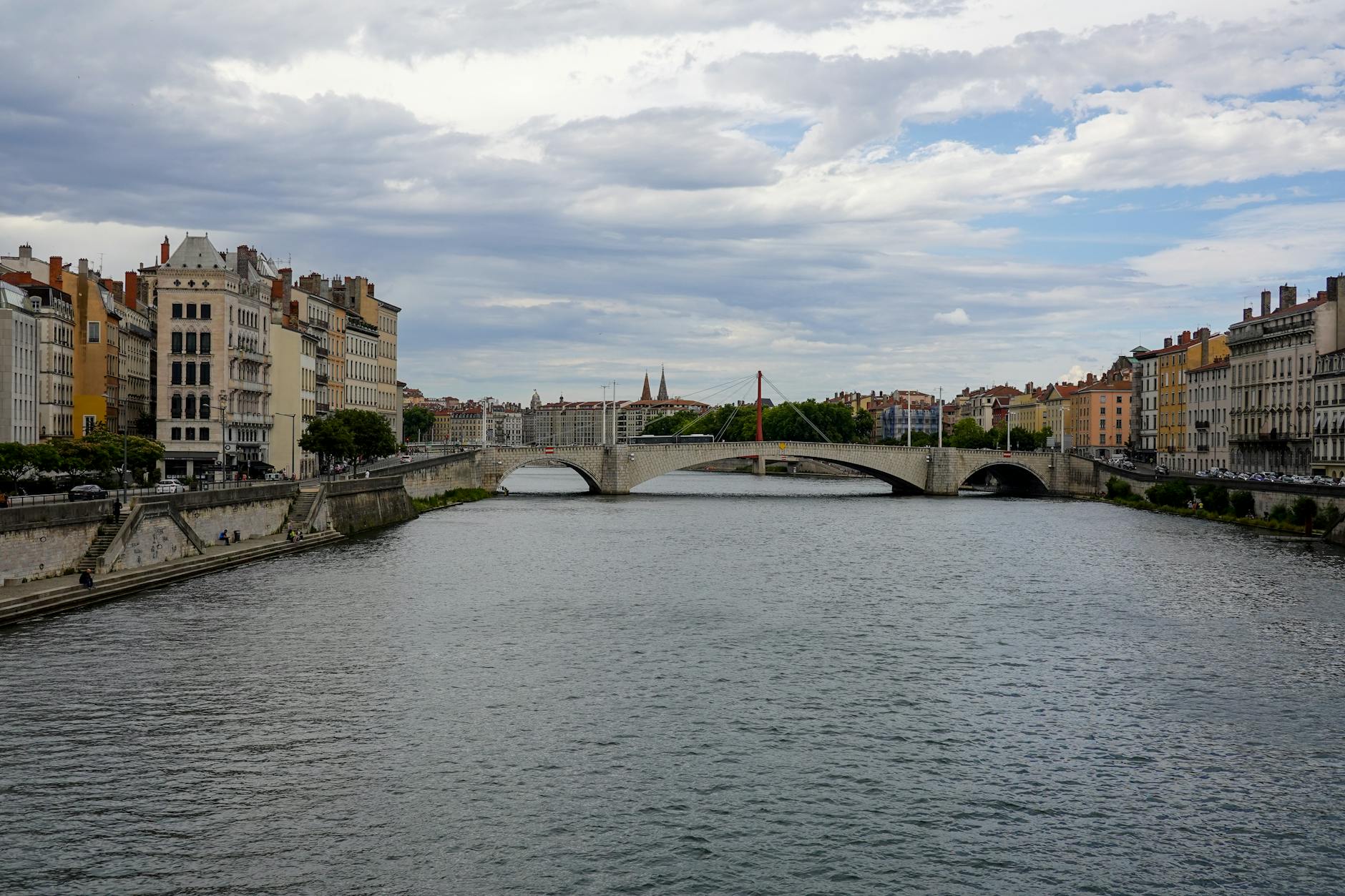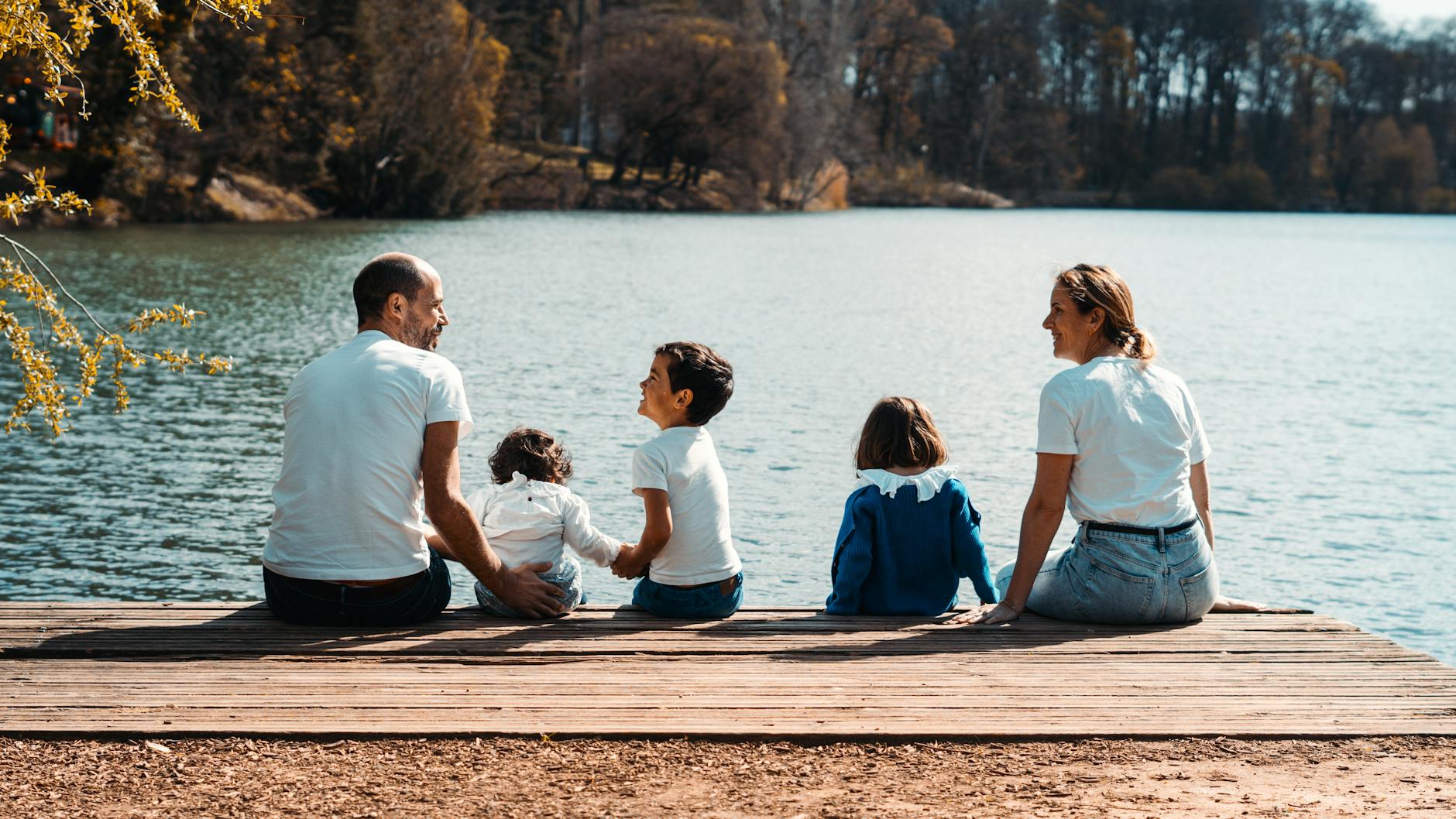
Lyon can work very well for families because it gives children and adults more than one kind of day: river walks, Vieux Lyon, Fourviere, Parc de la Tete d'Or, carousels, museums, cafes, markets, bridges, and enough public transport to avoid making every movement a forced march. It is also a city where family logistics can change the answer quickly. A route that is charming for two adults may be frustrating with a stroller. A hotel that looks central may be awkward with tired children after dinner. A hill, cobblestone lane, crowded station, or late meal can matter more than another attraction. A good family plan for Lyon is built around friction control: simple arrival, a base that supports rest, food options that do not depend on perfect timing, one demanding block per day, and a known way back to the hotel. The paid short-term report applies that logic to the family's exact hotel, ages of children, stroller or carrier needs, arrival time, meal constraints, mobility limits, and must-see priorities.
Choose a base that lets the family reset
Families should choose a Lyon hotel by the shape of the day, not only by neighborhood reputation. A central Presqu'ile base can work well because it keeps restaurants, river walks, shopping, transit, and hotel returns close together. Vieux Lyon can be memorable but may involve older buildings, uneven streets, tourist density, and stroller friction. Part-Dieu can be useful for rail arrivals but may feel less pleasant for a leisure family rhythm. Confluence can work for specific museums or modern district plans, but it is not automatically the easiest first base.
The family should check elevator access, room layout, connecting rooms or sofa beds, breakfast timing, nearby simple meals, laundry or packing needs, bath setup, and the real walk from transit or taxi to the door. A hotel that allows a mid-day rest can change the entire trip. Without that reset, Lyon's hills, old streets, restaurants, and museums can start feeling like obligations rather than pleasures.
- Use Presqu'ile as a strong default when meals, walks, transit, and hotel returns need to stay simple.
- Check elevator, room layout, breakfast, bath setup, nearby food, and taxi access before booking.
- Treat Vieux Lyon charm, Part-Dieu convenience, and Confluence novelty as specific choices, not automatic family bases.
Make arrival simple for the youngest traveler
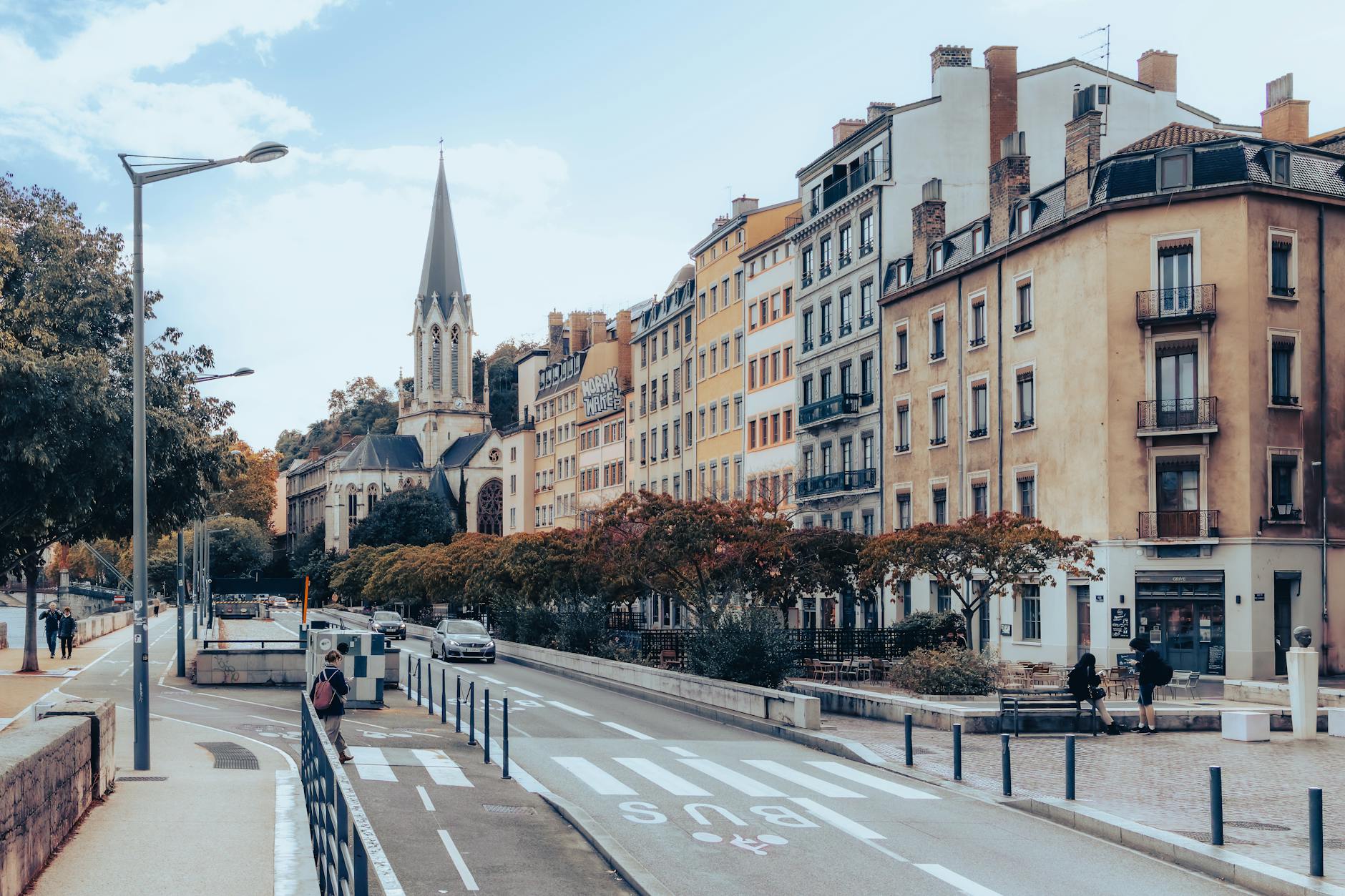
Family arrival should be planned around the least flexible traveler in the group. Saint-Exupery Airport adds a real transfer choice, and Part-Dieu station can be busy with luggage, children, stroller gear, snacks, and tired adults. Rhonexpress, taxi, hotel car, metro, and tram can all be reasonable, but the right answer depends on time of day, number of bags, child age, car-seat needs, and the hotel address.
The first day should be intentionally light after a long trip. A nearby meal, a short river walk, a carousel stop, or a simple hotel reset may be better than trying to begin with Fourviere, Vieux Lyon, and a late dinner. Families lose more time recovering from an overbuilt first day than they gain by forcing one more sight.
- Choose airport or rail transfer by bags, child ages, stroller needs, car-seat needs, and hotel location.
- Keep the first day light after late arrival, long-haul travel, or a difficult rail connection.
- Plan snacks, toilets, water, phone power, and backup payment before leaving the arrival point.
Respect stroller, carrier, and small-child terrain
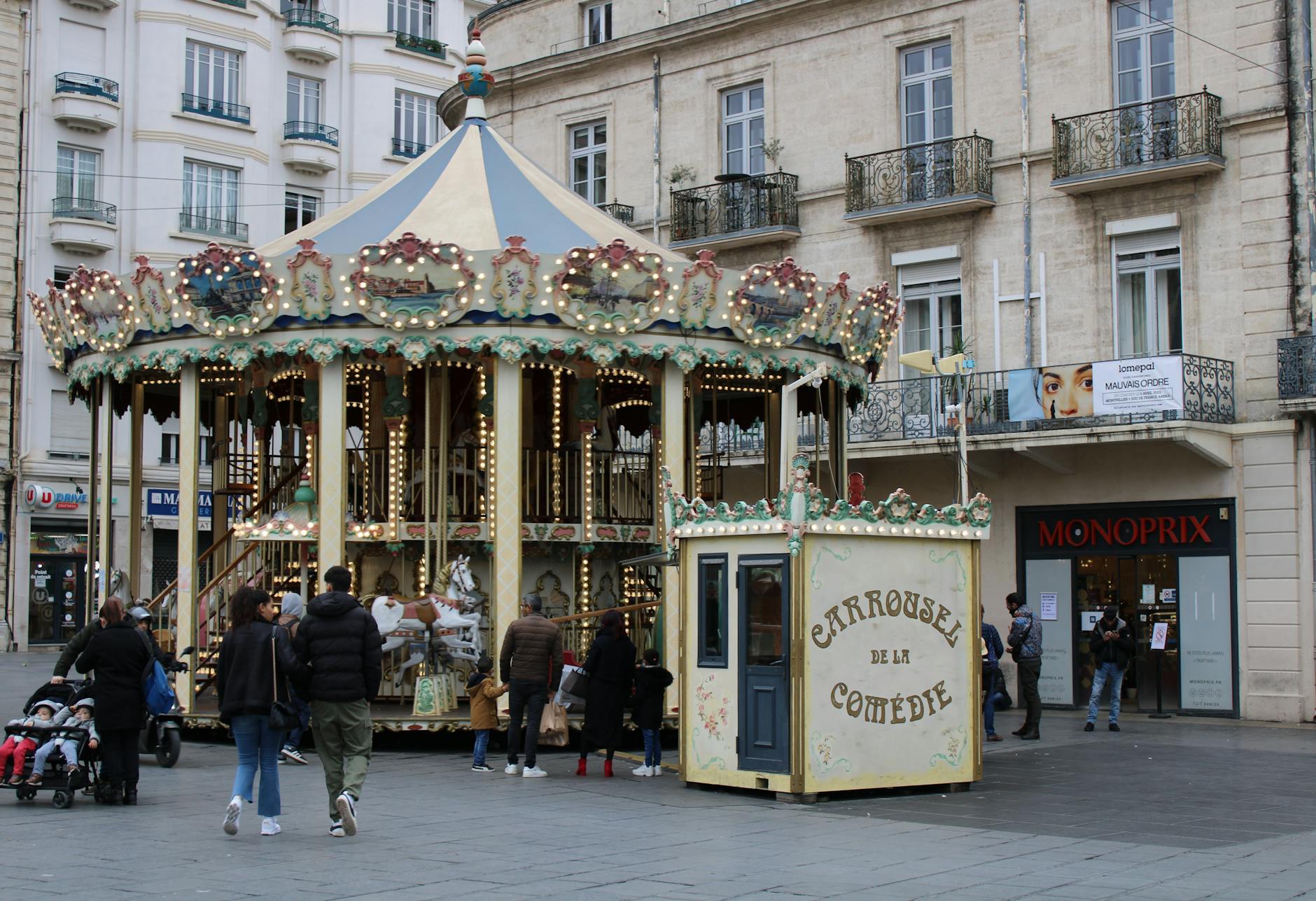
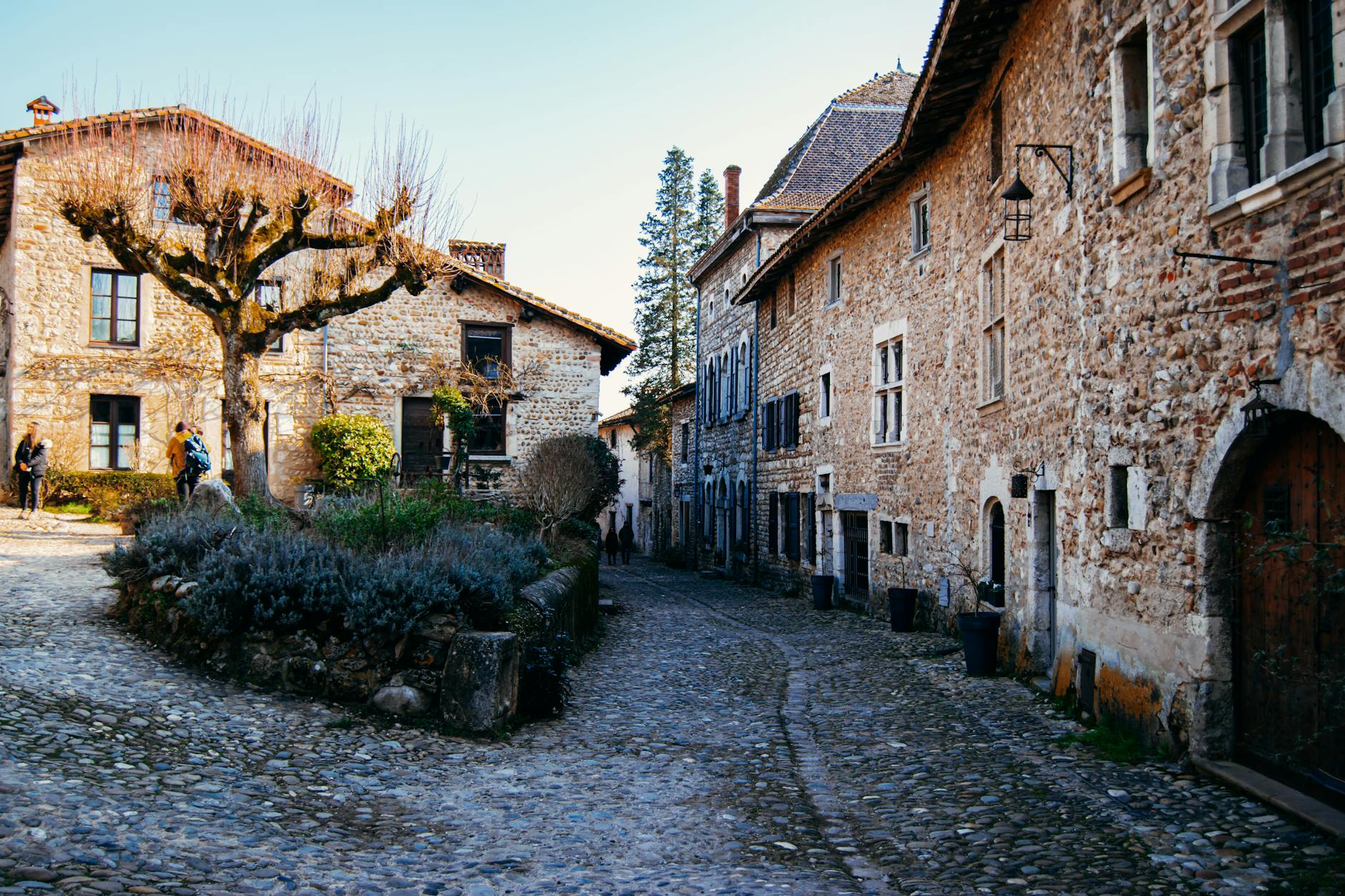
Lyon's most atmospheric areas are not always the easiest family areas. Vieux Lyon, old courtyards, cobblestone streets, slopes toward Fourviere, narrow sidewalks, and crowded weekend lanes can be wonderful, but they should be matched to stroller, carrier, and walking capacity. A family with a baby may need a different plan from a family with teenagers. A family with one stroller and one tired five-year-old may need the most conservative plan of all.
The family should decide when to use the funicular, when to walk, when to take a taxi, and when to skip a hill or lane because the terrain is not worth the stress. This is not about avoiding Lyon's best areas. It is about seeing them in a sequence that keeps children and adults from reaching the limit at the same time.
- Check Vieux Lyon, Fourviere, and old-town routes against stroller, carrier, and child-walking capacity.
- Use the funicular, taxi, or shorter route when hills and cobblestones would drain the day.
- Plan differently for babies, younger children, teenagers, and mixed-age groups.
Use parks, rivers, and museums as pressure valves
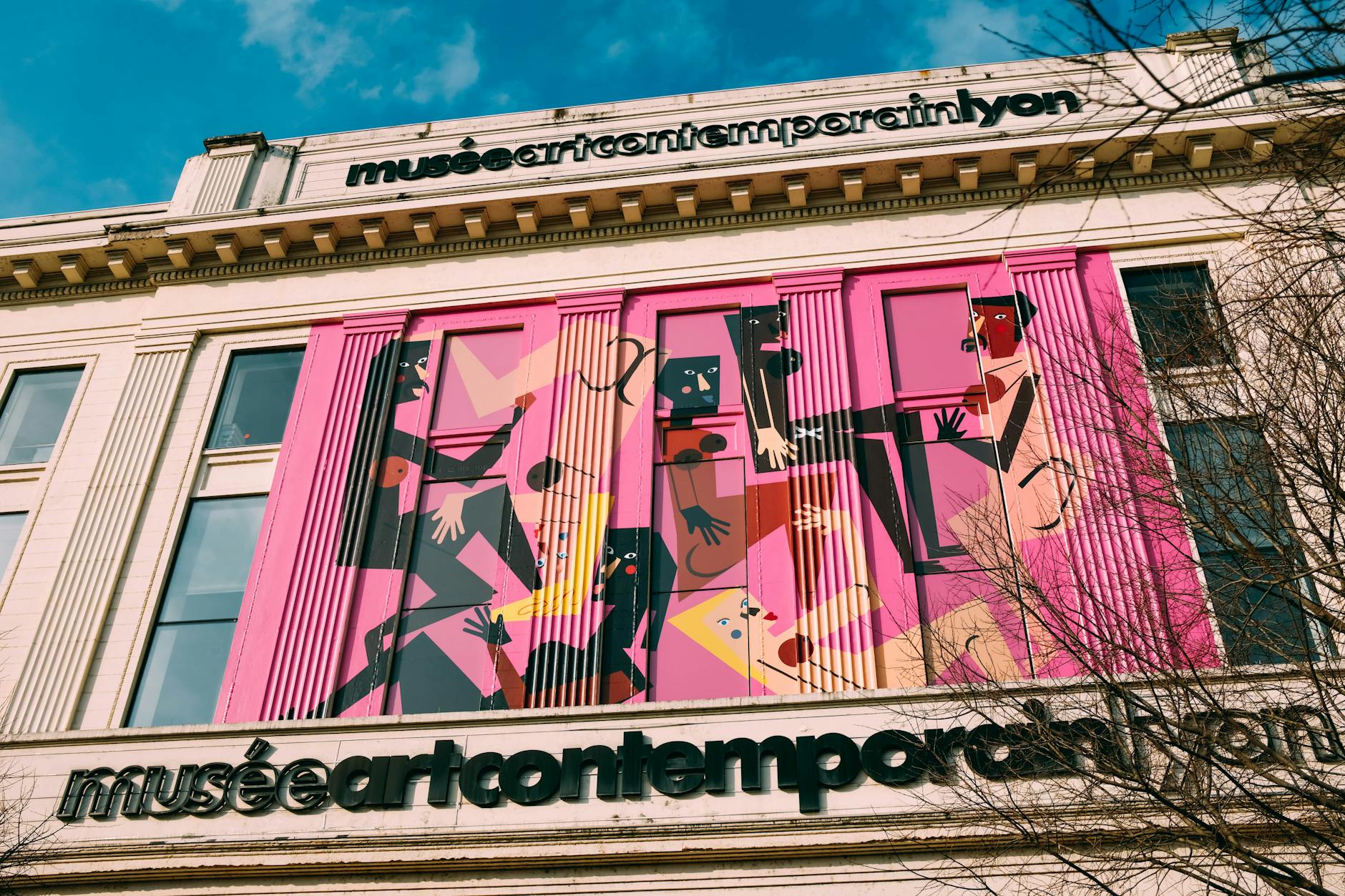
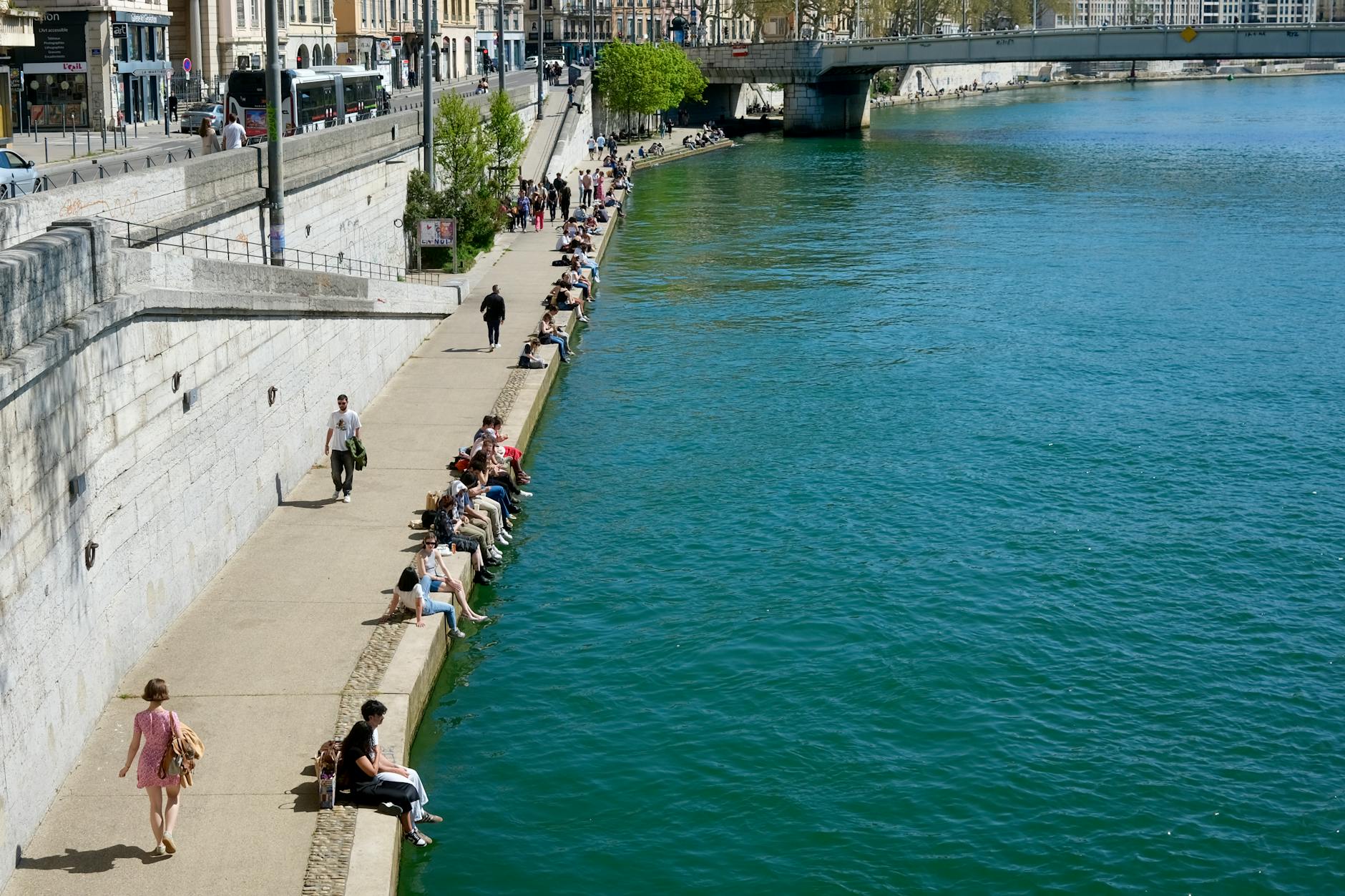
A family trip to Lyon should include places where children can decompress without the adults feeling that the day has been wasted. Parc de la Tete d'Or, riverbanks, bridges, squares, carousels, and selected museums can all serve this function. The point is to alternate contained cultural moments with space, movement, snacks, and pauses. A family that tries to run Lyon as a museum-and-restaurant checklist may quickly lose the children's attention.
The best family days usually have one anchor and one release valve. A morning in Vieux Lyon can be paired with a calmer river walk. A museum can be followed by a park or simple meal. A Fourviere visit can be shortened if the children are done. Lyon is flexible enough for this, but only if the plan leaves space for adjustment.
- Pair one cultural anchor with one child-friendly release valve each day.
- Use parks, riverbanks, bridges, squares, and carousels to reset attention and energy.
- Keep museum visits focused rather than trying to make every exhibit mandatory.
Make meals practical before making them memorable
Food is one of Lyon's great strengths, but family travelers need a more practical dining strategy than couples or solo visitors. Some bouchons and formal restaurants may be excellent but poorly suited to tired children, picky eaters, strollers, early bedtimes, or allergy concerns. A family should identify high-priority meals, but also know where to eat simply near the hotel, near the day's route, and near the evening return point.
Meal timing matters. Children who are hungry at the wrong hour can turn a good plan into a bad one quickly. Families should carry snacks, confirm breakfast reliability, check whether reservations make sense, and avoid placing the best meal after the hardest walking block. Lyon can be very rewarding for family food, but the meal has to fit the family's rhythm.
- Identify both memorable meals and simple fallback meals near the hotel or route.
- Plan snacks, breakfast, allergies, picky eating, and early bedtimes before the day starts.
- Avoid scheduling the most important meal after the hardest walking block.
Keep evening movement short and boring
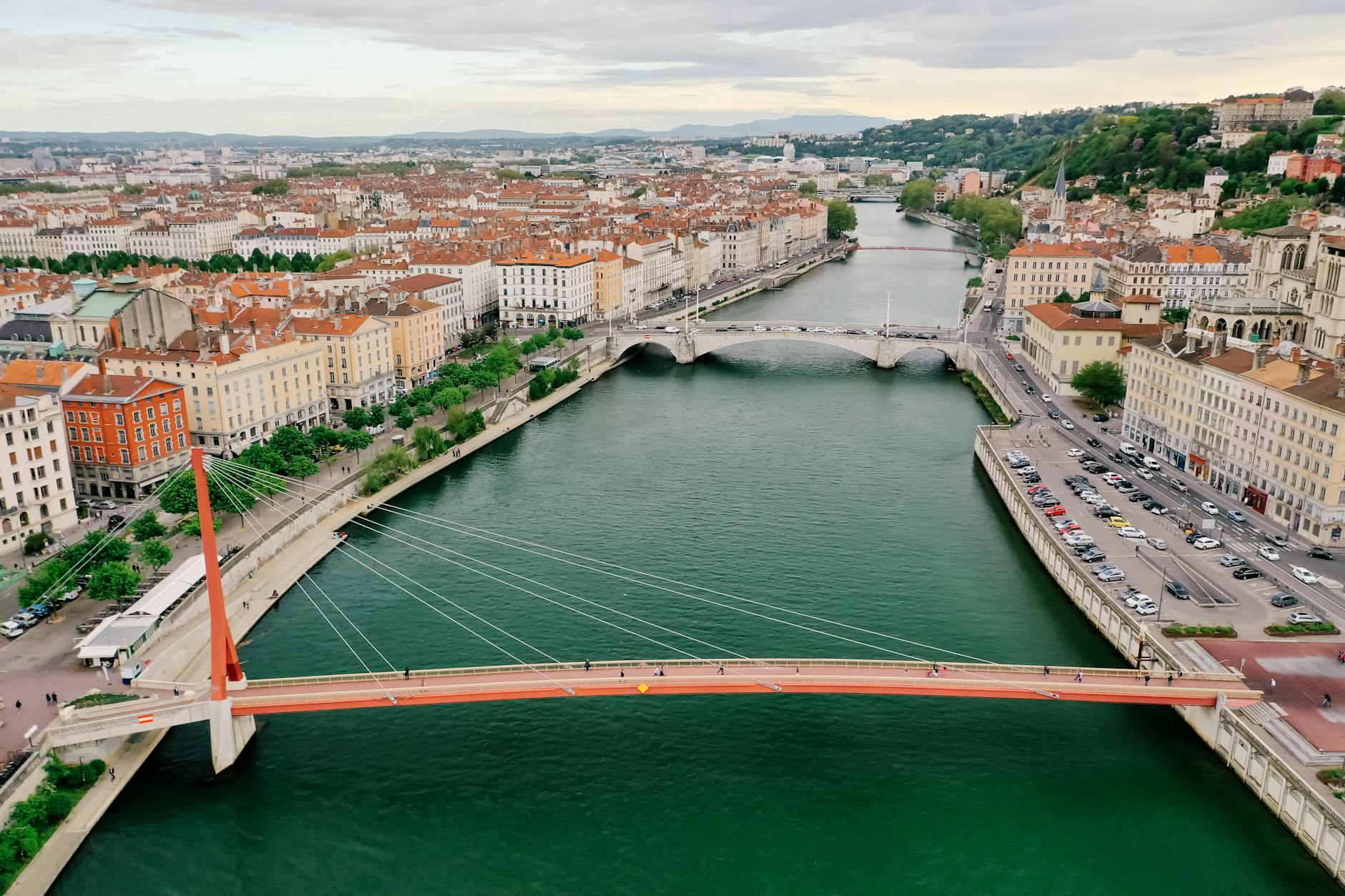
Evening logistics matter more for families than they look on a map. A dinner across a river or up a hill may be manageable at 6 p.m. and miserable at 9 p.m. with tired children. River views, lit bridges, and central streets can be lovely, but the return route should be chosen before the meal starts. Families should avoid depending on a long walk, several transfers, or a route through quiet streets when the children are already finished for the day.
The best evening plan keeps dinner close to the hotel or close to a reliable taxi or transit point. Parents should keep phone battery, hotel address, payment backup, and child essentials ready. The goal is not to make Lyon smaller. It is to make the final hour of the day predictable enough that the rest of the evening can be enjoyable.
- Choose dinner locations by return route, not only by restaurant reputation.
- Keep phone power, payment backup, hotel address, and child essentials ready before dinner.
- Use taxi or direct transit when tired children, rain, hills, or late hours make walking fragile.
When to order a short-term travel report
A family with older children, a central hotel, flexible days, and light luggage may not need a custom report. A report becomes more useful when the family has babies, strollers, mixed ages, mobility limitations, dietary restrictions, medical needs, late arrival, tight rail or flight timing, uncertain hotel access, or a desire to combine Vieux Lyon, Fourviere, parks, museums, and restaurants without overloading everyone.
The report should test the exact hotel, arrival transfer, stroller and luggage route, room and breakfast assumptions, day-by-day walking load, toilets, meal geography, pharmacy and medical fallback, weather exposure, and evening returns. For a family in Lyon, the value is not a generic list of things to do with children. It is a practical trip design that makes the city manageable for the specific family traveling.
- Order when child ages, strollers, mixed mobility, diet, medical needs, hotel access, or timing could change the plan.
- Provide arrival details, hotel candidates, child ages, stroller or carrier needs, food constraints, and must-see priorities.
- Use the report to align transfer, hotel, daily route, meals, rest breaks, medical fallback, and evening returns.