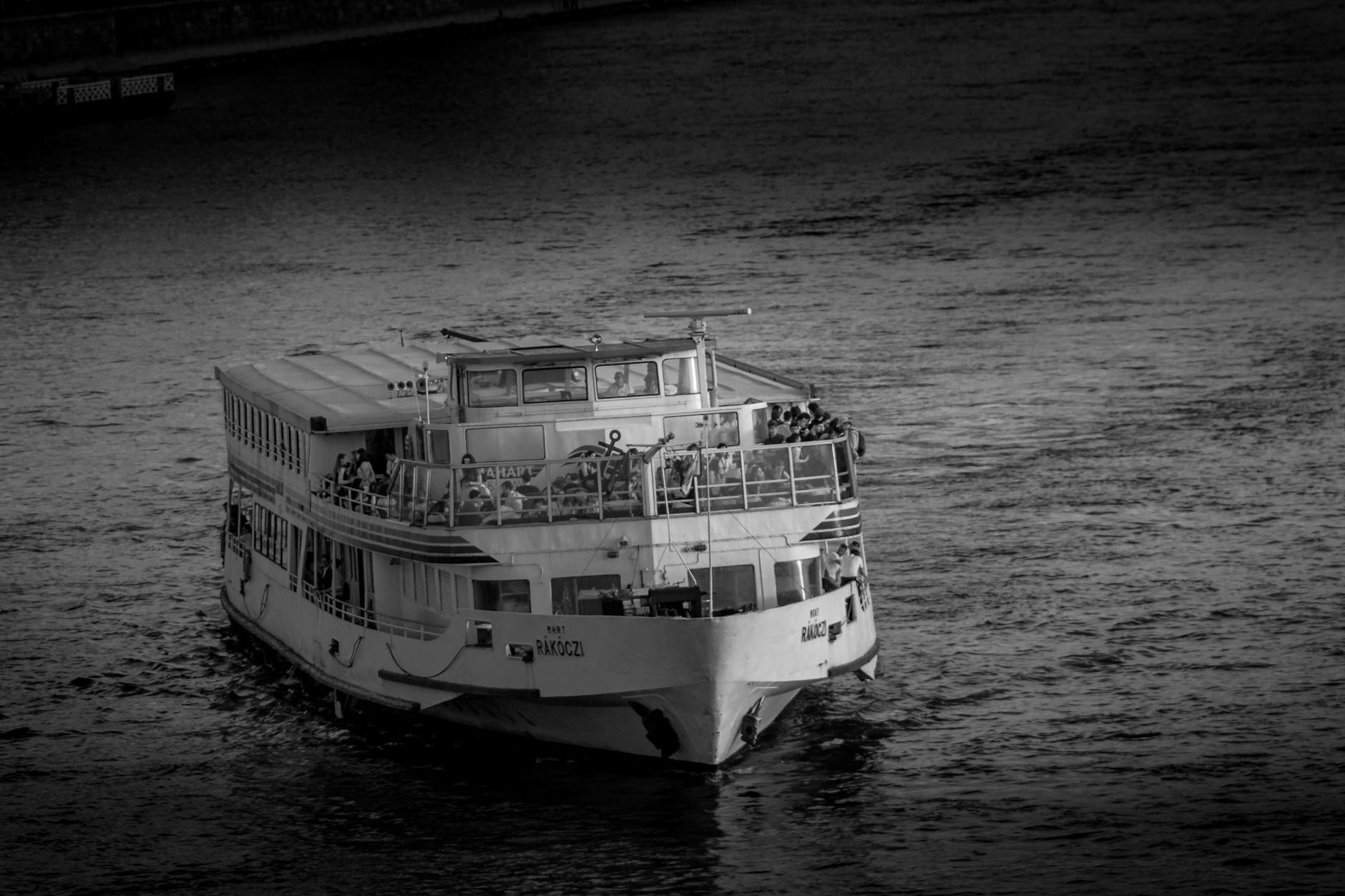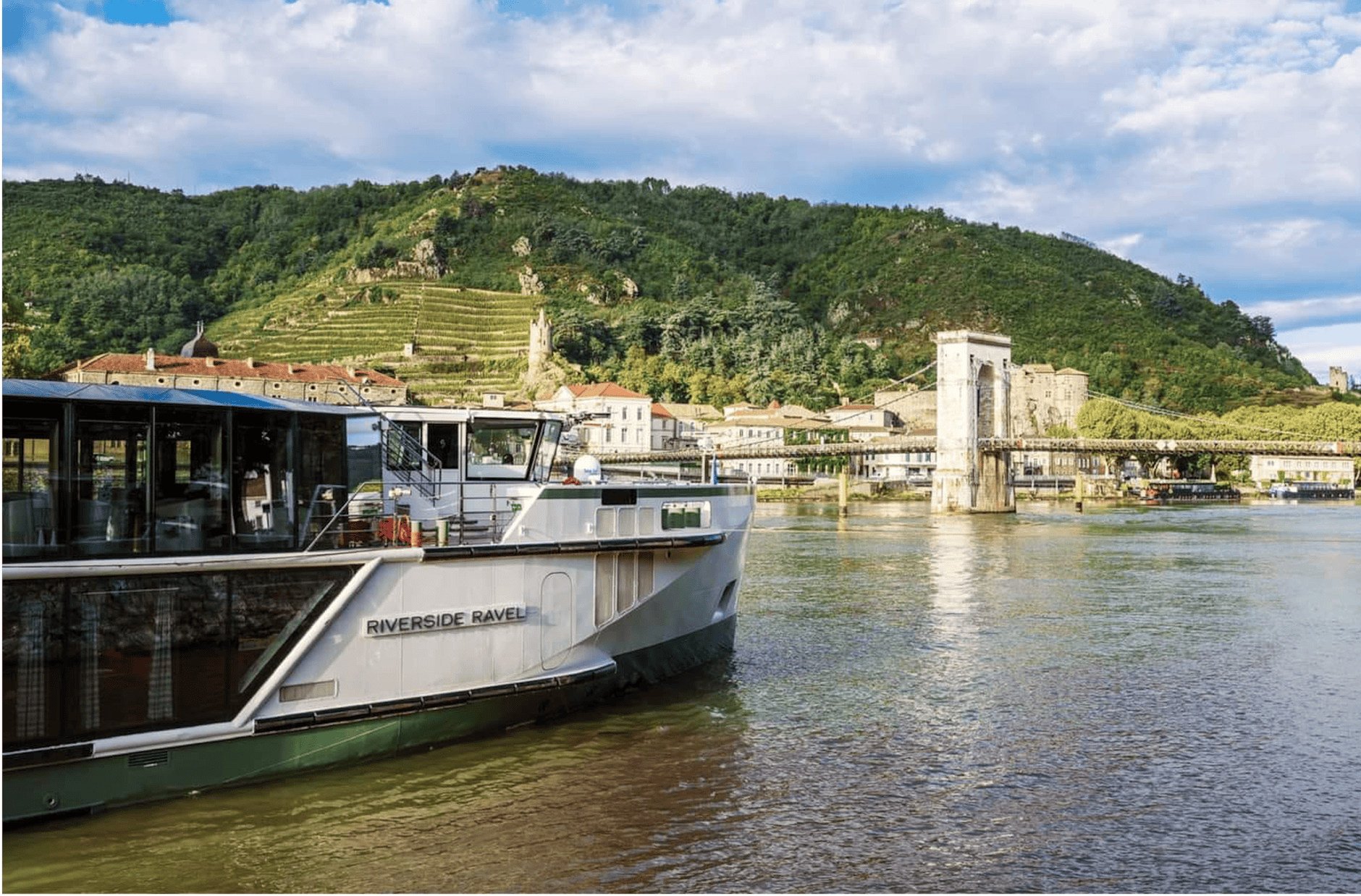
A cruise or port-call traveler in Lyon is usually dealing with river-cruise logic, not ocean-port logic. The practical questions are about which quay or meeting point is being used, whether Lyon is an embarkation day, disembarkation day, overnight stop, or short shore call, how much city time remains after ship procedures, and how easily the traveler can move between the river, Vieux Lyon, Presqu'ile, Fourviere, Confluence, restaurants, rail stations, hotels, and the airport. Lyon can be a very rewarding cruise city because the rivers are part of the city itself. That does not mean the day can be improvised. The central problem is compression. A hotel-based traveler can spread Lyon across several mornings and evenings. A river-cruise traveler may have one afternoon, one overnight, a fixed excursion, or a transfer window with luggage attached. The best plan starts with the ship schedule and quay, then chooses a narrow route that makes Lyon feel distinct without risking the boarding time, exhausting slower travelers, or turning the city into a rushed checklist.
Confirm the exact river-cruise setup
The first question is not what to see in Lyon. It is what kind of cruise day this is. Lyon may be the start of a Rhone or Saone cruise, the end of one, a turnaround point, an overnight stop, a short call, or a transfer city attached to a wider itinerary. Each version changes the amount of usable time, how luggage is handled, whether the traveler is free to explore independently, and how strictly the return time should be treated.
Travelers should confirm the ship name, quay, meeting point, embarkation window, disembarkation instructions, excursion meeting time, and whether the itinerary uses local time, ship time, or coach-transfer timing. Even on a river cruise, the wrong quay or a vague meeting point can create an avoidable scramble. A serious plan begins with the river logistics, then builds the city around them.
- Confirm ship name, quay, meeting point, embarkation or disembarkation window, and excursion timing.
- Treat Lyon as a river-cruise city with quay-specific logistics, not a generic city stop.
- Build sightseeing only after the ship schedule and return requirement are clear.
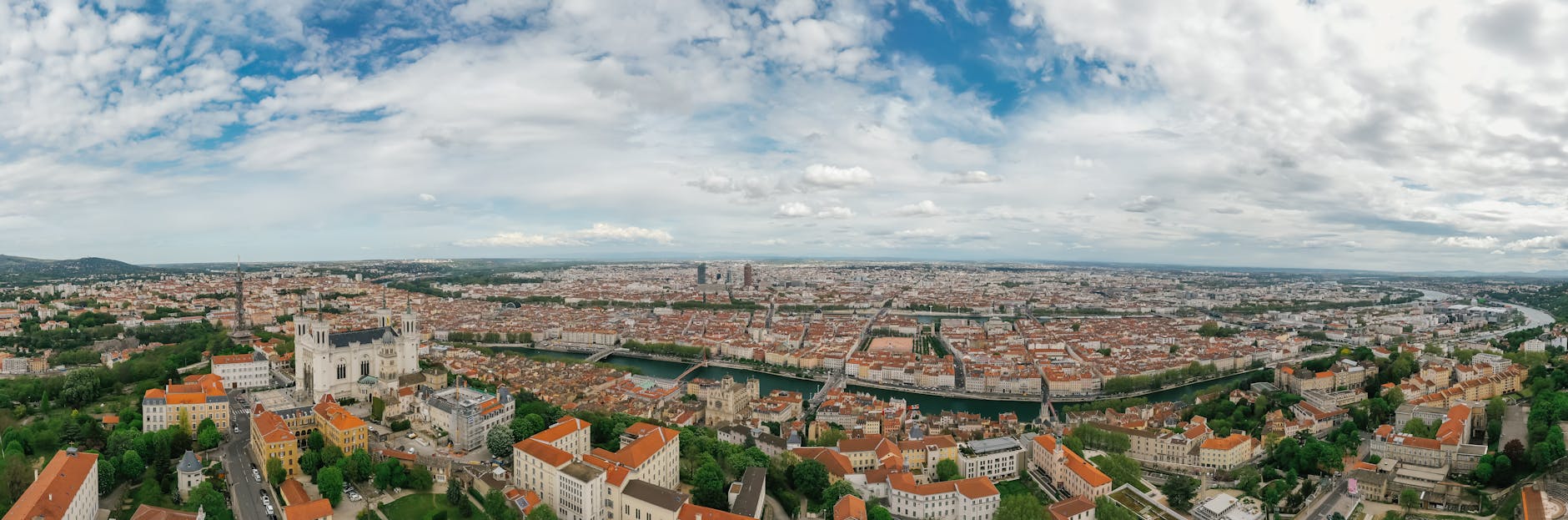
Build the day backward from boarding time
Cruise travel makes the end of the day more important than the beginning. A traveler may want Vieux Lyon, Fourviere, a river walk, a market, a museum, a wine bar, or a serious lunch, but all of that must fit inside the boarding or excursion schedule. The most dangerous mistake is treating the ship as if it were a hotel waiting patiently nearby. Boarding windows, security procedures, gangway access, coach departures, and group-meeting times can be less flexible than they look on paper.
The itinerary should be built backward from the hard deadline. Decide when the traveler must start returning, where the return route begins, how long the walk or vehicle pickup takes, and what gets dropped if lunch runs long or the funicular, taxi, or traffic pattern is slower than expected. A good port-call plan has a clean stopping point before the day starts to feel tight.
- Work backward from boarding, excursion, coach, or all-aboard time.
- Set a hard point when sightseeing stops and the return begins.
- Keep a drop list for sights or meals that no longer fit once the margin narrows.
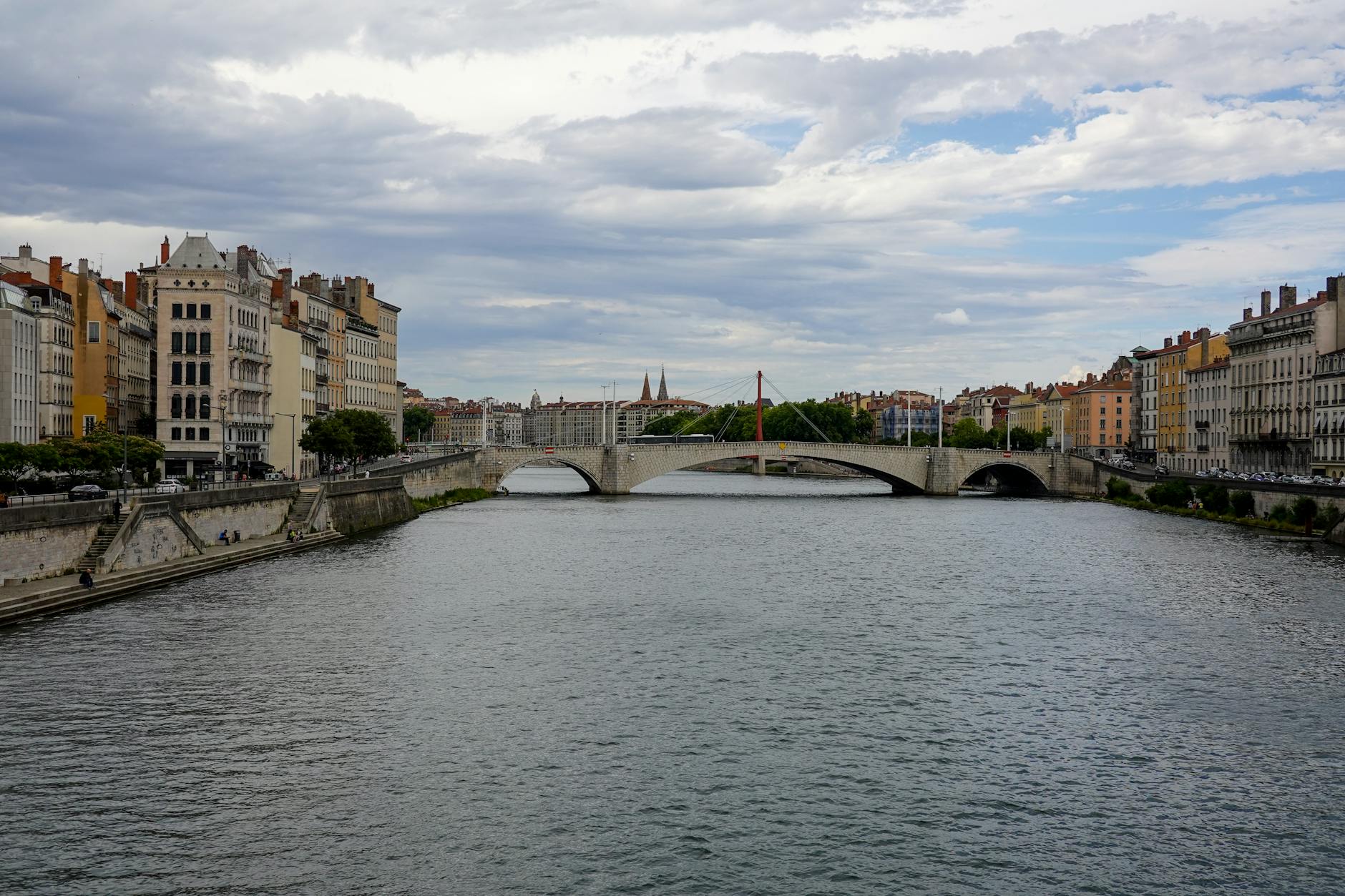
Keep the city route compact and river-aware
Lyon rewards compact routing. A cruise traveler can often make a strong day from a carefully linked route: riverfront, Presqu'ile, Vieux Lyon, a controlled ascent to Fourviere, a bouchon or cafe, and a return along the river. Confluence may also make sense depending on the ship location and traveler interests. The point is not to see every district. It is to make the river stop feel like Lyon rather than a transfer with scattered landmarks.
The river should simplify the route, not stretch it. Bridge crossings, quay levels, old-city lanes, hills, stairways, and taxi pickup points should be understood before the group starts walking. A traveler with only a few hours should usually avoid a route that requires repeated crossings, a long climb, and a distant meal unless the return plan is very clear.
- Use a compact route around the river, Presqu'ile, Vieux Lyon, Fourviere, or Confluence.
- Avoid combining too many districts when the ship or transfer window is short.
- Check bridge crossings, quay levels, hills, stairs, and taxi pickup points before committing.
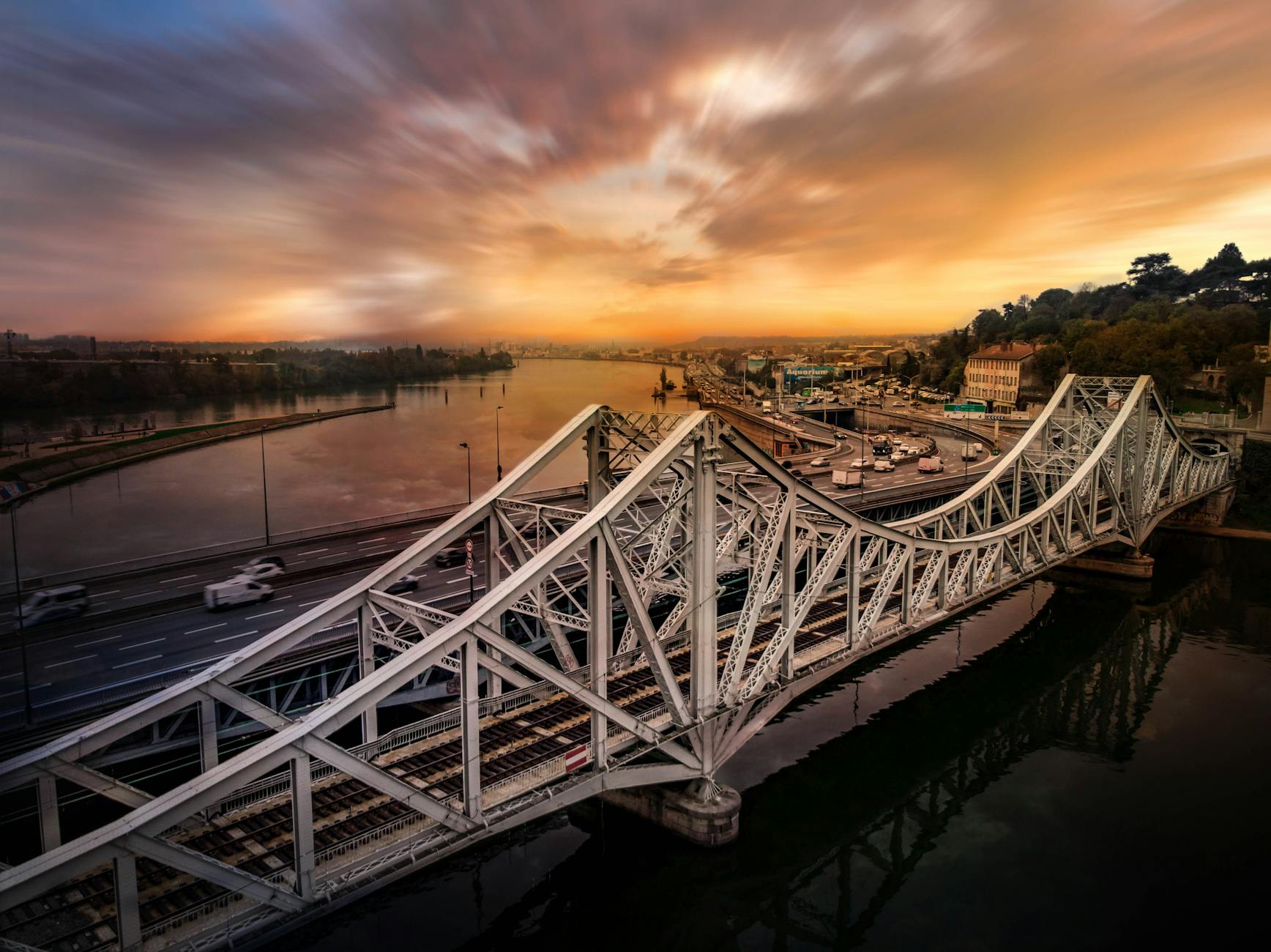
Treat luggage and transfer mechanics as part of the visit
Embarkation and disembarkation days can make Lyon feel less like a city break and more like a logistics exercise. Luggage drop, hotel storage, cruise-line tags, coach pickup, rail station access, Part-Dieu or Perrache routing, airport timing, and private driver meeting points can determine whether the traveler actually enjoys the city. A sightseeing plan that ignores luggage is usually not a real plan.
Travelers should decide what stays in hand luggage and what can be checked, stored, or transferred. Passport, cruise documents, phone, payment card, medication, glasses, and essentials should remain accessible until the traveler is fully on board or settled at the hotel. If the plan includes a train or airport transfer after the cruise, the traveler should test the whole chain rather than assuming central Lyon is automatically simple.
- Resolve luggage drop, storage, tags, rail station, airport, coach, or driver logistics before sightseeing.
- Keep passport, cruise documents, phone, payment, medication, and essentials accessible.
- Treat Part-Dieu, Perrache, airport, and quay transfers as real timing constraints.
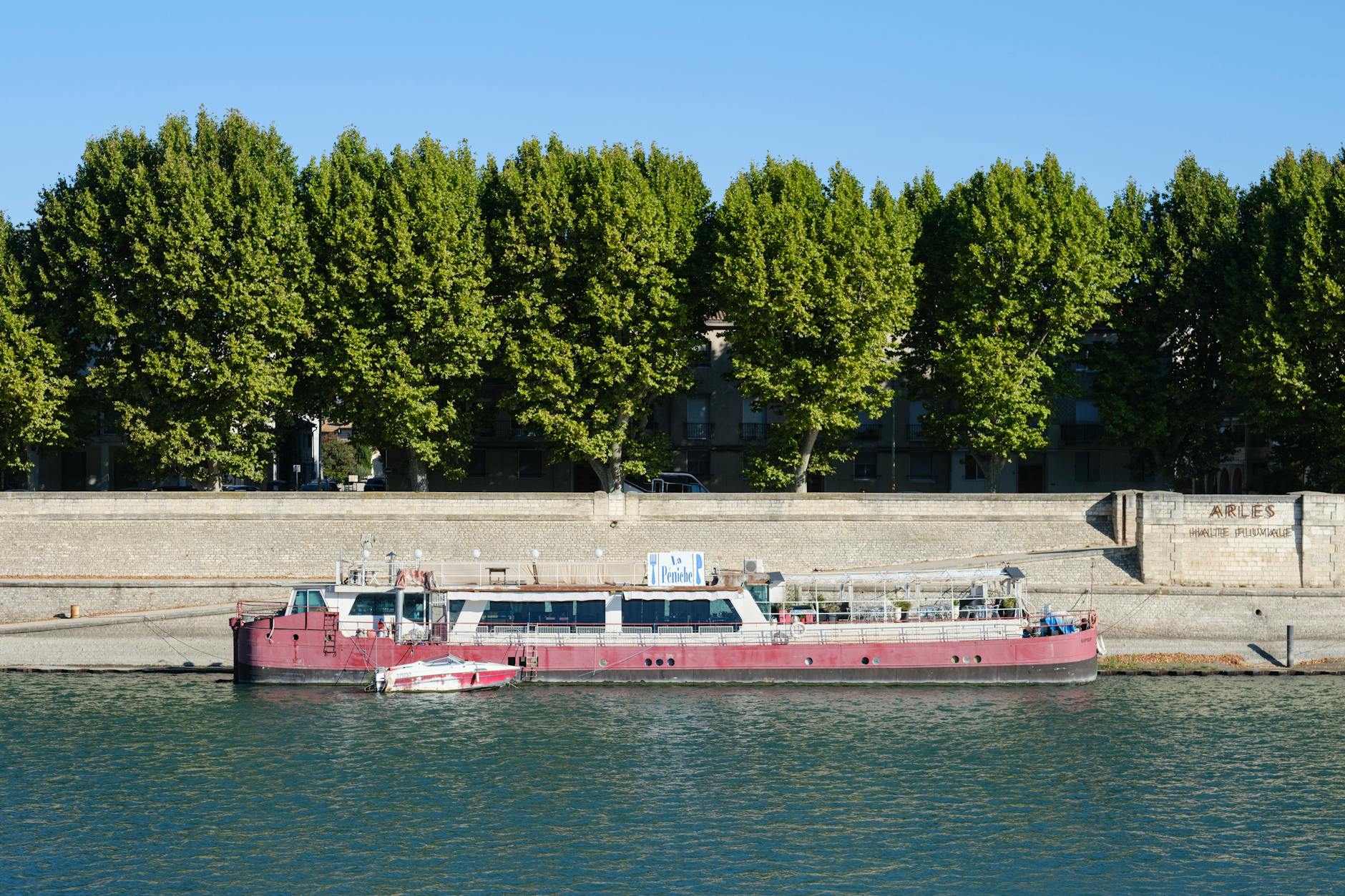
Match food ambitions to the ship clock
Lyon's food culture is one of the best reasons to want independent time ashore, but cruise travelers need to be realistic about meal timing. A full traditional lunch, wine-led dinner, or destination restaurant can be excellent if it is placed correctly. It can also consume the entire call if service is slow, the group is large, or the restaurant is too far from the quay. The cruise traveler should decide whether the meal is the main event or a supporting stop.
Food planning should also account for ship meals, dietary restrictions, medication timing, alcohol, heat, and mobility. Some travelers may prefer a shorter Lyonnais meal near the route; others may want the shore day built around one serious reservation. Both can work. What rarely works is assuming the traveler can eat well, cross several districts, climb to a viewpoint, shop, and return calmly within a narrow call.
- Decide whether lunch or dinner is the main event or a supporting stop.
- Book food near the route when the call is short or the group is mixed in pace.
- Account for ship meals, diet, medication, alcohol, heat, and return timing.
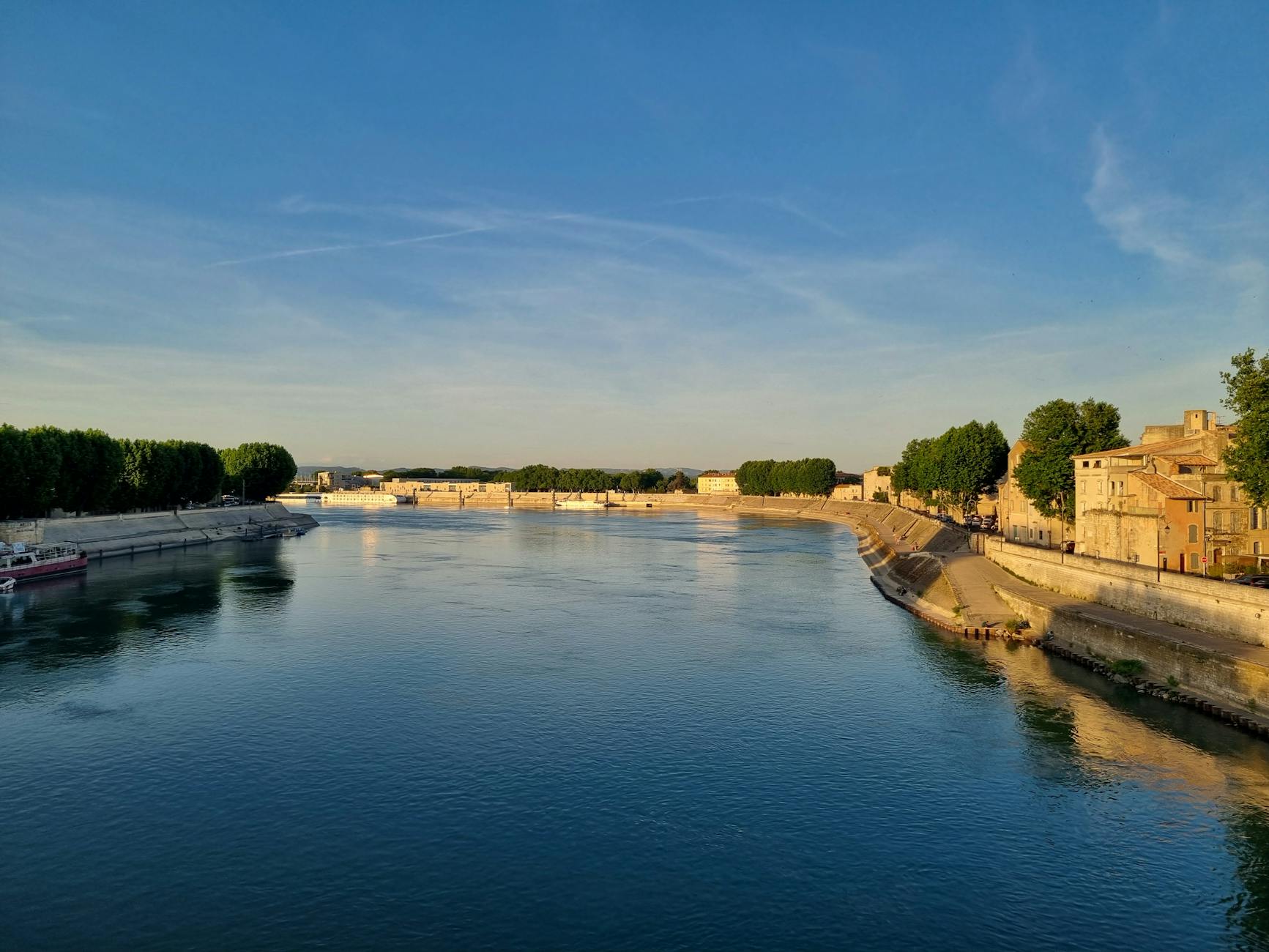
Plan for the cruise party, not the fastest walker
River cruises often bring mixed groups: older travelers, couples with different stamina, family members, people recovering from long flights, and travelers who may be affected by medication, heat, uneven streets, or a previous night on board. Lyon has hills, stairs, cobblestones, bridges, crowds, and weather exposure. A shore plan that works for the fastest walker may not work for the actual party.
The plan should identify where people can sit, where toilets are available, when taxis or the funicular should replace walking, and how the group will stay together if someone wants to return early. If the cruise party includes mobility limitations, private guides, vehicles, or shorter loops may produce a much better day than a long independent walk. The right pace is the one that gets everyone back to the ship with enough energy to enjoy the evening.
- Plan for the real party: older travelers, mixed stamina, medication, heat, hills, and uneven streets.
- Check seating, toilets, taxi options, funicular use, and early-return choices.
- Use shorter loops or private support when the group would otherwise split or tire out.
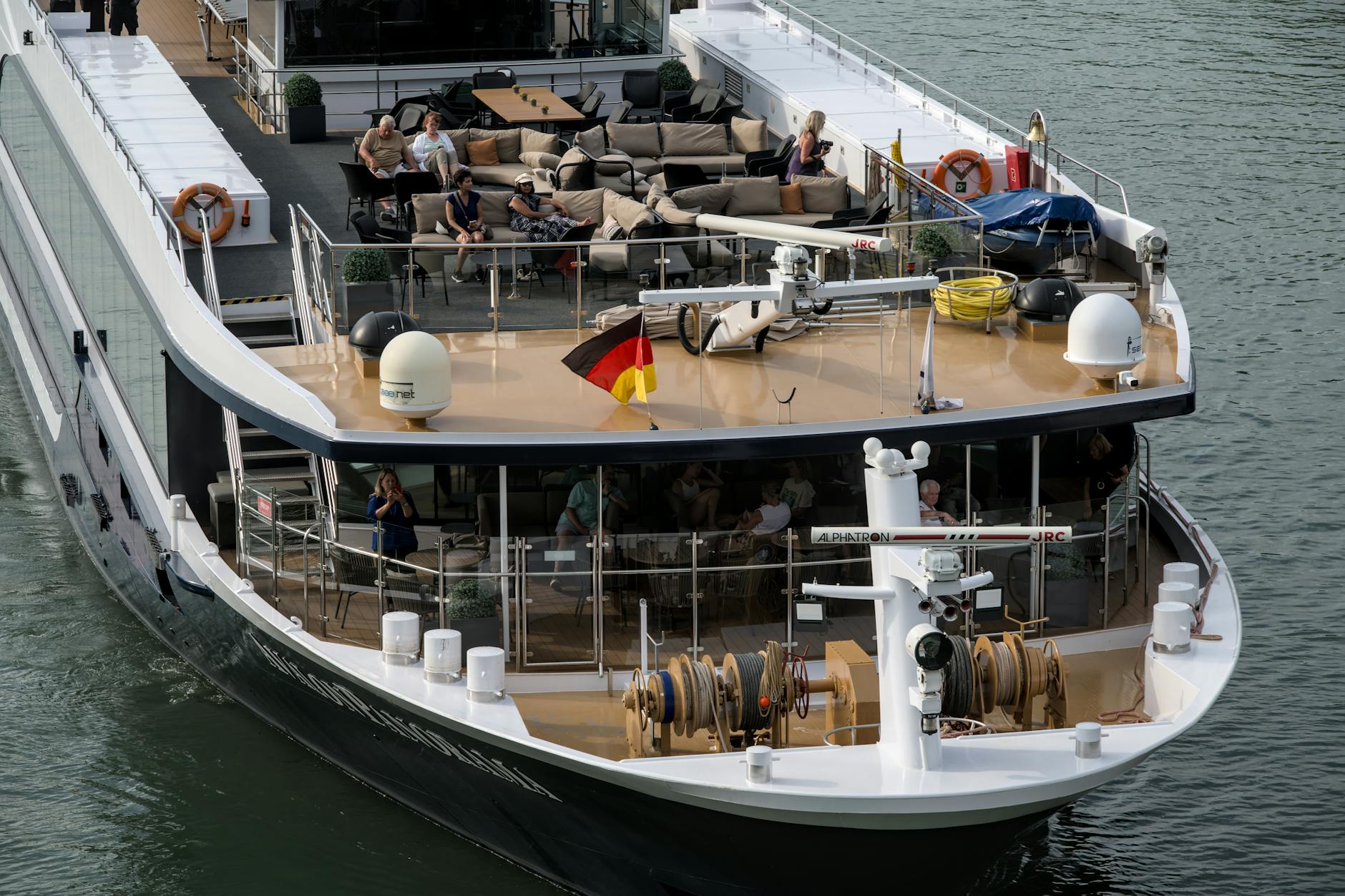
When to order a short-term travel report
A traveler taking the ship's standard excursion and returning directly on board may not need a custom report. A Lyon cruise or port-call traveler should consider one when the ship timing is tight, the traveler wants independent touring, luggage or transfers are involved, the party has mobility limits, the trip includes a special meal, or the cruise connects to rail, airport, hotel, or private-driver arrangements. These are the moments when a river stop becomes a chain of operational dependencies.
The report should test the exact quay or meeting point, ship schedule, city route, restaurant timing, transfer chain, luggage plan, mobility constraints, current local disruptions, and backup return options. The value is a Lyon day that feels specific and enjoyable while respecting the ship clock.
- Order when independent touring, luggage, transfer chains, mobility, food reservations, or tight ship timing create risk.
- Provide ship name, quay or meeting point, arrival and boarding times, luggage details, hotel or flight plans, and mobility needs.
- Use the report to make Lyon feel like a real city visit without compromising the cruise schedule.