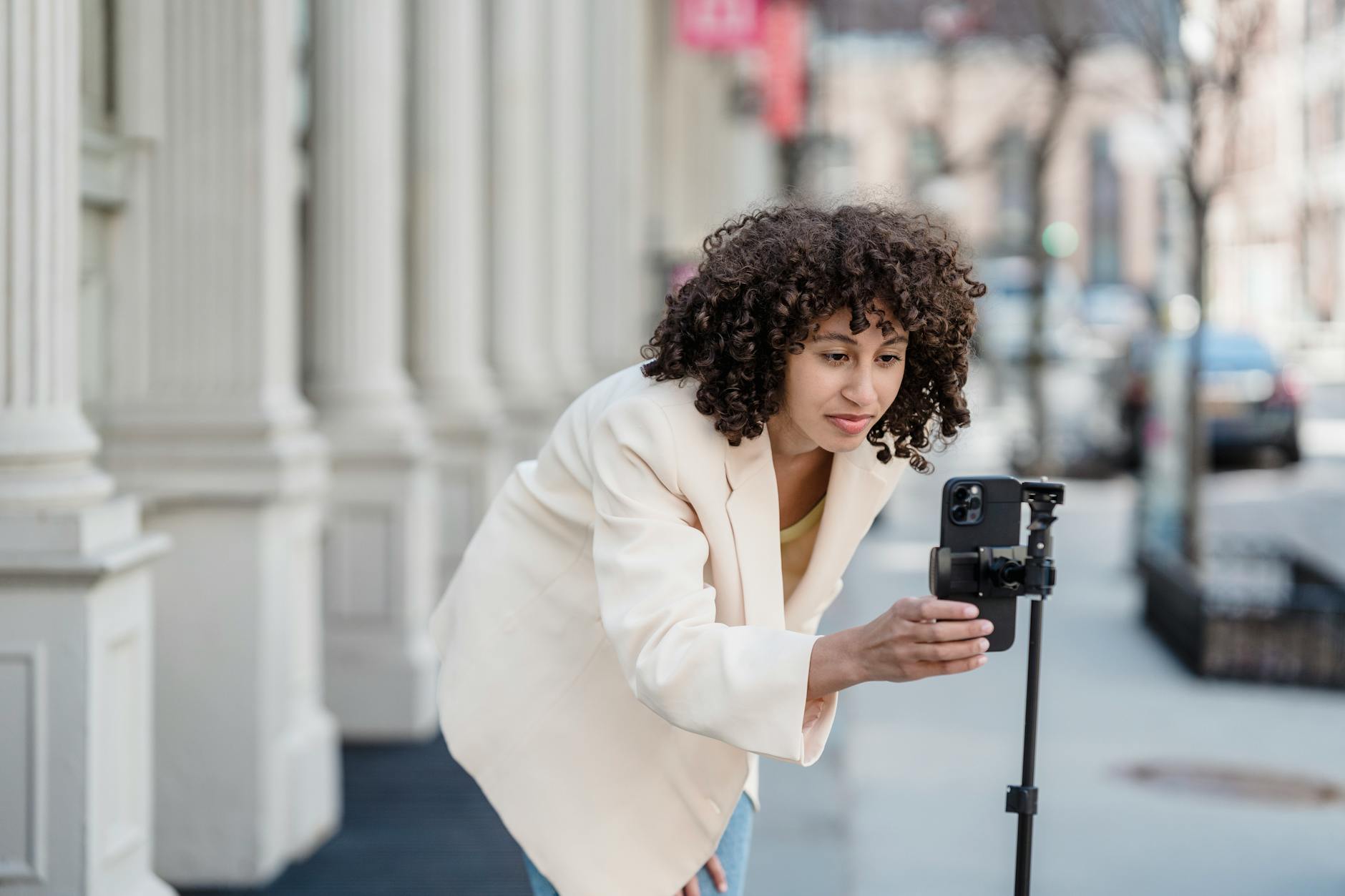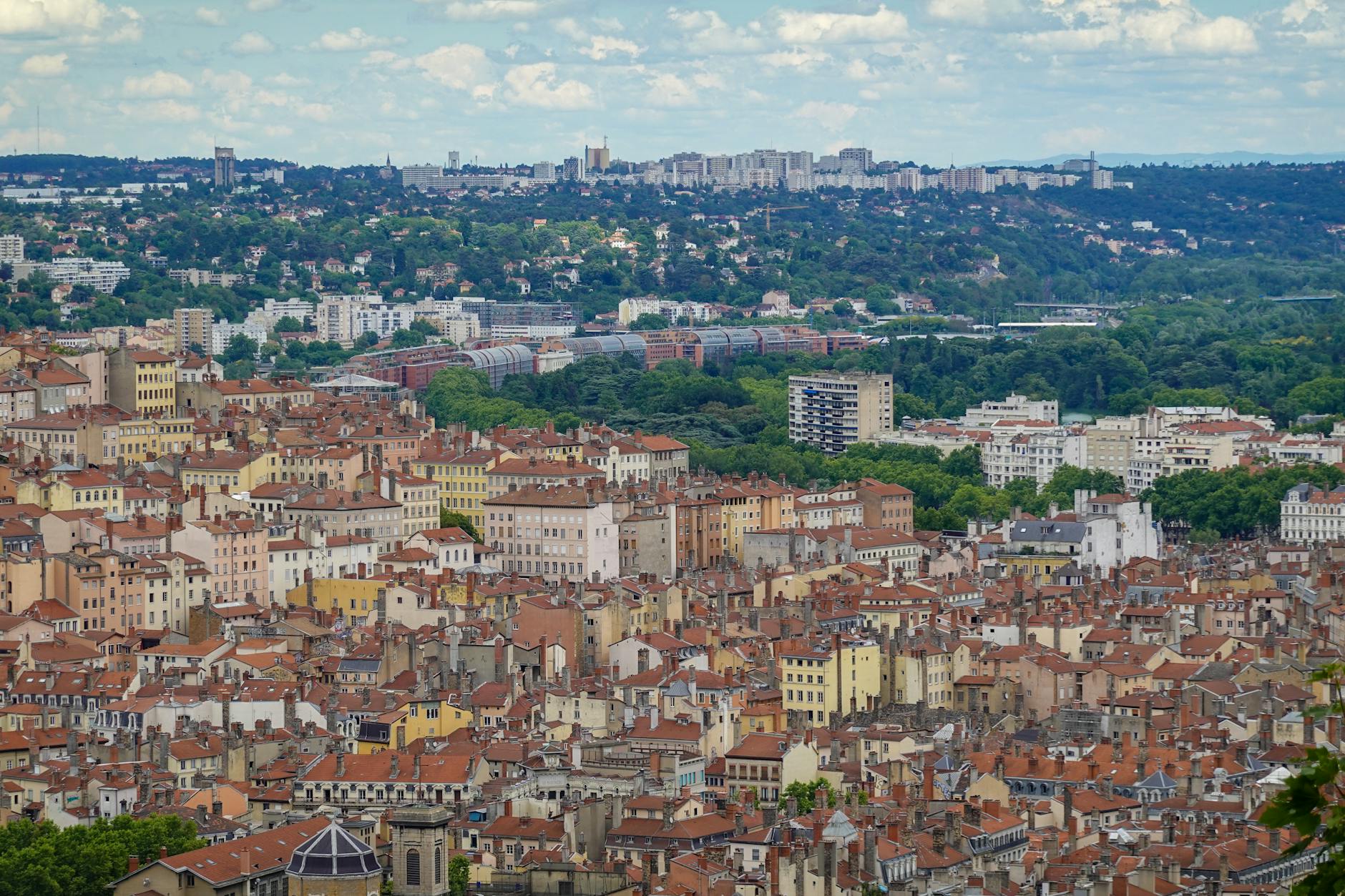
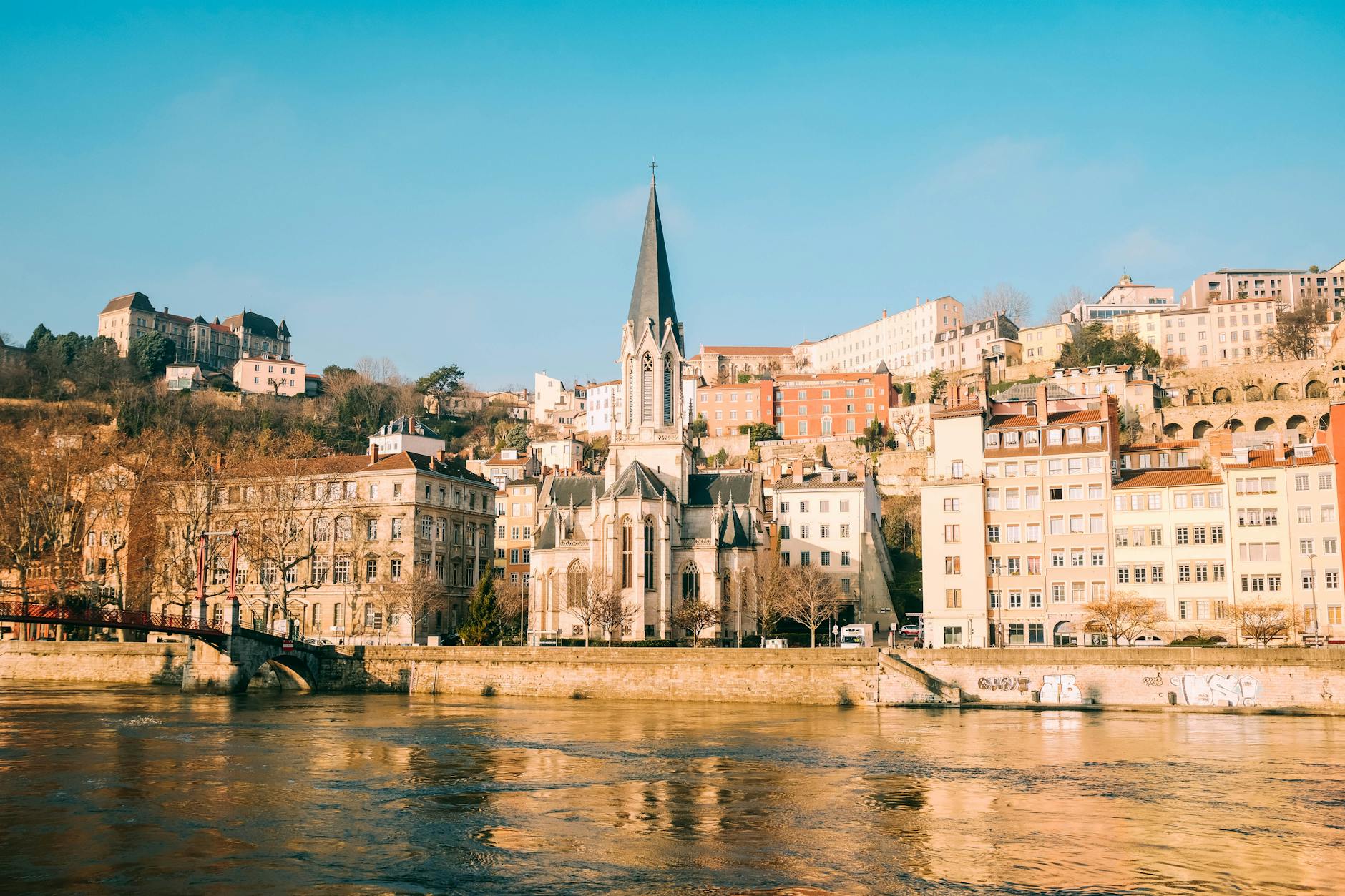
Lyon gives content creators strong material: river views, Vieux Lyon streets, traboules, Fourviere panoramas, cafes, bouchons, markets, murals, modern districts, food culture, and a city scale that feels more workable than Paris. That does not mean a creator can arrive with a camera and build a good trip by wandering. The best short creator trips are planned around light, neighborhood rhythm, transit, restaurant rules, crowd tolerance, edit time, and the difference between a public street and a place where filming will irritate staff, residents, or security. The practical question is what kind of content is being made. A food creator, short-form travel vlogger, architectural photographer, street-style creator, brand partner, solo creator, and small production team all need different locations and controls. Lyon can reward slow observation, but many creator trips are compressed into two or three days. The plan should protect the actual work: when to shoot, where to charge, what can be filmed, how to move with gear, and where the creator can edit or upload without turning every night into damage control.
Build the shot list from real geography
A Lyon creator plan should start with clusters, not isolated landmarks. Vieux Lyon, Fourviere, the Saone riverfront, Presqu'ile, Croix-Rousse, Confluence, Part-Dieu, Parc de la Tete d'Or, and food-focused neighborhoods can all produce strong material, but they do not all fit naturally into the same shooting window. The creator should know which locations need morning light, which work better at blue hour, which are crowded at lunch, and which require too much uphill movement or transit time to combine casually.
This is especially important for short-form video, where variety can tempt over-scheduling. A creator can spend the whole day collecting fragments and still miss the story if the route is not coherent. The strongest plan usually gives each day a visual theme: old city and hill views, rivers and bridges, food and interiors, modern Lyon, or neighborhood life. That makes the final content feel intentional rather than assembled from whatever happened to be nearby.
- Plan location clusters instead of jumping between unrelated landmarks.
- Match Fourviere, Vieux Lyon, riverfronts, Presqu'ile, Croix-Rousse, Confluence, and Part-Dieu to light and crowd patterns.
- Give each day a visual theme so the final content has a coherent Lyon story.
Know where filming may create friction
Lyon has many photogenic public spaces, but content creation is still a social act. A phone clip on a bridge is different from a tripod in a narrow lane, a gimbal in a restaurant, a drone idea near dense urban areas, or repeated takes beside residents' doors. The creator should assume that small, low-impact shooting is easier than visible production behavior, especially in Vieux Lyon traboules, markets, religious sites, transit spaces, private courtyards, and restaurant interiors.
Permission questions should be settled before the day depends on them. If the creator needs to film inside a restaurant, hotel, shop, event, school, or private venue, ask clearly and explain the use. If a brand partnership is involved, be even more careful. Commercial intent can change how staff, security, and owners view the shoot. The goal is not to scare the creator away from good locations. It is to prevent one awkward confrontation from ruining the schedule and the relationship with the city.
- Treat tripods, gimbals, repeated takes, drones, and interior filming as higher-friction behavior.
- Ask before filming in restaurants, shops, hotels, private courtyards, religious sites, and event spaces.
- Be clearer about permissions when content is sponsored, monetized, or tied to a brand deliverable.
Plan movement with gear, not as a tourist
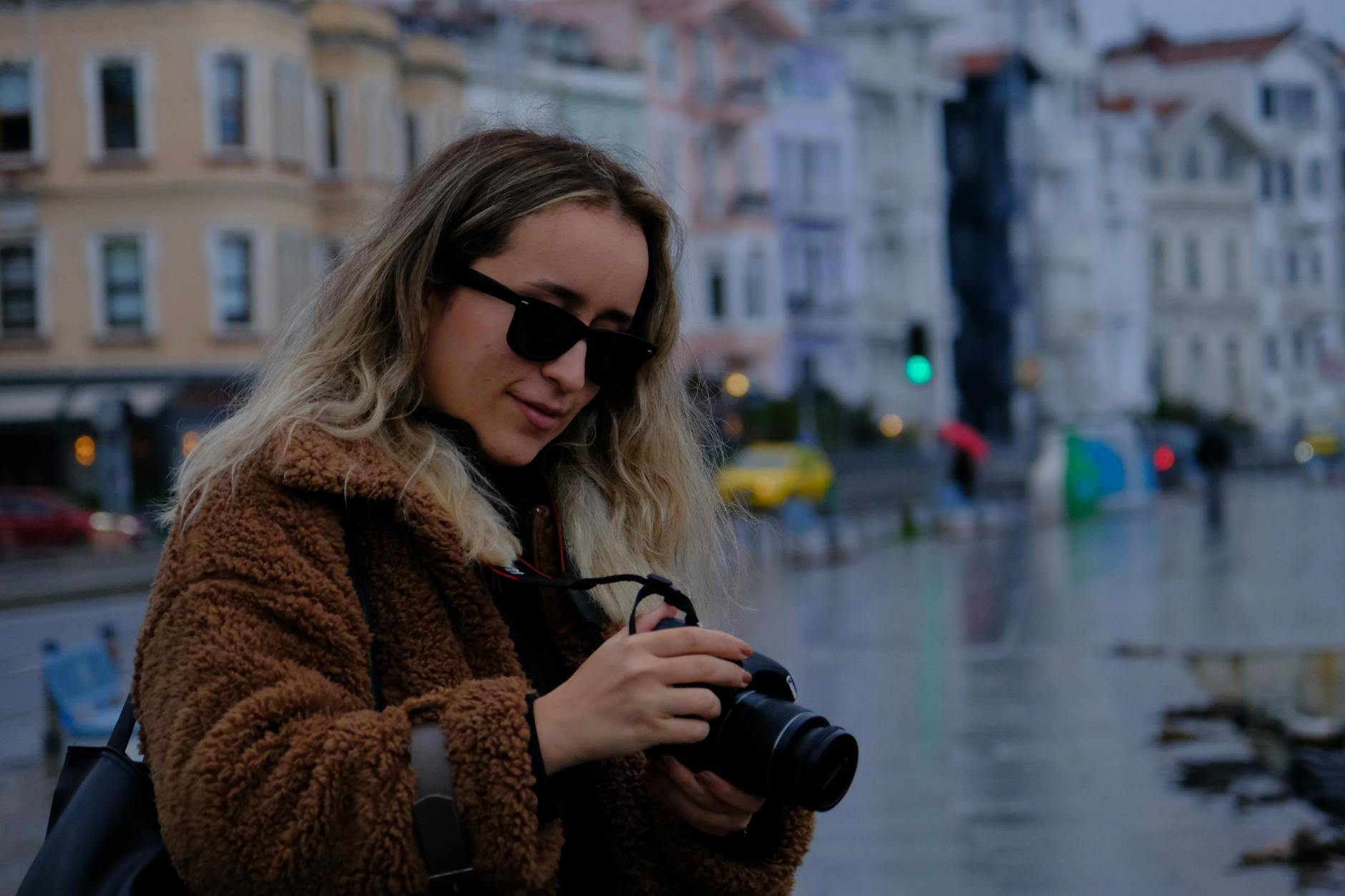
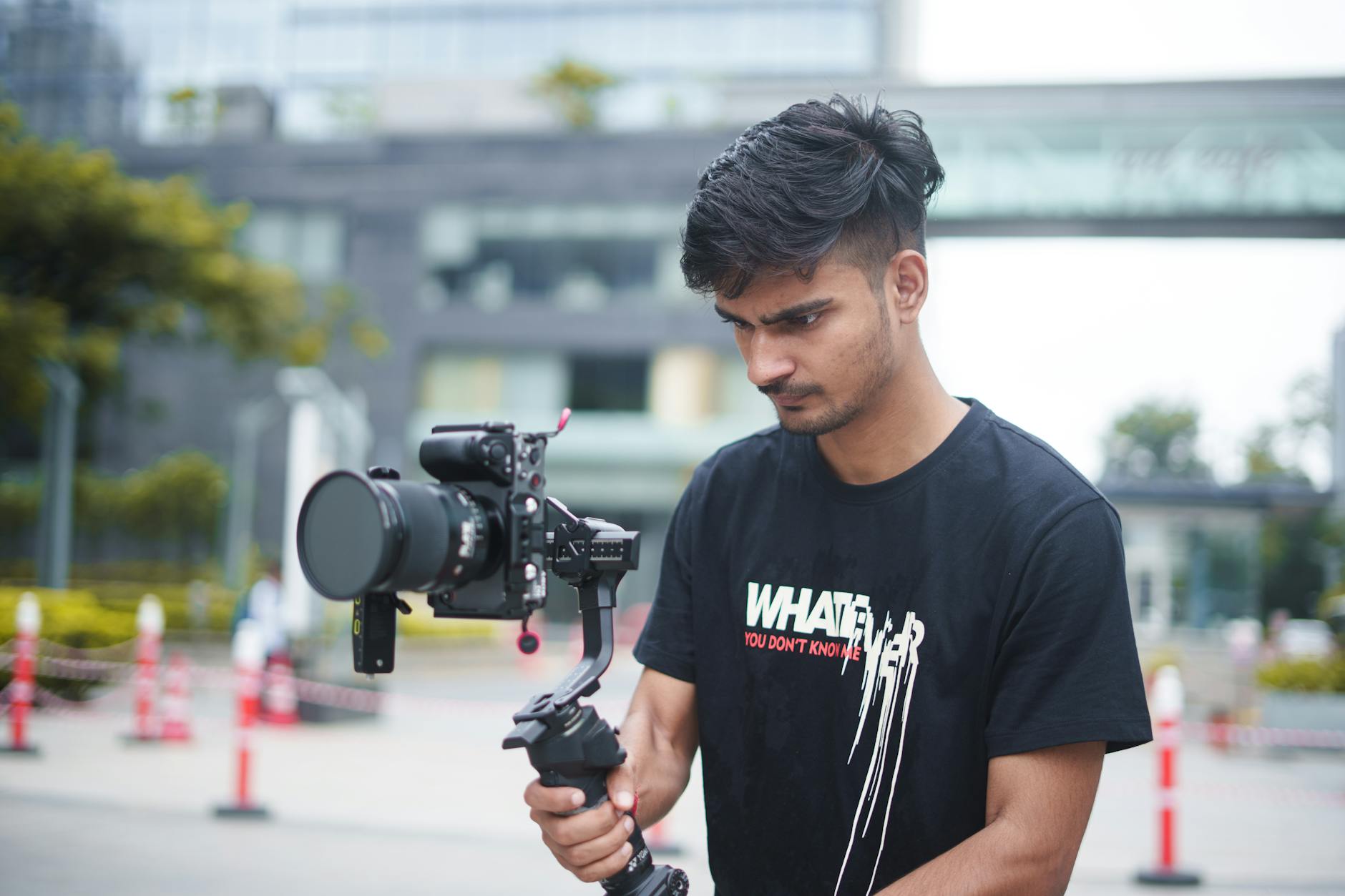
A creator carrying a phone is one traveler. A creator carrying a camera body, lenses, gimbal, tripod, microphones, light, laptop, battery bank, and backup drive is another. Lyon's metro, tram, funicular, and walking routes are useful, but gear changes the experience. Hills, stairs, narrow old streets, busy platforms, rain, and long days make a light kit more valuable than a perfect kit that is too heavy to use well.
The daily route should include bag security and recharge points. The creator should know where gear can be packed discreetly, which locations are better with a minimal setup, and when a taxi or rideshare is smarter than dragging equipment across a crowded transfer. If the shoot involves a second person, assign roles before arrival: who watches the bag, who checks audio, who handles directions, and who decides when to leave a location.
- Plan routes around hills, stairs, crowds, weather, and the weight of the actual kit.
- Use a lighter setup for narrow streets, transit, markets, and crowded public spaces.
- Assign bag watch, audio checks, navigation, and exit decisions when more than one person is working.
Treat food content with extra care
Lyon's food reputation is a gift to creators and a place where they can easily overreach. Bouchons, bakeries, cafes, markets, wine bars, and fine dining spaces all have different tolerance for cameras. A quick phone photo of a dish is one thing. Standing over tables, blocking service, using lights, filming staff without consent, or narrating loudly in a small dining room is another. The creator should choose restaurants by story, permission, table layout, light, noise, and the ability to work without making the meal unpleasant for everyone nearby.
Food creators should also think beyond the prettiest plate. A stronger Lyon story may include market sourcing, a simple lunch, a traditional bouchon, a pastry stop, a neighborhood cafe, and one more deliberate dinner rather than six disconnected meals. Reservations, closed days, service hours, and dietary needs should be checked in advance. A content plan that depends on showing up whenever the creator is hungry will miss some of the city's best material.
- Ask before filming staff, kitchens, interiors, or anything requiring lights, tripods, or repeated takes.
- Choose food stops by story, light, table layout, sound, service rhythm, and permission.
- Check reservations, closing days, service hours, and dietary needs before building the shoot around a meal.
Respect people who become part of the frame
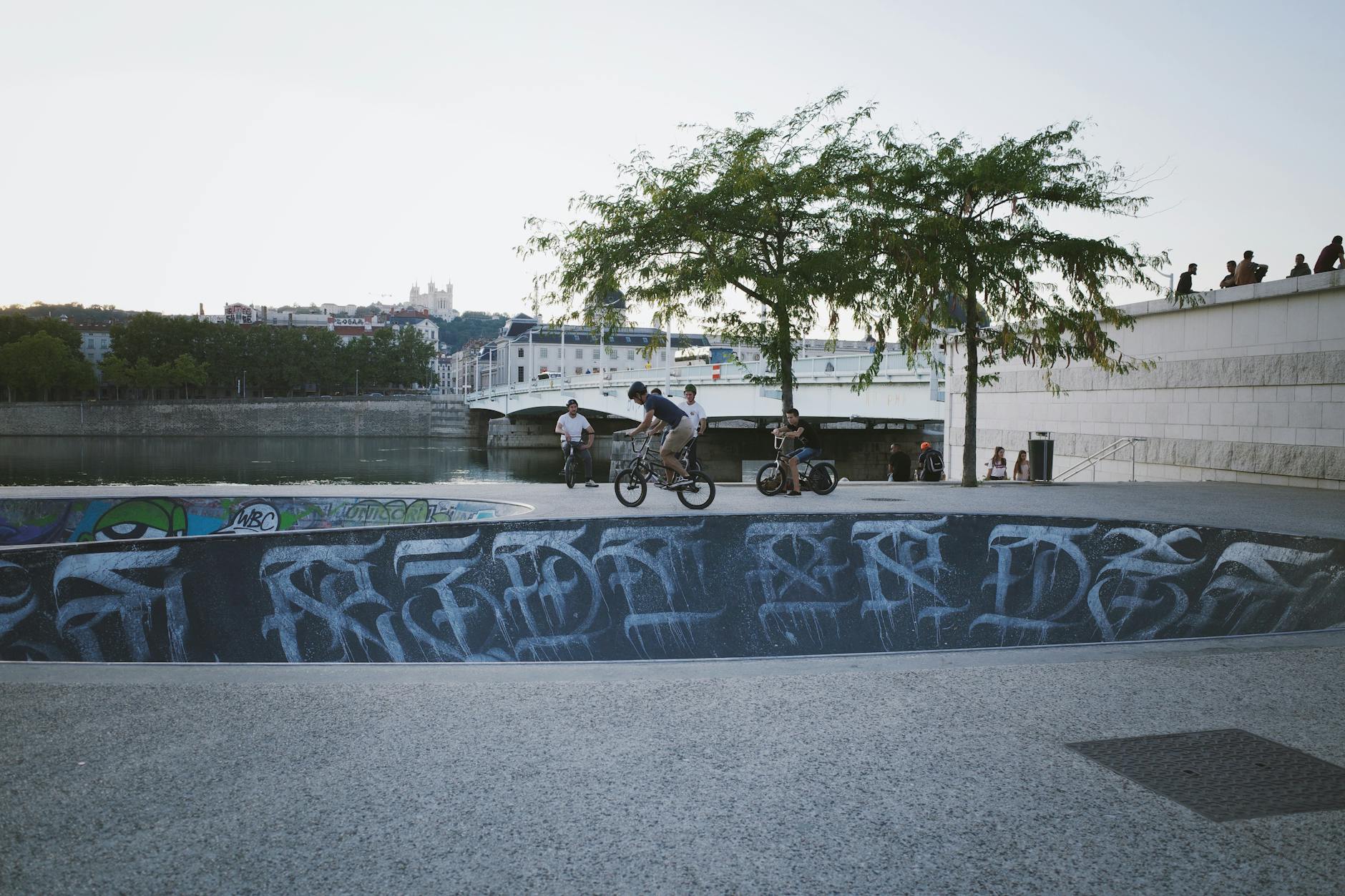
The easiest way for Lyon content to feel alive is to include people: cooks, cyclists, market vendors, classmates, street musicians, waiters, commuters, skateboarders, and ordinary pedestrians along the rivers. The easiest way to make the work ethically weak is to treat those people as background props. Creators should be especially careful with children, unhoused people, religious practice, medical settings, protests, and anyone who may be identifiable in a vulnerable moment.
Street content should be made with restraint. If a person is central to the shot, ask when practical. If the scene is sensitive, avoid filming or frame differently. If the creator is producing sponsored content, the standard should be higher, not lower. Lyon is not a set. Good creator work can still be energetic, stylish, and commercial while respecting the people who live there.
- Be careful with identifiable people, especially children, vulnerable people, religious practice, medical contexts, and protests.
- Ask when a person is central to the shot, and reframe when the scene is sensitive.
- Hold sponsored or monetized content to a higher consent and dignity standard.
Protect editing, uploads, and deliverables
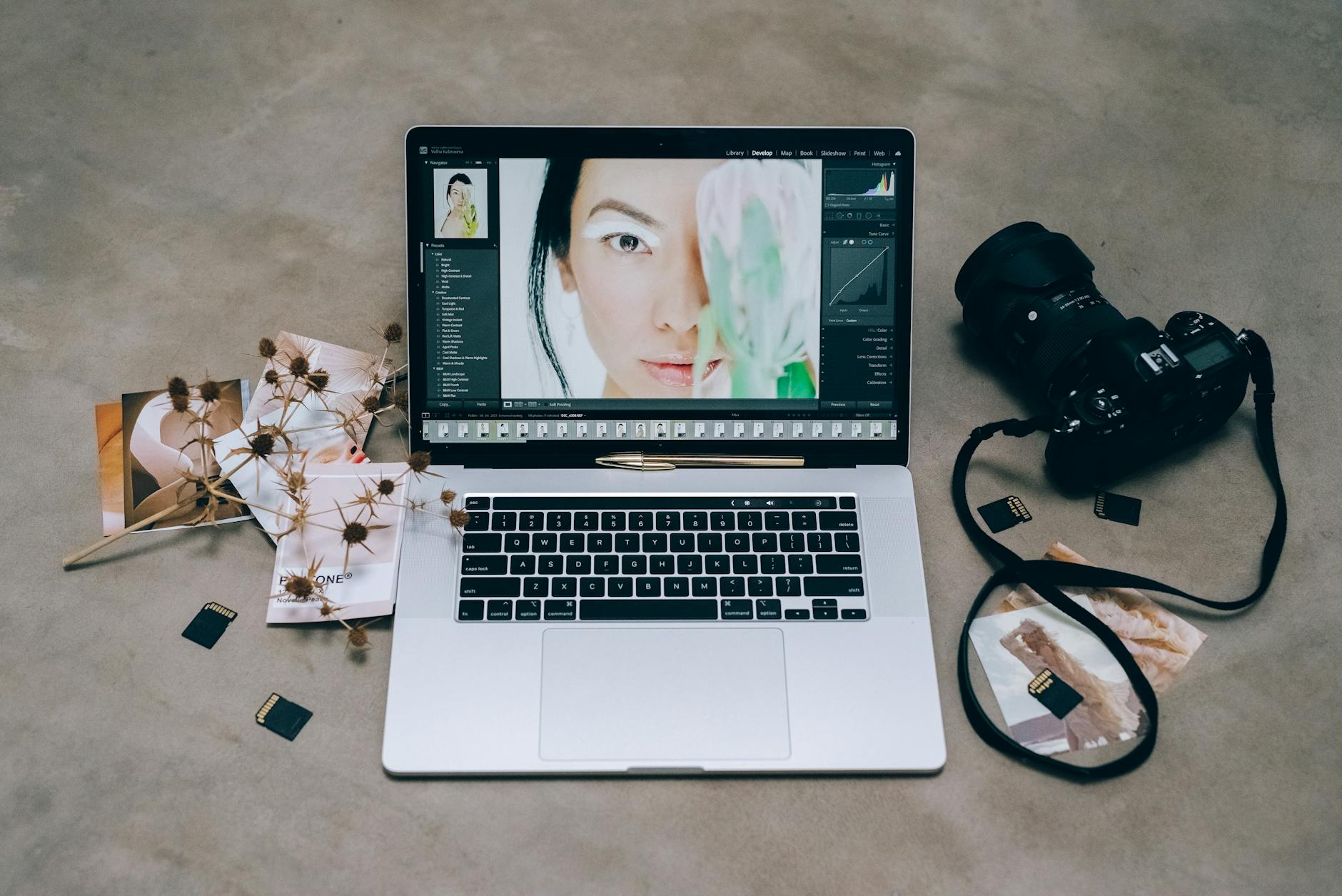
Creators often plan the shoot and ignore the production day that happens after sunset. Lyon content still has to be backed up, sorted, captioned, edited, uploaded, and sometimes delivered to a brand, client, or publication on a deadline. The hotel or apartment should be judged by desk space, Wi-Fi, outlets, quiet, late food access, and whether the creator can work without turning the bed into a chaotic editing station.
Backup discipline matters. At the end of each day, copy material to a second location, label files by location and subject, charge everything, clean lenses, and note what still needs to be shot. If the creator is producing short-form content while traveling, leave a realistic upload window. A beautiful Lyon sunset is less useful if the creator spends the next morning recovering from a failed transfer, dead batteries, or missing captions.
- Choose lodging with desk space, Wi-Fi, outlets, quiet, and enough room to manage gear.
- Back up files daily, label by location, charge batteries, clean gear, and track missing shots.
- Schedule upload and caption time as part of the itinerary, not as leftover energy.
When to order a short-term travel report
A creator making casual personal posts may not need a custom Lyon report. A report becomes more useful when the trip includes sponsored deliverables, several shoot locations, food content, interior filming, a tight edit schedule, expensive gear, limited French, solo work, or a production partner who needs a practical route and permissions plan. Those are the trips where generic recommendations become too shallow.
The report should test the shoot map, hotel base, light windows, restaurant and venue permissions, transit routes, backup locations, gear movement, weather contingencies, current disruption risks, and editing environment. The value is a creator-aware operating brief for Lyon: where to shoot, when to move, what to ask, where friction may appear, and how to protect the work after the camera stops recording.
- Order when sponsored work, food content, multiple locations, gear, permissions, or limited time raises the stakes.
- Provide deliverables, locations, preferred visual style, gear list, hotel candidates, language ability, and deadlines.
- Use the report to protect the shoot, the edit, and the creator's relationship with the city.