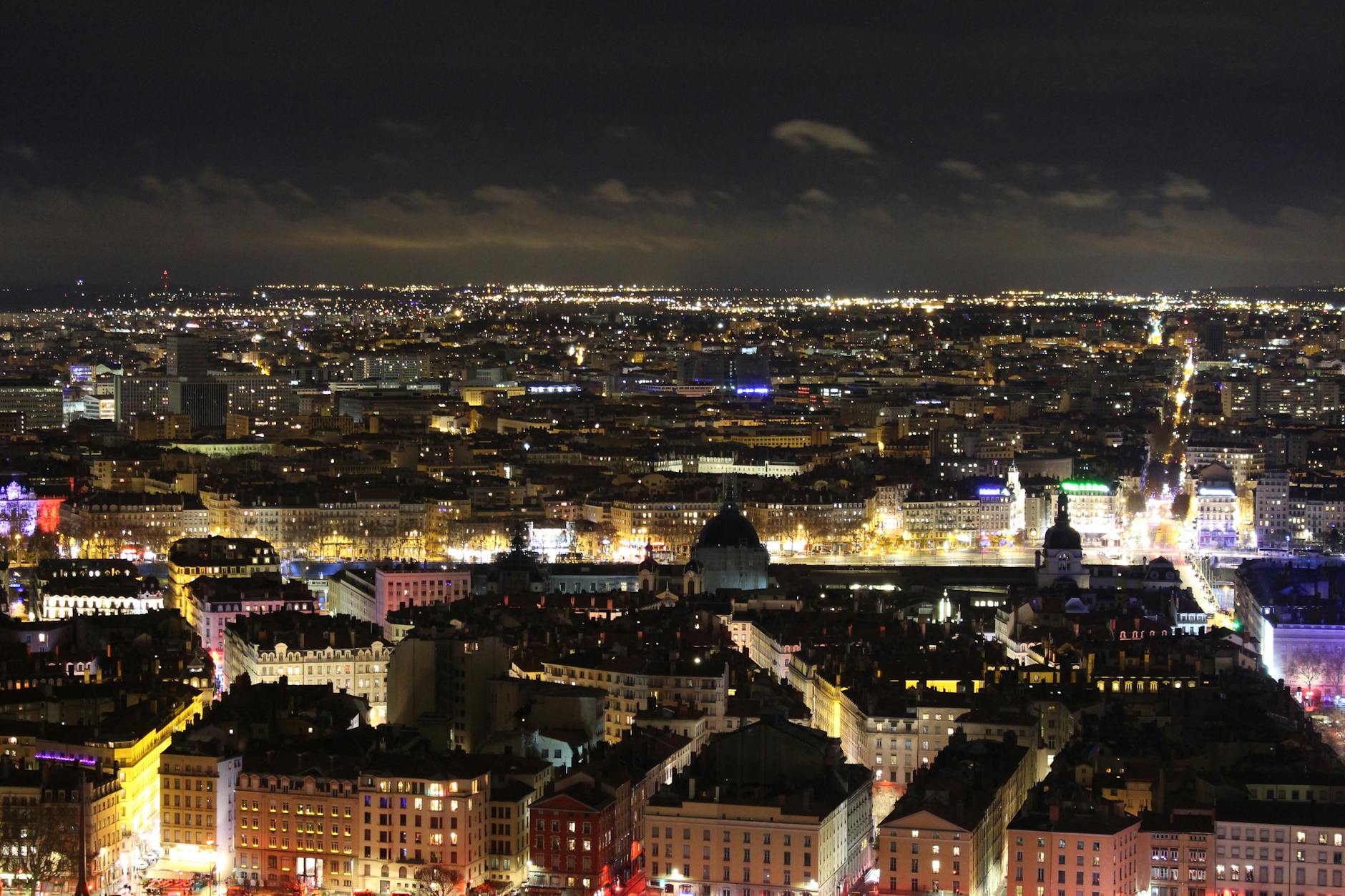
Lyon can be a very good budget-travel city because much of its value is not locked behind expensive admissions. Vieux Lyon, Presqu'ile, river walks, viewpoints, Croix-Rousse, markets, parks, public squares, murals, and ordinary cafe life can carry a short trip if the traveler builds the days carefully. The risk is that Lyon also tempts visitors into the wrong kind of economy: a cheap bed that creates long returns, an airport transfer that was not priced honestly, too many paid meals in the tourist core, or a plan that depends on walking everywhere after the traveler is tired. A strong budget plan for Lyon is not about spending as little as possible on every item. It is about spending deliberately. Pay for the things that protect the trip: a workable base, a clean arrival, one or two meaningful food or museum anchors, and enough transport flexibility to avoid turning the city into a forced march. The paid short-term report applies that logic to the traveler's exact budget, hotel or hostel options, arrival point, trip length, food interests, walking tolerance, and current local conditions.
Budget by total friction, not nightly rate
The cheapest room in Lyon may not be the cheapest trip. A low nightly rate can become expensive if it pushes the traveler into longer transit, late taxi rides, weak food options, poor sleep, luggage storage problems, or a location that makes every return feel like a project. Budget travelers should compare lodging by total friction: price, transport cost, meal access, safety after dark, luggage handling, check-in hours, cancellation rules, and whether the location supports the actual itinerary.
Presqu'ile can justify a slightly higher rate when it keeps walking, food, transit, and evenings simple. Part-Dieu can make sense for rail arrivals and practical connections, but it may not feel like the best leisure base. Vieux Lyon can be atmospheric but may cost in stairs, cobbles, and tourist pricing. Guillotiere, Brotteaux, Croix-Rousse, and other districts can work, but only when the traveler knows what they gain and what they lose.
- Compare lodging by room cost, transport cost, food access, sleep quality, check-in hours, and evening returns.
- Pay a little more for a base when it prevents taxis, weak meals, or wasted transit time.
- Treat very cheap rooms outside the easiest districts as a full logistics decision, not a bargain by default.
Choose budget lodging with practical filters
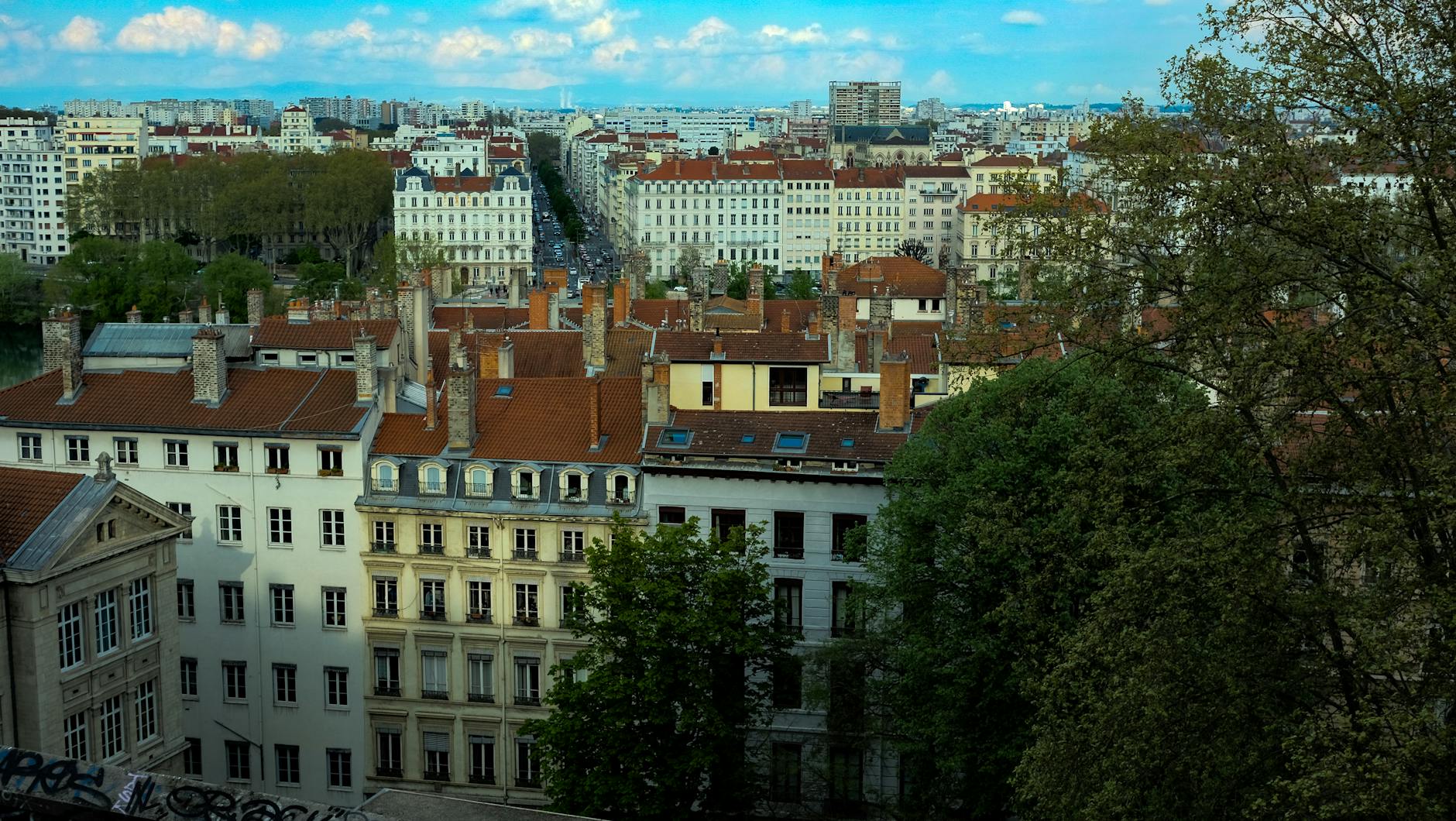
Hostels, budget hotels, aparthotels, private rooms, and simple guest lodging can all work in Lyon, but the traveler should apply filters beyond price. A hostel bed with late noise, weak storage, no useful workspace, or awkward access may be wrong for someone who has early trains or full sightseeing days. A small budget hotel may be better if it gives quiet sleep and a direct route to the day's plan. An aparthotel can save money through breakfast and simple meals, but only if the location is not too far from the city the traveler actually came to see.
Budget lodging also needs a backup check. Is there a staffed desk or clear late-entry process? Is luggage storage available? Are there lockers or secure storage? Is the room up stairs? Is breakfast worth paying for, or are better bakery options nearby? Can the traveler reach the door comfortably after dinner? These details decide whether low cost feels clever or punishing.
- Check luggage storage, lockers, late entry, noise, stairs, breakfast value, and desk support before booking.
- Choose hostels when the social and storage setup fits the trip, not only because the bed is cheapest.
- Use aparthotels or private rooms when grocery meals and better sleep offset a less central address.

Price arrival before committing to the trip
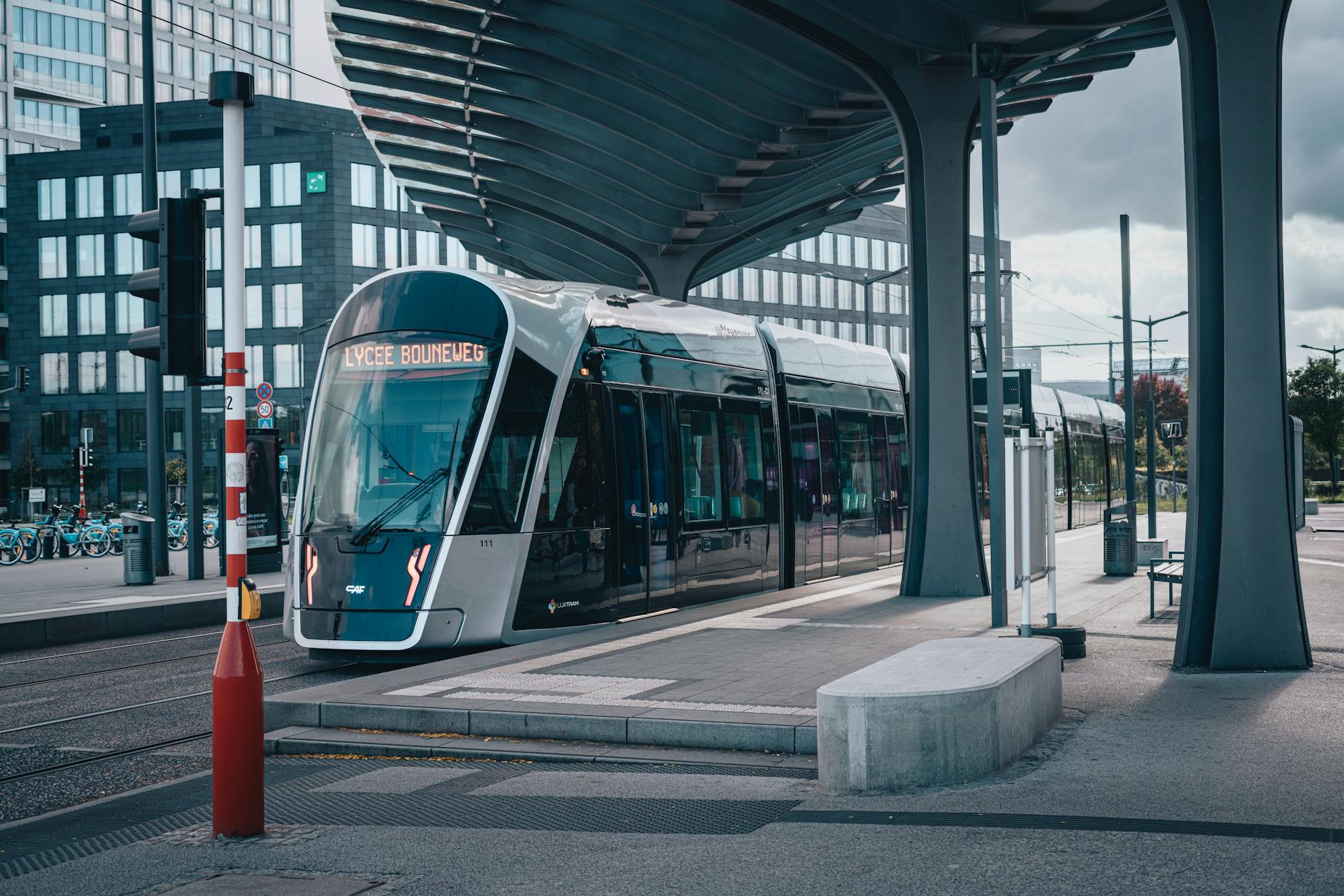
Budget travelers should price Lyon arrival honestly. Saint-Exupery Airport sits outside the city, and the transfer can matter more than expected when comparing flights. A cheaper flight that lands late or requires an expensive, stressful transfer may not beat a rail arrival into Part-Dieu or Perrache. Rhonexpress, taxis, public transport connections, regional rail, and long-distance bus or train arrivals all change the real cost of the first and last day.
Inside Lyon, walking can save money, but only when it preserves the day. Metro, tram, bus, funicular, and occasional taxi use should be treated as tools, not failures. A budget traveler who refuses transit may spend the trip exhausted. A traveler who buys single rides without thinking may spend more than needed. The right answer depends on trip length, hotel location, hill routes, weather, and how many cross-city moves are actually planned.
- Compare cheap flights against airport transfer cost, arrival hour, and the value of rail arrival into the city.
- Use public transport passes or single tickets according to the real number of planned rides.
- Do not walk every route just to save money if hills, weather, or fatigue will damage the next part of the day.
Eat well without spending carelessly
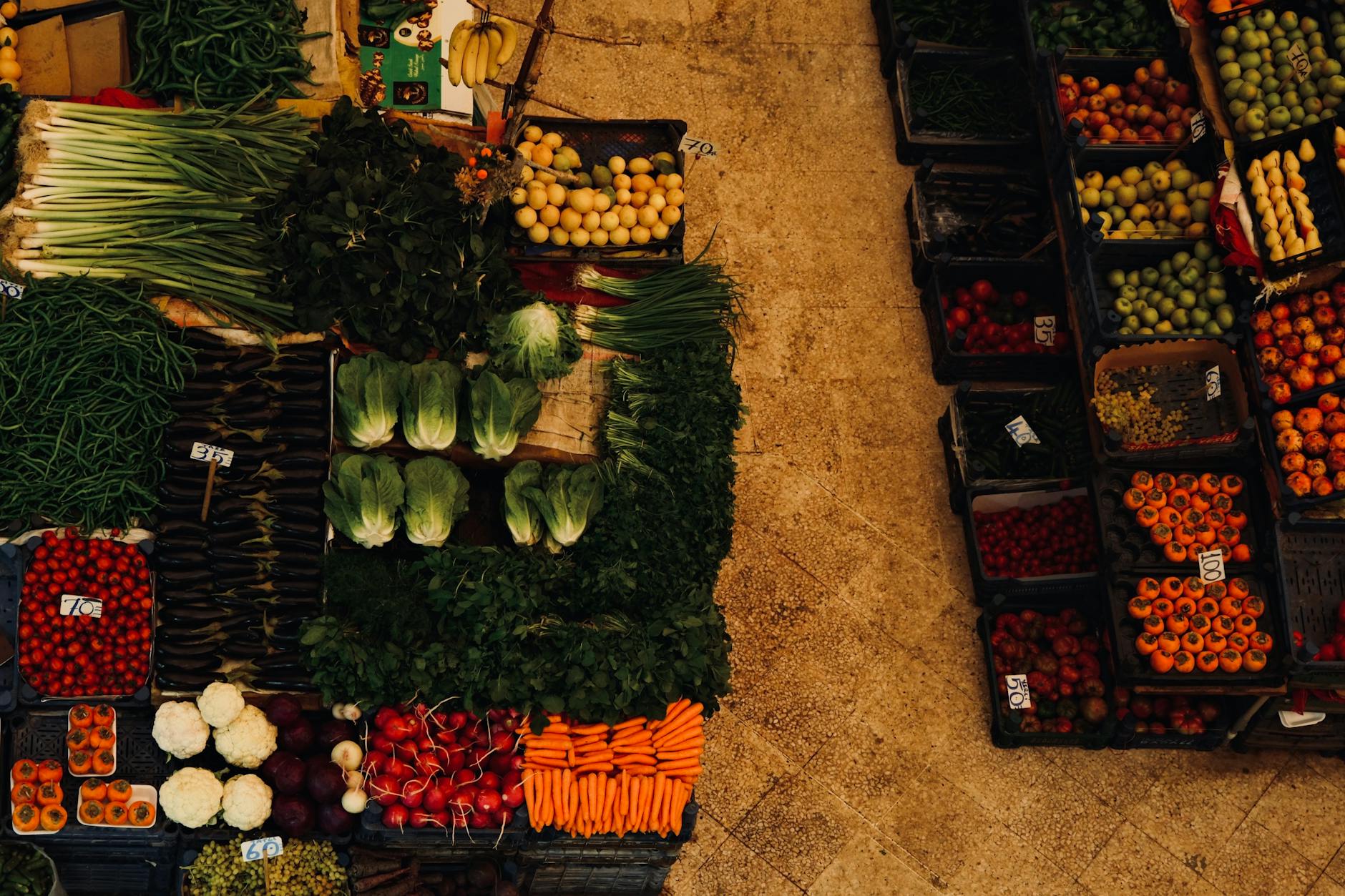
Lyon is one of the best cities in France for making budget food feel like a strength rather than a compromise. Bakeries, markets, lunch menus, simple cafes, takeaway meals, grocery breakfasts, riverside picnics, and selective bouchon planning can all work. The mistake is spending too much on mediocre convenience because the traveler waited until they were hungry in the most touristy place on the route.
A budget traveler should plan one meaningful food spend and one cheap fallback most days. Lunch can be better value than dinner. A bakery breakfast may beat a hotel breakfast that does not justify the price. A market meal can carry a day if the traveler has a place to sit and enough water. The goal is not to avoid Lyon's food culture. It is to keep money available for the meals that actually matter.
- Use bakeries, markets, lunch menus, groceries, takeaway meals, and picnics as part of the food plan.
- Save paid restaurant spending for meals that are actually worth the budget.
- Avoid emergency meals in the most convenient tourist spot after the traveler is already hungry.
Use Lyon's free value deliberately
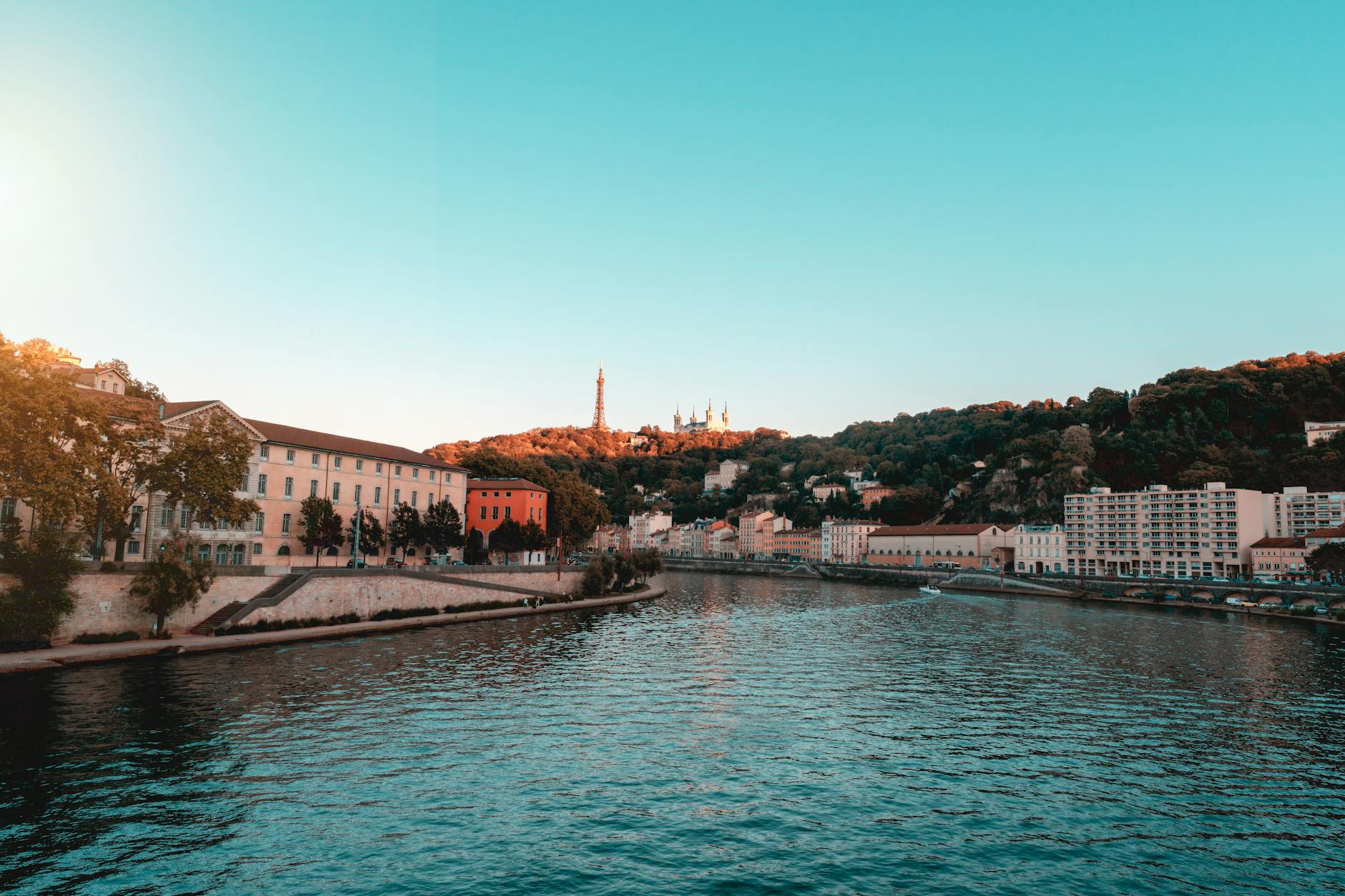
Some of Lyon's best budget value is free or nearly free: river walks, bridges, public squares, old streets, viewpoints, parks, murals, window-shopping, neighborhood wandering, and selected public courtyards or passages when access is appropriate and respectful. These should not be treated as filler between paid attractions. They are the backbone of a smart budget trip.
Free does not mean frictionless. Fourviere views can require hill effort or funicular cost. River walks can be exposed to heat, rain, or wind. Old streets can involve cobbles and crowds. Parks take time to reach. A strong budget day combines one free anchor with one food anchor and one optional paid item. That keeps the day rich without spending money just because the itinerary feels empty.
- Build days around river walks, viewpoints, squares, murals, parks, old streets, and neighborhood wandering.
- Respect private spaces and access limits when exploring courtyards or passageways.
- Pair one free anchor with one food anchor and one optional paid item instead of filling the day with admissions.

Spend selectively on the paid pieces
Budget travel should still include paid experiences when they improve the trip. A museum, special meal, guided tour, event, transport pass, or city card can be worth it if it matches the traveler's interests and schedule. The problem is buying paid items defensively because the traveler feels they need to make the trip official. Lyon does not require that. A visitor who cares about food may spend more on lunch and less on admissions. A visitor who cares about art or history may do the reverse.
The traveler should check current prices, opening days, reservation rules, and whether bundles actually save money for the way they plan to move. Do not buy a pass because it sounds efficient if the itinerary is mostly walking and meals. Do not skip a paid experience that is the real reason for the trip just to protect a budget that is already being wasted elsewhere.
- Spend on the paid experiences that match the trip's real purpose.
- Check current prices, opening days, reservation rules, and pass value before buying.
- Cut low-value admissions before cutting the one museum, meal, tour, or event that would define the trip.
When to order a short-term travel report
A budget traveler with a flexible schedule, central lodging, and strong route confidence may not need a custom report. A report becomes more useful when the traveler is choosing between cheap but very different lodging options, arriving late, comparing airport and rail costs, traveling with limited mobility, trying to keep food costs low without missing Lyon's food culture, or deciding which paid experiences deserve the money.
The report should test the exact lodging options, arrival transfer, neighborhood tradeoffs, transport strategy, low-cost meals, free route anchors, paid priorities, evening returns, and current local conditions. For a budget traveler, the value is not a generic list of free things to do. It is knowing where spending a little protects the trip and where spending less will not weaken it.
- Order when lodging, airport transfer, transit, food cost, paid priorities, or late returns could change the real budget.
- Provide hotel or hostel candidates, arrival details, budget range, walking tolerance, food priorities, and must-see items.
- Use the report to protect total trip value, not just to minimize every line item.