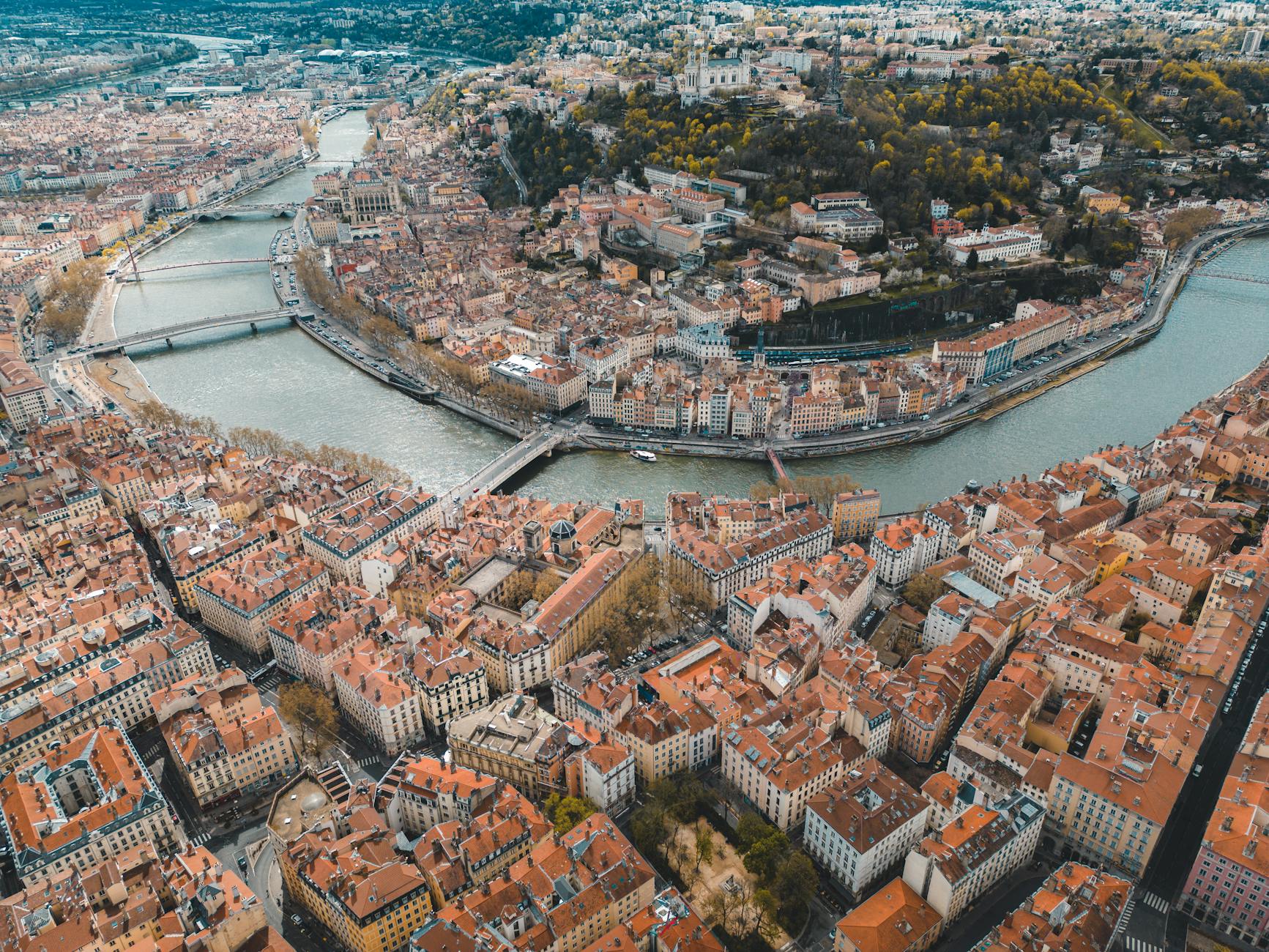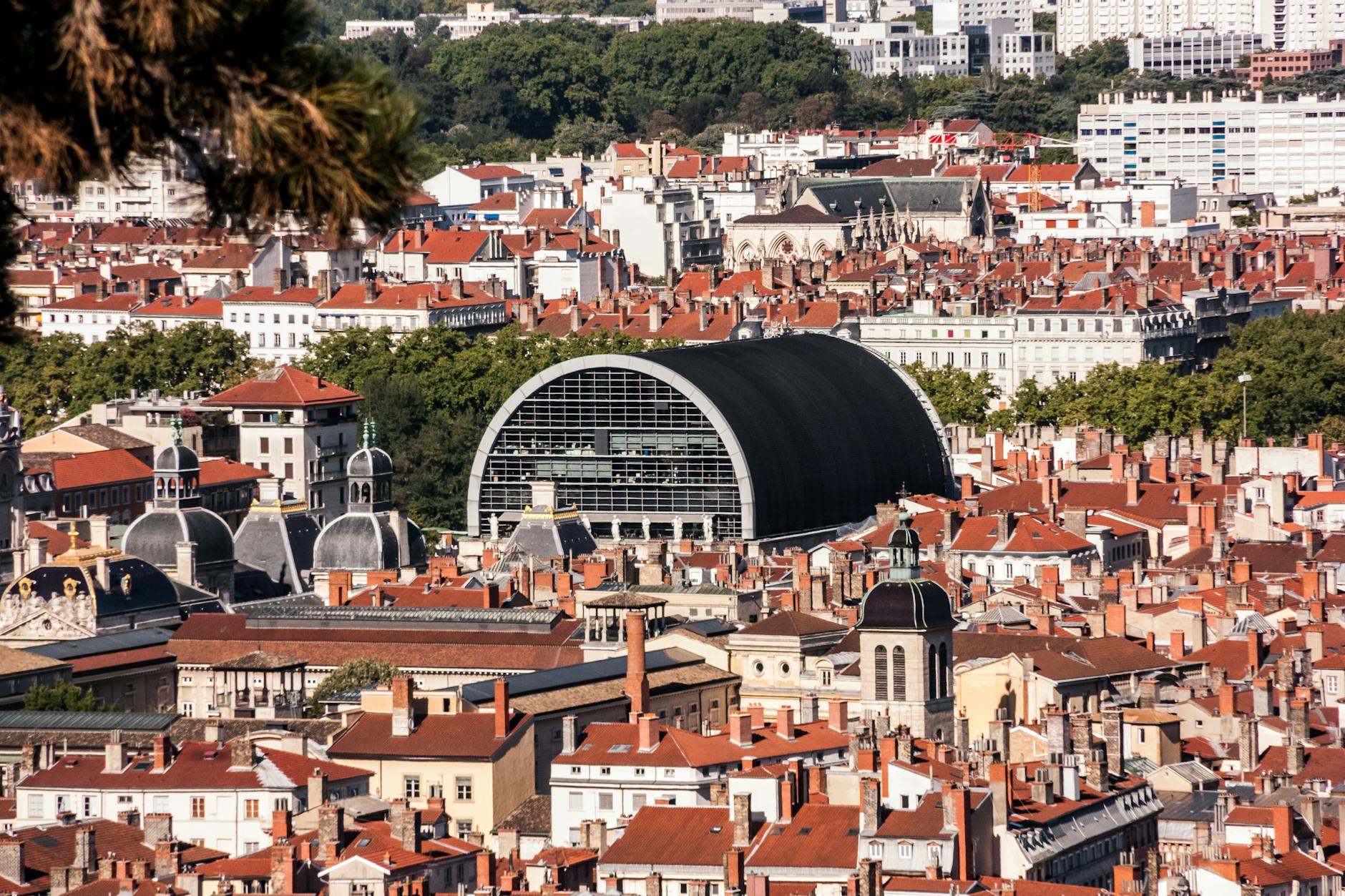
Lyon is a strong academic-conference city because it combines serious universities, research institutions, rail access, a compact central core, and enough cultural weight to support dinners, receptions, and short side meetings. It is also easy to misread. A conference listed as 'Lyon' may be at Cite Internationale, Part-Dieu, a Presqu'ile hotel, the Doua campus in Villeurbanne, ENS Lyon in Gerland, a university site near the Rhone, a Bron campus location, or a specialized research facility outside the central visitor map. Those are different trips. For an academic attendee, the risk is usually not dramatic danger. It is a chain of small failures: arriving too late from Saint-Exupery, booking the wrong side of the city, carrying a poster tube through transfers, missing a reception because the route was assumed, losing time to station crowds, discovering that the dinner district is nowhere near the venue, or trying to work from a hotel room that does not support a presentation deadline. A good short-term plan makes the conference city functional before the traveler starts thinking about the paper, panel, keynote, or networking agenda.
Confirm the real venue before booking anything
The phrase 'conference in Lyon' is not precise enough for an academic traveler. Cite Internationale, Part-Dieu, Presqu'ile, Gerland, Villeurbanne, Bron, and riverfront university buildings each produce a different hotel and transport answer. A venue inside a central hotel may be easy for dinners and side meetings. A campus event may be better served by a hotel near a metro or tram line rather than by the most attractive central address. A conference attached to a laboratory, medical institution, or engineering campus may have visitor-entry rules and morning arrival patterns that differ from a public congress venue.
The attendee should verify the exact address, building, entrance, registration desk, session rooms, poster area, reception venue, and evening dinner sites before booking. Academic conferences often scatter activity across a plenary site, workshop rooms, department buildings, restaurants, and informal meeting points. Lyon rewards that checking because the city is navigable once the geography is honest.
- Do not book from the word Lyon alone; confirm the exact venue, campus, entrance, and reception locations.
- Separate central hotel conferences from Cite Internationale, Gerland, Villeurbanne, Bron, and specialist campus events.
- Check whether registration, posters, workshops, receptions, and dinners are all in the same area.
Match the hotel to the conference rhythm
Academic travelers often choose hotels by reimbursement limit and then try to make the schedule fit. In Lyon, that can work, but the better question is when the traveler has to be physically present. Early sessions, poster setup, chairing duties, keynotes, and morning coffee meetings argue for sleeping close to the venue or on a direct metro/tram route. A conference with important dinners, central receptions, and informal networking may justify a more central base in Presqu'ile or near a reliable line back to the venue.
Part-Dieu can be practical for TGV arrival and rail departure, but it may not give the best academic-conference experience if most relationship work happens near the rivers or old center. Gerland, Villeurbanne, and campus-adjacent hotels can reduce the morning commute but may feel inconvenient after evening receptions. The right base is the one that protects the required sessions and the highest-value conversations, not simply the cheapest acceptable room.
- Prioritize early required sessions, poster setup, chairing duties, and reception locations when choosing a hotel.
- Use Part-Dieu for rail logic; use central Lyon for dinners and informal networking when that is the trip's value.
- Check reimbursement, breakfast timing, desk quality, quiet, and late-return transport before booking.
Treat arrival as part of the conference schedule
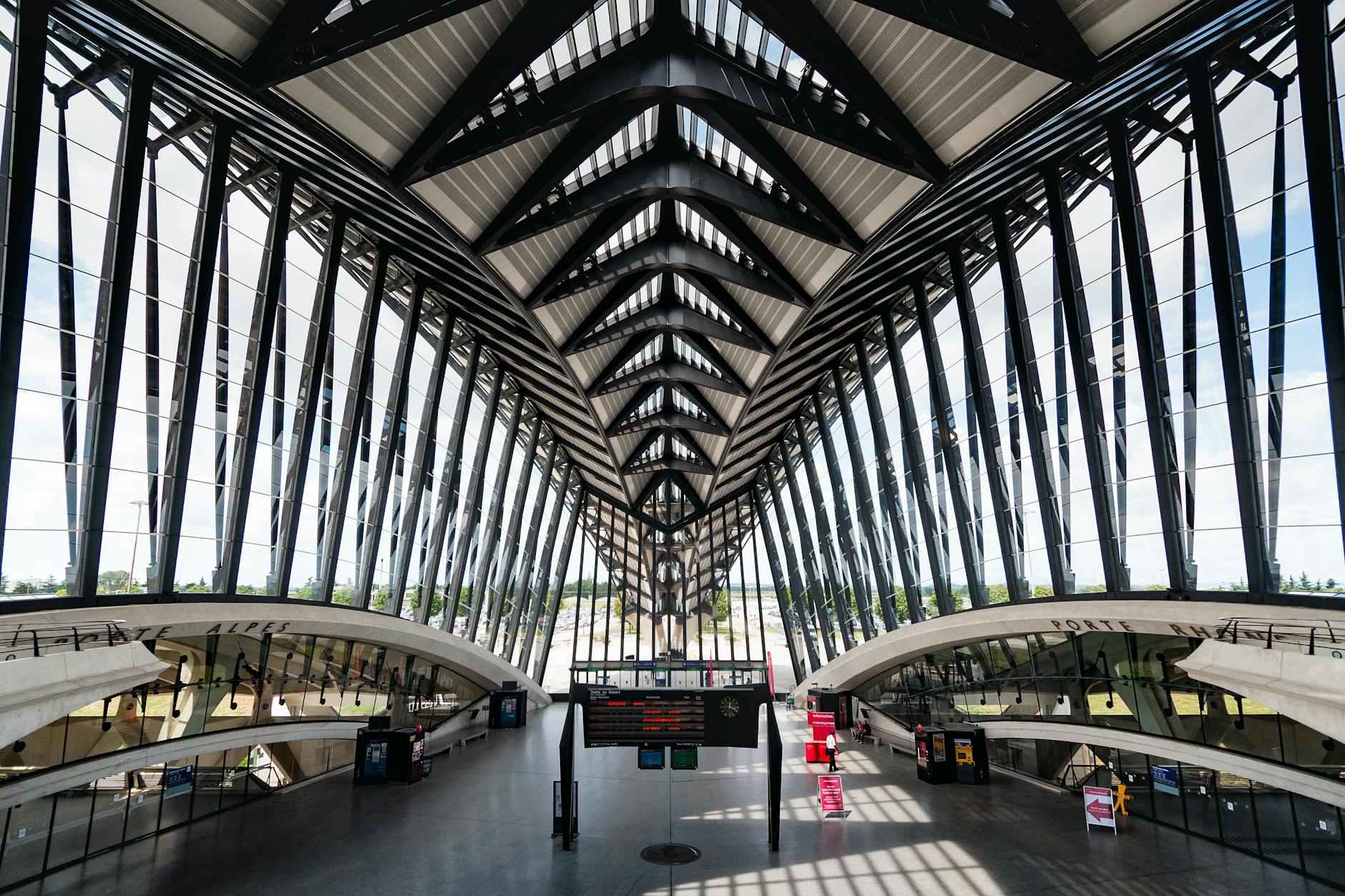
Saint-Exupery Airport and Part-Dieu station are useful gateways, but neither should be treated as a neutral detail. The airport transfer can consume more time than an academic traveler expects, especially after a long-haul flight, with luggage, a poster tube, or a same-day registration deadline. Rhonexpress can be efficient toward Part-Dieu; a taxi or pre-arranged car may be better for late arrival, multiple bags, mobility constraints, or a venue outside the Part-Dieu axis.
TGV arrival at Part-Dieu can be excellent for travelers coming from Paris, Geneva, Marseille, or other European cities. It still needs a plan. Station crowds, platform changes, construction effects, and the last mile to the hotel can matter when the traveler must register, print, shower, or present the same day. The safest academic plan treats the arrival block as protected working time, not dead time between travel and the first session.
- Choose Rhonexpress, taxi, or car based on venue, luggage, arrival hour, and same-day obligations.
- Build margin before registration, poster setup, presentation checks, or evening receptions.
- Use TGV convenience carefully; Part-Dieu still has station crowding and last-mile friction.
Test daily movement before the first panel
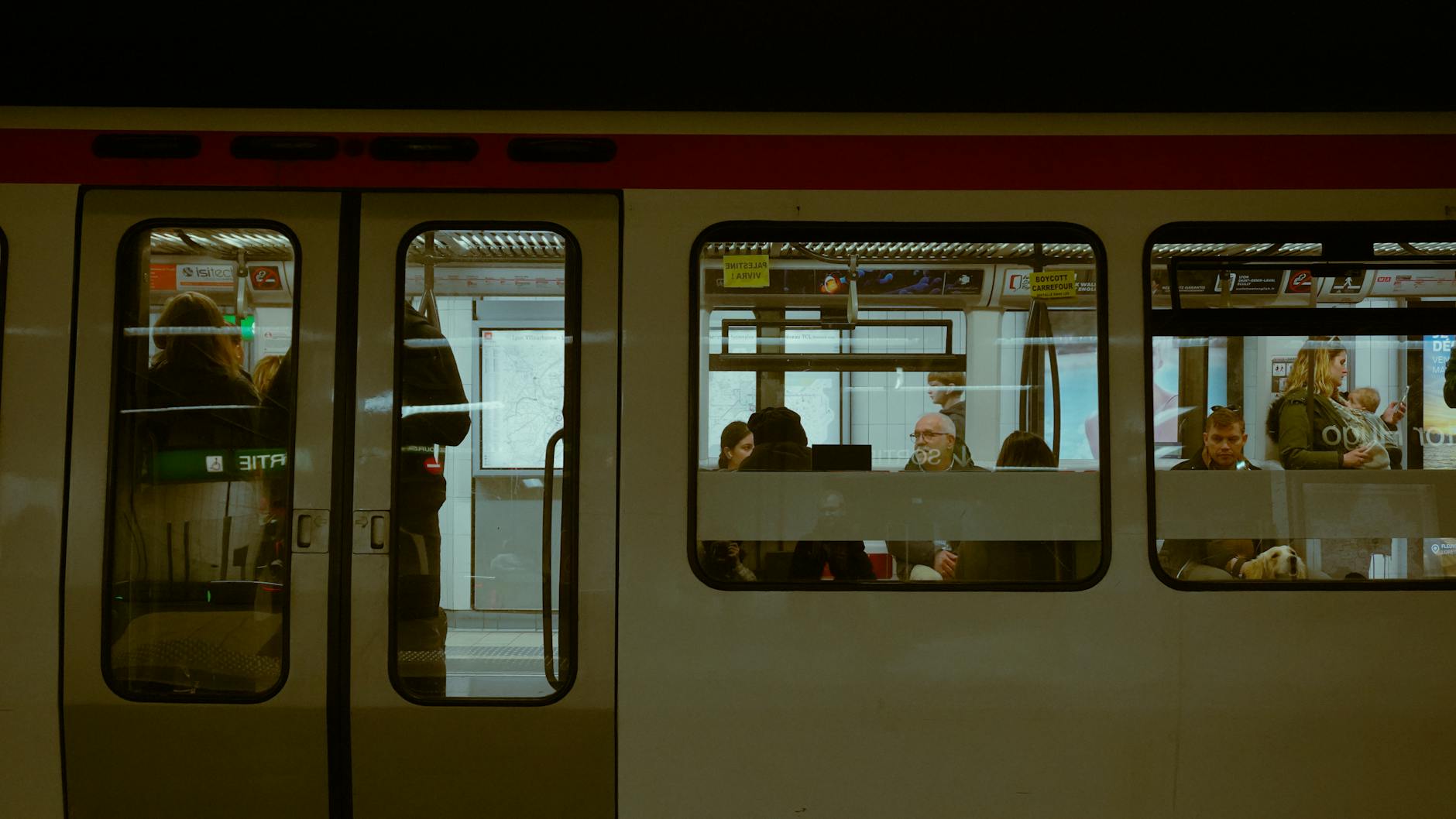
Lyon's public transport network is a real advantage for conference attendees, but the route needs to be tested against the actual day. A metro line that looks simple at noon may feel different with a laptop, conference tote, rain, formal shoes, or a tight transfer from a breakfast meeting. Campus and conference sites can also sit on routes where the final walk, tram stop, or building entrance matters more than the map suggests.
The attendee should know the first route from hotel to venue, the backup route, the late-evening route back from dinner, and the route to the station or airport on departure day. This is especially important for speakers, panel chairs, job-market travelers, and anyone carrying research materials or equipment. Conference fatigue makes improvisation weaker every day.
- Check hotel-to-venue movement by time of day, weather, luggage, and final building entrance.
- Name a backup route for the morning session and the evening return.
- Protect departure-day movement if the traveler has a final panel, lunch meeting, or tight rail/flight connection.
Protect presentation materials and work capacity
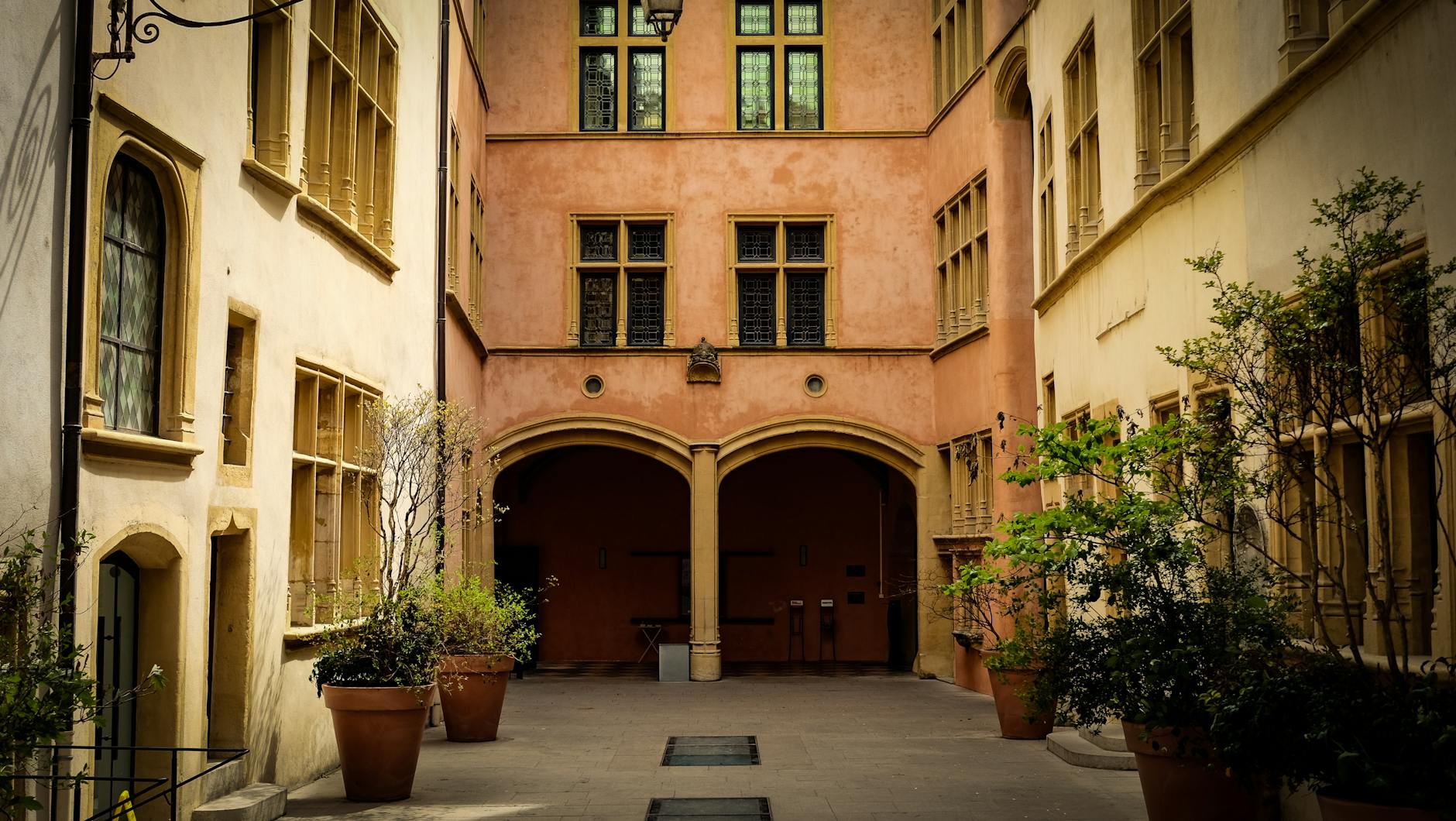
Academic trips fail in practical ways. A traveler may need to carry a laptop, adapters, a poster tube, books, handouts, research notes, interview materials, sensitive data, medication, or a professional wardrobe. They may also need to revise slides, answer emails from home, upload a paper, take a remote meeting, or print a last-minute document. The hotel and venue have to support that reality.
Before travel, the attendee should confirm plug needs, backup files, cloud access, offline copies, presentation format, poster transport, local printing options, data security, and whether the hotel room is quiet enough for work. Lyon is not unusually difficult for these tasks, but academic travelers often arrive tired and underprepared because the conference itself has absorbed their attention. The operational plan should protect the work before the city starts consuming time.
- Carry redundant slide files, adapter options, offline copies, and a plan for poster or handout problems.
- Check hotel desk, quiet, Wi-Fi, printing options, and late-night work capacity.
- Keep research data, devices, notes, passport, and medication under direct control during transit and events.
Plan networking without overextending the trip
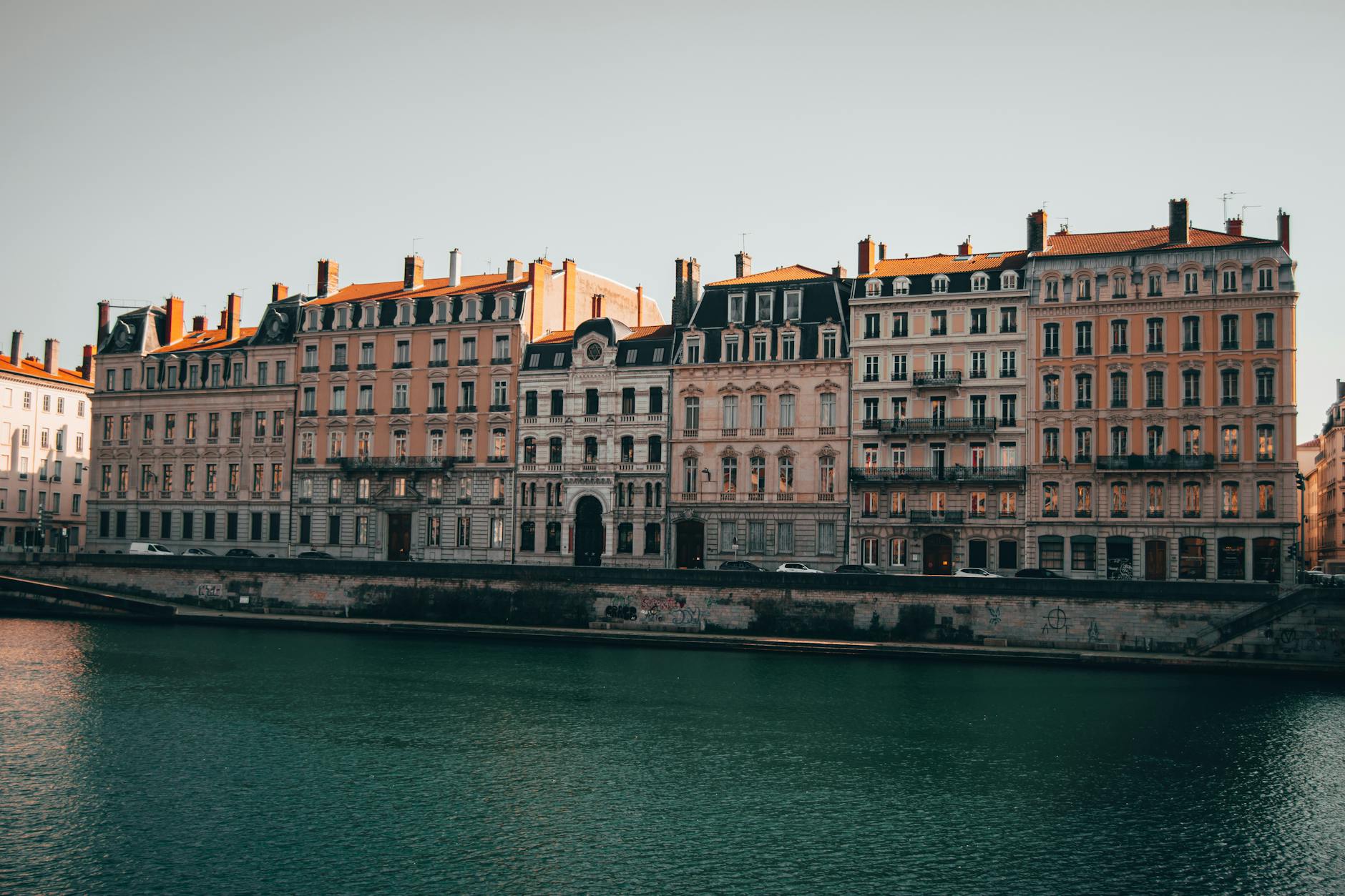
Lyon is excellent for conference networking because dinners, river walks, central cafes, and informal meetings can feel more human than a hotel lobby. That strength can also stretch the attendee too far. A dinner in Vieux Lyon, a reception near the Rhone, a late conversation after a panel, and an early session the next morning can create a demanding rhythm, especially for solo travelers, first-time visitors, or attendees managing jet lag.
The attendee should choose which evening events matter most and plan the return before the evening begins. Bouchons and central restaurants may require reservations. Walking routes can be pleasant but should be checked after dark, especially from station areas, river paths, or quiet side streets. Alcohol, fatigue, language strain, and professional pressure all lower judgment. A good conference plan leaves room for serendipity without making the traveler dependent on it.
- Select the highest-value dinners, receptions, and informal meetings instead of saying yes to everything.
- Reserve important meals and keep the return route aligned with the hotel and next morning's schedule.
- Maintain device, bag, and document control during restaurants, receptions, and late transfers.
When to order a short-term travel report
An academic attendee with a familiar central venue, a simple hotel, and no presentation obligations may not need a custom report. A report becomes more useful when the venue is campus-based, the schedule includes multiple locations, the traveler is presenting or chairing, arrival is same day, the attendee is carrying poster or research materials, reimbursement limits restrict hotel choice, or dinners and meetings are spread across the city.
The report should test the exact venue, campus, hotel candidates, arrival point, session schedule, presentation obligations, transport routes, late-evening return, current disruption signals, and medical or mobility needs. For Lyon, the value is knowing whether the conference should be run as a central-city trip, a Part-Dieu rail trip, a Gerland/Villeurbanne campus trip, or a mixed itinerary that needs more structure than the conference brochure provides.
- Order when venue geography, campus access, presentation duties, arrival timing, or evening networking creates friction.
- Provide exact venue address, hotel options, session duties, arrival details, luggage, poster needs, and mobility or medical constraints.
- Use the report to protect registration, session arrival, presentation readiness, dinner movement, and departure timing.