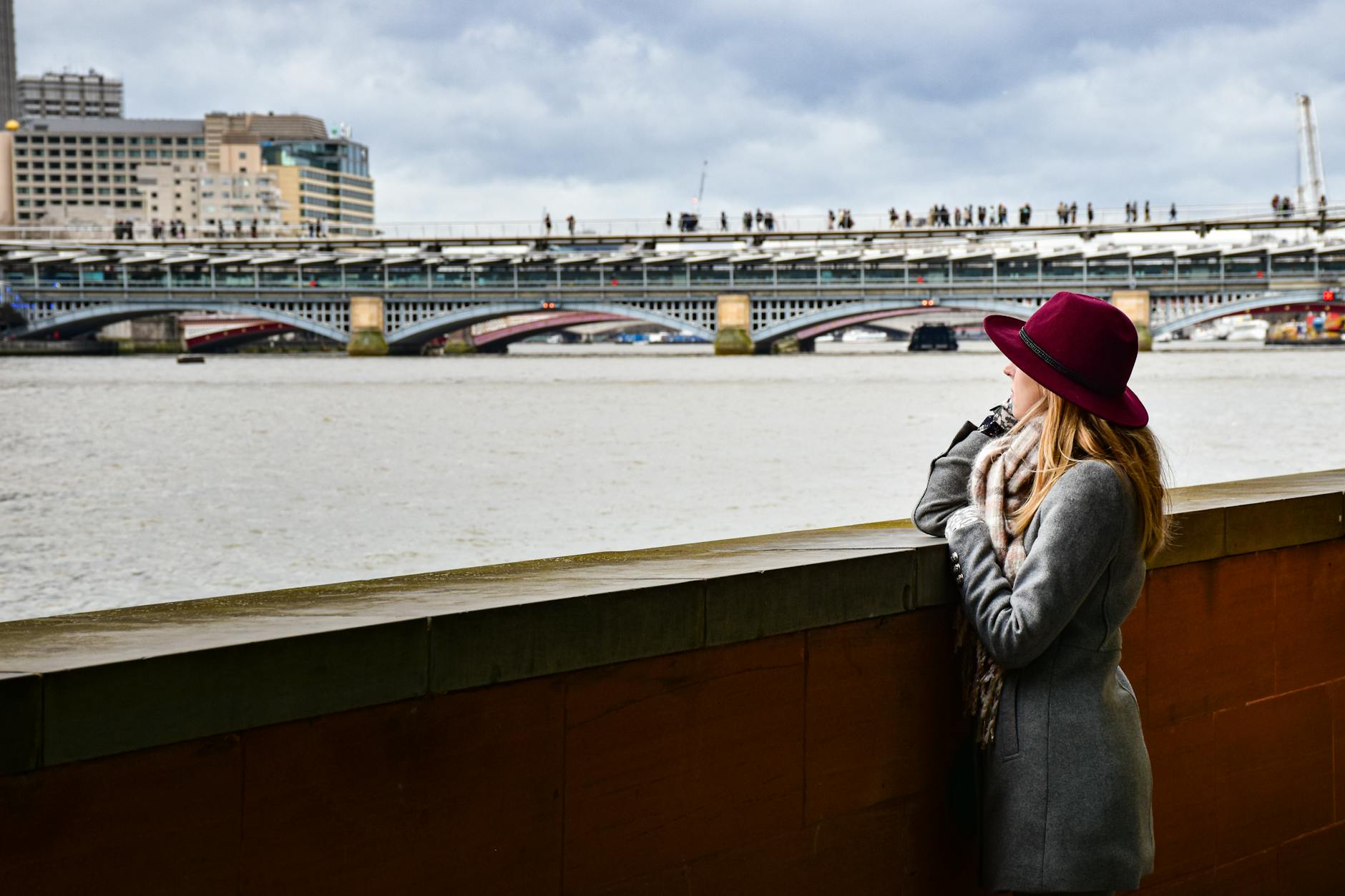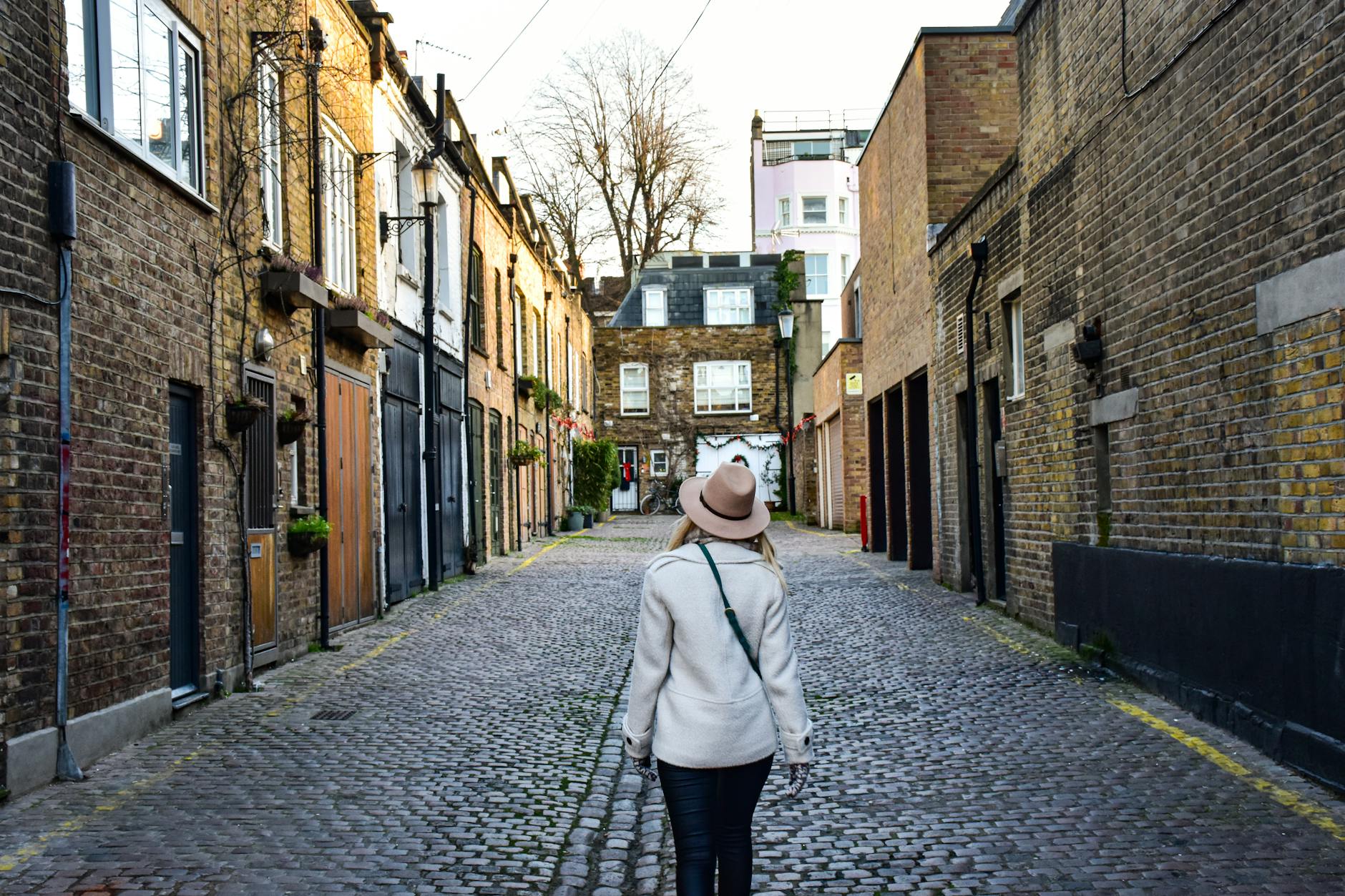
A woman traveling to London does not need a fearful plan. She needs a plan that respects how the city actually works. London can be excellent for women traveling alone, with friends, for work, or for a mixed leisure schedule: public transport is dense, many neighborhoods stay active into the evening, hotels are used to independent guests, and dining, museums, theater, parks, shopping, and walking all work without needing a group. The weak points are more practical than dramatic: late arrivals, the final walk from a station, phone theft in crowded areas, unwanted attention around nightlife, and choosing a hotel district that looks convenient but feels tiring after dark.
Choose a base that protects easy returns
For a woman traveler, the hotel district should be judged by the return, not just the departure. A neighborhood may be attractive in daylight and still create friction at 10:30 p.m. after dinner, theater, a work event, or a delayed train. Strong short-stay bases include Covent Garden, Bloomsbury, Marylebone, South Kensington, Westminster, St. James's, the South Bank, and selected City hotels when the itinerary is business-heavy. The right choice depends on the actual evening plan and the final walk to the door.
A good London base lets the traveler eat nearby, return by more than one route, use a staffed lobby, and avoid standing outside with luggage or a phone while deciding what to do. The hotel does not need to be expensive, but it should not trade away the basics: straightforward station access, a normal street environment, nearby food, and a route that still makes sense when tired.
- Choose the hotel by evening return quality, not only daytime sightseeing convenience.
- Prefer districts with food, transport, and a staffed hotel environment close together.
- Avoid bargain locations that require repeated late transfers or uncertain final walks.
Make arrival boring and pre-decided
The first hour in London should not require improvisation. A tired traveler with luggage is easier to distract and less patient with route changes. Heathrow, Gatwick, Luton, Stansted, and London City can all work, but each airport creates a different arrival problem. The Elizabeth line may be ideal from Heathrow for many central hotels. A pre-booked car may be smarter for late arrivals, heavy bags, poor weather, or a hotel that is not simple by rail. London City can be very convenient for Canary Wharf or some eastern itineraries, but it is not universal.
The decision should be made before the flight: first route, backup route, and the point where the traveler stops trying to optimize and chooses simplicity. If the arrival is after dark, the plan should also include the exact hotel entrance, check-in expectation, and a nearby food option that does not require another long outing.
- Name the airport-to-hotel route before departure, including a backup.
- Use a car when late arrival, weather, or luggage makes rail unnecessarily difficult.
- Keep the first-night food plan close to the hotel.
Use transport confidently, with the last walk in mind
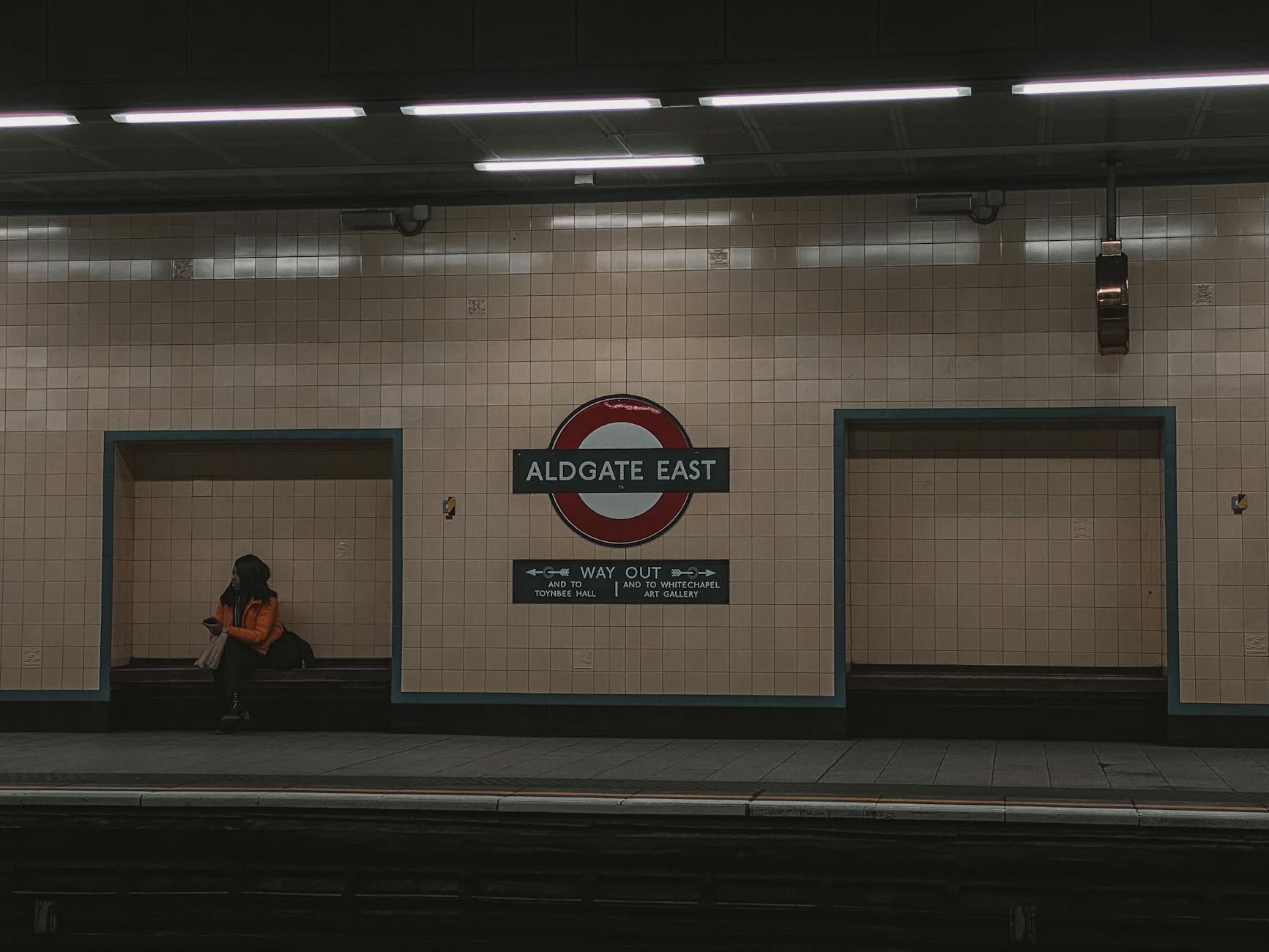
London public transport is one of the reasons the city works well for women travelers. The Tube, Elizabeth line, buses, Overground, Thameslink, black cabs, and walking routes can all be useful. The important question is not whether public transport is safe in the abstract. It is whether a specific route is still sensible at the actual hour, with the actual luggage, shoes, weather, and final walk.
A route with one clean train and a busy exit may be better than a faster route with multiple changes and a quiet final stretch. Buses can be useful at street level, especially for short movements, but traffic can make them slow. Black cabs are worth considering when the final segment is the weak point. The traveler should check the route before entering station flow and avoid standing in busy thresholds with the phone exposed.
- Judge routes by the final walk and interchange burden, not only by travel time.
- Use black cabs or ride-hail when the last segment is the part that feels weak.
- Check directions before entering crowded station areas.
Plan evenings around exits, not anxiety
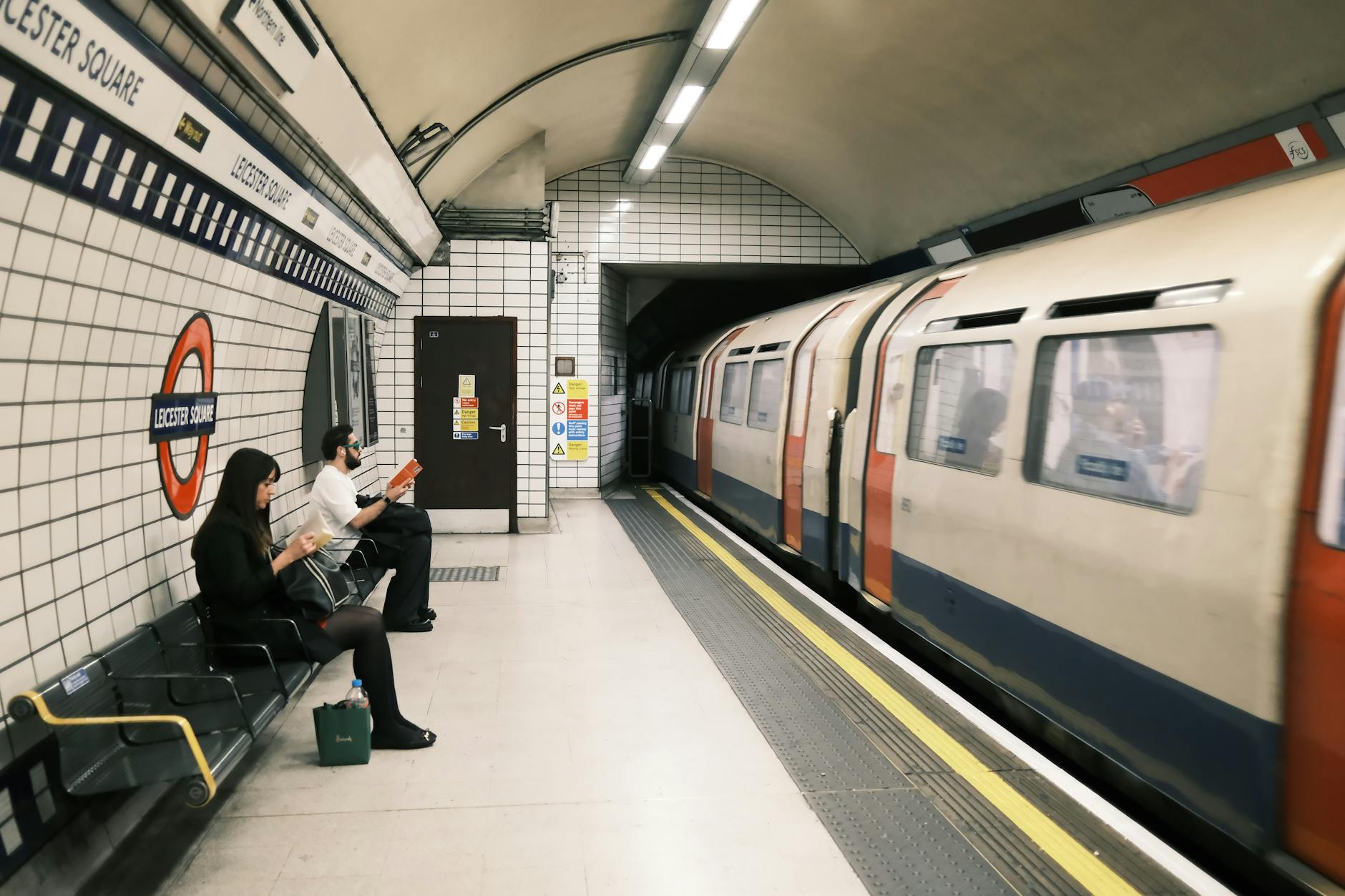
London is very good for evening travel when the plan is coherent. Theater, restaurants, pubs, private clubs, concerts, cinemas, hotel bars, and riverside walks can all be part of a strong short trip. A woman traveler does not need to avoid evenings; she needs to know how the evening ends. The return route, backup ride, phone battery, and threshold for leaving should be clear before the night stretches too late.
Unwanted attention can happen around nightlife, crowded stations, late trains, and streets where people have been drinking. The practical response is not to retreat from the city. It is to choose venues with good exits, keep drinks controlled, avoid real-time location posting, and use transport before fatigue or alcohol makes decision-making worse. A lively area can be safer and easier than a quiet shortcut.
- Know the return route before dinner, theater, or a late event starts.
- Favor visible, staffed, well-used exits over quiet shortcuts.
- Keep enough phone battery for payment, routing, and a backup ride.
Use cafes, meals, and pauses as trip infrastructure
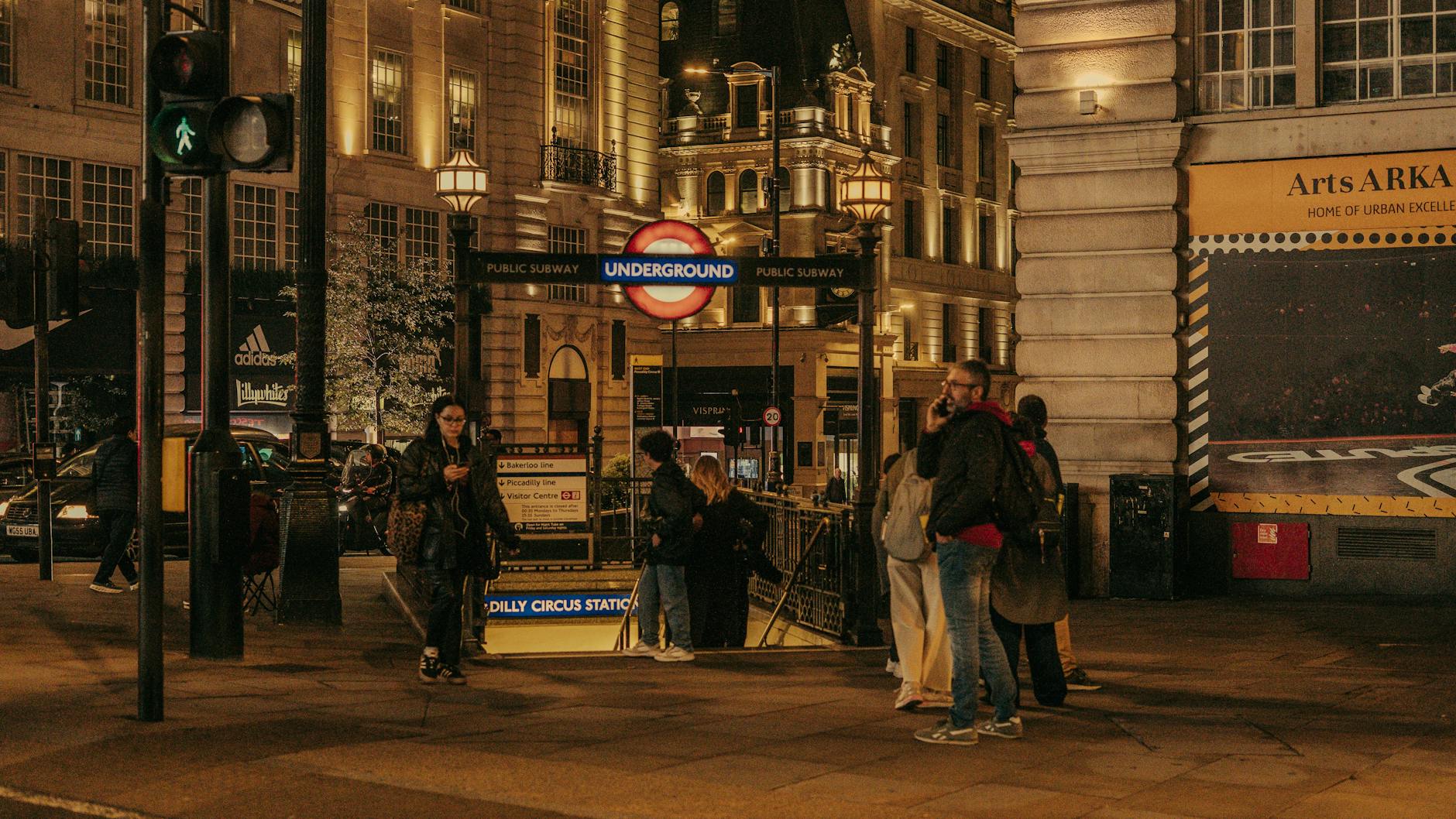
Women traveling alone or with one companion often get more from London when the day includes deliberate pauses. Cafes, bakeries, museum restaurants, hotel lounges, department store cafes, and market lunches can keep the day from becoming one long sequence of streets and trains. They are also practical places to check maps, charge a phone, change plans, or wait out weather without advertising uncertainty on the pavement.
Solo dining is normal in London when the format fits: counter seats, early reservations, museum cafes, Soho restaurants, hotel dining, casual Indian restaurants, wine bars, and food halls all work. The aim is not to hide. It is to choose meals that support the next movement. A late dinner far from the hotel may be perfect on one night and a poor choice after a long arrival day.
- Build in cafe and hotel-lounge pauses for weather, phone checks, and route changes.
- Use counter dining, museum cafes, and early reservations when eating alone.
- Keep first-night and late-night meals near the hotel unless the return is simple.
Keep phone, bag, and visibility deliberate
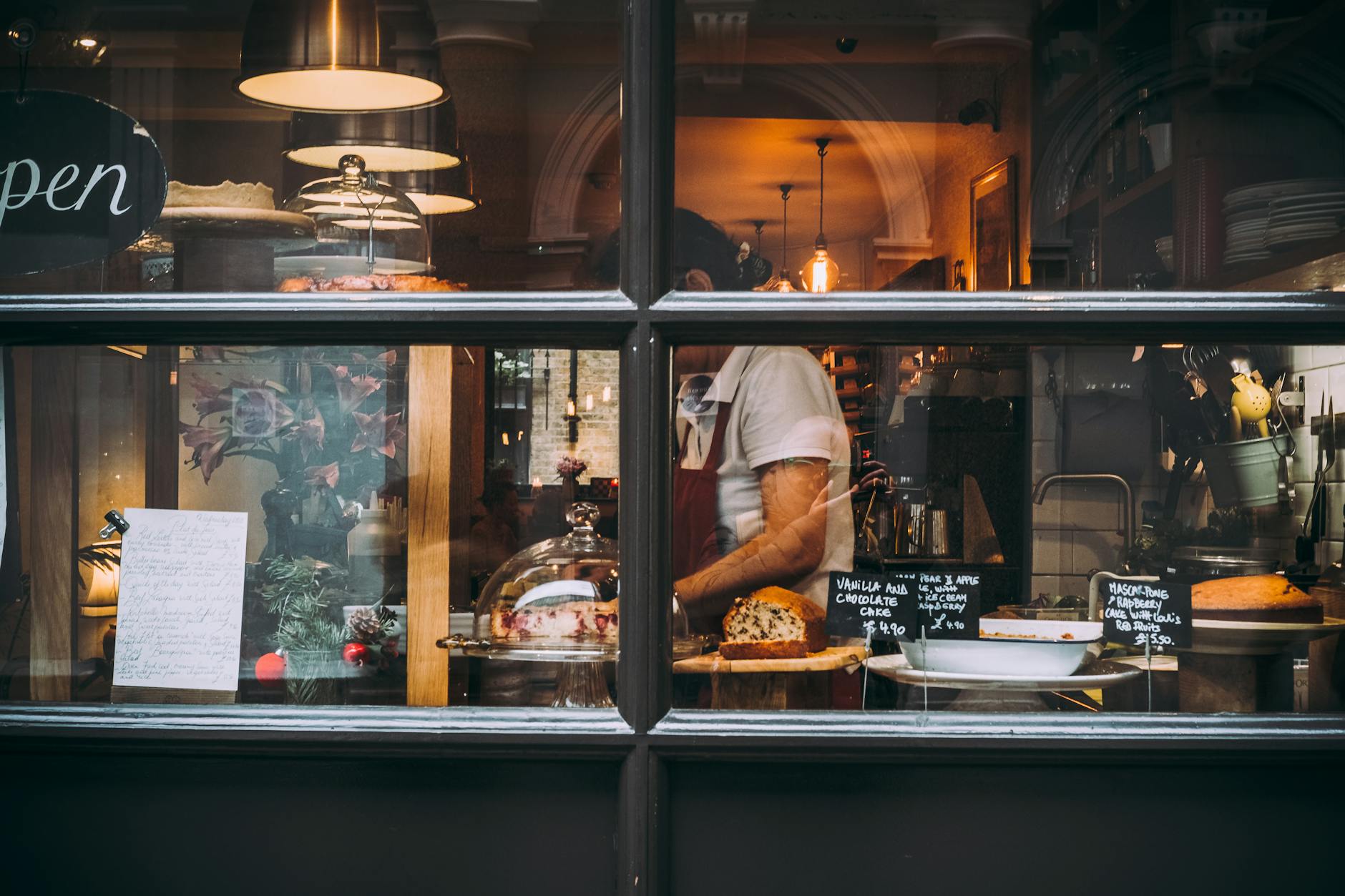
The most common London travel problems for women are usually ordinary urban problems: phone snatching, open bags, distraction in crowds, or too much personal information shared too quickly. Oxford Street, Leicester Square, major stations, bridges, markets, and nightlife zones deserve tighter habits. A phone held loosely at curbside is an avoidable risk. A crossbody or zipped bag used consistently is boring, which is exactly the point.
Visibility also includes digital behavior. Real-time posting from a hotel, restaurant, event, or quiet street can create unnecessary exposure, especially for travelers with public profiles, contentious work, or a visible online presence. Most travelers will never face anything serious, but the habits are easy: post later, share live location only with trusted people, use hotel staff when something feels off, and step into a staffed place before dealing with a complicated message or map.
- Control phone use around curbs, stations, shopping streets, and nightlife exits.
- Use zipped bags and separate passport, daily card, and backup card when practical.
- Post locations after leaving, not while still at the hotel, restaurant, or venue.
When to order a short-term travel report
A confident woman traveler returning to a familiar London base may need only current transport checks and sensible habits. A first visit, late arrival, solo itinerary, public-facing work, nightlife plans, medical or mobility constraints, or a hotel search across unfamiliar neighborhoods makes a custom report more useful. The report should test the hotel area, arrival route, evening returns, food geography, current local signals, and the moments when gendered experience changes what feels practical.
The value is not generic reassurance and not generic alarm. The value is a specific plan: where the traveler should stay, which routes are clean, what to avoid doing with luggage or phone in hand, where evening plans remain easy, and when to spend money for simplicity. A good London plan lets a woman traveler use the city confidently without pretending every choice is equal.
- Order when the trip includes solo movement, late arrival, nightlife, public visibility, or unfamiliar hotel districts.
- Include arrival time, hotel candidates, evening plans, mobility or medical needs, and comfort preferences.
- Use the report to make London easier to move through, not smaller.