A volunteer or NGO traveler going to London should not treat the trip as ordinary tourism with a service element added on. The traveler may be attached to a charity, faith organization, university service program, advocacy group, food distribution project, environmental cleanup, refugee-support organization, social enterprise, or short-term placement with a community partner. London has deep civil-society networks and serious local needs, but it is also a large, expensive, administratively complex city where good intentions do not replace preparation. The key questions are practical and ethical: who is hosting the traveler, where the work actually occurs, what contact with vulnerable people is permitted, how the traveler moves safely, and whether the assignment helps the community more than it burdens the local organization.
Start by vetting the host and assignment
The first question is not where the traveler wants to serve. It is who is responsible for the placement. A legitimate London host should be able to explain the assignment, supervision, safeguarding rules, insurance expectations, background checks, schedule, emergency contact, and what the traveler is not allowed to do. If the role involves children, migrants, survivors, unhoused people, medical vulnerability, faith communities, or legal-advice settings, the standards should be especially clear.
Short-term volunteers can unintentionally create work for local organizations if they arrive without training, boundaries, or realistic duties. The traveler should ask whether the assignment is genuinely useful for the host, whether language or professional skills are required, and whether the work is observation, logistics, outreach, administration, fundraising, clean-up, or direct service. The more sensitive the population, the more important it is to understand the line between helping, observing, and intruding.
- Confirm host legitimacy, supervision, safeguarding rules, insurance, emergency contact, and assignment limits.
- Be cautious with any placement involving children, migrants, survivors, medical vulnerability, or legal-advice settings.
- Ask what concrete task the traveler will perform and how it helps the local organization.

Understand the London neighborhood, not just the cause
London's voluntary sector is deeply local. A food project in Newham, a community program in Southwark, a church-linked outreach in Westminster, a refugee-support office in Hackney, a charity shop in Camden, and an environmental project along a canal all create different routines and expectations. The traveler should learn the neighborhood around the assignment, including arrival route, local transport, lunch options, toilets, after-dark return, and where staff recommend waiting or not waiting.
The cause may be global, but the work happens on a street, estate, office floor, community hall, market, park, school, warehouse, or place of worship. A traveler who understands the immediate area is less likely to arrive late, dress badly for the task, misread local norms, or require avoidable support. The goal is respectful usefulness: move through the area like a prepared guest, not a short-term visitor who expects the community to orient them constantly.
- Map the exact worksite, nearest station, bus options, lunch, toilets, and after-dark return route.
- Ask local staff about neighborhood norms rather than relying on broad assumptions about London.
- Treat community halls, markets, estates, parks, offices, and places of worship as different work settings.

Choose housing around reliability and boundaries
Volunteer housing may be arranged by the host, the traveler's school, a faith group, a hostel, a homestay, or the traveler independently. The housing choice should support punctuality, rest, personal security, and clear separation between service time and private time. A cheap bed far from the placement can become a daily burden. A residence too close to the served community may be inappropriate if it blurs privacy, boundaries, or the host's local relationships.
The traveler should confirm room type, curfew, kitchen access, laundry, storage, visitor policy, accessibility, late-entry process, and who can help if something goes wrong after hours. For group programs, the question is also supervision: who tracks students or volunteers, who approves independent movement, and what happens if one person misses a return time? Housing is not just logistics. It shapes whether the traveler can show up rested and keep the service relationship healthy.
- Check commute reliability, late-entry rules, storage, laundry, kitchen access, and after-hours support.
- Avoid housing that creates constant lateness, exhaustion, or blurred boundaries with the served community.
- For groups, clarify supervision, check-ins, independent movement rules, and missed-return procedures.

Respect safeguarding, privacy, and documentation rules
Safeguarding is not optional etiquette. It is central to many London charity and NGO settings. The traveler may face rules about photography, names, social media, physical contact, gift-giving, one-on-one conversations, home visits, translation, cash handling, personal phone use, and contact after the placement ends. These rules protect vulnerable people, local staff, and the traveler. They should be understood before the first day, not discovered after a mistake.
Documentation also matters. Some placements require identity checks, references, training, DBS-related screening, insurance, waivers, or proof of right activity under the traveler's visa or visitor status. A short-term traveler should not assume that unpaid work is automatically simple. If the host is vague about safeguarding or documentation, that is a planning warning, not a detail to fix on arrival.
- Clarify rules for photos, names, social media, gifts, contact, home visits, and one-on-one conversations.
- Confirm identity checks, training, insurance, waivers, and any screening before travel.
- Do not treat unpaid status as permission to ignore host, visa, or safeguarding requirements.
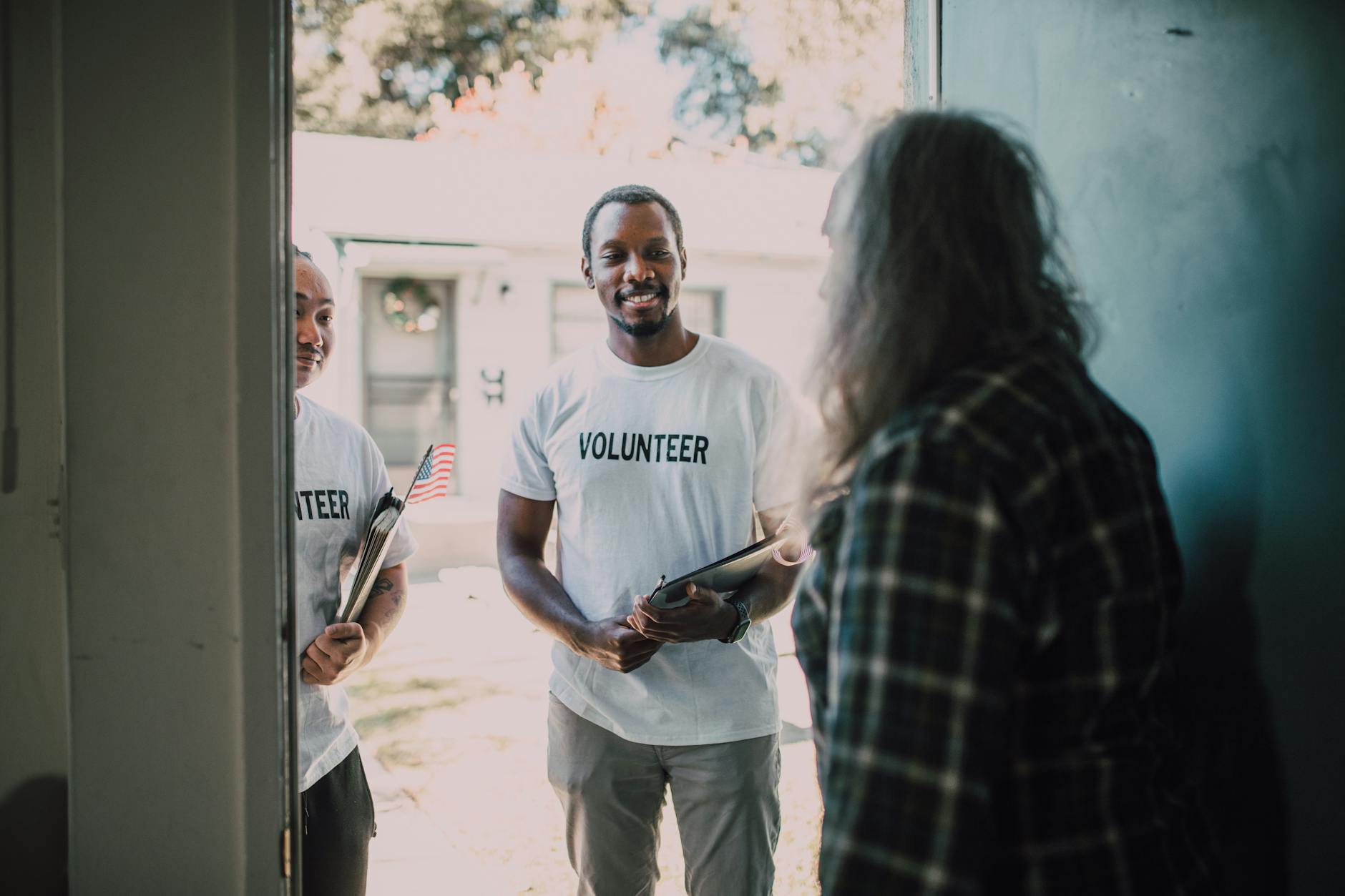
Plan daily transport for irregular service hours
Volunteer schedules often do not match office schedules. A traveler may start early for food distribution, travel midday between sites, finish after an evening session, or carry supplies that make crowded transport awkward. London transport can work well, but the route should be checked against the actual service hours, not a generic daytime map. The right choice may be Tube, Elizabeth line, bus, walking, bike, taxi, or a host-arranged ride depending on location and task.
The traveler should know the primary route, backup route, last practical return, and when to stop economizing. A late bus route through an unfamiliar area may be acceptable for a confident adult and poor for a younger volunteer. A taxi may be worth it after a difficult evening shift. Carrying boxes or materials may change a route that would otherwise be easy. Transport planning should protect both safety and reliability.
- Check routes for actual start and finish times, not just normal daytime travel.
- Know the backup route and the moment when a taxi or host-arranged ride is the better choice.
- Account for supplies, weather, fatigue, and group supervision when choosing transport.

Prepare for emotional load and role limits
Volunteer and NGO work can be emotionally demanding even when the task looks simple. Food insecurity, homelessness, asylum support, youth work, medical vulnerability, environmental damage, bereavement, addiction, domestic abuse, and poverty are not tourism content. A short-term traveler should be ready to listen, follow staff direction, avoid savior behavior, and understand that some stories are not theirs to repeat.
The traveler should also protect their own capacity. Debriefing, rest, food, quiet time, and a realistic social schedule matter. A person who overextends themselves may become less useful, more emotionally reactive, or more likely to cross boundaries. The best short-term volunteers are humble, punctual, prepared, and clear about the limited role they are there to play.
- Treat vulnerable people's stories as private, not as material for social media or casual retelling.
- Follow staff direction even when the task feels less dramatic than expected.
- Build in food, rest, and debrief time so the traveler remains useful and grounded.

When to order a short-term travel report
A traveler joining a well-run, fully supervised program may need only the host's orientation. A volunteer traveling independently, working with vulnerable people, choosing their own housing, moving between sites, arriving before the group, carrying supplies, or uncertain about safeguarding and neighborhood context should plan more carefully. The report should test host information, worksite geography, housing fit, transport routes, current local disruptions, support contacts, after-hours return, privacy expectations, and practical daily routine.
The value is not a generic charity-travel checklist. It is a placement-aware operating plan that helps the traveler arrive useful, respectful, and stable. A good report can also help families, schools, churches, and small organizations see where the support structure is solid and where the traveler may be relying too much on improvisation.
- Order when host vetting, safeguarding, housing, transport, supervision, or vulnerable-person contact is unclear.
- Include the host, worksite, residence, schedule, age or experience level, group structure, and support contacts.
- Use the report to reduce burden on the local organization and protect the traveler from avoidable mistakes.