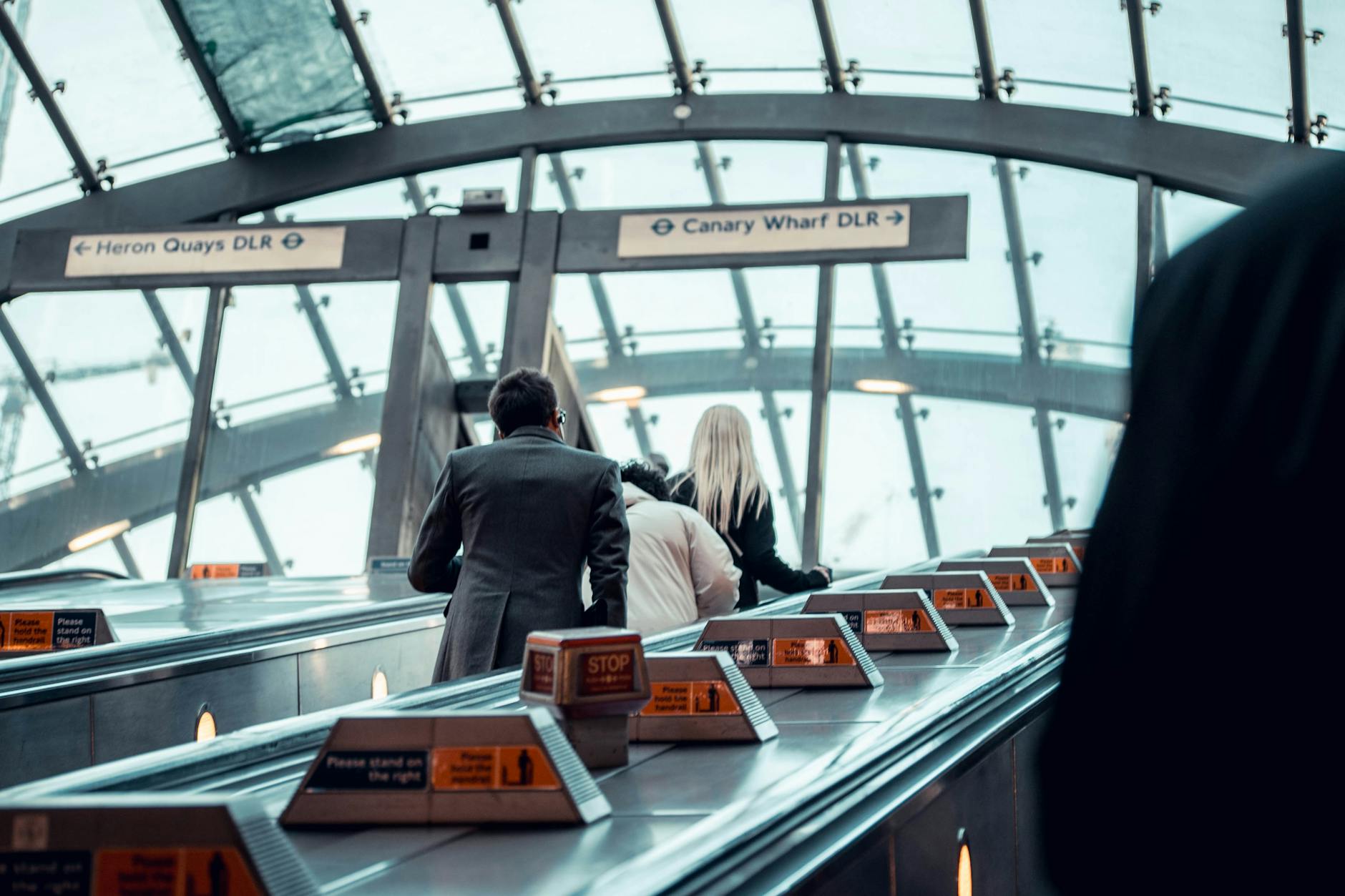
London is both accessible and uneven. A traveler with mobility limitations can have a strong short visit, but only if the plan treats access as a route-by-route issue rather than a general city feature. The Elizabeth line, many major museums, black cabs, river areas, newer stations, and large hotels can work well. Older Tube stations, narrow pavements, cobblestones, temporary works, station lift outages, crowded bridges, and long museum approaches can make a day much harder than it looked on a map. The goal is not to shrink London. The goal is to choose the parts of London that fit the traveler and to know the fallback before access breaks down.
Confirm the hotel beyond the accessibility checkbox
A hotel marked accessible is not automatically right for a traveler with mobility limitations. The useful questions are specific: Is there step-free access from the street to reception? How far is the room from the lift? Does the lift serve every relevant floor? Is there a true walk-in shower or only a low tub? Can a taxi or black cab stop close to the entrance? Is the pavement outside flat enough for the traveler's actual needs? Can the hotel store mobility equipment or help with deliveries?
Neighborhood choice matters just as much. South Kensington, Westminster, Bloomsbury, South Bank, Marylebone, Paddington, and selected Elizabeth line-connected areas can work well, but each hotel must be checked against the itinerary. A charming room in an old building can become a daily obstacle. A less atmospheric hotel with clear lift access, vehicle pickup, food nearby, and a simple route to the first two days may be the better London choice.
- Confirm step-free entrance, lift reach, shower type, room distance, and vehicle pickup before booking.
- Choose the hotel by access to the actual itinerary, not by centrality alone.
- Avoid old-building charm when stairs, narrow corridors, or unreliable lifts would control the trip.
Plan transport by step-free reality
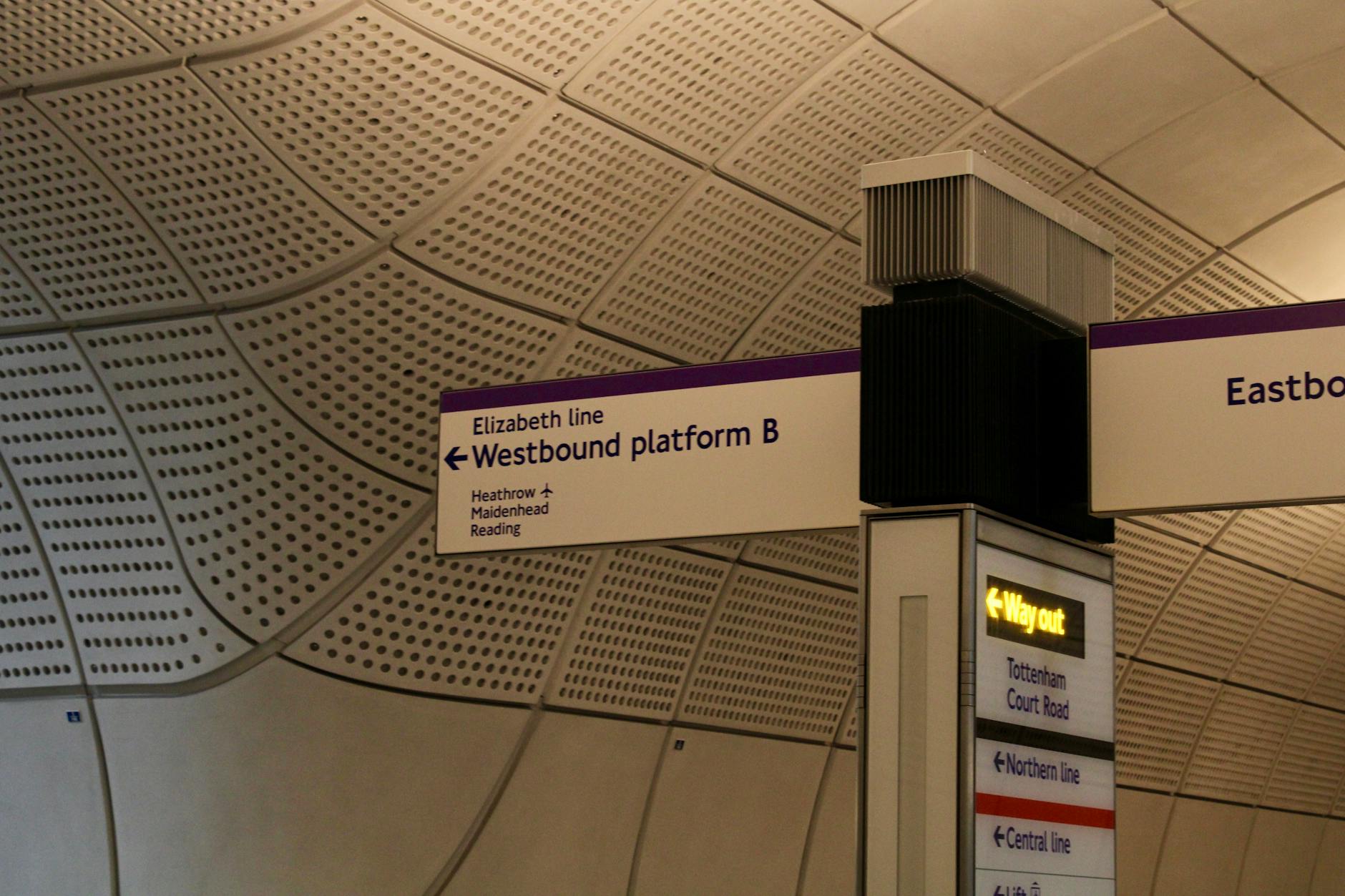
London's transport map can be misleading for mobility planning. The Elizabeth line is often more comfortable and step-free than older Tube lines, but the station walk can still be long. Some Tube stations have lifts; many do not. Some interchanges are technically possible but exhausting. Buses avoid station stairs but can be slow and crowded. Black cabs can be extremely useful, but road congestion and pickup location still matter. A good plan chooses the right mode for each movement instead of assuming one system solves everything.
The traveler should identify critical routes before leaving the hotel: airport to hotel, hotel to first major site, evening return, and any timed ticket or meal. For each, the plan should name the primary route and the fallback if lifts are out, rain changes pavement quality, crowds build, or fatigue arrives earlier than expected. The fastest route on a transport app is not always the most accessible route in the body.
- Check step-free station status and interchange burden for every critical route.
- Use the Elizabeth line, buses, black cabs, and walking selectively rather than ideologically.
- Keep a fallback for lift outages, bad weather, event crowds, and fatigue.
Use black cabs as a strategic tool
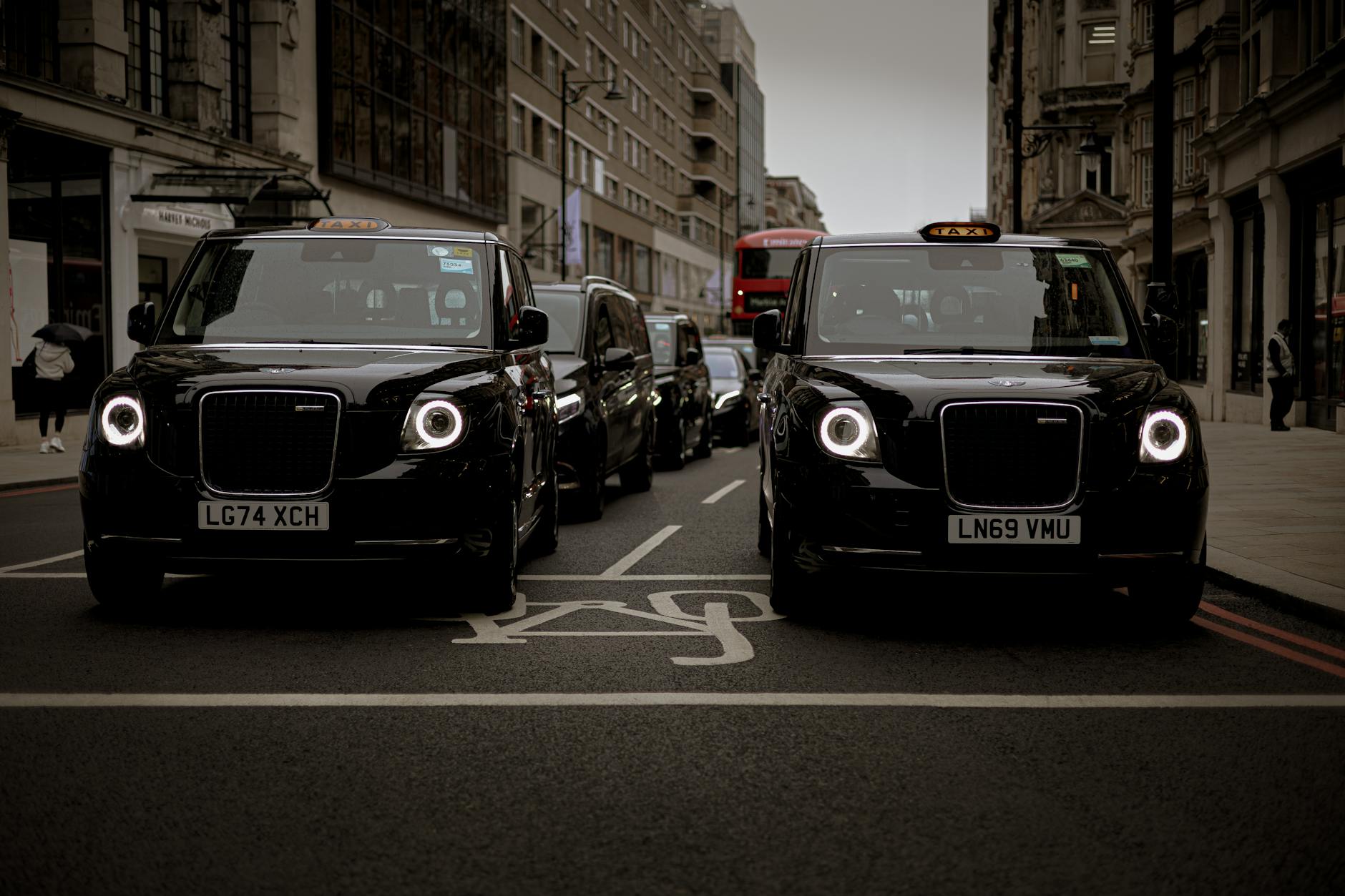
London black cabs can be valuable for travelers with mobility limitations because they reduce transfers, stairs, exposure to weather, and uncertainty around the final approach. They are not always the cheapest or fastest option, but they can be the most practical option when the traveler has luggage, uses a mobility aid, needs to conserve energy, or is returning after a long day. The point is not to use taxis constantly. The point is to decide when a cab protects the rest of the itinerary.
Vehicle planning should be realistic. Some streets are better for pickup than others. A museum, theater, hotel, or restaurant may have a better pickup point around the corner than at the formal entrance. Rain, events, road closures, and rush hour can affect availability and timing. For a traveler with limited standing tolerance, the pickup point matters as much as the vehicle.
- Use black cabs for luggage, late returns, bad weather, or transfers that would otherwise require stairs.
- Identify practical pickup points near hotels, restaurants, museums, and theaters.
- Do not wait until exhaustion to switch from public transport to a cab.
Choose attractions by entrance and internal distance
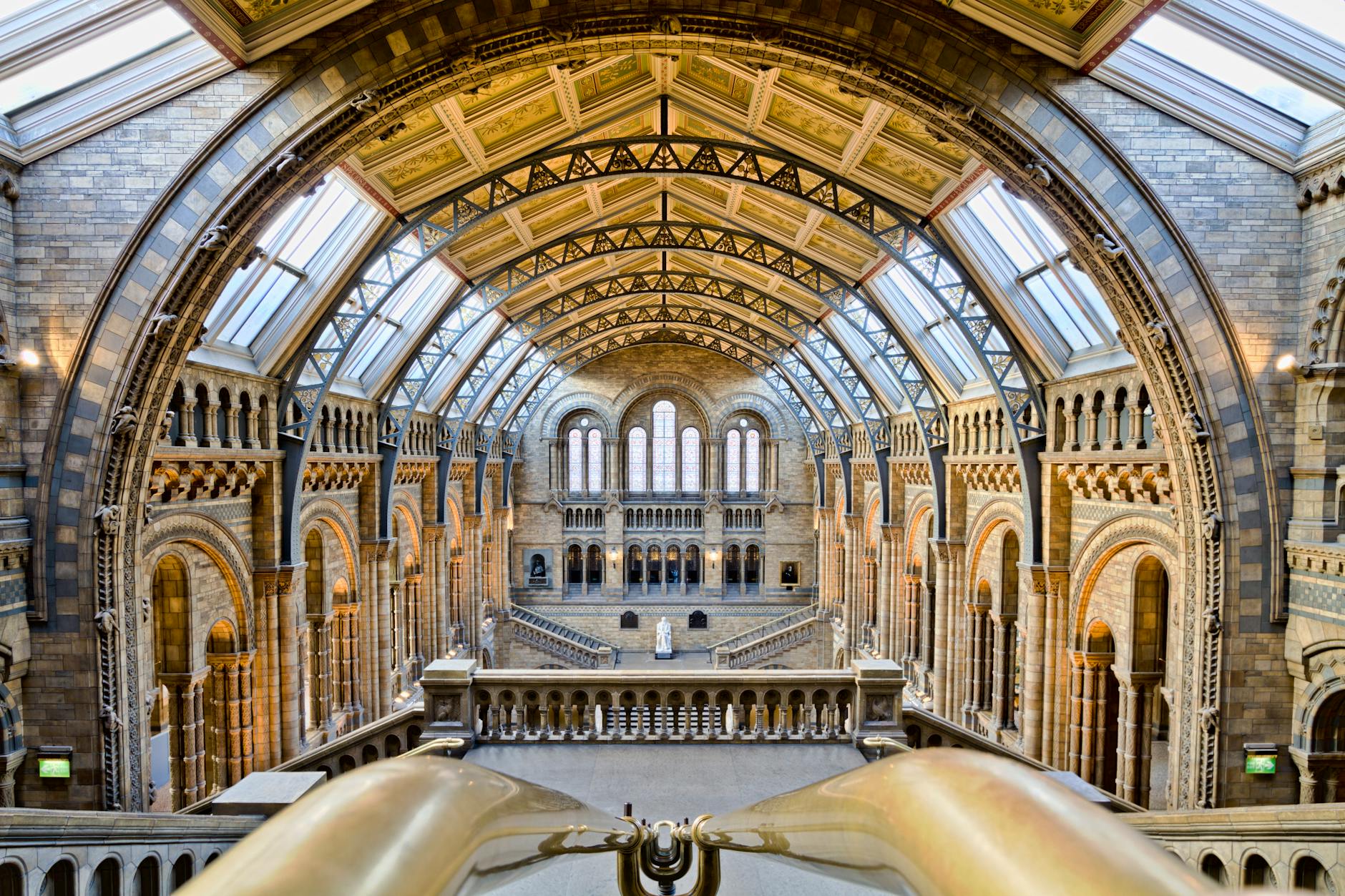
Many London attractions are workable for travelers with mobility limitations, but the entrance and internal movement can matter more than the attraction name. The British Museum, V&A, Natural History Museum, Tate Modern, National Gallery, Tower of London, Westminster Abbey, South Bank, parks, and theaters each have different access patterns. Some have strong access support but long distances inside. Others have historic fabric, uneven surfaces, busy approaches, or timed entry points that require careful arrival.
The traveler should check access pages before buying tickets, but should also think operationally: Which entrance is step-free? Where are lifts? Is seating available? How far is the nearest accessible toilet? Can the traveler leave and re-enter? Is the surrounding pavement comfortable? A famous attraction may still be worth it, but it should not be scheduled as if access begins only after the ticket scan.
- Check the specific accessible entrance, lift locations, seating, toilets, and re-entry rules.
- Account for internal distance inside museums, galleries, stations, and historic sites.
- Use one major access-sensitive attraction per day rather than stacking several demanding sites.
Make pavements, queues, and weather part of the plan
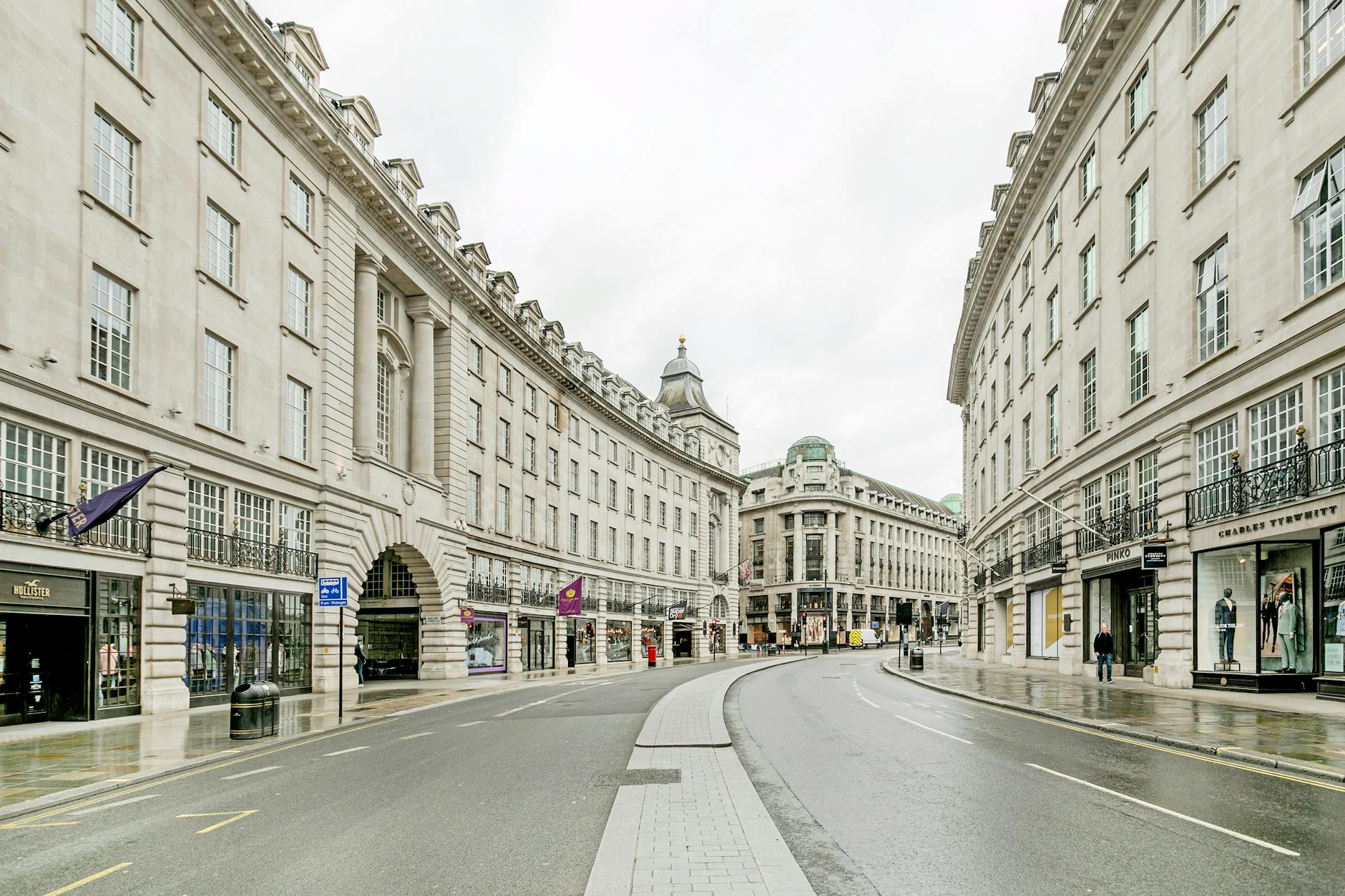
Mobility friction in London often happens between official access points. A station may be step-free, but the pavement outside may be crowded or uneven. A museum may have an accessible entrance, but the approach may involve queues or long crossings. A hotel may have a lift, but the surrounding area may be difficult in rain. Cobblestones, construction works, curb cuts, bridge crowds, narrow shopfronts, and temporary event barriers can all shape the day.
Weather also changes access. Wet pavements, cold wind, heat inside stations, and sudden rain can turn a manageable route into a draining one. The itinerary should include places to sit, indoor pauses, short taxi hops, and the permission to drop one activity before the traveler is already depleted. London rewards mobility-aware pacing more than heroic persistence.
- Account for pavement quality, crossings, queues, construction, and bridge crowds.
- Build indoor pauses and seating opportunities into each day.
- Treat rain, cold, and heat as access variables, not just weather details.
Use parks and river areas with route discipline
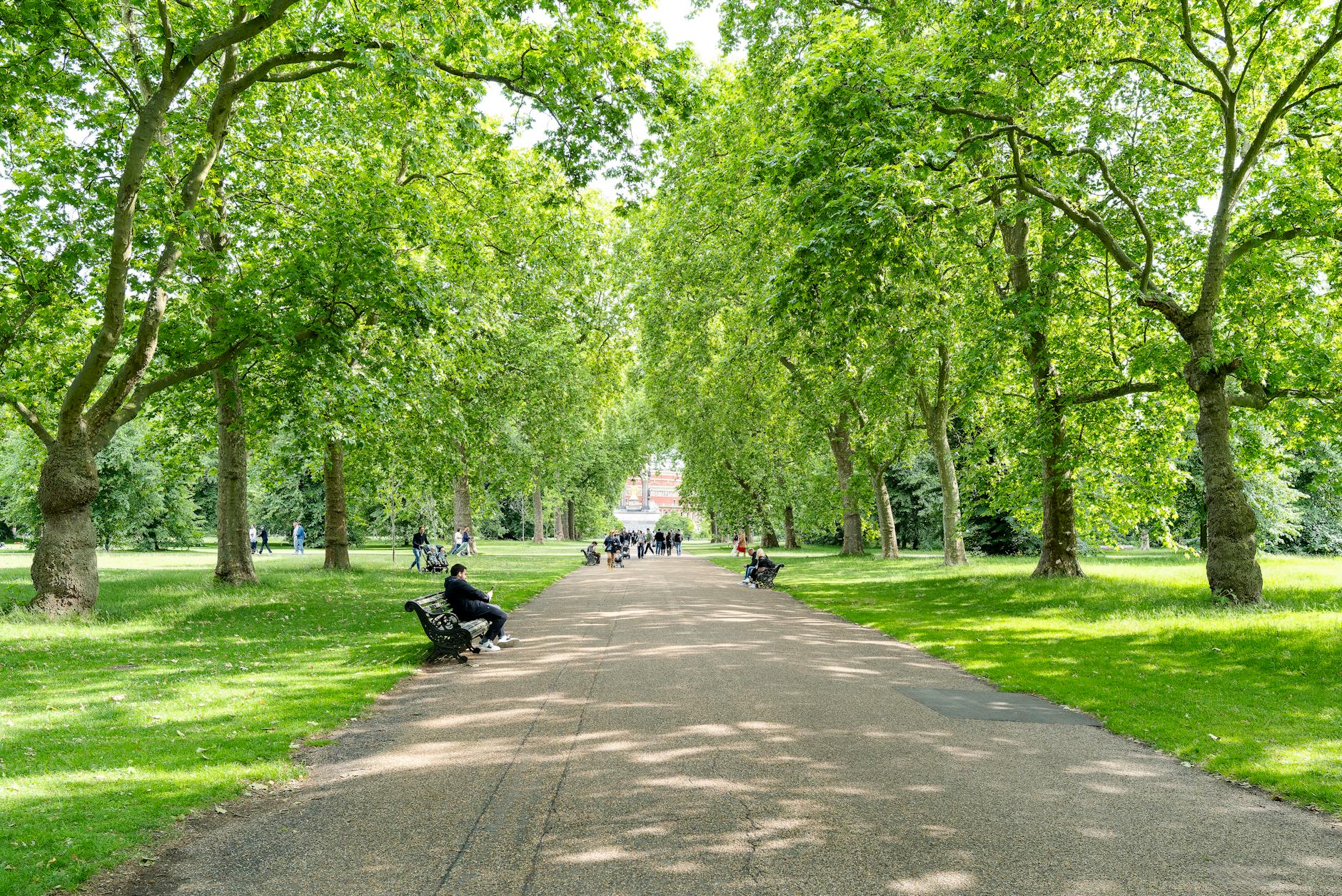
London's parks and river walks can be excellent for travelers with mobility limitations when the route is chosen carefully. St. James's Park, Hyde Park, Kensington Gardens, Regent's Park, Greenwich Park, the South Bank, and parts of the Thames Path can offer open space, benches, views, and a lower-pressure break from museums and streets. They can also involve slopes, long distances, gravel, crowded bridges, or exits far from the next transport option.
A mobility-aware park or river plan should define the start point, endpoint, seating options, toilet access, and bailout route. The traveler should not assume an open green space is automatically easy. A shorter route with better benches and taxi access can be more enjoyable than an ambitious scenic walk that leaves the traveler stranded halfway between stations.
- Choose parks and river walks by surface, slope, seating, toilets, and exit options.
- Use shorter scenic segments rather than long open-ended walks.
- Know the nearest taxi pickup or step-free station before starting a park or river route.
When to order a short-term travel report
A traveler with mild mobility limits and a familiar London base may need only basic access checks. A traveler using a wheelchair, scooter, cane, rollator, brace, or limited-distance walking plan should usually be more specific. The report should test the hotel entrance, room setup, step-free transport, attraction access, street conditions, taxi strategy, restaurant approaches, current disruptions, and daily pacing as one connected system.
The value is operational clarity, not generic accessibility language. A useful report can identify which hotel area fits the traveler, which routes are realistic, where the first day should be lighter, which attractions need advance access confirmation, and where black cabs or the Elizabeth line protect the trip. London can work very well for travelers with mobility limitations, but it works best when access is planned before the traveler is standing at the foot of the wrong staircase.
- Order when mobility limits affect hotel choice, station use, attraction access, walking distance, or evening returns.
- Include mobility aid, walking tolerance, stair tolerance, hotel needs, must-see sites, and arrival airport.
- Use the report to prevent access failures rather than improvising around them in the moment.