A medical constraint does not automatically make London difficult. It makes planning more consequential. London has excellent hospitals, pharmacies, transport options, hotels, and visitor infrastructure, but the city is also large, crowded, weather-sensitive, and unevenly accessible at street and station level. A traveler managing medication, fatigue, pain, respiratory sensitivity, food restrictions, mobility limits, recovery from illness, or a chronic condition should not plan the trip as if every neighborhood, station, hotel, and attraction will function the same. The goal is not to make the itinerary timid. It is to preserve the trip by removing the foreseeable weak points.
Start with medication and documentation
The first question is not where to stay. It is whether the traveler can maintain medical continuity from door to door. Essential medication should travel in hand luggage, not checked baggage. The traveler should carry enough supply for the trip plus a delay buffer, keep medication in original packaging when practical, and bring a concise medication list with generic names, dosages, allergies, diagnoses, physician contact, and emergency instructions. Devices, injectables, refrigerated medication, controlled substances, and oxygen-related needs require more deliberate handling before departure.
London has extensive pharmacy and medical resources, but a visitor should not assume a same-day replacement will be simple. Brand names differ, prescriptions may not transfer cleanly, and travel insurance or private clinic access may shape the fastest path to care. The plan should include what cannot be missed, what can be replaced locally, and what documentation is needed if border, airline, hotel, or clinical staff ask questions.
- Carry essential medication, prescriptions, and device supplies in hand luggage.
- Use generic medication names, dosages, allergies, diagnoses, and physician contacts in the medical summary.
- Add a delay buffer for medication and consumables, especially for controlled, refrigerated, or specialist items.
Choose the hotel around medical friction
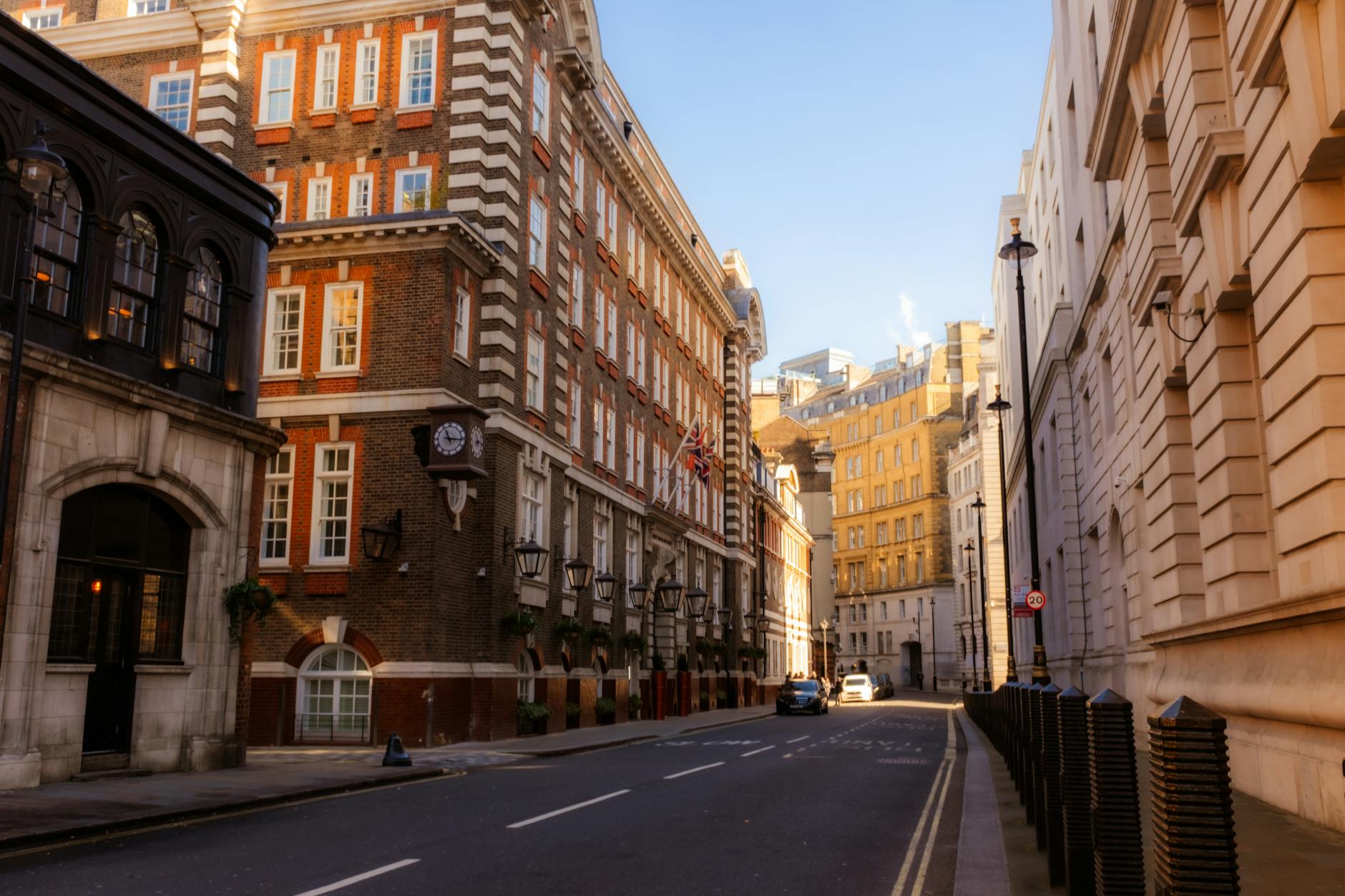
A good hotel for this traveler is not just comfortable. It reduces the number of medically expensive moments in the day. The location should support short walks, reliable food, pharmacy access, straightforward vehicle pickup, and a reasonable path to urgent care or a preferred hospital system. South Kensington, Bloomsbury, Marylebone, Westminster, the South Bank, and parts of the City can all work, but the correct choice depends on the condition, the itinerary, and how much rest the traveler needs between outings.
Room details matter more than they do for an ordinary sightseeing trip. The traveler may need elevator reliability, a walk-in shower, refrigerator access, quiet sleep conditions, air conditioning, proximity to the lift, space for equipment, or a hotel that can receive deliveries. A stylish room up stairs, far from food, or on a noisy street can be the wrong answer even if the address looks impressive.
- Select the hotel by pharmacy access, food options, vehicle pickup, sleep quality, and room requirements.
- Confirm elevator, shower, refrigerator, air-conditioning, and equipment needs before booking.
- Avoid locations that turn every meal, pharmacy run, or return to the room into a long movement.
Treat airport arrival as a health-control decision
Airport arrival can stress a medical constraint before the trip has begun. Long immigration queues, baggage delays, jet lag, dehydration, pain, hypoglycemia, sensory fatigue, or respiratory sensitivity can all change which transfer is appropriate. Heathrow may be simple by Elizabeth line for some travelers, but a pre-booked car can be the better medical decision when the traveler needs fewer transitions, less standing, temperature control, or help with luggage. Gatwick, Stansted, Luton, and London City require the same route-specific test.
The arrival plan should identify the first-choice transfer, the fallback, where the traveler can sit if delayed, and what to do if medication timing or symptoms become an issue en route. A traveler who normally handles rail well at home may still need a simpler option after an overnight flight. The first day should protect recovery, not prove stamina.
- Choose the airport transfer by fatigue, standing tolerance, luggage, temperature control, and symptom risk.
- Pre-book a car when fewer transitions matter more than price or theoretical speed.
- Keep the first day light enough to absorb flight delays or symptom changes.

Do not assume every station is accessible
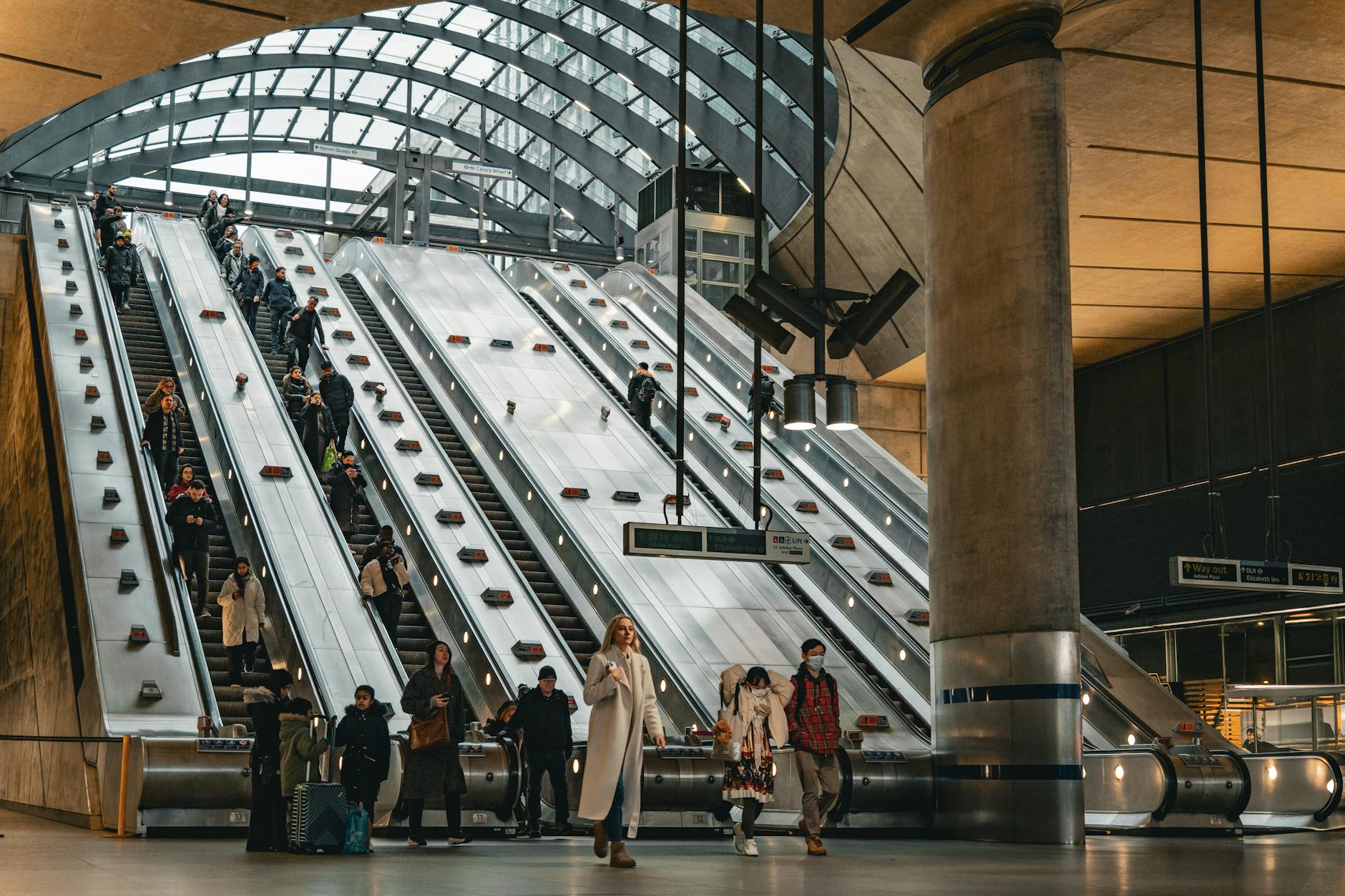
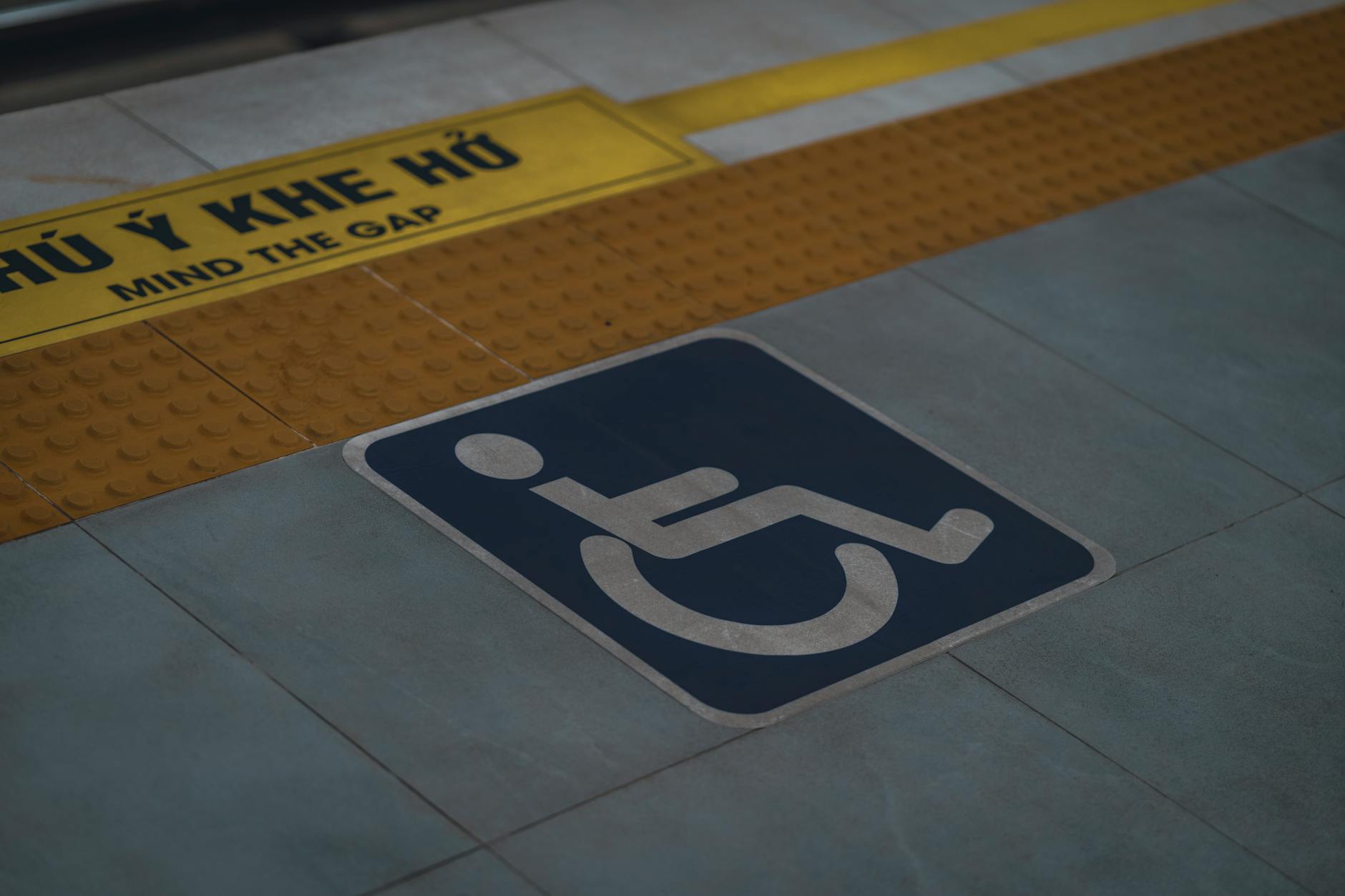
London transport is extensive, but accessibility is uneven. The Elizabeth line and newer stations can be much easier than older Tube lines. Some stations have lifts, some have escalators, some have long corridors, and some still involve stairs that are unacceptable for a traveler with pain, fatigue, mobility limits, balance issues, or luggage sensitivity. Step-free on a map does not always mean effortless in practice; distance inside the station, crowding, lift outages, and the final walk still matter.
A traveler with medical constraints should plan critical routes before leaving the hotel. The fastest route may be the wrong one if it depends on multiple interchanges or a crowded platform. Black cabs, buses, the Elizabeth line, and direct walking routes can all be useful, but each should be chosen for the specific day. The plan should also include a threshold for abandoning public transport and switching to a simpler option.
- Check step-free routing, station distances, lift status, and final walking segments.
- Prefer direct routes over faster routes with multiple interchanges.
- Use black cabs or other door-to-door options when symptoms, weather, or fatigue change the calculation.
Build each day around recovery windows
Medical constraints often make pacing more important than the list of attractions. A traveler may be able to visit Westminster, the British Museum, a theater, and dinner in one day on paper, but not in a body that needs rest, medication timing, stable meals, or reduced crowd exposure. London rewards a slower structure: one anchor activity, one nearby optional activity, and a clear recovery point before the evening.
Recovery windows should be scheduled before the traveler is depleted. Parks, hotel breaks, museum cafes, taxis between dense areas, and early dinners can make the difference between a full trip and a trip lost to exhaustion. Weather also matters. Rain, cold, heat inside crowded transport, pollen, and air quality can all affect symptoms. The plan should have indoor and low-effort substitutions ready rather than forcing the traveler to solve the day while already unwell.
- Use one anchor activity per day, with nearby optional plans instead of distant second acts.
- Schedule rest before symptoms or fatigue peak.
- Prepare indoor, low-effort, and taxi-supported alternatives for bad weather or symptom changes.

Map food, pharmacy, and urgent care before they are needed
A traveler with diabetes, food allergies, gastrointestinal issues, immune concerns, medication timing, or dietary restrictions should not leave meals to chance. London has broad food options, but the useful question is what is available near the hotel, near the day's anchor site, and at the hour when the traveler actually needs to eat. The same applies to pharmacies. Knowing the nearest reliable pharmacy and its hours is more useful than knowing that pharmacies exist somewhere in the city.
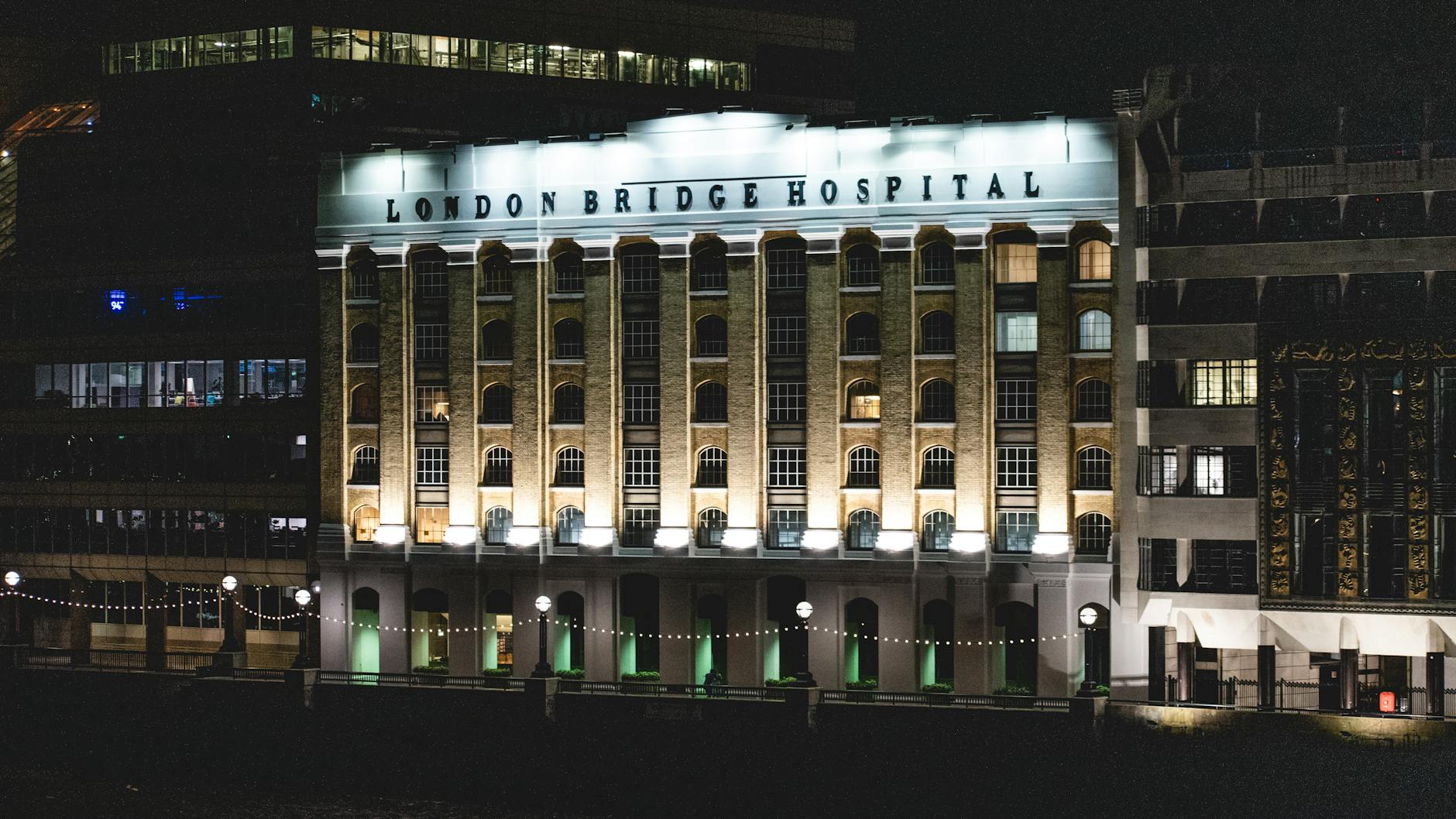
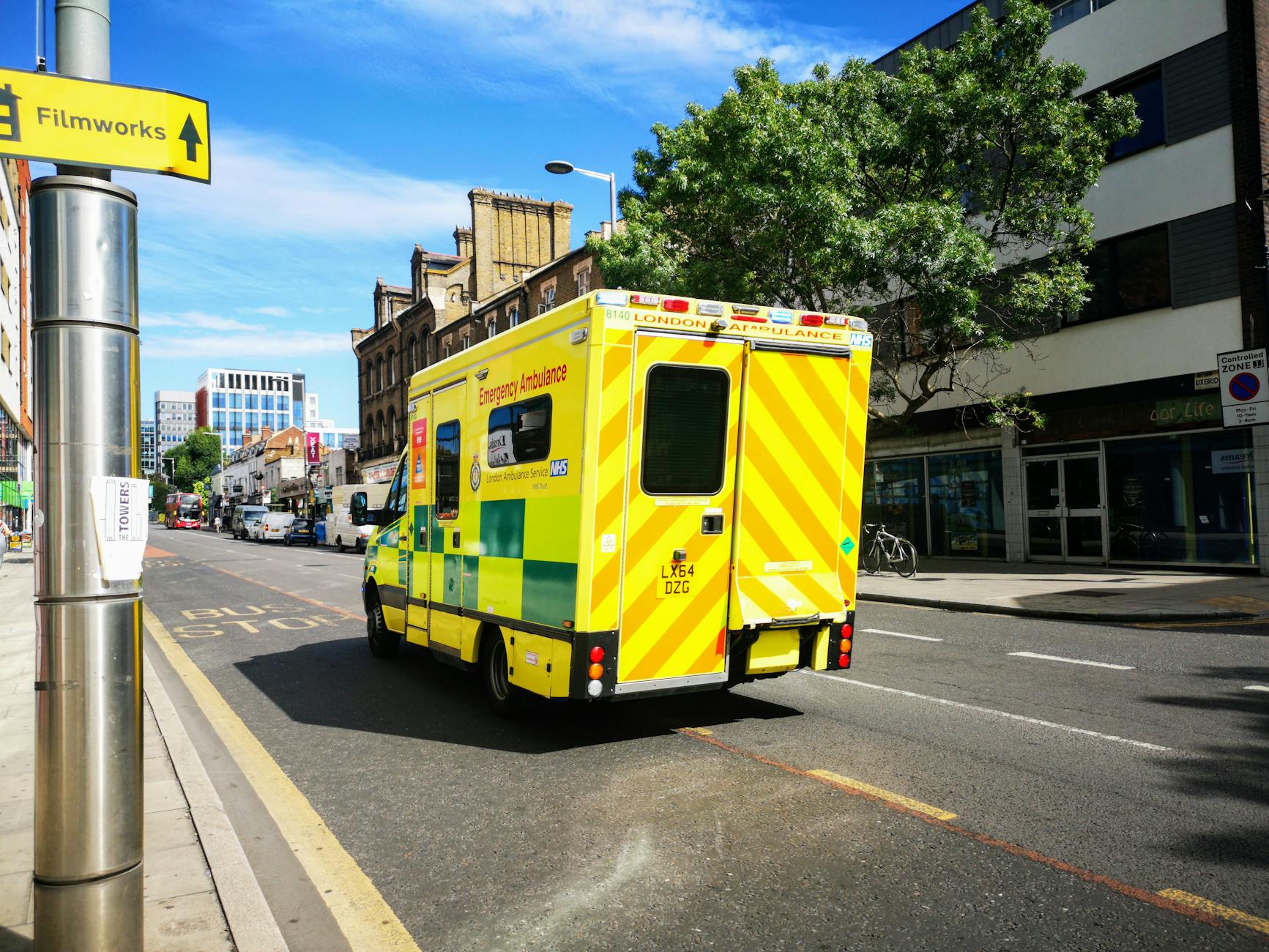
Urgent-care planning should be practical and quiet. The traveler should know whether insurance expects use of private clinics, whether the hotel can help arrange care, where the nearest emergency department is, and when to call emergency services. London has strong emergency and specialist resources, but the traveler should not be searching from scratch while in pain, short of medication, or unsure whether symptoms are escalating.
- Identify near-hotel meals, near-itinerary meals, pharmacy hours, and safe food fallbacks before arrival.
- Know how travel insurance, private clinics, NHS emergency care, and hotel assistance fit together.
- Carry written medical details so care is not dependent on memory during stress.
When to order a short-term travel report
A traveler with a minor, stable condition and a familiar London base may need only ordinary preparation. A traveler with medication complexity, mobility limits, fatigue risk, food allergies, respiratory sensitivity, immune concerns, post-surgical recovery, a late arrival, or multiple timed commitments should plan more carefully. The report should test the hotel district, room requirements, airport route, step-free movement, pharmacy access, food geography, urgent-care options, daily pacing, and current local disruptions together.
The value is not a medical opinion. The value is operational clarity around the trip. A good plan helps the traveler avoid avoidable stress: the wrong station, the wrong hotel room, the wrong first-night transfer, the wrong dinner distance, or the wrong assumption about what will be easy when symptoms change. London can still be rich, active, and enjoyable. It simply needs to be arranged around the traveler as they actually are.
- Order when medical needs affect medication, movement, food, sleep, arrival, or emergency planning.
- Include diagnoses only as relevant, plus medication needs, mobility limits, diet, hotel requirements, and insurance constraints.
- Use the report to reduce operational risk; it is not a substitute for medical advice from a clinician.