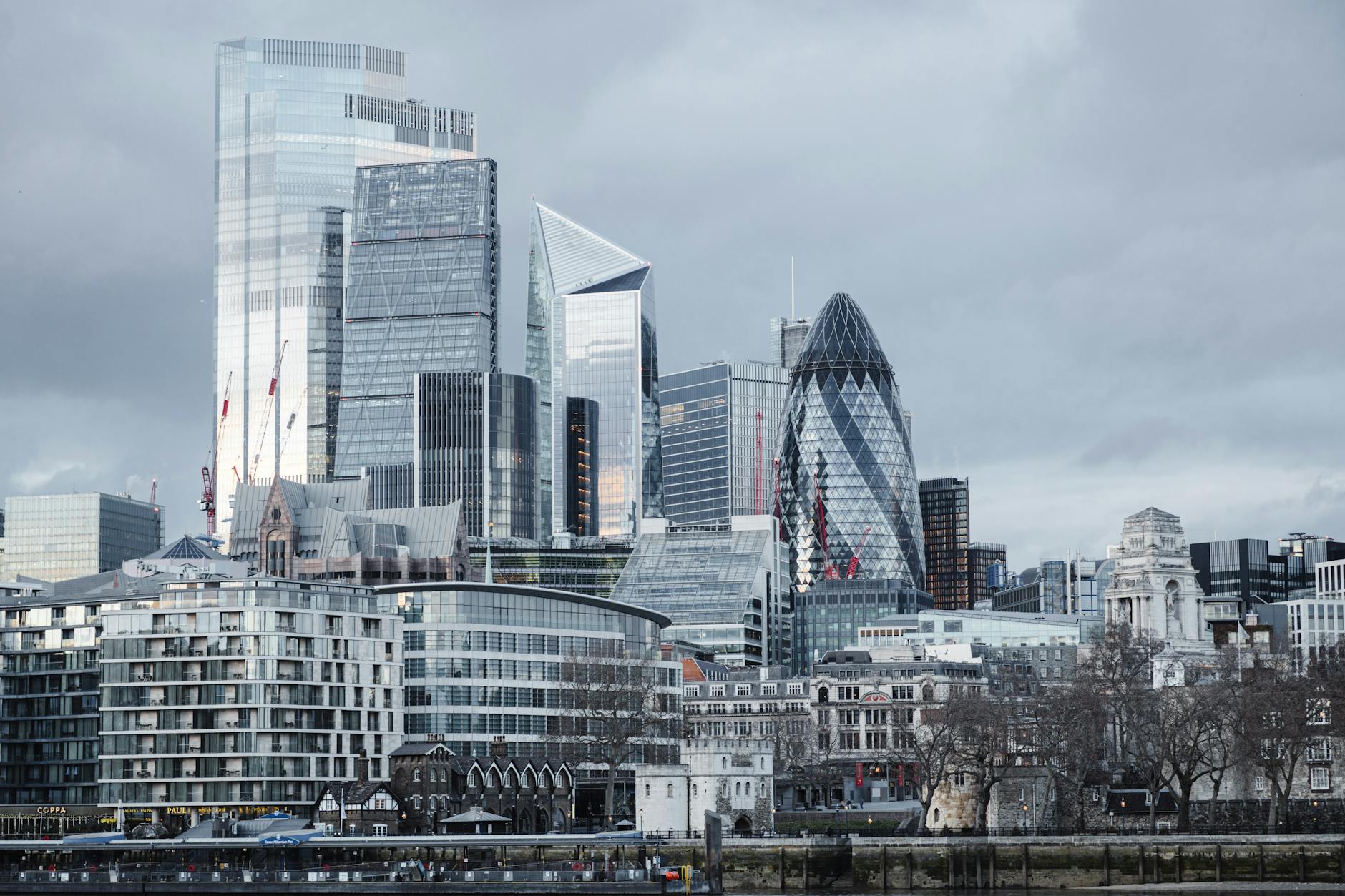
A sales trip to London is not just a string of meetings. It is a compressed commercial campaign inside a city where buyers, partners, prospects, venues, financial districts, hotels, restaurants, and transport routes are spread across several operating zones. The traveler may need to open a relationship in the City, revisit an existing account in Canary Wharf, take a buyer lunch in Mayfair, meet a channel partner near King's Cross, and prepare follow-up before the next morning. The trip succeeds when the traveler is on time, composed, equipped, and close enough to the account plan to convert conversations into next steps. It weakens when London movement, poor hotel choice, missing materials, or tired evening decisions absorb the energy that should go into selling.
Build the trip around the account map
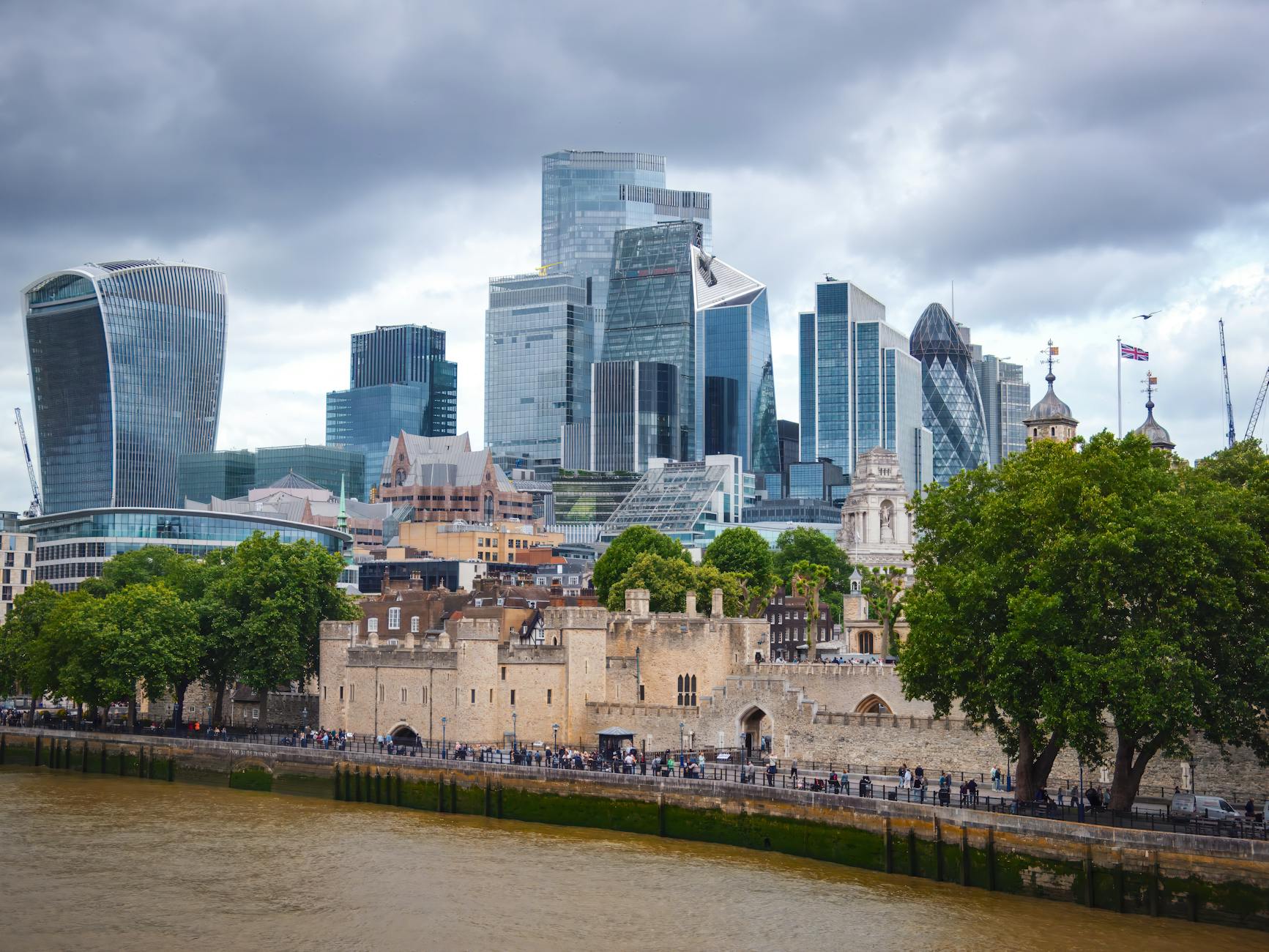
A sales traveler should not treat London as one compact business district. The account map may include the City, Canary Wharf, Mayfair, Westminster, King's Cross, Shoreditch, South Bank, Paddington, Hammersmith, Stratford, or a client campus outside the center. Those locations can be commercially connected but physically awkward. A day that looks efficient on a calendar can become fragile if it asks the traveler to cross London repeatedly between meetings that require full attention.
The first planning pass should rank accounts by commercial value and geography together. A prospect meeting that could change the quarter deserves a stronger buffer than a courtesy call. A buyer lunch should be placed where it does not strand the traveler before an afternoon pitch. If multiple meetings cluster around the City or Canary Wharf, that cluster should shape the hotel and restaurant choices. Sales travel is about momentum, and London punishes routes that scatter momentum across too many districts.
- Map prospects, existing accounts, partner offices, meals, and evening events before booking the hotel.
- Cluster meetings by district when possible instead of chasing a theoretically perfect daily sequence.
- Give the highest-value account the strongest arrival buffer and the least fragile route.
Protect punctuality and first impressions
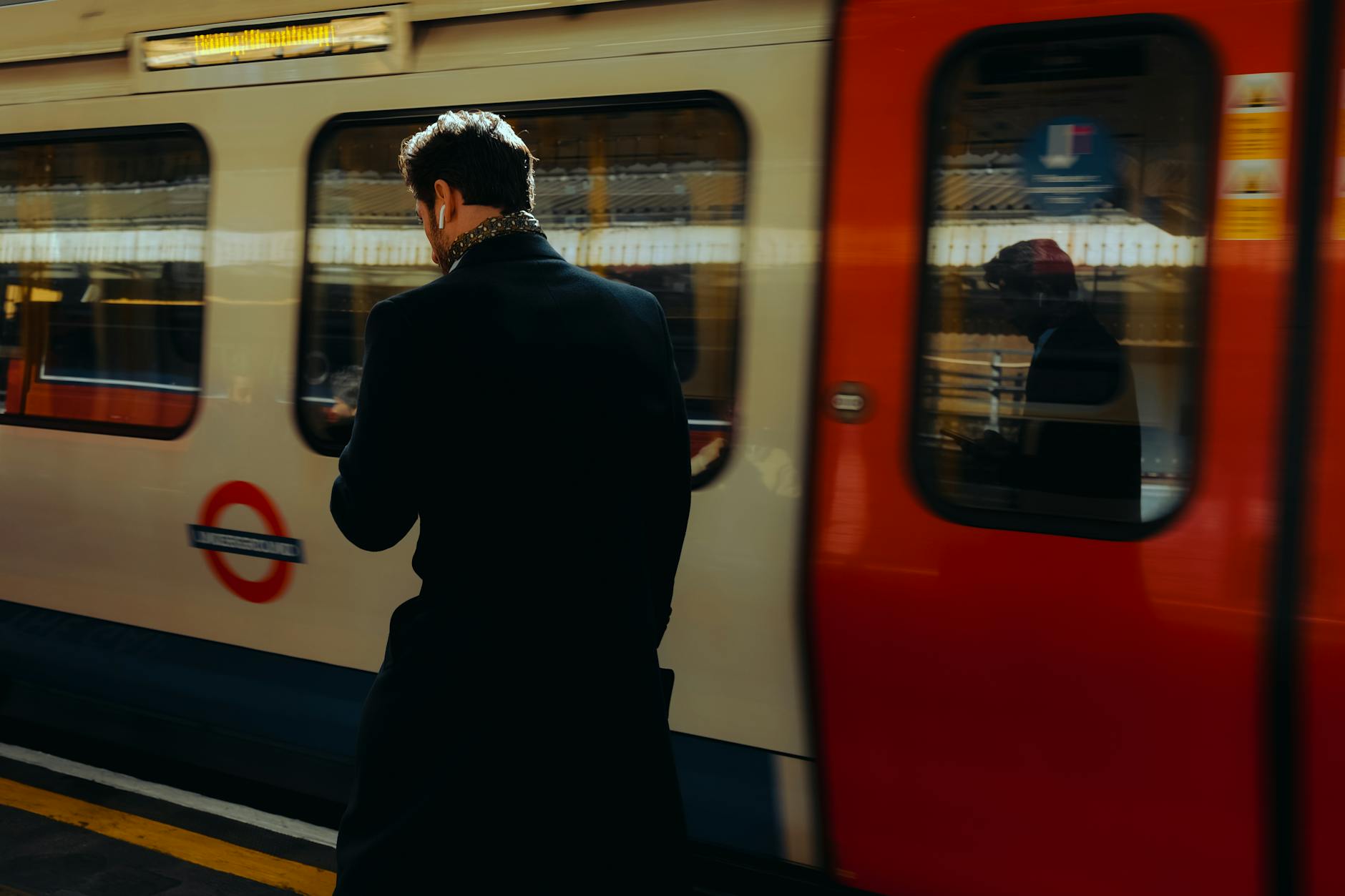
In sales travel, being late is not just a transport problem. It changes the first impression, compresses discovery, and can make the traveler look careless before the commercial conversation begins. London offers good transport, but it also has station crowding, rain, engineering works, industrial action, road congestion, security queues, and office reception procedures that can quietly erode a meeting buffer.
The traveler should plan door-to-door, not station-to-station. That means checking the walk from the station, the building entrance, the visitor-badge process, lift access, and the time needed to settle before presenting. For a major pitch, a car may be appropriate even when rail is cheaper. For a City or Canary Wharf route, the Tube, DLR, Elizabeth line, and walking route may be more reliable than a road transfer. The right choice is the one that makes the traveler composed at the meeting table.
- Plan arrival to the client's reception desk, not merely to the nearest station.
- Check disruptions before each high-value meeting and keep one credible fallback route.
- Use the transfer mode that protects composure, punctuality, and materials, not the one that looks best in isolation.
Treat pitch materials as mission-critical cargo
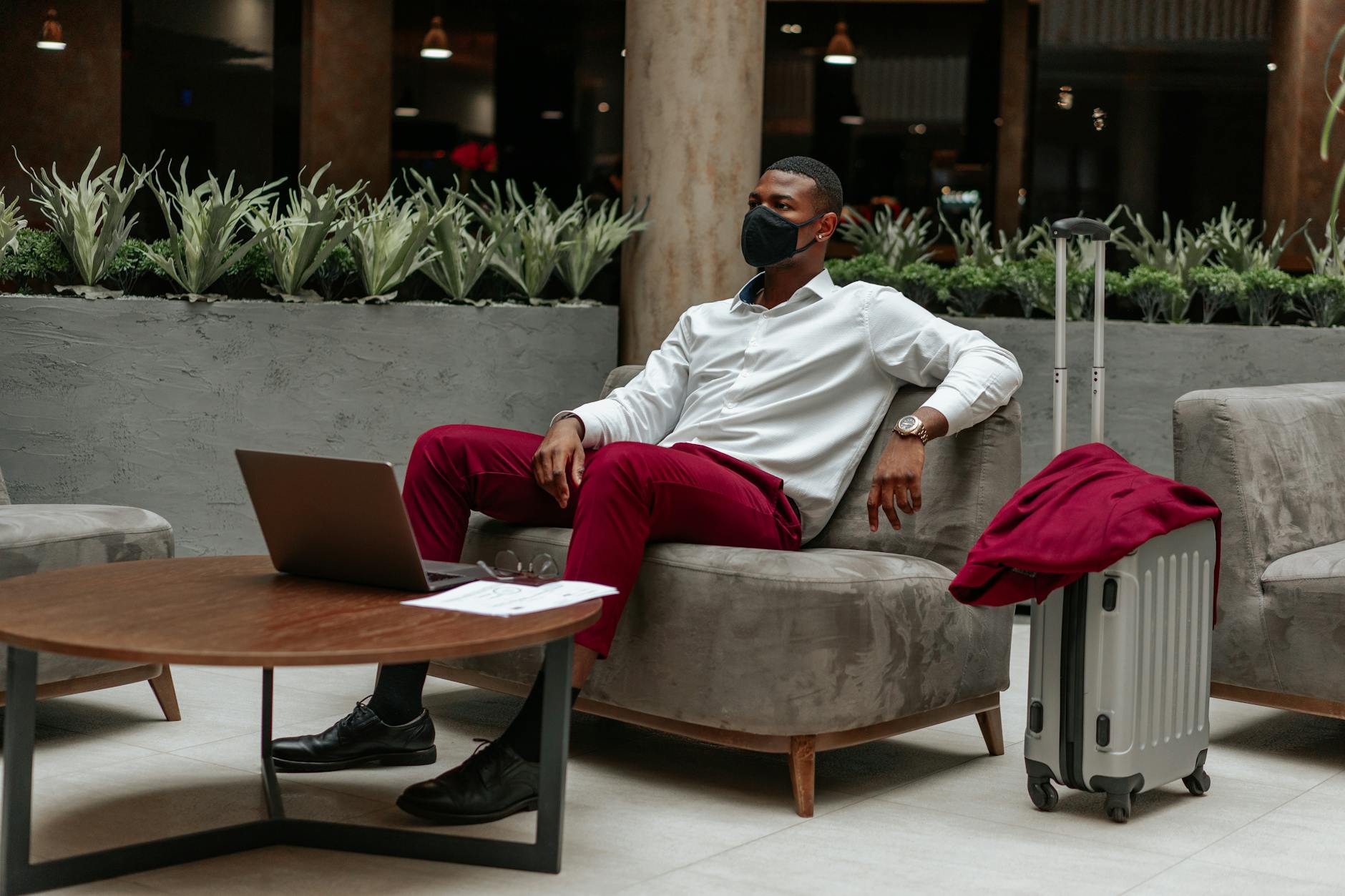
Sales travelers often carry more operational risk than they admit: demo devices, sample products, printed leave-behinds, contracts, chargers, adaptors, proposal decks, pricing sheets, customer references, event badges, and follow-up notes. A missing adapter or a dead laptop can change the texture of a buyer meeting. A sample case can make rail awkward. A cloud-dependent demo can fail if visitor Wi-Fi is weak or client security blocks access.
The packing plan should separate critical items from nice-to-have items. The traveler should know what stays in hand luggage, what can be checked, what can be shipped, what can be replaced in London, and what must be backed up offline. If the trip includes formal presentations, the traveler should test screen connection assumptions before arrival. If it includes product samples, the route and hotel should support carrying them without turning every transfer into a strain.
- Keep core pitch deck, demo access, chargers, and critical samples under direct control.
- Prepare an offline or low-bandwidth backup for client sites with restrictive networks.
- Match the transport plan to the actual material load, especially when samples or printed items are involved.

Choose a hotel that supports selling, not just sleeping
A sales hotel has to do more than look respectable. It should support pre-meeting preparation, quiet calls, CRM updates, proposal edits, buyer follow-up, sample storage, fast departures, late returns, and recovery after client entertainment. A cramped room, weak Wi-Fi, poor desk, noisy lobby, or awkward pickup point can drain the traveler's capacity at exactly the time when attention to detail matters.
Location should follow the account pattern. If the week is weighted to the City, a City or east-central base may protect morning meetings and late follow-up. If the meetings sit in Mayfair and St. James's, a West End base may reduce friction. If the anchor account is in Canary Wharf, the hotel should not force a ceremonial cross-town commute every day. The right hotel lets the traveler prepare, arrive, regroup, and continue the commercial conversation without unnecessary drag.
- Confirm desk, quiet, Wi-Fi, room size, sample storage, laundry, and practical food before booking.
- Use hotel location to protect the highest-value account cluster.
- Avoid impressive hotels that make the daily sales route weaker.
Handle client meals and evening networking deliberately
London gives sales travelers almost unlimited choices for buyer lunches, coffees, receptions, dinners, and informal relationship-building. That abundance can become a planning problem. A meal that is too far from the next meeting, too formal for the buyer, too noisy for conversation, or too late before an early pitch can reduce commercial value instead of increasing it. The question is not where London has impressive venues. The question is which setting advances this specific relationship.
Client entertainment should be matched to buyer profile, neighborhood, timing, and the next obligation. A working lunch near the client office may be more useful than a destination restaurant across town. A short coffee can be better than a long dinner if the buyer is time-poor. Evening plans should include the return route, document control, and the traveler's need to write follow-up while the conversation is still fresh.
- Choose meals and coffees by buyer fit, conversation quality, location, and schedule impact.
- Do not spend cross-city travel on client entertainment unless the relationship value justifies it.
- Plan the route back to the hotel before accepting late or distant evening commitments.
Convert meetings into follow-up before the trip blurs
A sales trip does not end when the traveler leaves the meeting room. The commercial value depends on capturing buyer concerns, internal politics, pricing signals, objections, technical needs, decision timing, and promised next steps while the details are still specific. London days can blur quickly when meetings are stacked, transport is crowded, and evenings are full. If follow-up is left until the airport, too much nuance may be gone.
The schedule should include protected follow-up blocks. That may mean thirty minutes at the hotel before dinner, a quiet space after a partner meeting, or a deliberate end-of-day review before opening email. The traveler should also know what must be sent during the trip and what can wait until returning home. Strong sales travel turns London conversations into clean next actions before the traveler gets pulled into the next account.
- Build protected time for CRM notes, buyer objections, next steps, and promised follow-up.
- Separate urgent buyer responses from administrative cleanup that can wait.
- Use quiet hotel or office space for sensitive account notes instead of crowded public areas.

When to order a short-term travel report
A salesperson with one familiar account and flexible timing may not need a custom report. A traveler with several prospects, a major pitch, demo materials, samples, buyer entertainment, a trade-show follow-up schedule, or meetings spread across London should plan more carefully. The report should test account geography, hotel fit, airport arrival, transport fallbacks, client-meal locations, material handling, current disruptions, and the points where the sales plan is most exposed to friction.
The value is an account-aware operating plan, not a generic London guide. A useful report helps decide where to stay, which route to trust, when to use a car, where to place meals, how to protect demo materials, and how to keep enough time for follow-up. For sales travel, the measure is not whether the traveler saw London. It is whether the trip created commercial movement.
- Order when account value, geography, materials, or entertainment makes improvisation expensive.
- Include account addresses, meeting sequence, hotel candidates, materials, airport, and buyer-meal plans.
- Use the report to protect sales momentum and follow-up quality across the whole trip.