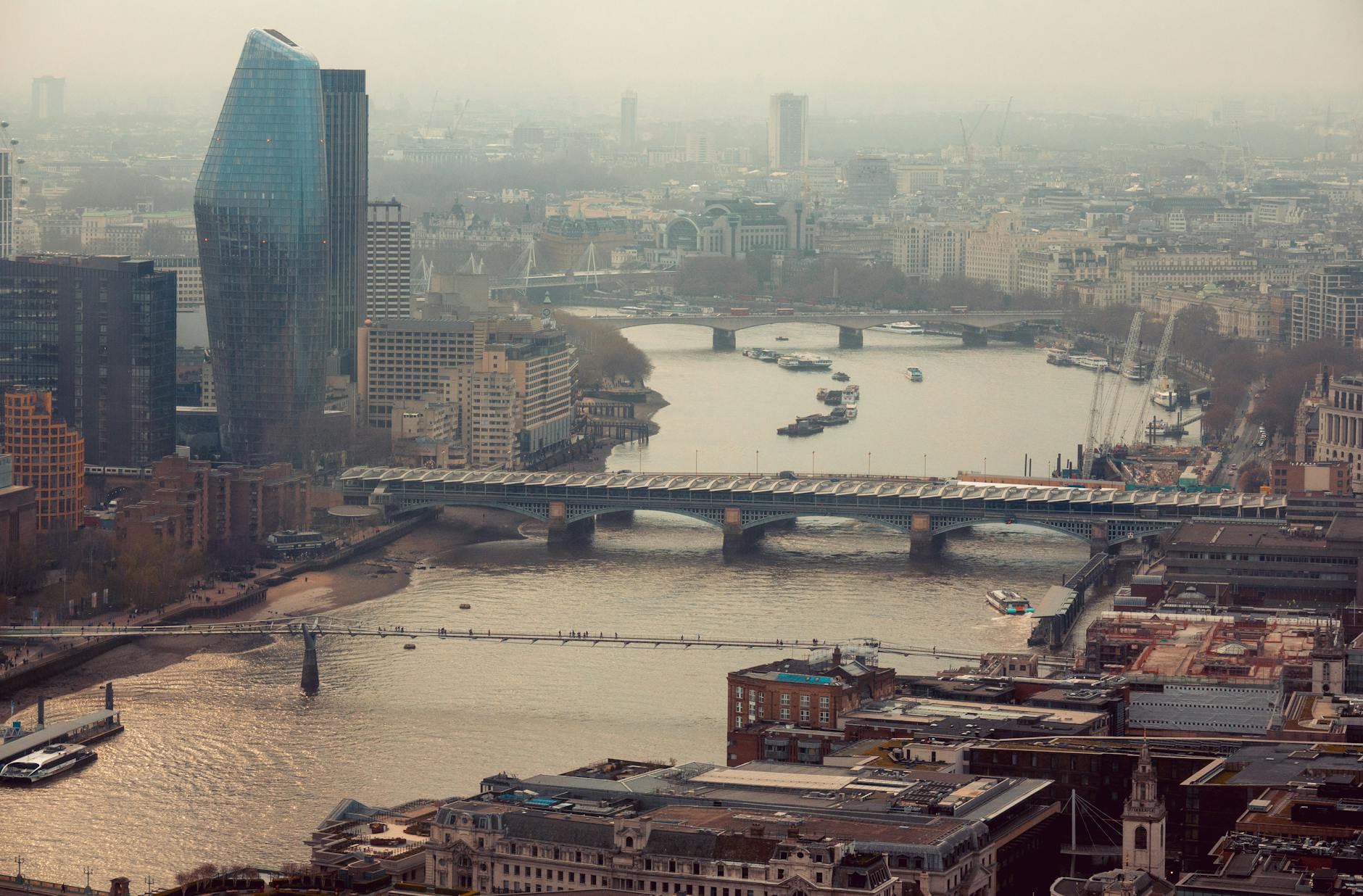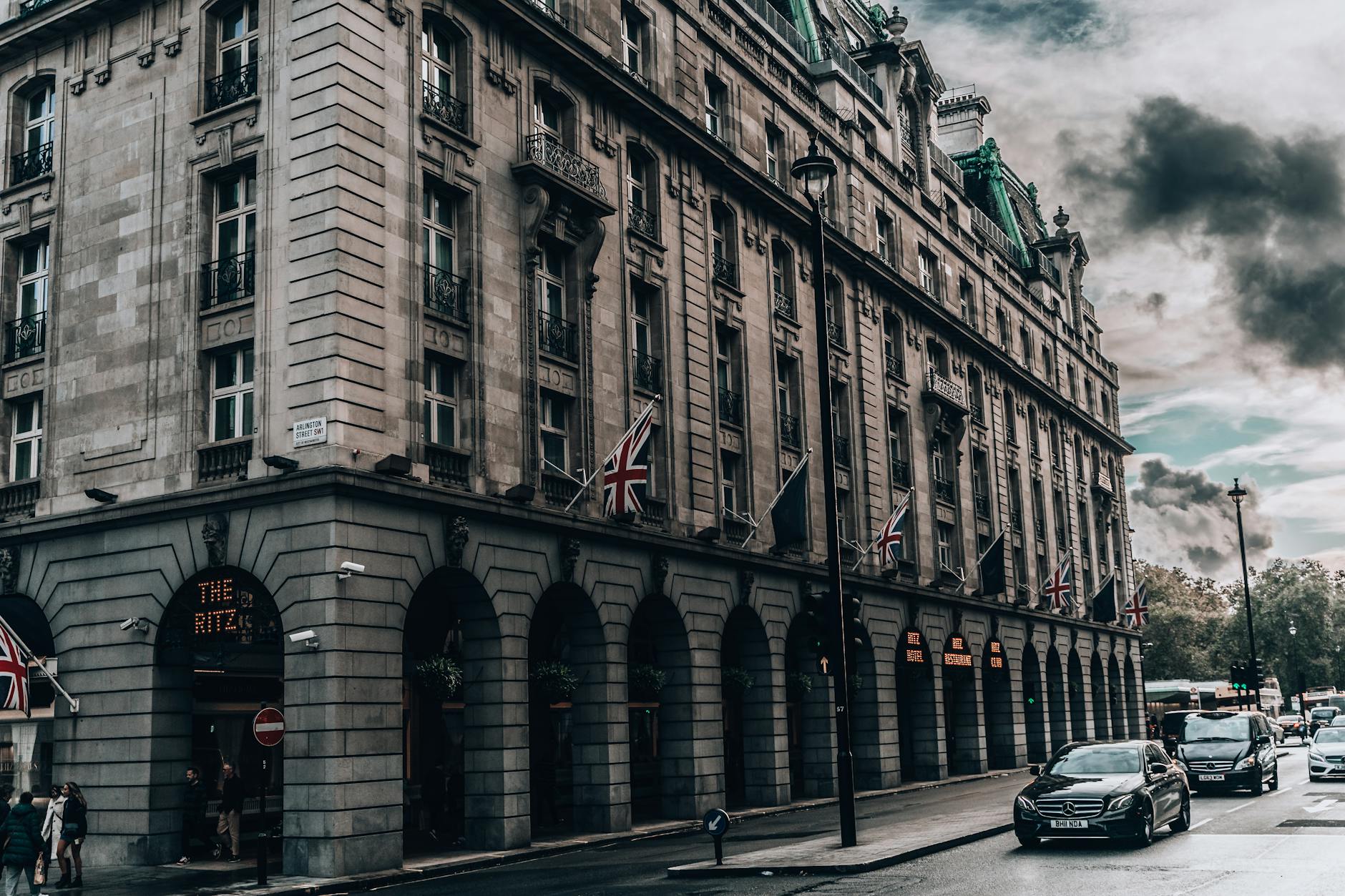
London is one of the world's strongest luxury travel cities, but its best experiences are not unlocked by price alone. A five-star hotel in the wrong district, a badly timed airport arrival, a dinner that forces an awkward late return, or a shopping day planned without traffic and bag control can make a high-end trip feel surprisingly ordinary. The good version is quieter and more deliberate: the base fits the purpose of the visit, the concierge is used intelligently, movement is controlled without becoming rigid, and the traveler has enough time to enjoy London rather than simply consume reservations.
Choose the luxury district around the trip
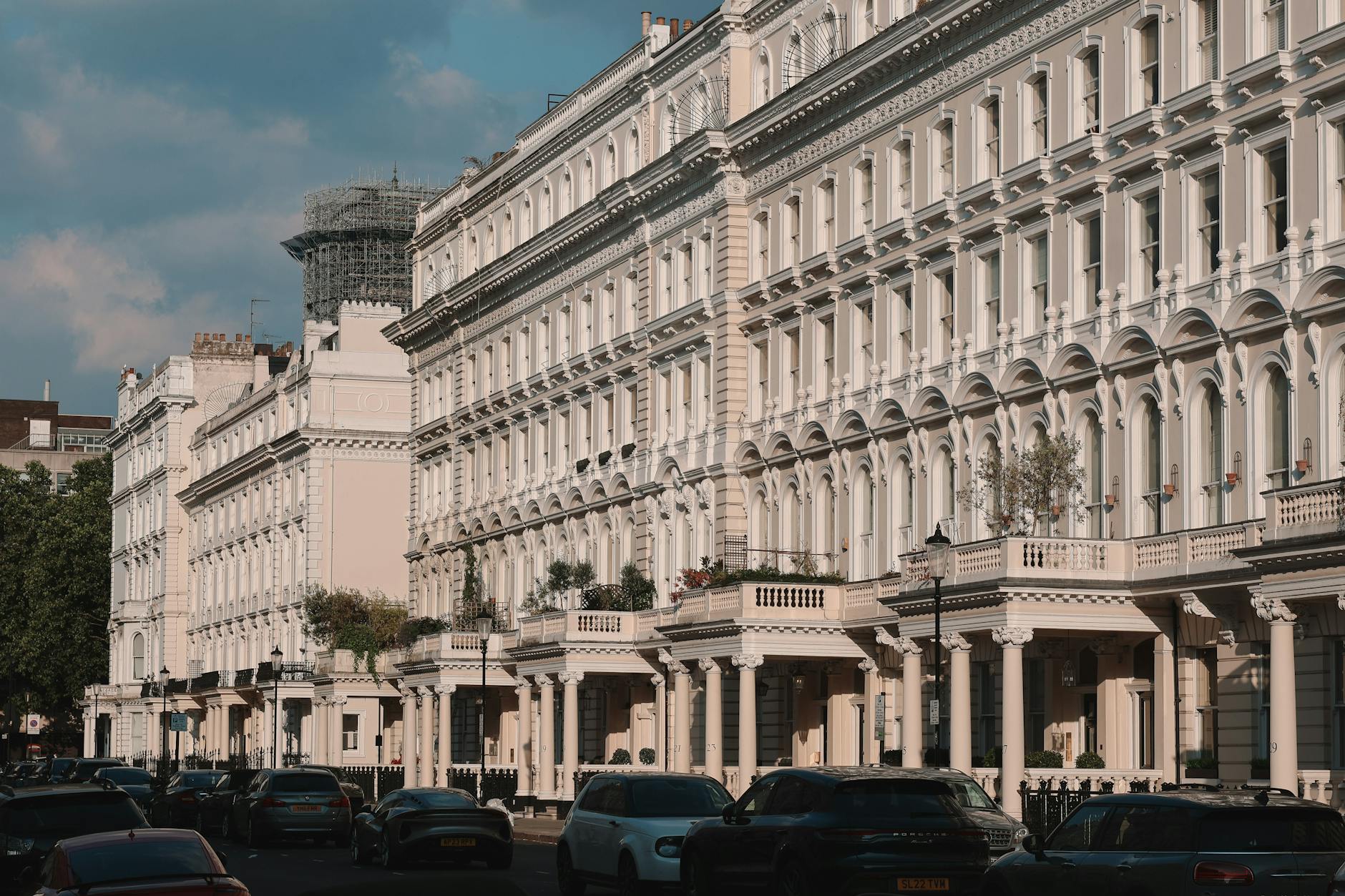
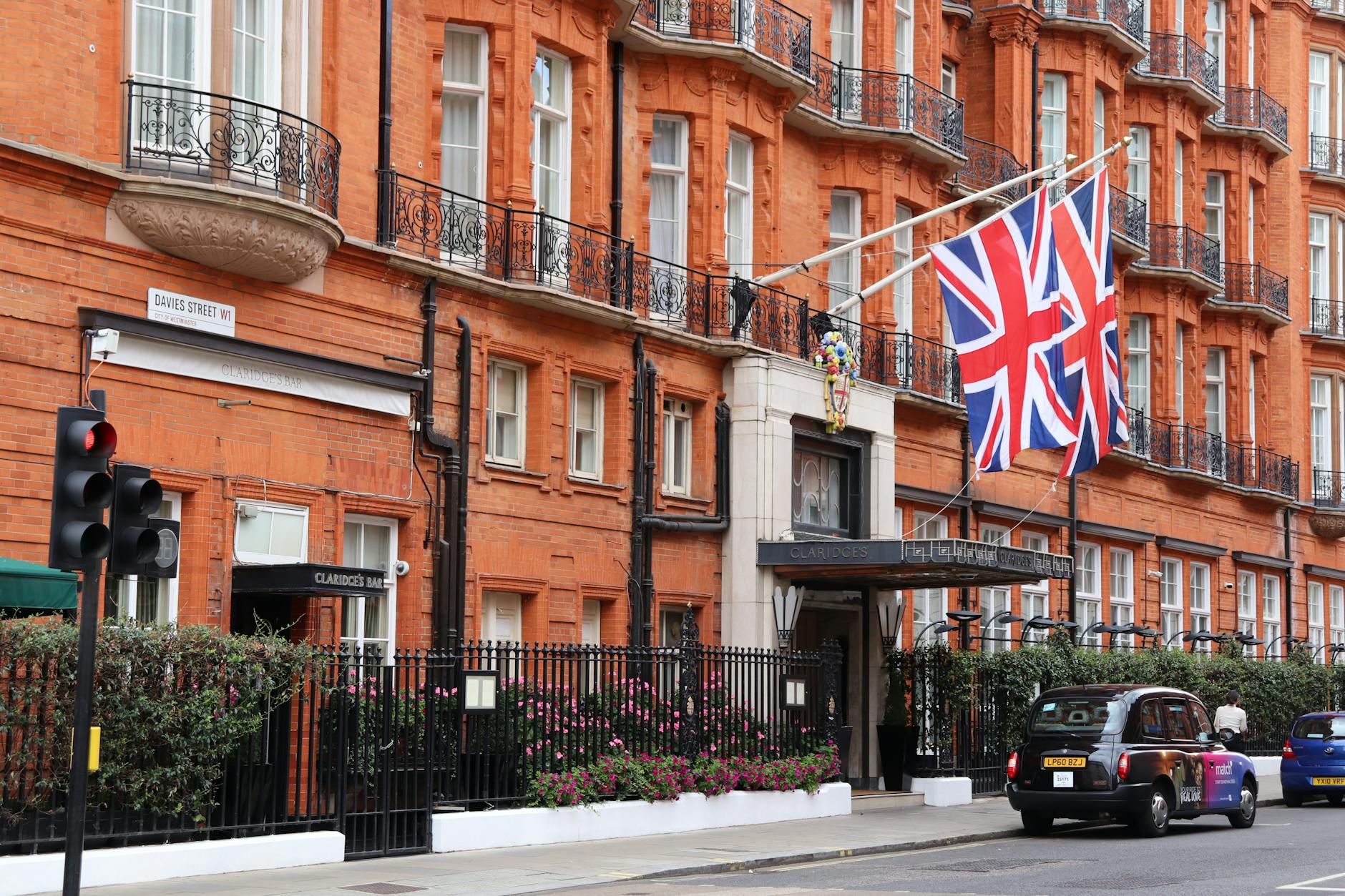
London luxury is not one neighborhood. Mayfair, St. James's, Knightsbridge, Belgravia, Marylebone, Chelsea, Covent Garden, the South Bank, and the City all create different trips. A traveler focused on private shopping, galleries, clubs, and classic hotels may want Mayfair or St. James's. A traveler focused on Harrods, designer retail, and residential calm may prefer Knightsbridge or Belgravia. A traveler combining theater, restaurants, and museum time may need a more central West End base.
The mistake is assuming that a famous hotel name solves geography. London traffic, rain, security barriers, event closures, and late-night crowding can make a prestigious address less useful than it sounds. The right district is the one that makes the traveler's actual pattern easier: arrival, shopping, meetings, dining, theater, private visits, spa time, and recovery.
- Pick the hotel district after mapping the main meals, shops, meetings, and evening plans.
- Treat Mayfair, St. James's, Knightsbridge, Belgravia, and the West End as distinct operating bases.
- Do not let hotel prestige override repeated door-to-door movement.
Arrival should feel controlled from the curb
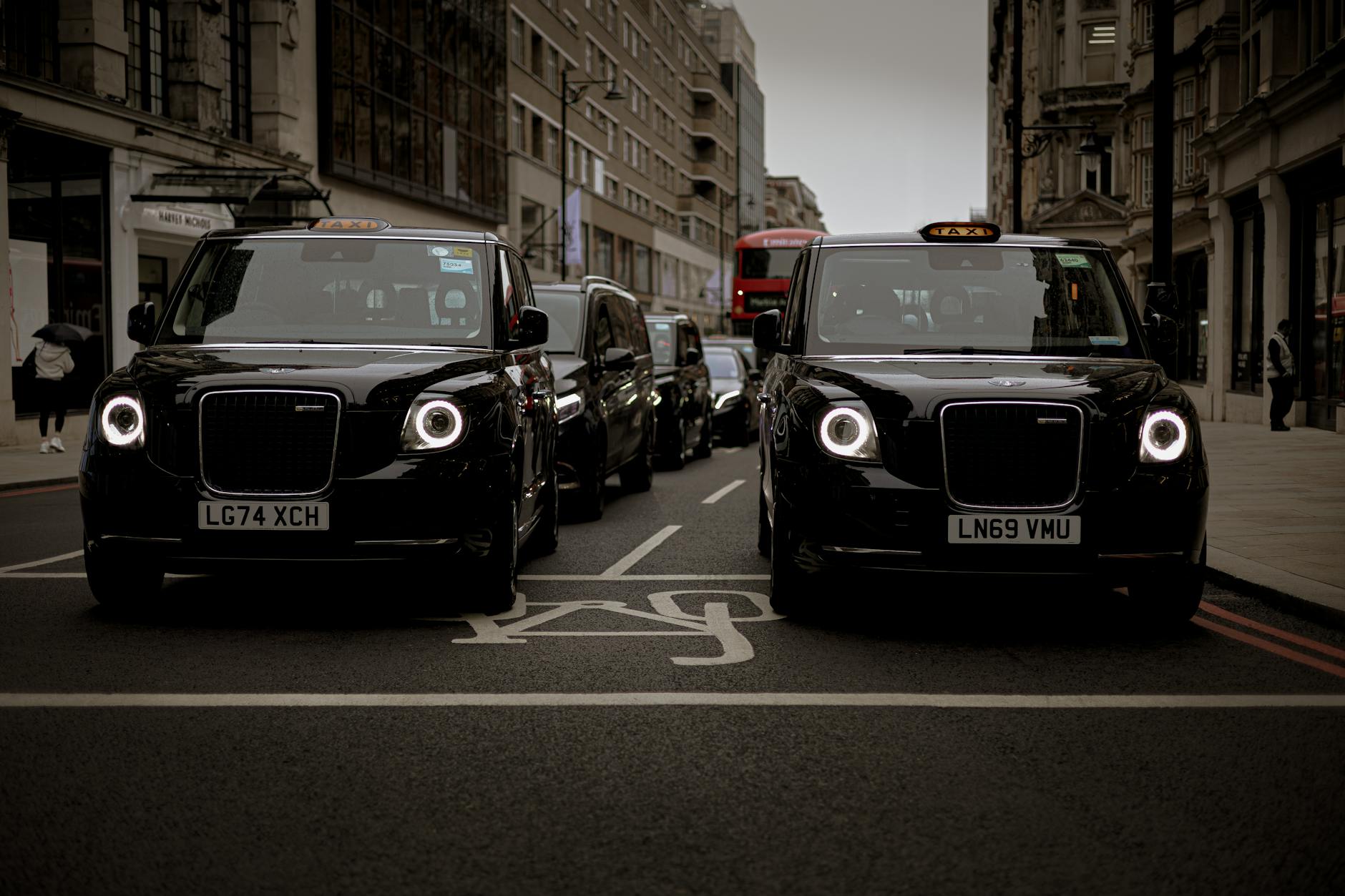
A luxury trip should not begin with an improvised transfer. Heathrow, London City, Gatwick, Stansted, and Luton can all feed a high-end itinerary, but the best choice depends on the hotel district, luggage, arrival time, aircraft type, and whether the traveler needs privacy, speed, or simple comfort. Meet-and-assist, hotel car service, trusted chauffeur arrangements, and concierge-confirmed arrival details can be worth more than minor savings.
This is especially true after long-haul flights or when the traveler is carrying jewelry, high-value luggage, shopping, business materials, or family members. The transfer should be boring in the best sense: driver identified, pickup point clear, hotel ready, luggage handled, and the first afternoon planned lightly enough that delays do not spoil the trip.
- Confirm the pickup method, driver contact, vehicle type, and hotel arrival plan before departure.
- Use a hotel or vetted chauffeur when privacy, fatigue, luggage, or family complexity matters.
- Keep the first day light if arrival follows a long-haul or overnight flight.
The hotel should do real work
In London, a luxury hotel is not just a room category. It is a logistics platform. The concierge, doormen, porters, lobby, car arrangements, restaurant desk, spa, and housekeeping rhythm can either reduce friction or become expensive decoration. The traveler should know what the hotel is actually good at: discreet arrivals, last-minute dining, theater access, private shopping introductions, family support, medical help, secure storage, or calm recovery after long days.
The hotel also has to fit the traveler's public profile. Some travelers want the visibility and theater of a landmark hotel. Others need quiet entrances, low-key service, and fewer public spaces. A highly photographed lobby may be delightful for one guest and wrong for another. The choice should be made around the person, not only the brand.
- Ask what the hotel can actually arrange before relying on the concierge.
- Match the property to the desired level of visibility or discretion.
- Check car access, lobby privacy, luggage handling, and late-night return support.
Dining plans need geography and recovery time
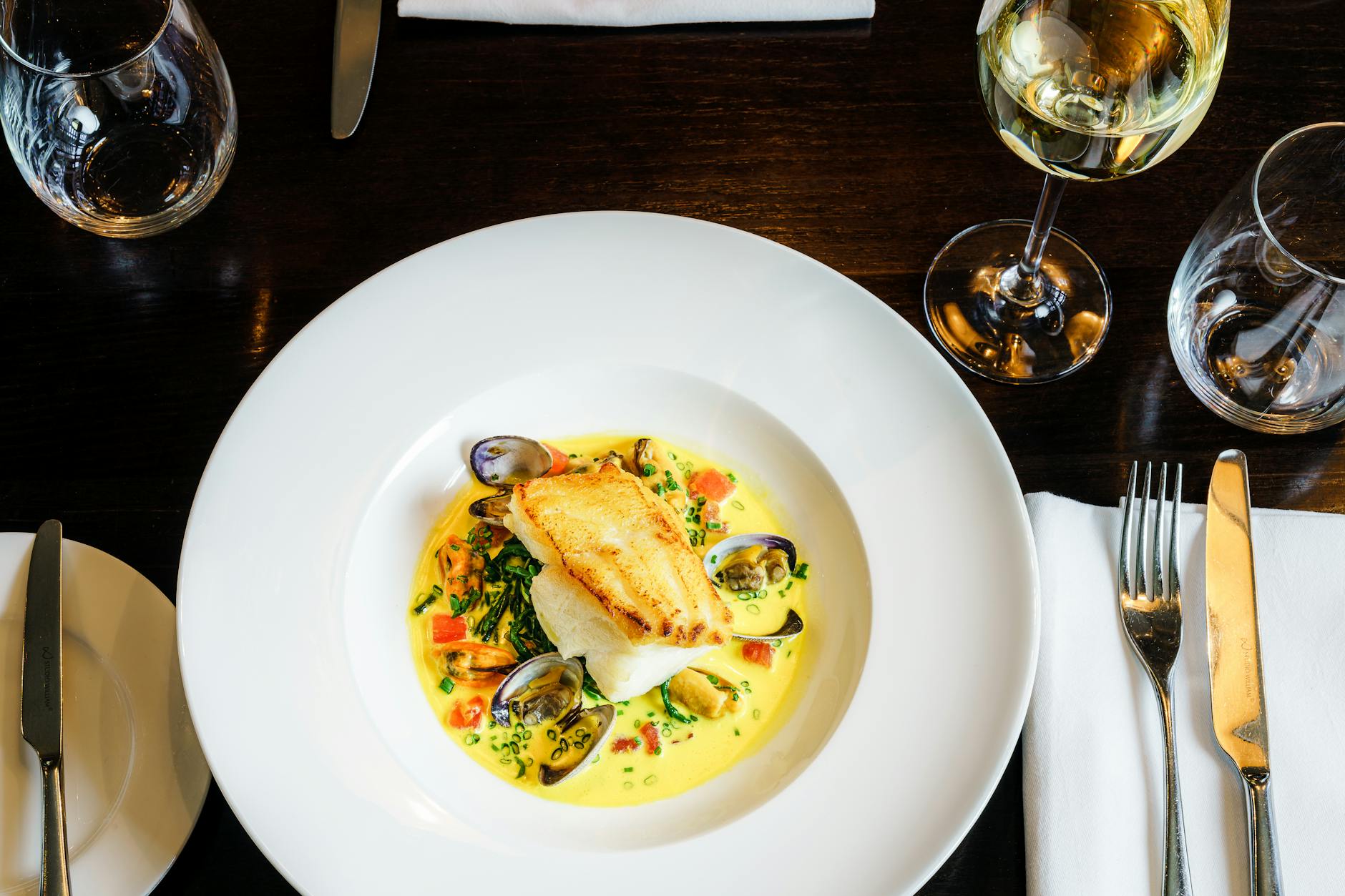
London's dining scene is deep enough to reward ambition, but short luxury trips can become overbooked. A tasting menu after a long shopping day, a late dinner across town before an early flight, or a famous restaurant that leaves the traveler stranded in rain can make the evening feel less luxurious than a simpler choice near the hotel. The right dining plan should consider cuisine, timing, dress, transport, privacy, and how the traveler wants to feel the next morning.
Lunch can sometimes carry the important reservation better than dinner. Afternoon tea may be the right anchor on an arrival day. A hotel restaurant can be strategically useful, not lazy, when it protects the traveler from another transfer. The best high-end itinerary has a rhythm: one destination meal, one near-hotel meal, one flexible evening, and enough space for delays.
- Book the hard reservations early, but avoid filling every evening.
- Use lunch or afternoon tea when jet lag makes late dining unattractive.
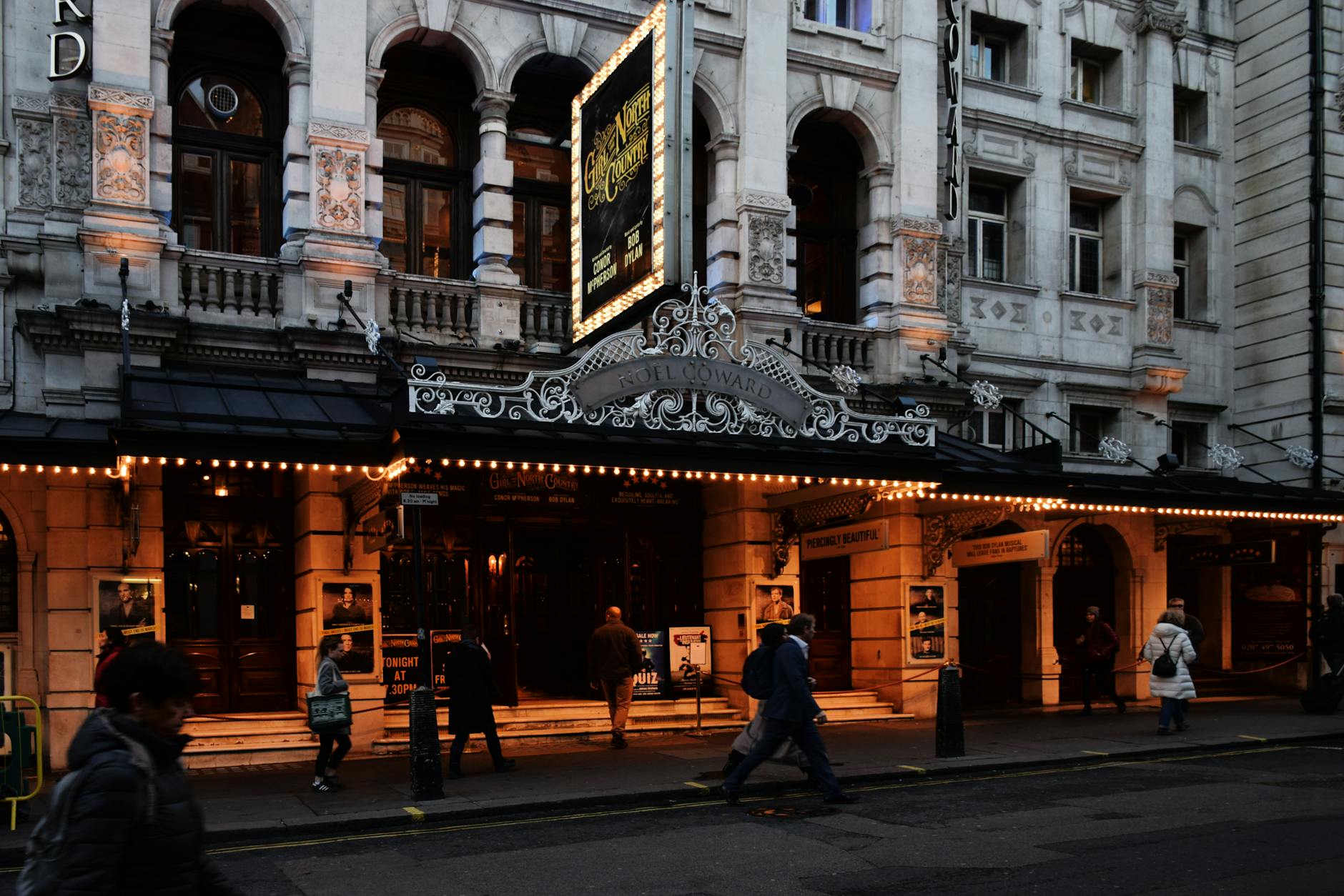
- Plan the return route before dinner, especially after theater or a long day.
Shopping should be planned like movement
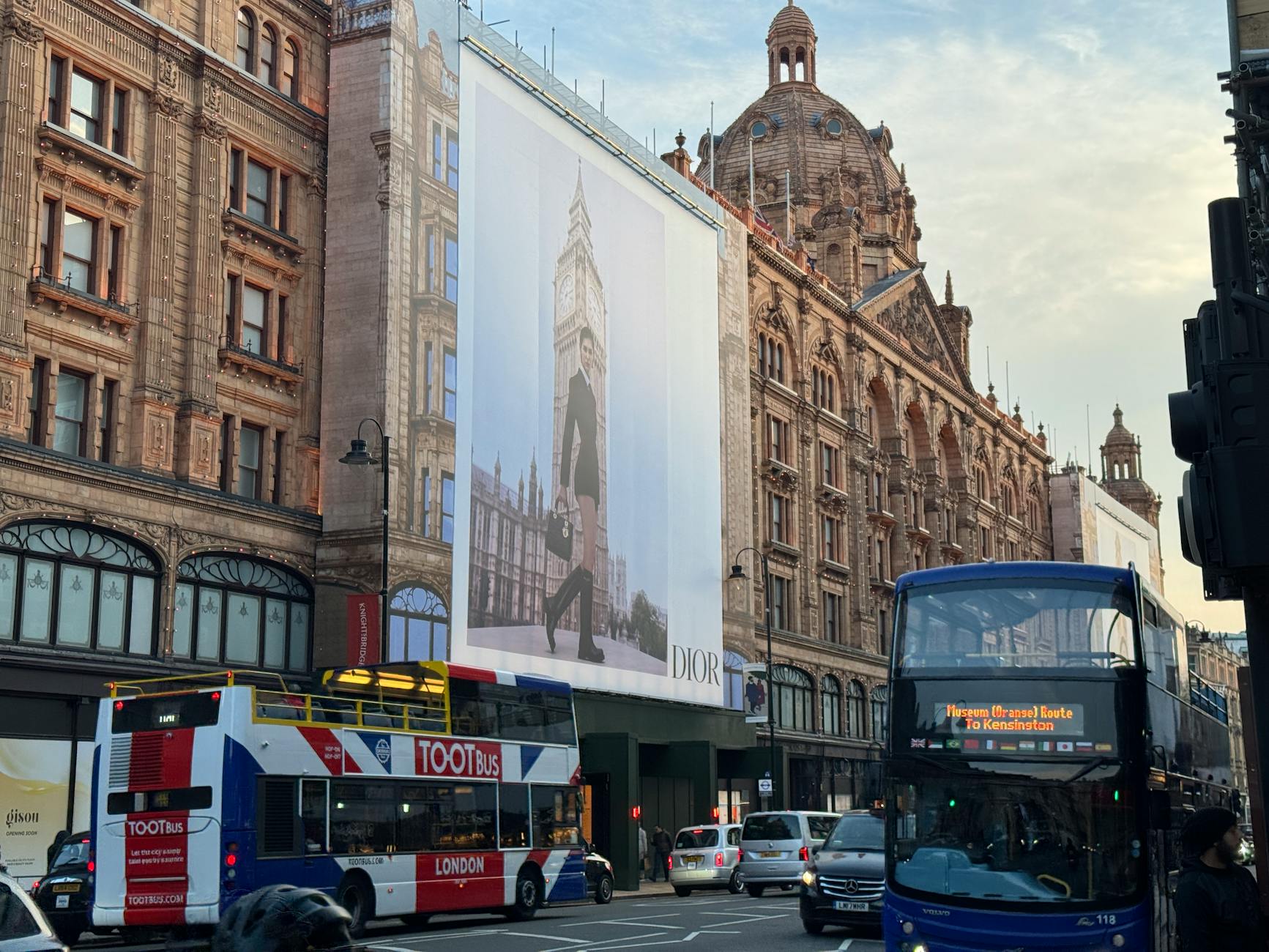
Luxury shopping in London can mean Bond Street, Mount Street, Jermyn Street, Savile Row, Harrods, Sloane Street, Liberty, Fortnum & Mason, auction previews, private showrooms, or specialist dealers. Those areas are not interchangeable. A good shopping day controls appointments, bag handling, vehicle access, weather, tax or shipping questions, and the moment when purchases begin to draw attention.
The traveler should avoid carrying too much across crowded streets or onto public transport. Hotel delivery, store delivery, chauffeur coordination, and a mid-day return to the hotel can be practical, not indulgent. If jewelry, watches, designer goods, or art are involved, the day should be quieter, with fewer public transitions and no casual late-night wandering with visible bags.
- Cluster shopping by district rather than jumping between Bond Street, Knightsbridge, and Chelsea.
- Use delivery or driver coordination when purchases become bulky or conspicuous.
- Keep high-value shopping days low-key and avoid unnecessary public handling of bags.
Privacy and visibility should be intentional
Some luxury travelers want London to feel social and visible. Others need privacy because of public profile, family concerns, business sensitivity, or personal preference. The city can support both, but the plan has to say which one matters. A hotel entrance, restaurant table, driver pickup point, theater exit, or shopping appointment can either expose the traveler or keep movement quiet.
This does not require a full protection detail for most travelers. It does require common sense: avoid posting real-time locations, keep high-value items understated, use the hotel for sensitive calls, and choose late-night transport before the evening begins. If the traveler is recognizable, traveling with children, carrying valuable purchases, or attending public events, the report should treat privacy as a real itinerary variable.
- Decide whether the trip should be visible, discreet, or mixed before booking public-facing venues.
- Avoid real-time posting from hotels, restaurants, shops, and private visits.
- Use controlled pickups after theater, events, and high-value shopping.
When to order a short-term travel report
A relaxed luxury traveler returning to a familiar hotel may not need a custom report. A traveler with a short first visit, multiple reservations, private shopping, family members, public profile, high-value purchases, tight airport timing, or a desire for discretion should plan more carefully. The report should test the hotel district, arrival path, driver use, dining geography, shopping plan, evening returns, current local signals, and privacy requirements together.
For London, the value is not a list of expensive places. The value is coherence: which base fits the trip, where movement becomes inefficient, when to use the hotel, which bookings need confirmation, and where the traveler should simplify. Luxury is strongest when the trip feels unforced.
- Order when privacy, family comfort, high-value shopping, or tight reservations raise the cost of mistakes.
- Include hotel options, arrival details, dinner plans, shopping appointments, and evening events.
- Ask the report to reduce friction, not simply add premium options.