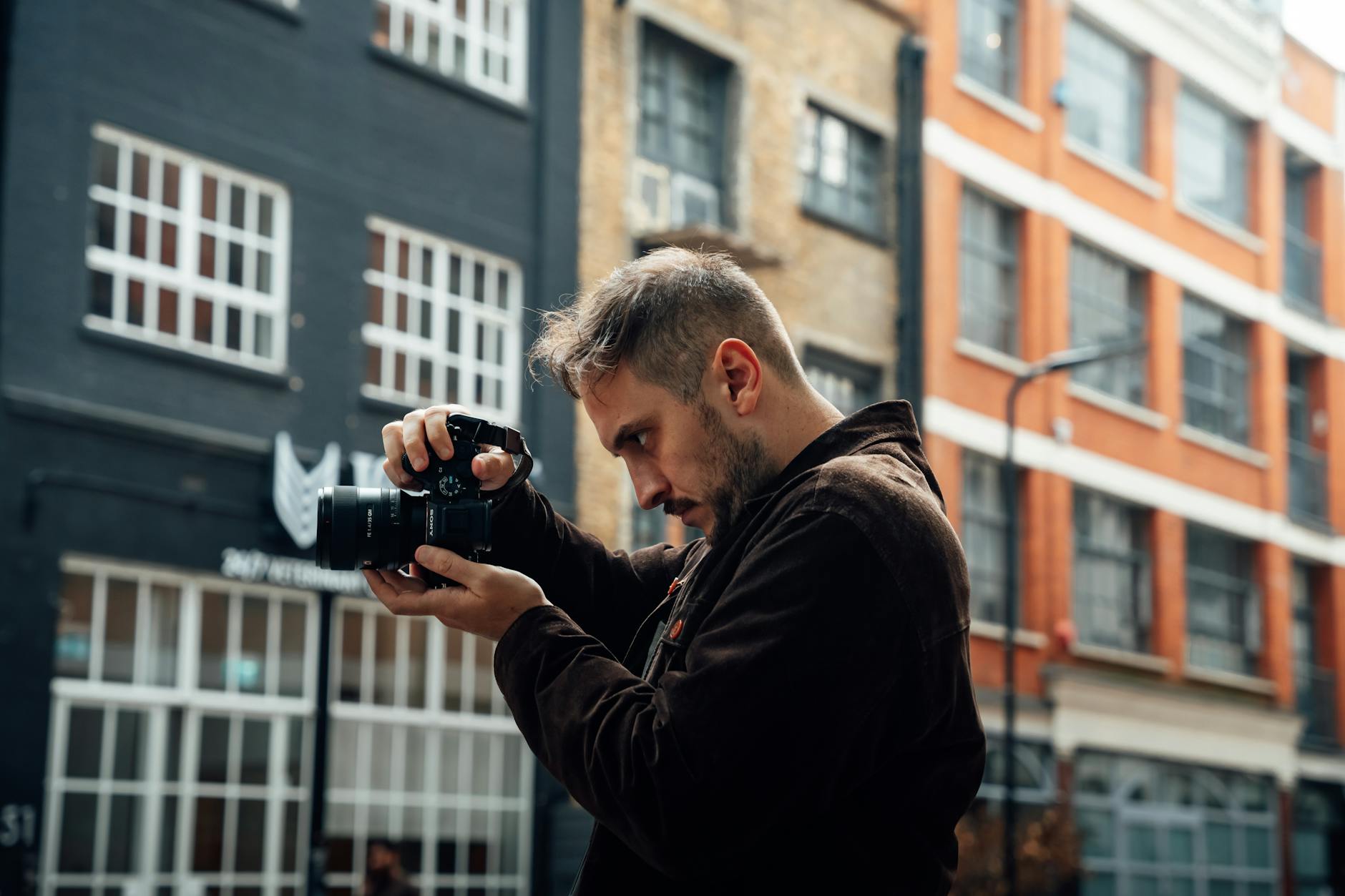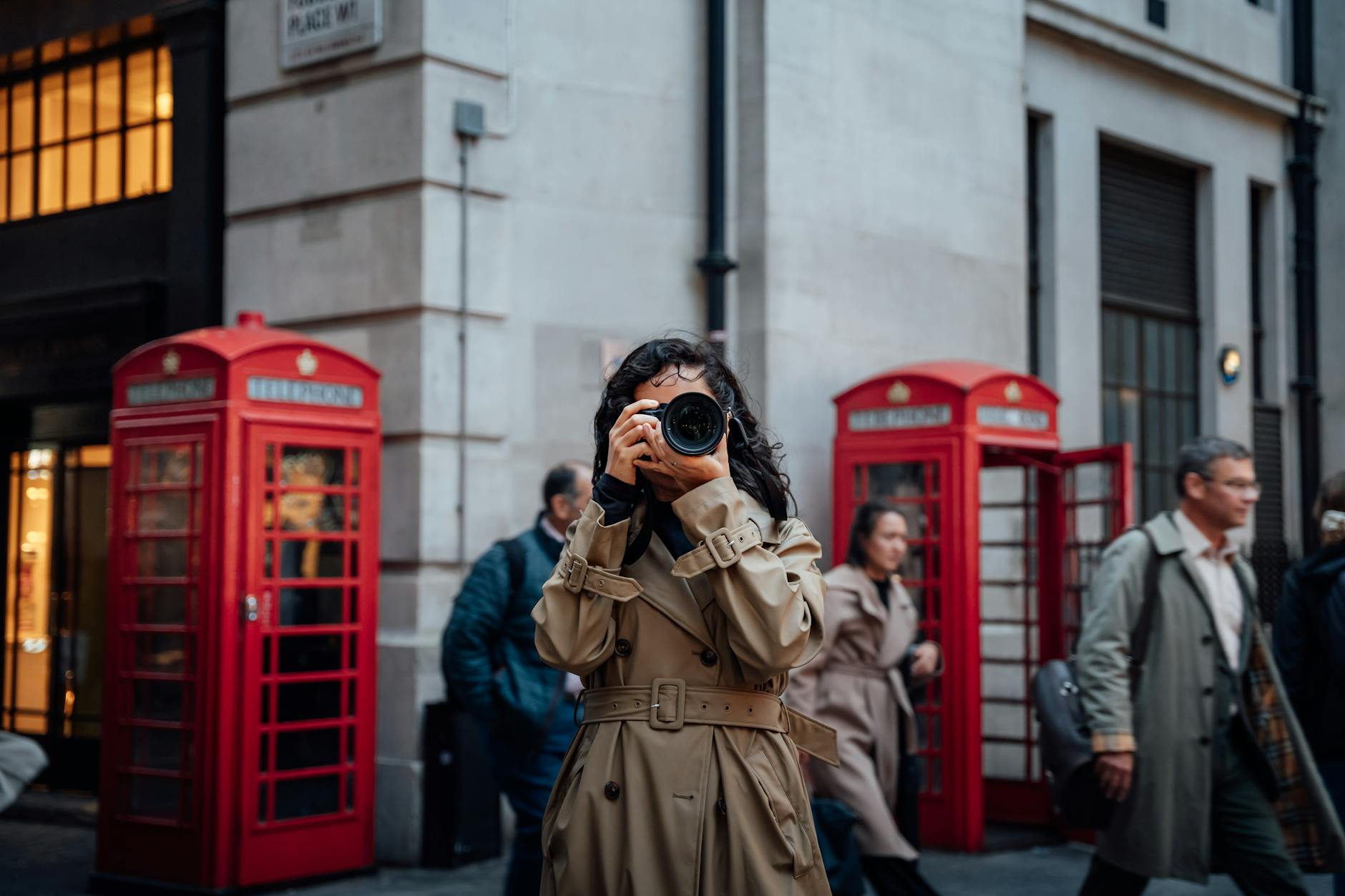
A journalist traveling to London for a short assignment is not simply visiting a media-rich capital. The city can offer Parliament, courts, government departments, financial institutions, protests, cultural events, diaspora communities, universities, policing debates, sports, entertainment, and corporate stories within a few miles of each other. That density is useful, but it can also mislead a reporter into underplanning. A day that includes Westminster, an interview in the City, a court appearance near the Old Bailey, a protest, and a late filing deadline is a logistics problem as much as an editorial one. The strongest plan protects access, movement, equipment, source privacy, and time to file, while leaving enough flexibility for the story to move.
Map the assignment by beat and geography
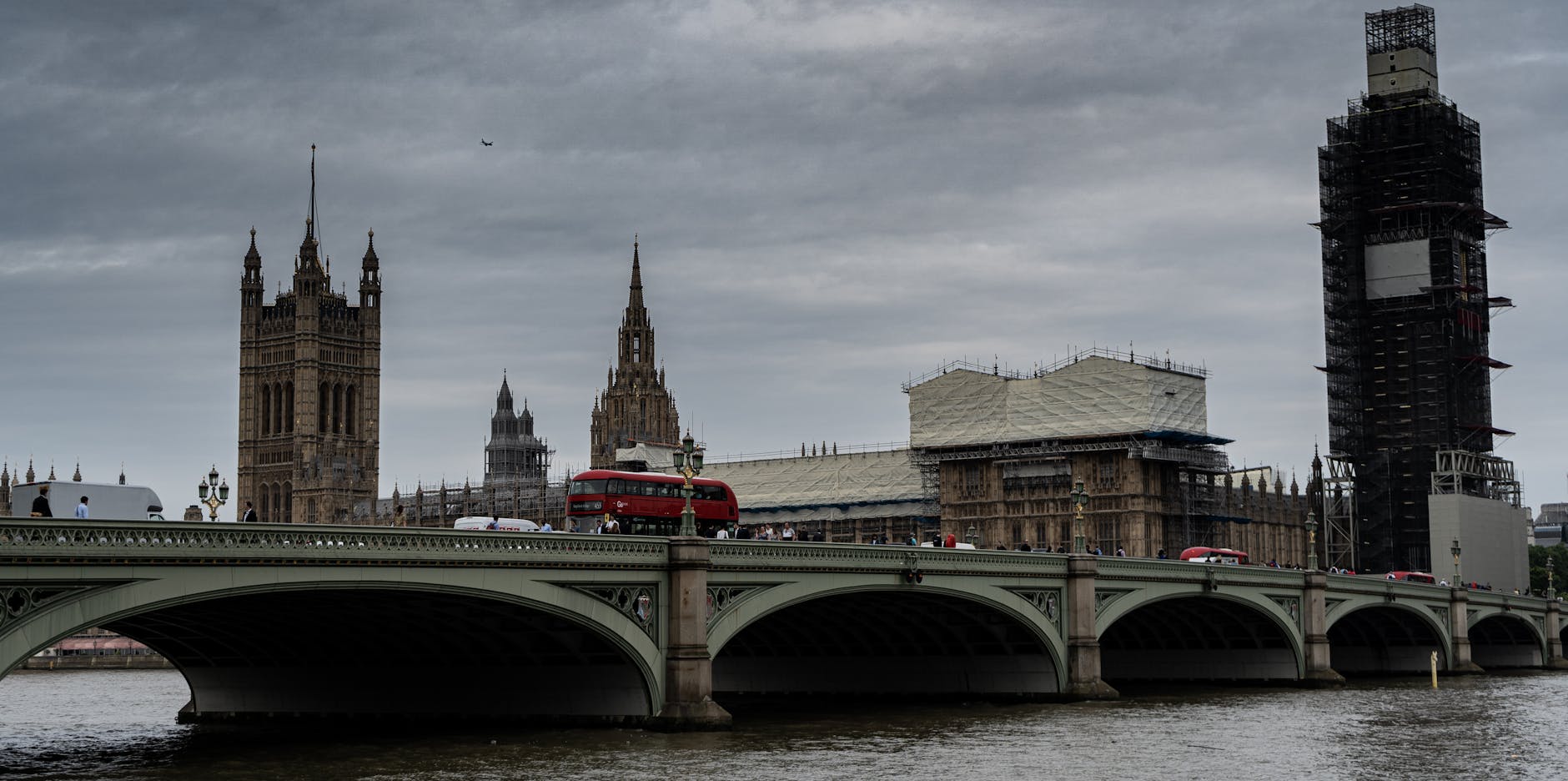
London reporting works best when the journalist maps the assignment by beat, not by tourist district. Politics may pull the reporter toward Westminster, Whitehall, party headquarters, embassies, think tanks, and demonstrations. Legal stories may involve the Old Bailey, Royal Courts of Justice, law firms, and nearby filing space. Finance can mean the City, Canary Wharf, Mayfair, or a corporate headquarters outside the center. Culture, diaspora, sport, and social issues may require very different neighborhood knowledge.
A short reporting trip should identify the fixed points first: scheduled interviews, press briefings, court times, protest locations, venue doors, recording restrictions, and filing deadlines. Then the journalist can choose a hotel, transport plan, and daily route that support the work. London can absorb a lot of movement, but it will punish a reporter who treats every address as equally reachable at every hour.
- Map fixed interviews, briefings, courts, protest locations, venues, and filing deadlines before booking the base.
- Treat Westminster, the City, Canary Wharf, courts, media offices, and neighborhood reporting as distinct operating zones.
- Choose the hotel and daily route around the assignment, not around a generic central-London ideal.
Clarify access, credentials, and rules before arrival
Journalists should not assume that a press card, outlet name, or prior experience will solve access in London. Some briefings, courts, conferences, corporate events, government sites, sports venues, and private buildings require advance registration or specific credentials. Recording rules vary by setting. Photography that is normal on the street may be restricted inside a building, transport site, court-adjacent area, private venue, or event security perimeter.
The traveler should confirm accreditation, ID requirements, equipment rules, bag checks, arrival windows, embargo terms, and where cameras or microphones are permitted. Freelancers and independent media workers should be especially clear about who can verify them if challenged. The goal is not to overstate difficulty. It is to prevent the trip from failing at a reception desk or security line before the reporting has started.
- Confirm accreditation, ID, bag rules, camera rules, recording limits, and arrival windows for each controlled site.
- Carry outlet, editor, assignment, and emergency contact details in a form that can be shown quickly.
- Do not assume public-street rules apply inside courts, venues, transport sites, or private buildings.
Plan equipment, data, and source protection
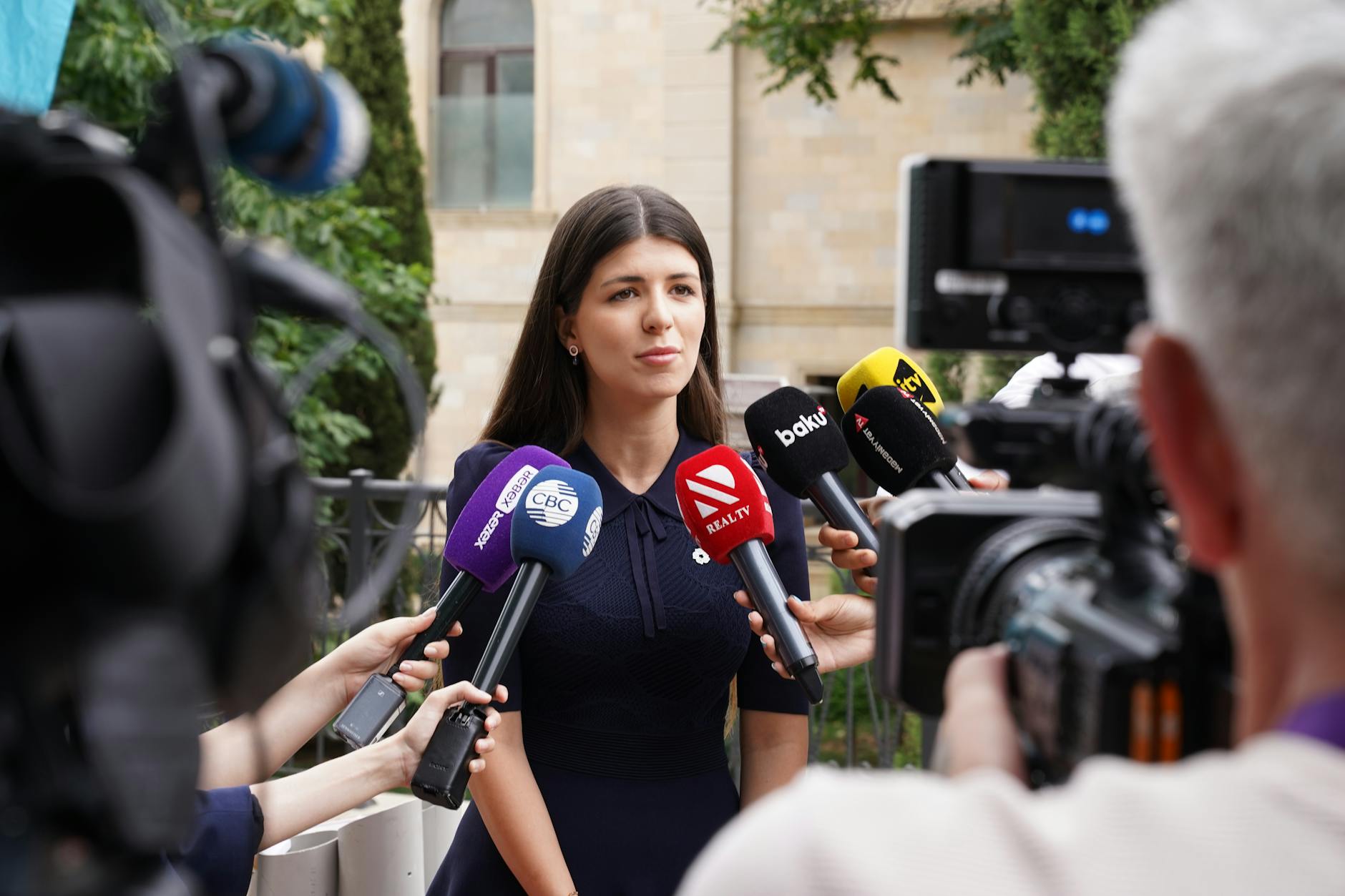
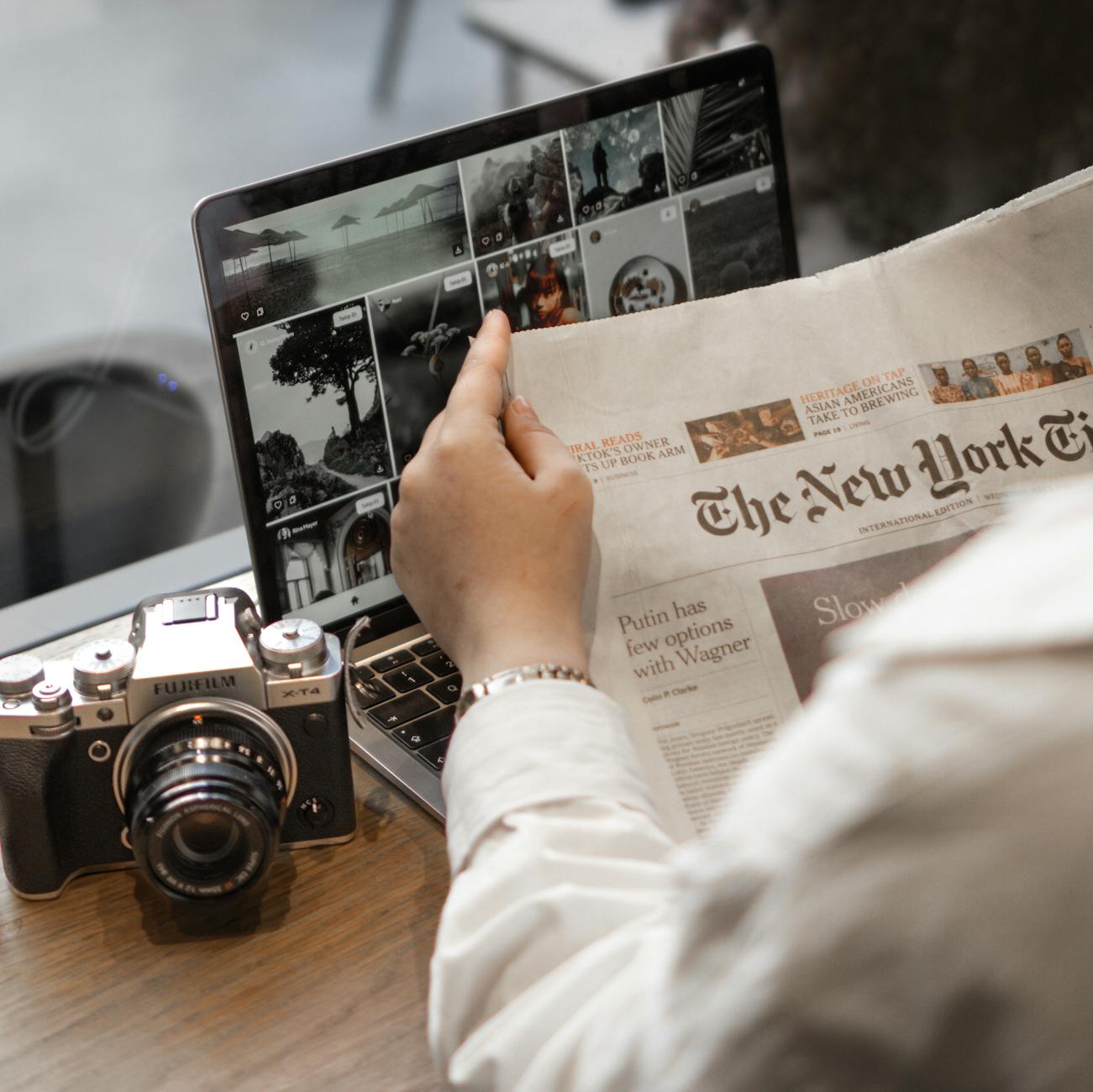
A journalist's equipment plan should match the assignment. A writer with a laptop, phone, recorder, and notebook has different needs from a video crew with cameras, lights, batteries, tripods, radio mics, drives, and live-transmission gear. London can replace many ordinary items quickly, but the replacement still costs time. Batteries, adapters, data storage, rain protection, secure backups, mobile data, and quiet upload space should be planned before the first day.
Source protection also belongs in the travel plan. Crowded trains, hotel lobbies, cafes, and event corridors are poor places for sensitive calls or visible notes. If the story involves whistleblowers, legal risk, protest organizers, vulnerable people, or commercial confidentiality, the journalist should decide where conversations happen, how notes are stored, and when not to work in public. London is full of professionals who understand what they are seeing on a screen.
- Match batteries, storage, adapters, rain protection, mobile data, and upload workflow to the assignment.
- Plan where sensitive calls, notes, footage, and source communications will be handled.
- Use secure backups and avoid exposing source material in trains, cafes, lobbies, and crowded event spaces.
Treat protest and crowd coverage as fieldwork
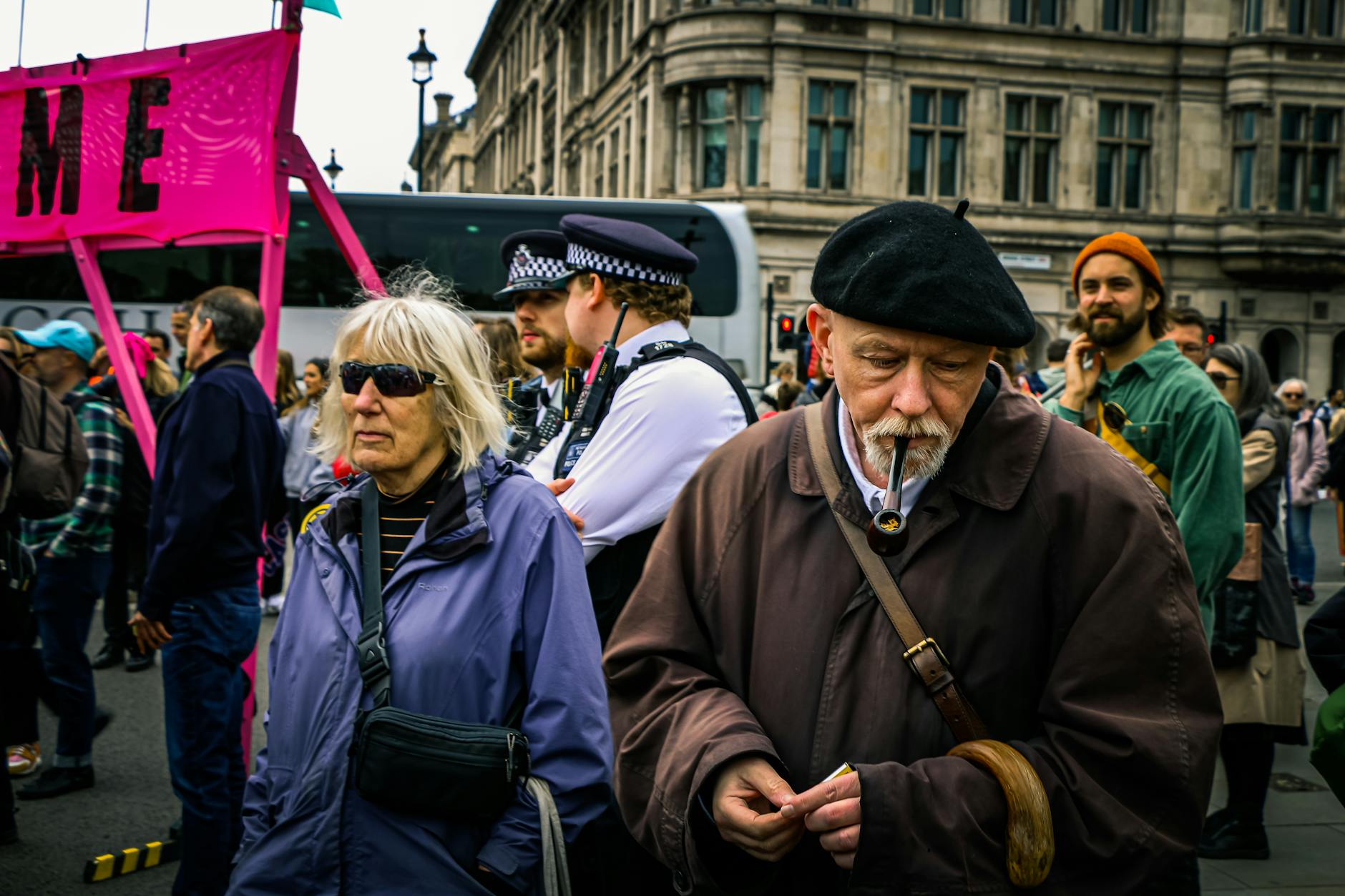
London protests can be orderly, fluid, crowded, loud, or tense depending on issue, location, policing, counter-protest activity, weather, and timing. Westminster, Whitehall, Trafalgar Square, Parliament Square, embassy areas, transport hubs, and university districts can all become reporting sites. The journalist should not rely only on the announced route or rally point. Crowd movement, road closures, kettling concerns, police cordons, and transport disruption can change the day quickly.
Before covering a demonstration, the reporter should plan approach and exit routes, editor check-ins, identification, power, weather gear, footwear, water, and what to do if separated from a colleague. Camera visibility, live posting, and interviewing participants can change how people respond. The aim is to cover the event without becoming part of the event or getting trapped by avoidable movement decisions.
- Plan approach, exit, check-ins, footwear, weather gear, battery, water, and transport alternatives before entering a crowd.
- Monitor police cordons, road closures, counter-protests, and route changes rather than relying only on the announced plan.
- Use visible credentials and clear colleague/editor check-ins when covering public-order-sensitive events.
Respect courts, police, and sensitive locations
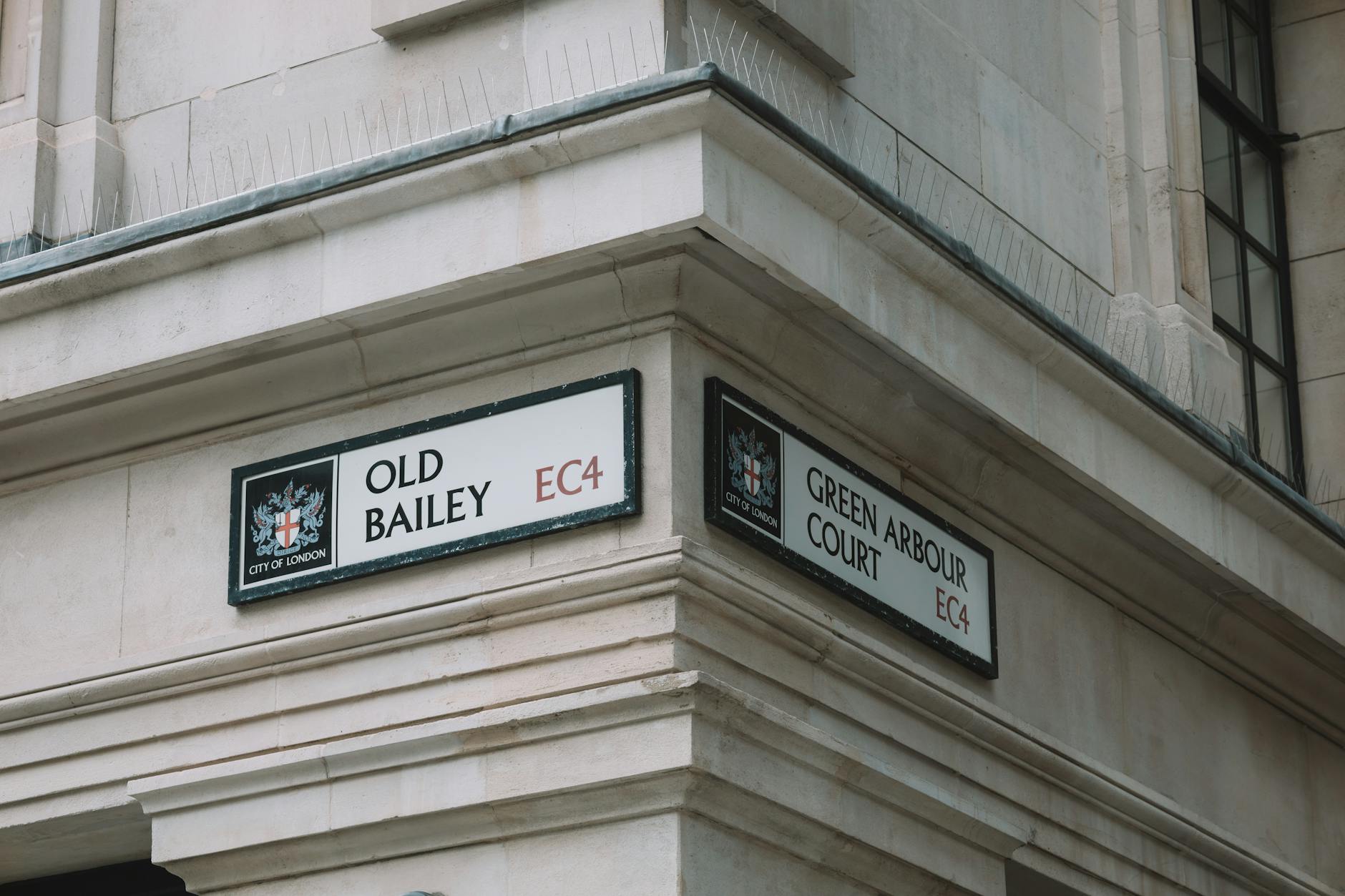
Court and police-adjacent reporting requires careful planning. The Old Bailey, Royal Courts of Justice, magistrates' courts, tribunals, police stations, and legal offices all have access, security, photography, recording, and timing issues. A journalist should verify the specific rules for the site and story rather than relying on general assumptions. Court listings, reporting restrictions, contempt risk, and identification of protected people can be serious issues, especially for foreign or visiting journalists.
Sensitive locations are not limited to courts. Hospitals, schools, shelters, places of worship, private offices, and residential streets may require additional judgment. The reporter should know when to film, when to ask, when to blur or withhold detail, and when local law or editorial policy requires a slower approach. The travel plan should support that judgment by giving the journalist time to confirm rules, not forcing rushed decisions at the door.
- Verify court, police, hospital, school, shelter, and private-site access rules before arrival.
- Check recording, photography, protected-identity, and reporting-restriction issues for legal stories.
- Build time to confirm rules instead of making rushed decisions at security or reception.
Build a movement plan that leaves room to file
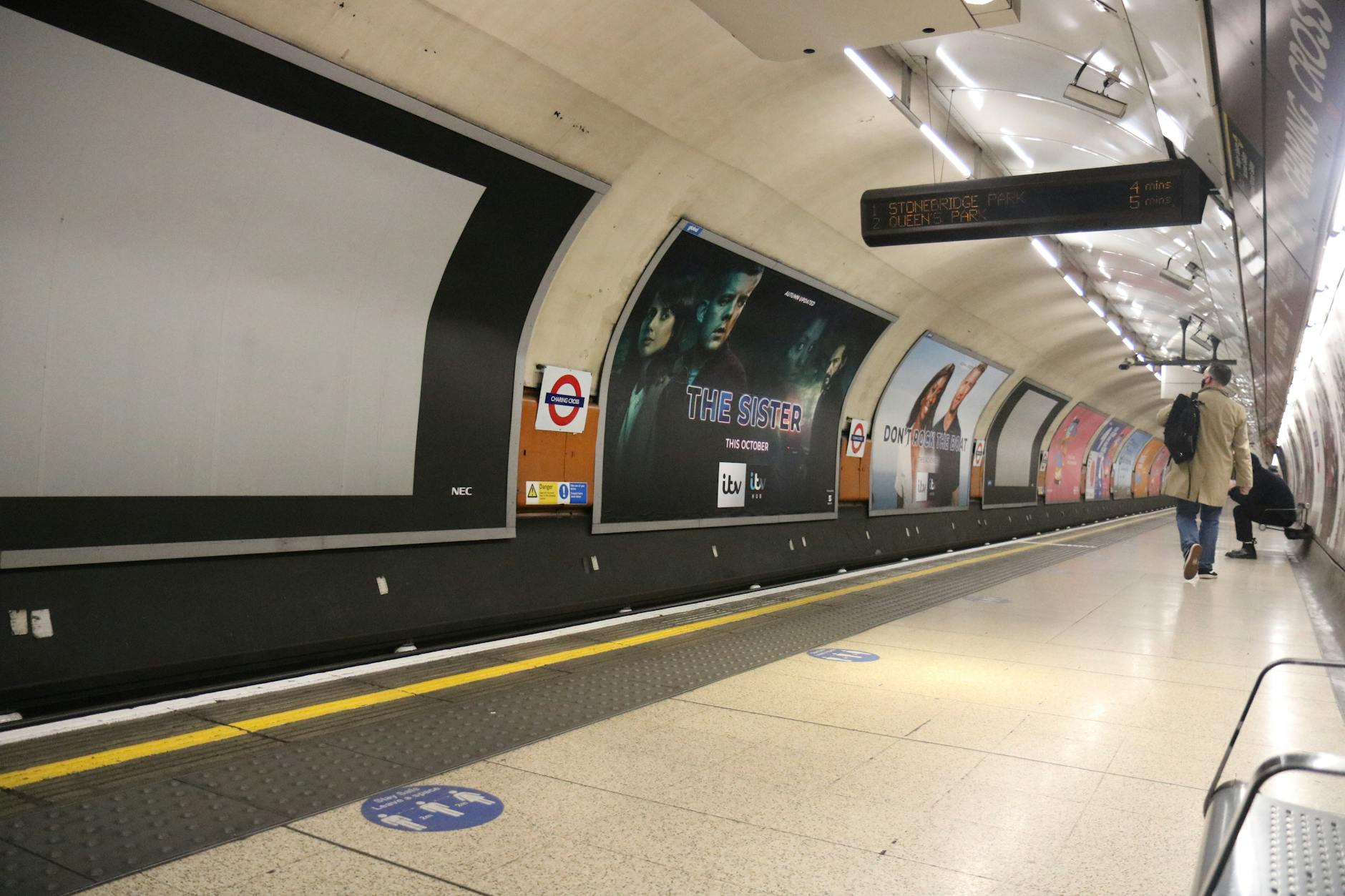
Journalists often underestimate the time between reporting and filing. London can make that gap worse when the day involves multiple sites, heavy equipment, crowded Underground platforms, weather, security checks, and last-minute source calls. A route that is fine for a tourist may be poor for a journalist carrying gear, protecting footage, or trying to upload before deadline.
The working day should include filing locations: hotel room, coworking space, media center, quiet cafe, newsroom, client's office, or another controlled place with power and connection. If the assignment requires same-day copy, clips, photos, or live hits, the journalist should not spend every buffer on movement. The best transport plan is the one that preserves enough time to think, verify, edit, and send.
- Identify reliable filing locations with power, data, quiet, and enough privacy for calls.
- Keep a movement buffer for upload, verification, editing, and source follow-up before deadline.
- Use taxis selectively when equipment, weather, deadline, or late-night movement makes rail too fragile.
When to order a short-term travel report
A journalist covering a familiar event in a familiar city may not need a custom report. A reporter working on a sensitive story, covering protests, visiting courts, coordinating multiple interviews, carrying equipment, working near deadline, or reporting without local support should plan more carefully. The report should test assignment geography, access requirements, transport routes, filing locations, source-protection needs, current disruptions, protest or event conditions, and the points where the schedule is most exposed.
The value is not a generic London media guide. It is an assignment-aware operating plan that helps the journalist arrive with the right access, move without wasting the day, protect equipment and sources, and preserve time to file. In journalism, the trip succeeds when the reporting holds up, not merely when the reporter reaches the city.
- Order when access, protests, courts, source protection, equipment, multiple sites, or deadline pressure create risk.
- Include assignment sites, interview schedule, venue rules, equipment, hotel candidates, filing needs, and support contacts.
- Use the report to protect reporting quality, source safety, and deadline resilience.