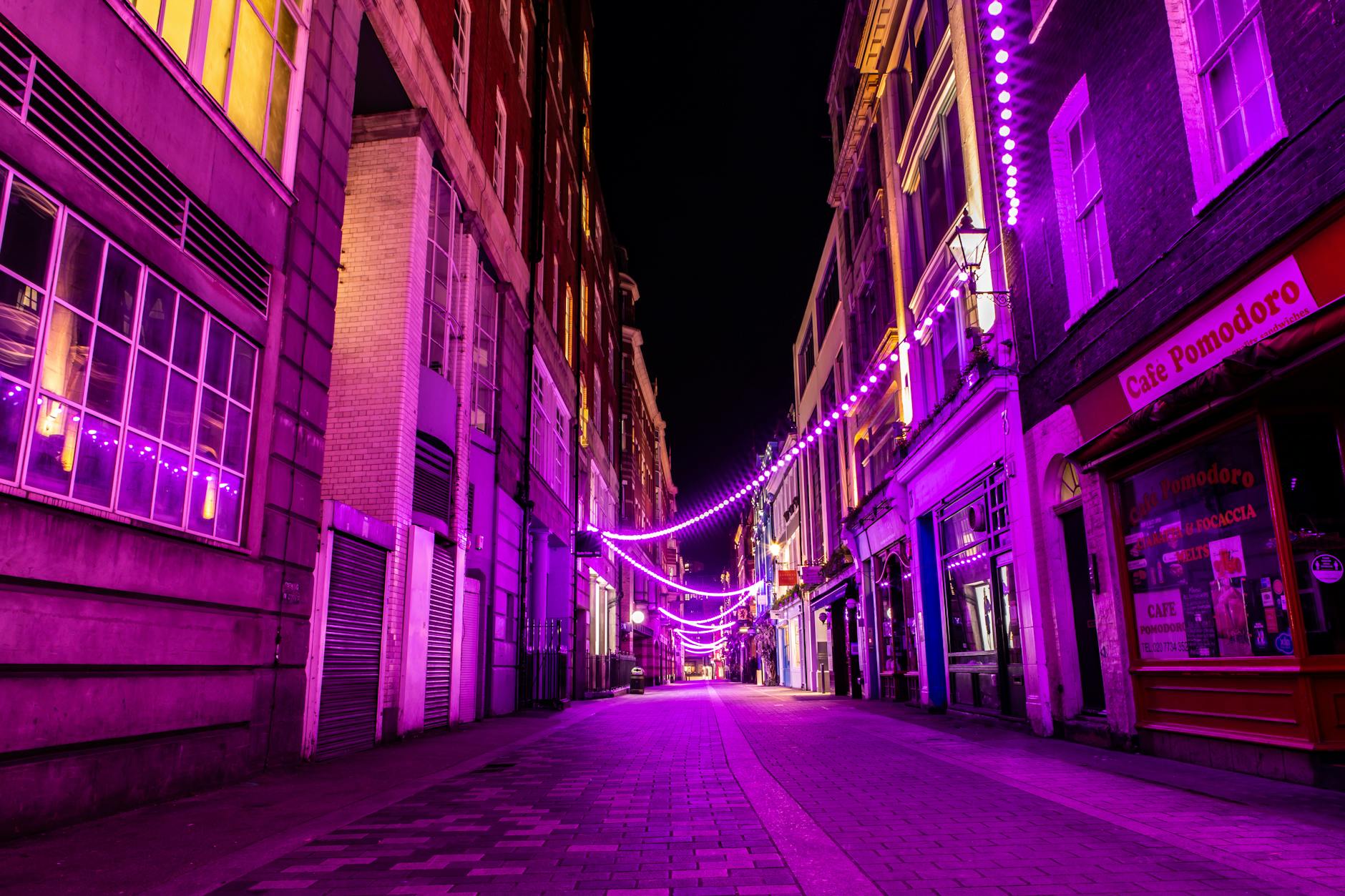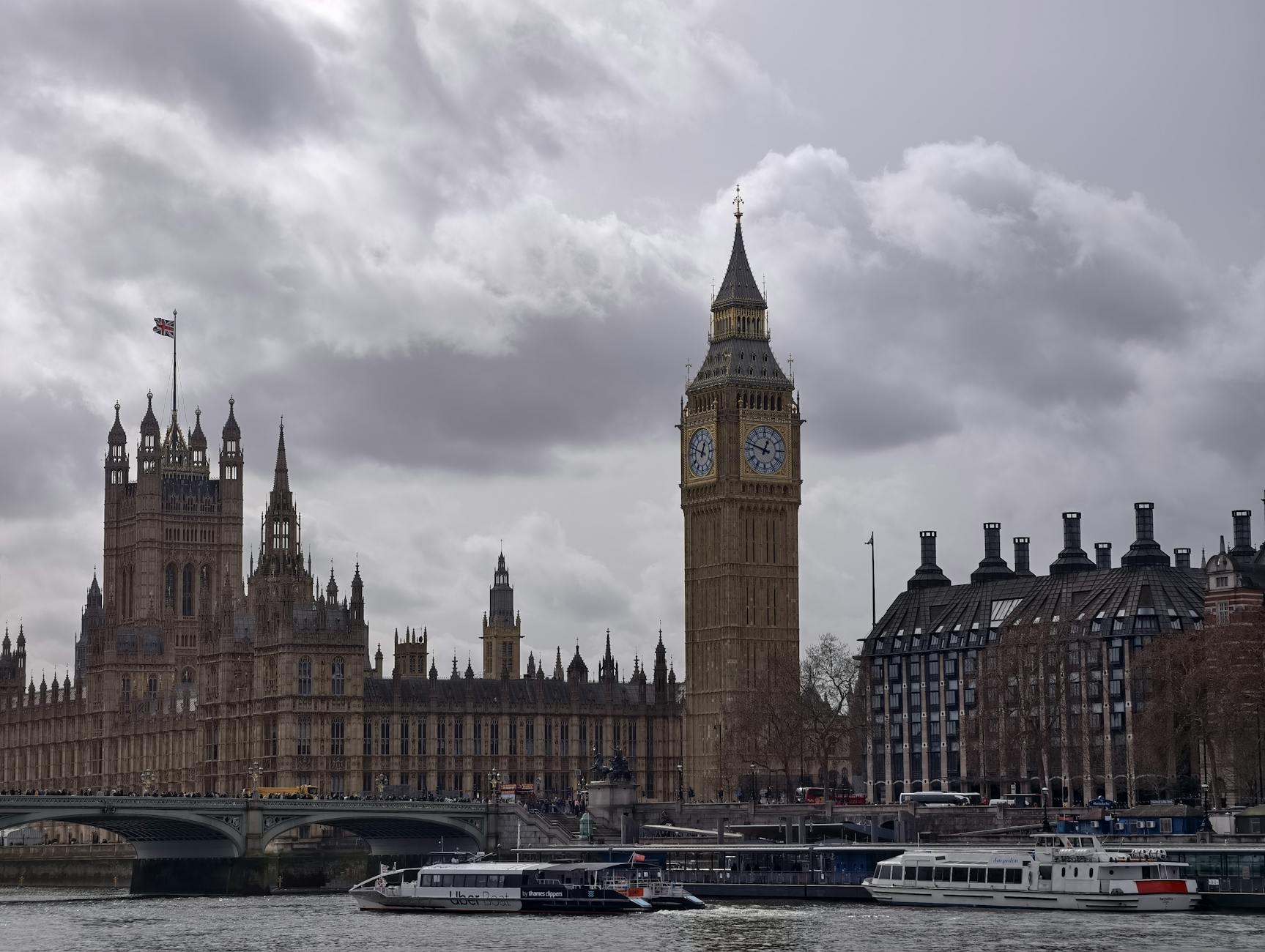
London is generous to first-time visitors, but it is not small, and it does not reward a list that treats every famous place as equally urgent. The city is layered: royal and parliamentary London, museum London, theater London, river London, market London, neighborhood London, and the everyday transport city that holds all of it together. A short first visit should feel full, not frantic. The best plan gives the traveler a clear base, a manageable first day, a few clustered high-value experiences, and a realistic way to move when rain, crowds, or tired legs change the day.
Do not plan London as a checklist
The first-time mistake is trying to turn London into a forced march: Tower of London, Westminster, Buckingham Palace, British Museum, Covent Garden, Harrods, Notting Hill, Camden, Greenwich, and a West End show all competing for the same short trip. London can absorb that ambition, but the traveler usually cannot. The result is often a trip remembered as stations, queues, rain jackets, and tired feet rather than as a city.
A better first visit chooses two or three strong clusters and lets them breathe. Westminster and St. James's can sit together. The South Bank and Tate Modern can sit together. The British Museum, Bloomsbury, Covent Garden, and the West End can form a day with fewer wasted transfers. The Tower, Tower Bridge, Borough Market, and a river walk can become another coherent day. The point is not to see less; it is to stop losing the city between attractions.
- Build days around clusters, not isolated landmarks.
- Leave unscheduled space for meals, weather, queues, and wandering.
- Cut one famous item before the schedule becomes a transport exercise.
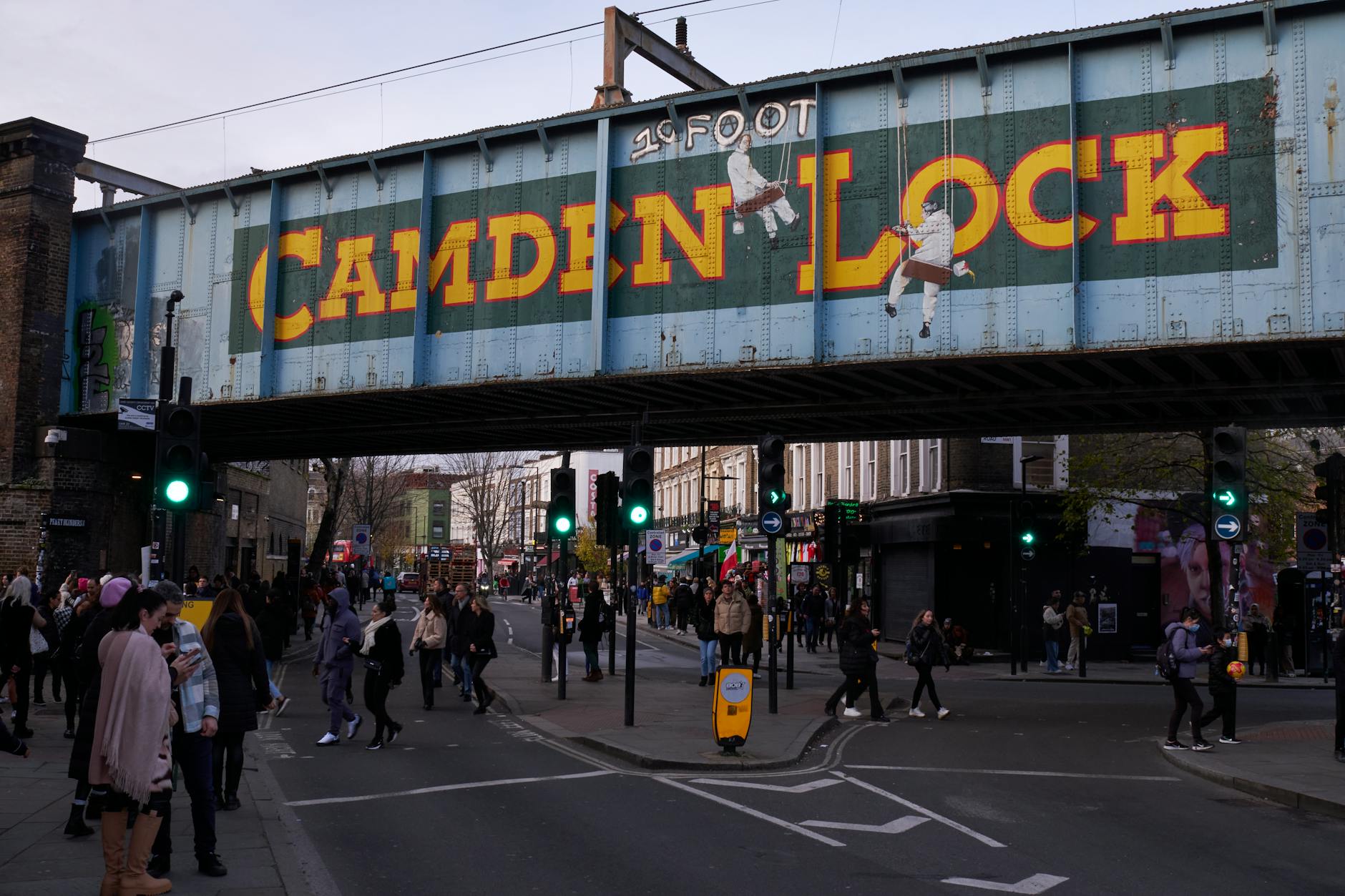
Choose a base that supports the first trip
The best first-time base is not automatically the most famous hotel district. It is the place that makes the first morning, last evening, and repeated returns simple. Covent Garden, Bloomsbury, Westminster, South Bank, Marylebone, South Kensington, and parts of the City can all work, but they create different trips. A visitor focused on museums and theater may need a different base from a visitor focused on royal London, shopping, and classic sightseeing.
The hotel should be judged by practical rhythm: direct airport access or easy transfer, simple Tube or walking routes, restaurants nearby after a long day, and a neighborhood that feels comfortable at night. A cheaper hotel far outside the center can make sense for a longer stay, but it is often a bad trade on a short first visit. Time and ease are part of the purchase.
- Pick the hotel after choosing the main sightseeing clusters.
- Check evening food and return options near the hotel, not only daytime attractions.
- Avoid distant savings that consume the first and last useful hours of each day.
Make arrival boring on purpose
A first-time visitor should not make the airport transfer the hardest part of the trip. Heathrow, Gatwick, London City, Stansted, and Luton all feed London differently. The Elizabeth line can make Heathrow feel straightforward for many central bases. The Heathrow Express may suit Paddington-area hotels. Gatwick rail can work well, but the onward transfer matters. A black cab or pre-booked car may be worth it when luggage, late arrival, children, fatigue, or anxiety changes the equation.
The arrival plan should be decided before boarding the flight. Know the route, payment method, likely travel time, and backup. London is navigable, but a tired traveler standing in an arrivals hall with a phone battery fading and no clear plan is already losing the first day. The goal is a quiet transfer, a clean check-in or bag drop, and a first walk that feels deliberate rather than scrambled.
- Choose the airport transfer around the hotel, luggage, arrival time, and fatigue.
- Use contactless payment confidently, but keep a backup card available.
- Plan the first afternoon lightly after an overnight or long-haul arrival.
Learn the transport habits, not every line
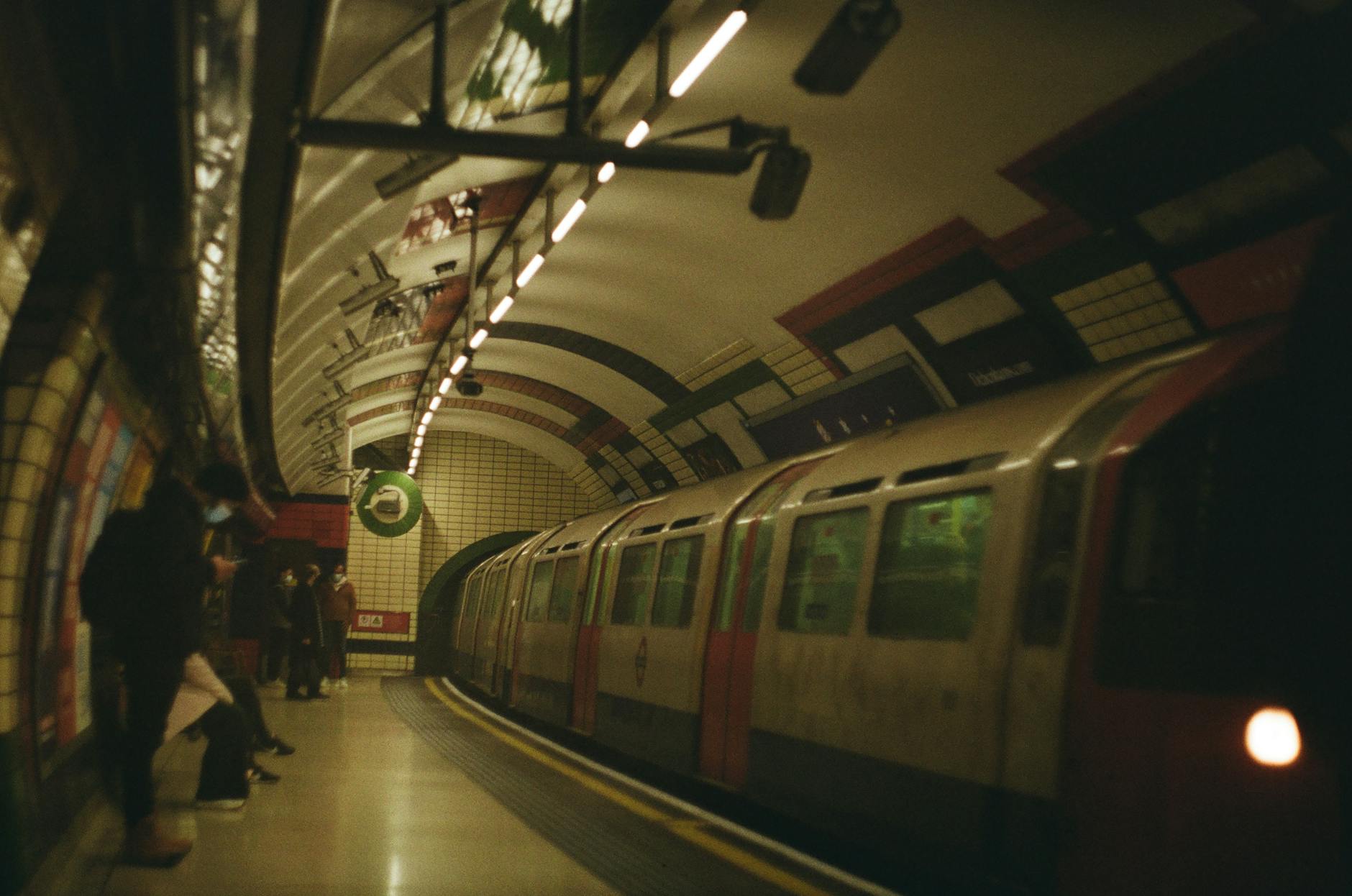
First-time visitors do not need to memorize the whole Underground map. They need a few habits: stand on the right on escalators, tap in and out correctly, check platform direction, avoid blocking ticket barriers, and know when walking is simpler than changing lines. Many central trips are shorter and more pleasant above ground than they appear on a transit map.
The Tube is excellent, but it can be crowded, warm, and tiring. Buses show more of the city and can be useful when the route is direct. Black cabs are expensive but valuable for short controlled moves, bad weather, mobility constraints, or late returns. Ride-hailing can work, but pickup points and traffic matter. The best first-time visitors use transport as a tool, not as a test of competence.
- Walk when the route is direct and the weather supports it.
- Use the Tube for clean cross-city moves, but do not force every short trip underground.
- Keep a cab or car fallback for rain, late evenings, tired travelers, and luggage.
Book the things that actually need booking
London mixes free museums, ticketed attractions, timed entries, popular restaurants, theater, and seasonal events. A first-time visitor should not over-reserve every hour, but some decisions should be made early. West End shows, special exhibitions, major restaurants, afternoon tea, the Tower of London in peak periods, and high-demand seasonal events can all punish vague planning.
The useful approach is to anchor each day with one or two fixed commitments and leave the rest flexible. A timed museum entry in the morning and a show at night can work if the afternoon is not overloaded. A Tower visit and Borough Market can work if the traveler leaves room for the river, not a rushed leap across town. London is at its best when the visitor has enough structure to enter the right doors and enough freedom to notice what sits between them.
- Book shows, special exhibitions, popular restaurants, and peak-season attractions early.
- Use one or two fixed commitments per day, not five.
- Keep weather-flexible indoor options ready rather than forcing the outdoor plan.
Treat crowded places with city discipline
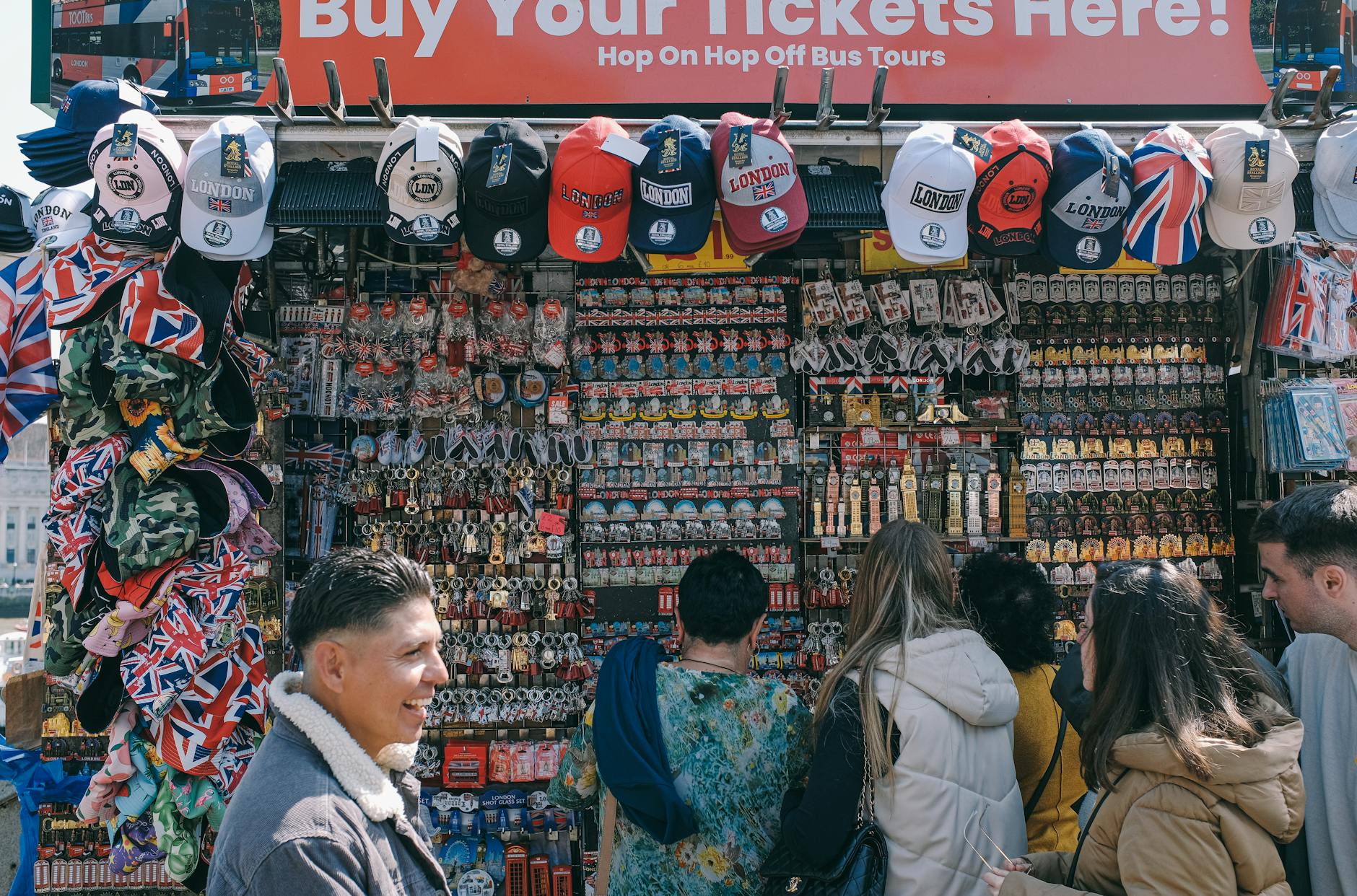
London is a comfortable city for many visitors, but comfort should not become carelessness. The places first-time visitors most want to see are also places where distraction is predictable: Westminster Bridge, Leicester Square, Oxford Street, Covent Garden, major stations, markets, museum entrances, and busy Tube platforms. The main concern is usually opportunistic theft, phone snatching, bag loss, and simple confusion rather than dramatic danger.
The discipline is ordinary: keep the phone controlled near the curb, zip bags, avoid setting valuables on cafe tables, separate passport and card backups, and step aside before checking directions. After theater, pubs, or late dinners, choose a clear return route. London evenings can be wonderful, but tired visitors carrying shopping bags and staring at maps are easier to unsettle than visitors who already know how they are getting back.
- Control phones and bags in crowded tourist areas and around major stations.
- Step out of pedestrian flow before checking maps or messages.
- Plan the return from theater, pubs, and late dinners before leaving the hotel.
When to order a short-term travel report
A confident first-time visitor with a flexible schedule may not need a custom report. A family on a short trip, an older traveler, a traveler arriving late, someone with mobility or medical constraints, or anyone trying to combine sightseeing with formal obligations may benefit from a sharper plan. The report should test the actual hotel, airport, travel dates, daily clusters, transport choices, current local signals, and traveler limitations together.
For London, the report is most useful when the visitor wants help deciding where to stay, what to cut, how to structure the first day, which routes are realistic, and what needs to be rechecked before departure. The goal is not to make a first trip rigid. The goal is to keep the city open, legible, and enjoyable without wasting the visit on avoidable friction.
- Order when the trip is short, expensive, mobility-sensitive, family-heavy, or hard to redo.
- Use exact hotel options, flight timing, and must-see priorities in the request.
- Ask the report to identify what to cut as well as what to keep.