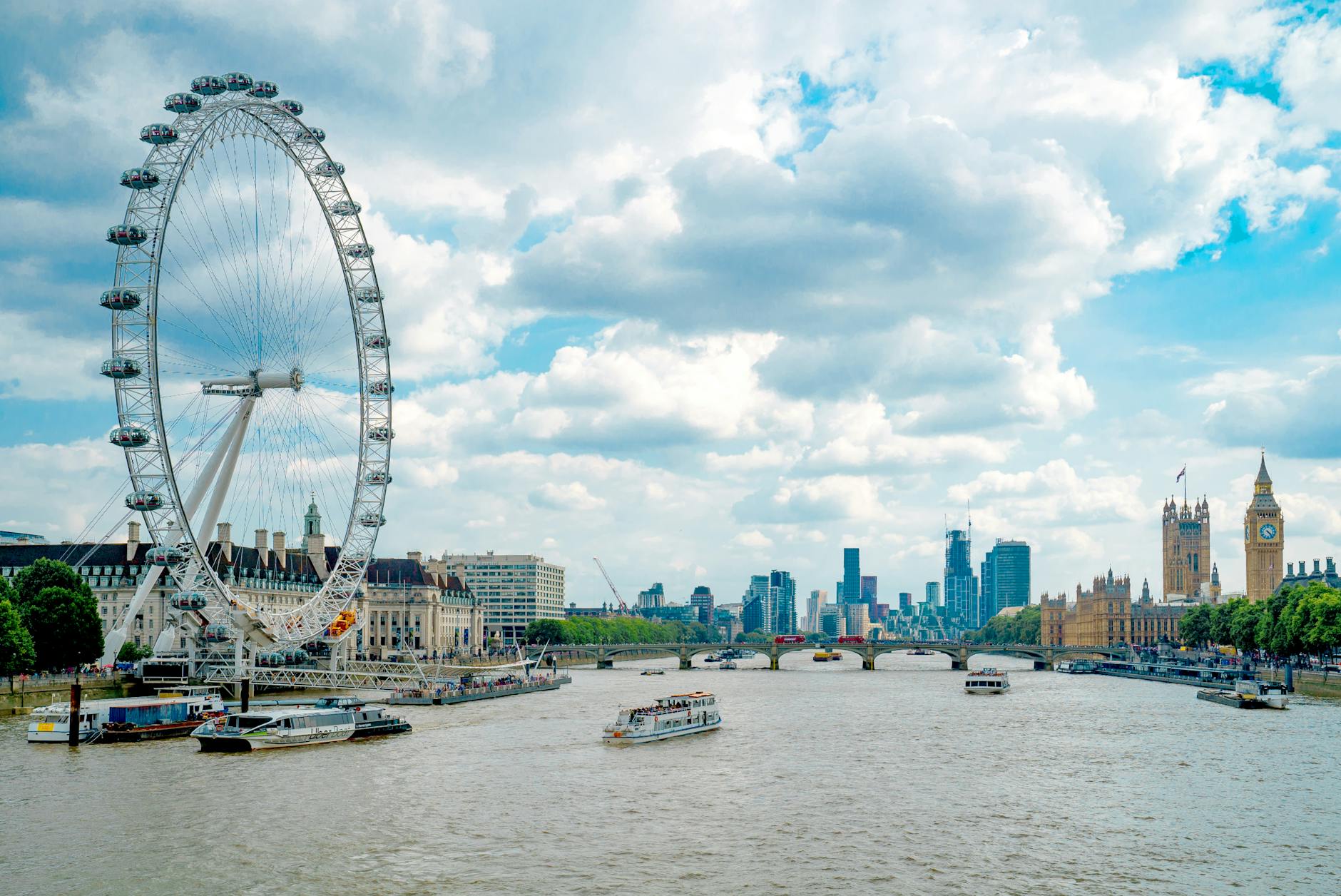
Family travel to London succeeds when the city is treated as a series of manageable days, not as a checklist of famous sights. The museums, parks, river walks, theater, buses, trains, markets, and historic streets can be excellent for children, but London also punishes over-scheduling. Distances look smaller than they feel with a stroller, a tired child, a wet coat, or a hotel room that is one awkward transfer too far from dinner. The right family plan does not make London smaller. It chooses a base, arrival method, and daily rhythm that keep the city absorbing instead of exhausting.
Choose the hotel around family recovery
For families, the best London base is the one that makes ordinary recovery easy. A hotel can be close to landmarks and still be wrong if dinner, laundry, stroller storage, pharmacy access, or the final walk from the Tube becomes a daily burden. Bloomsbury, South Kensington, Covent Garden, Marylebone, Westminster, the South Bank, and parts of Kensington can work well because they combine transport, food, parks, museums, and manageable evening movement. The right answer depends on the age of the children and the family's tolerance for stairs, crowds, and late returns.
A family should test the hotel against the worst hour of the day, not the best one. How does it feel to return at 5:30 p.m. in rain? Can one adult get food nearby while another stays with a sleeping child? Is there a park or low-pressure walk close enough to use without creating a production? These questions matter more than a slightly larger room in a location that strands the family after dark.
- Pick the base for evening recovery, food, pharmacy access, and simple returns.
- Treat South Kensington, Bloomsbury, Covent Garden, Marylebone, Westminster, and South Bank as strong family candidates.
- Do not let a cheaper room create daily transport friction for tired children.

Plan airport arrival around luggage and fatigue
London's airports offer good options, but family arrival is not the place to improvise. Heathrow can work smoothly by Elizabeth line, Heathrow Express, Tube, black cab, or pre-booked car, but each choice behaves differently when children are tired and luggage is spread across several hands. Gatwick, Luton, and Stansted can also be practical, yet they depend more heavily on rail timing and the onward route from the London terminal.
The family should know the first route, backup route, and decision point before landing. Rail may be best when the hotel is directly connected and luggage is manageable. A car may be better after a long flight, late arrival, heavy rain, or when the family has car seats, a stroller, or multiple bags. The cost of a smoother transfer can be lower than the cost of starting the trip with everyone depleted.
- Decide the airport-to-hotel route before departure, including the backup.
- Use rail only when the route is direct enough for luggage and children.
- Consider a pre-booked car when arrival is late, wet, or fatigue-heavy.
Respect the transport system's family friction
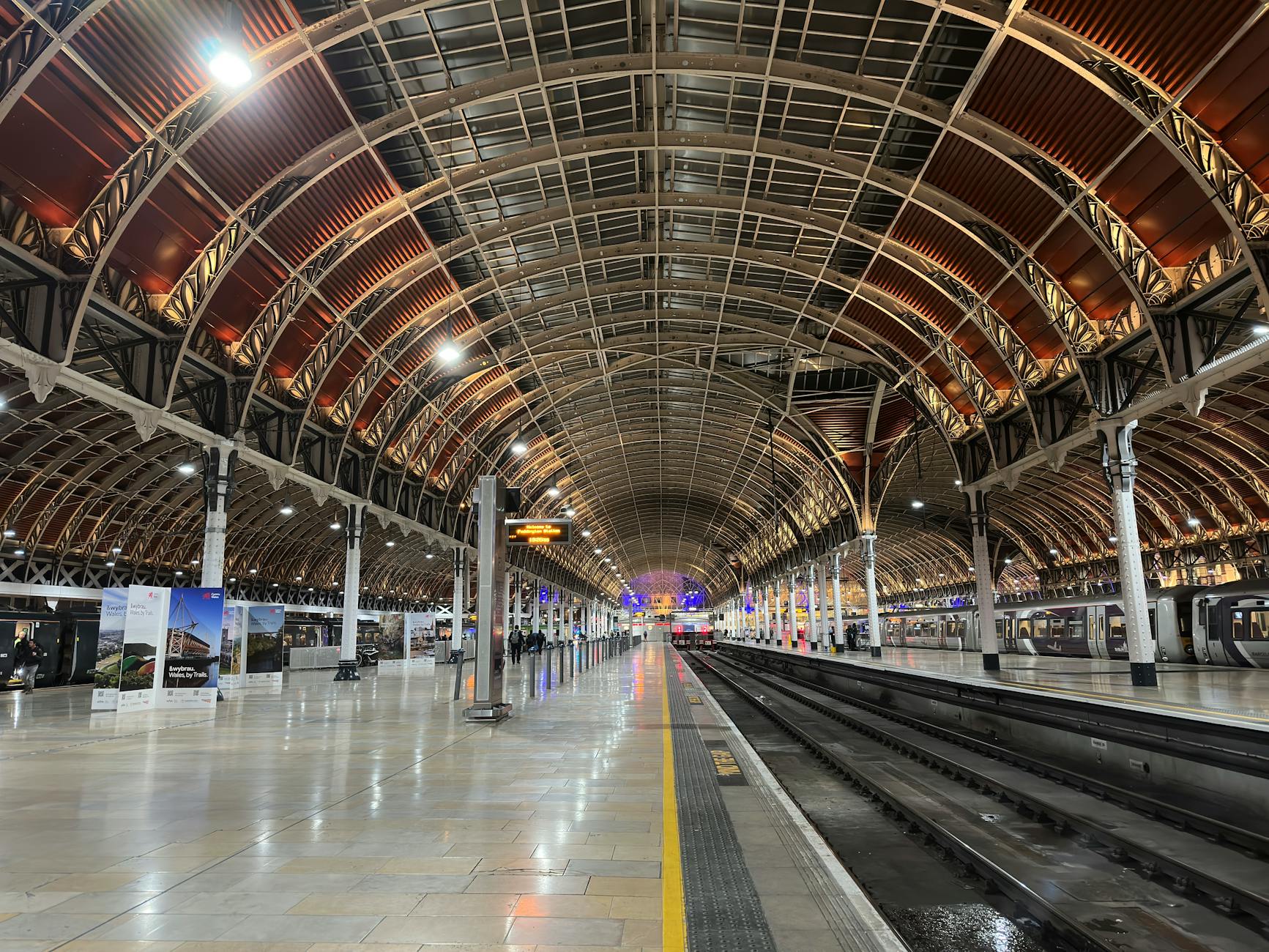
London transport is strong, but it is not uniformly family-simple. Some Tube stations have step-free access; many do not. Buses can be useful for short hops and street-level sightseeing, but they can be slow in traffic. The Elizabeth line is often easier with luggage or a stroller than older Tube lines. Black cabs can simplify short movements, especially when children are tired, but road congestion can turn a simple trip into a long one. A family plan should choose transport by the day, not by ideology.
The practical rule is to protect the hardest transitions: morning departures, post-lunch slumps, and evening returns. A family may enjoy taking the Tube to a museum in the morning and still need a cab back after a wet afternoon. Parents should check step-free routing when a stroller or mobility issue matters, keep contactless payment simple, and avoid changing lines too many times with children in tow.
- Check step-free access before committing to Tube routes with strollers or tired children.
- Use buses and black cabs selectively, especially for short or weather-sensitive moves.
- Reduce interchanges; the easiest route is often better than the fastest route on paper.

Build days around one anchor, not four attractions
London's family attractions are strong enough that the main risk is doing too much. The Natural History Museum, Science Museum, Tower of London, London Transport Museum, British Museum, Westminster river walk, South Bank, parks, theater, markets, and neighborhood wandering can each absorb more time than a map suggests. Families should choose one primary anchor for the day and then add nearby, low-pressure options rather than stacking distant highlights.
A South Kensington museum day should not automatically become a Tower Bridge day. A Westminster walk can pair naturally with St. James's Park or the South Bank, but not every famous sight needs to be captured. Younger children need space to reset. Older children may tolerate more movement but still benefit from clear food and rest points. The best family itinerary gives the day a shape without turning the children into passengers in an adult race.
- Choose one main attraction or district per day, then add nearby flexible options.
- Pair museums and sights with parks, cafes, or river walks that allow recovery.
- Leave room for weather, queues, bathroom stops, and child attention spans.

Use parks and quiet intervals deliberately
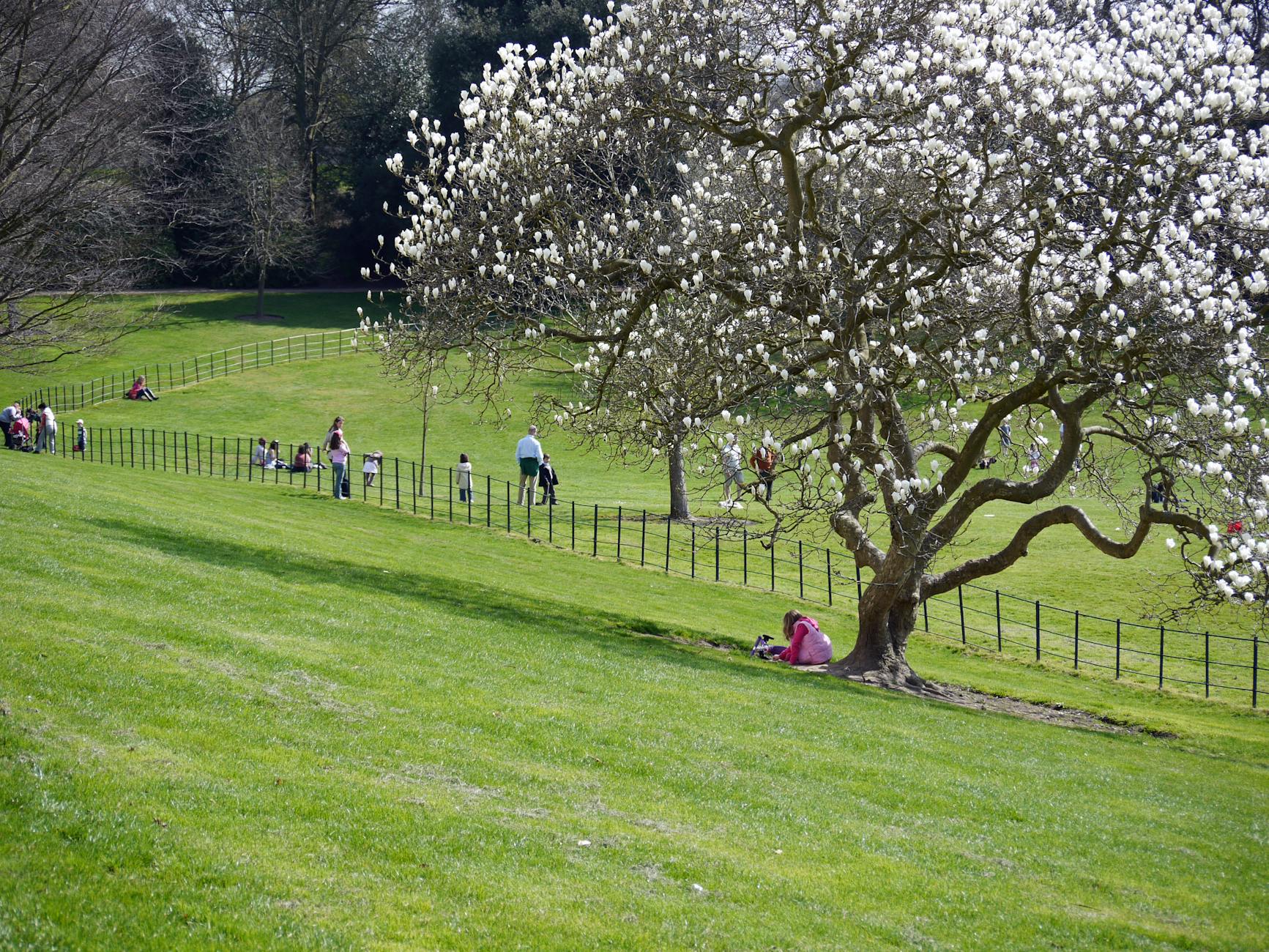
London's parks are not filler for families; they are part of the operating plan. Regent's Park, Hyde Park, Kensington Gardens, St. James's Park, Green Park, Battersea Park, and smaller neighborhood squares can rescue a day that would otherwise become too crowded or indoor-heavy. They also give children a place to move without every minute costing money or requiring adult narration.
Downtime should be scheduled before the family is already fraying. A morning museum followed by a park or hotel break can be better than pushing through another landmark. Weather matters, but London does not need perfect weather to work; it needs backup plans. Families should know which nearby indoor option, cafe, or transport route replaces a park if rain turns from manageable to miserable.
- Treat parks and hotel breaks as part of the itinerary, not as wasted time.
- Use green space after museums, shopping streets, or dense sightseeing.
- Keep a rainy-day substitute near each outdoor plan.
Food and medical access should be mapped early
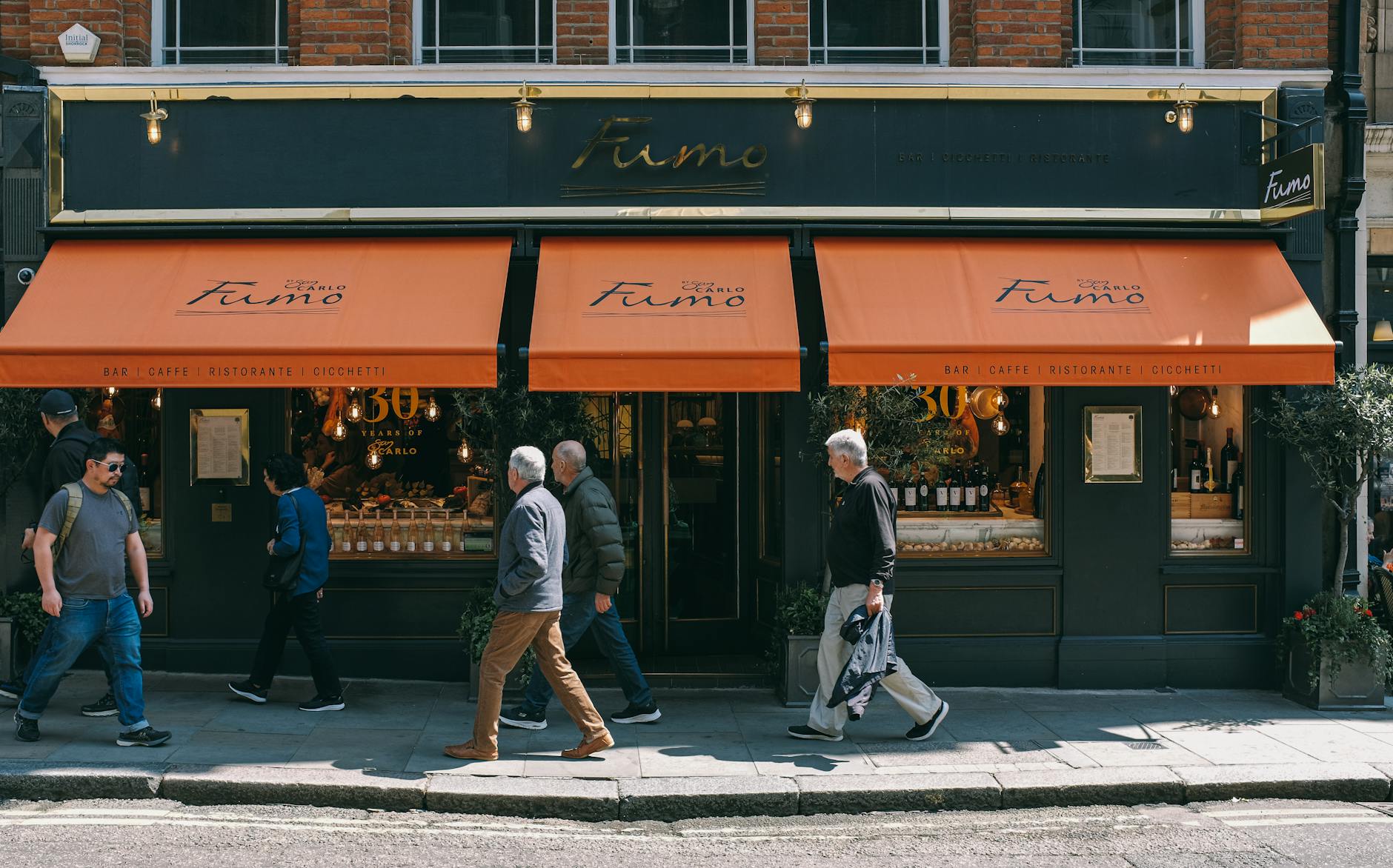
Family meals in London can be easy if the plan is realistic. The city has endless options, but tired children narrow those options quickly. Families should identify several near-hotel meals, a few easy lunch areas near planned sights, and one or two reservations only if the timing is genuinely compatible with the children's day. Markets, museum cafes, casual restaurants, hotel dining, and early dinners often work better than ambitious late meals.
Medical access deserves similar quiet planning. Parents should know the nearest pharmacy, understand how to reach urgent care if needed, and carry essential medications in hand luggage rather than checked bags. London has strong medical resources, but a short trip can still be disrupted by a fever, allergy, minor injury, or prescription issue. The family does not need to be anxious; it needs to avoid starting from zero when a child is unwell.
- Map near-hotel food before arrival, including one easy fallback for the first night.
- Use early meals, museum cafes, markets, and casual restaurants when the day is child-heavy.
- Know the nearest pharmacy and keep essential medications accessible.
When to order a short-term travel report
A family returning to a familiar London hotel with older children may not need a custom report. A first visit, younger children, a stroller, dietary constraints, medical needs, a late arrival, multiple museums, theater plans, or a tight school-holiday schedule changes the equation. The report should test the hotel area, airport transfer, family transport friction, food geography, medical access, rainy-day options, and whether the planned days are coherent for the actual children traveling.
The value is not a generic child-friendly London list. The value is a trip shape that fits one family: where to stay, which movements to simplify, when to spend for a cab, which attractions belong together, where to eat without stress, and how to keep the adults from spending the entire visit solving logistics. A good family London plan leaves enough energy for the children to remember the city, not just endure it.
- Order when children, stroller use, medical needs, food constraints, or late arrival make logistics sensitive.
- Include ages, hotel candidates, airport, arrival time, must-see sites, dietary needs, and mobility limits.
- Use the report to make fewer, better days rather than a longer list of attractions.