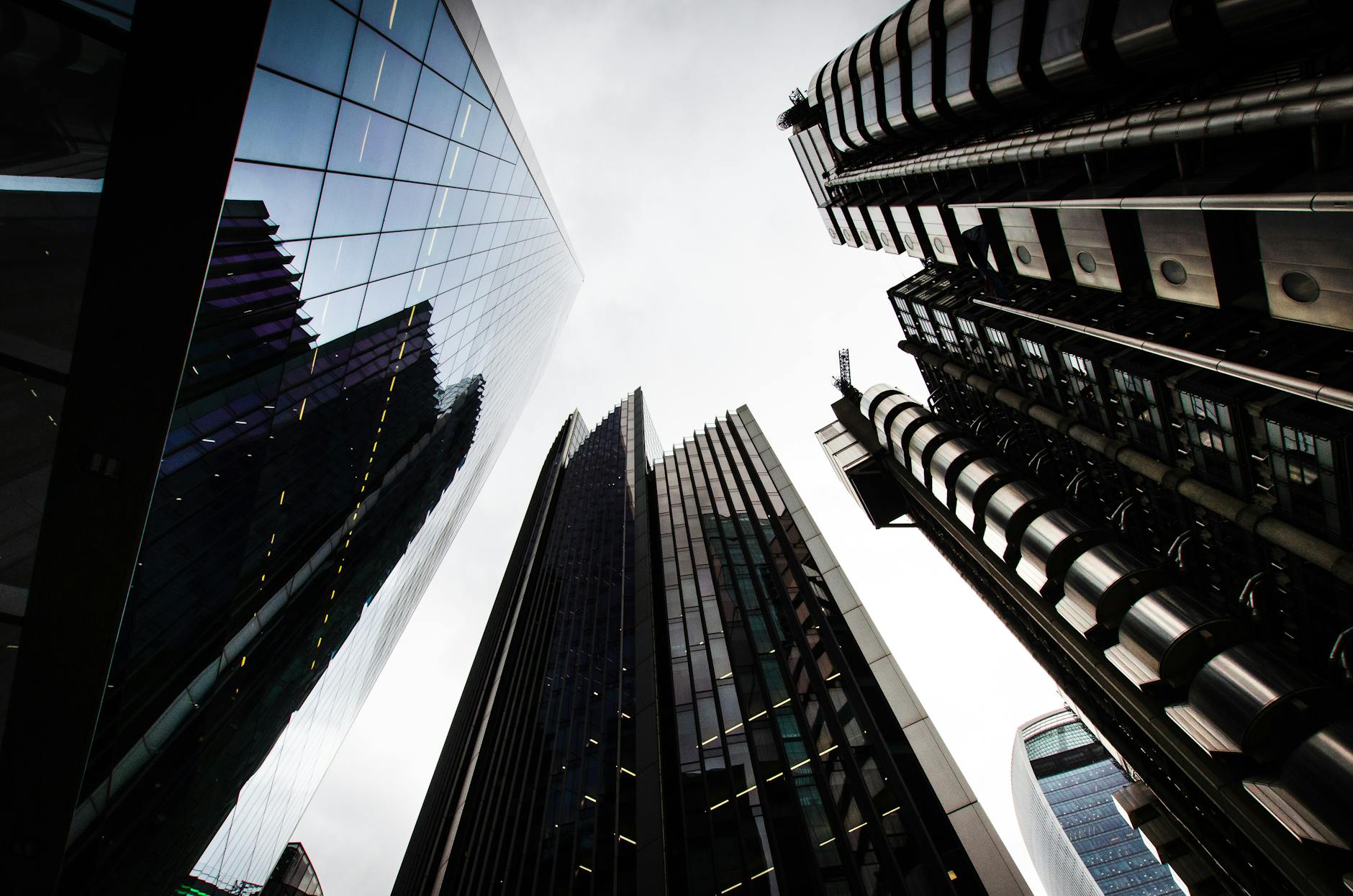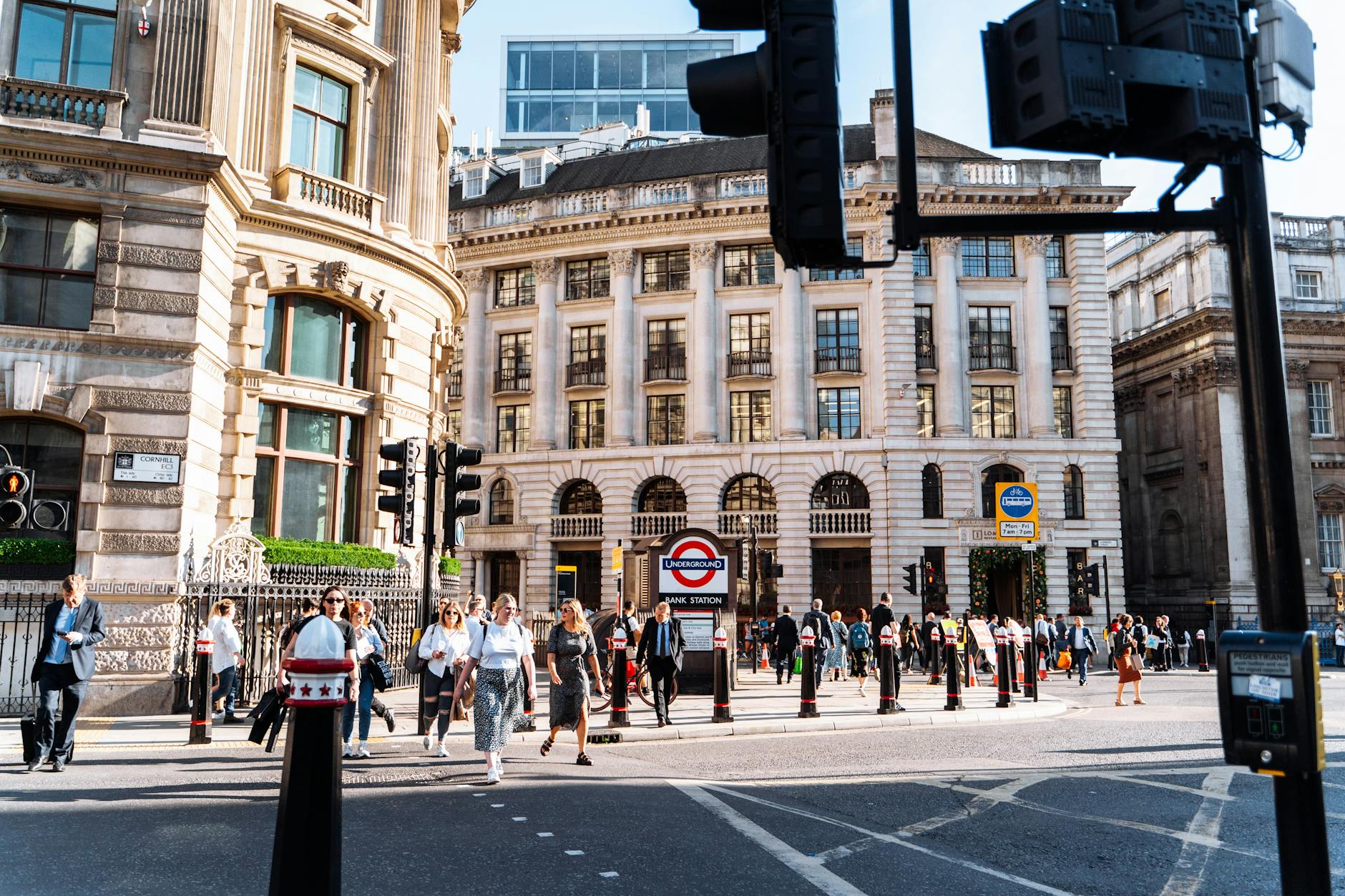
A consultant's short-term trip to London is different from an ordinary business visit. The traveler may spend several days embedded at a client site, run workshops, conduct stakeholder interviews, move between offices, protect sensitive materials, and finish analysis or slide work at night. The problem is rarely whether London has enough hotels, trains, restaurants, or meeting rooms. The problem is choosing the right version of London for the assignment: City, Canary Wharf, King's Cross, Paddington, White City, Shoreditch, Westminster, a suburban campus, or a client office outside the center. A strong plan keeps the consultant close enough to the client to work well, rested enough to think clearly, and private enough to handle confidential work without constant improvisation.
Map the client site before choosing the hotel
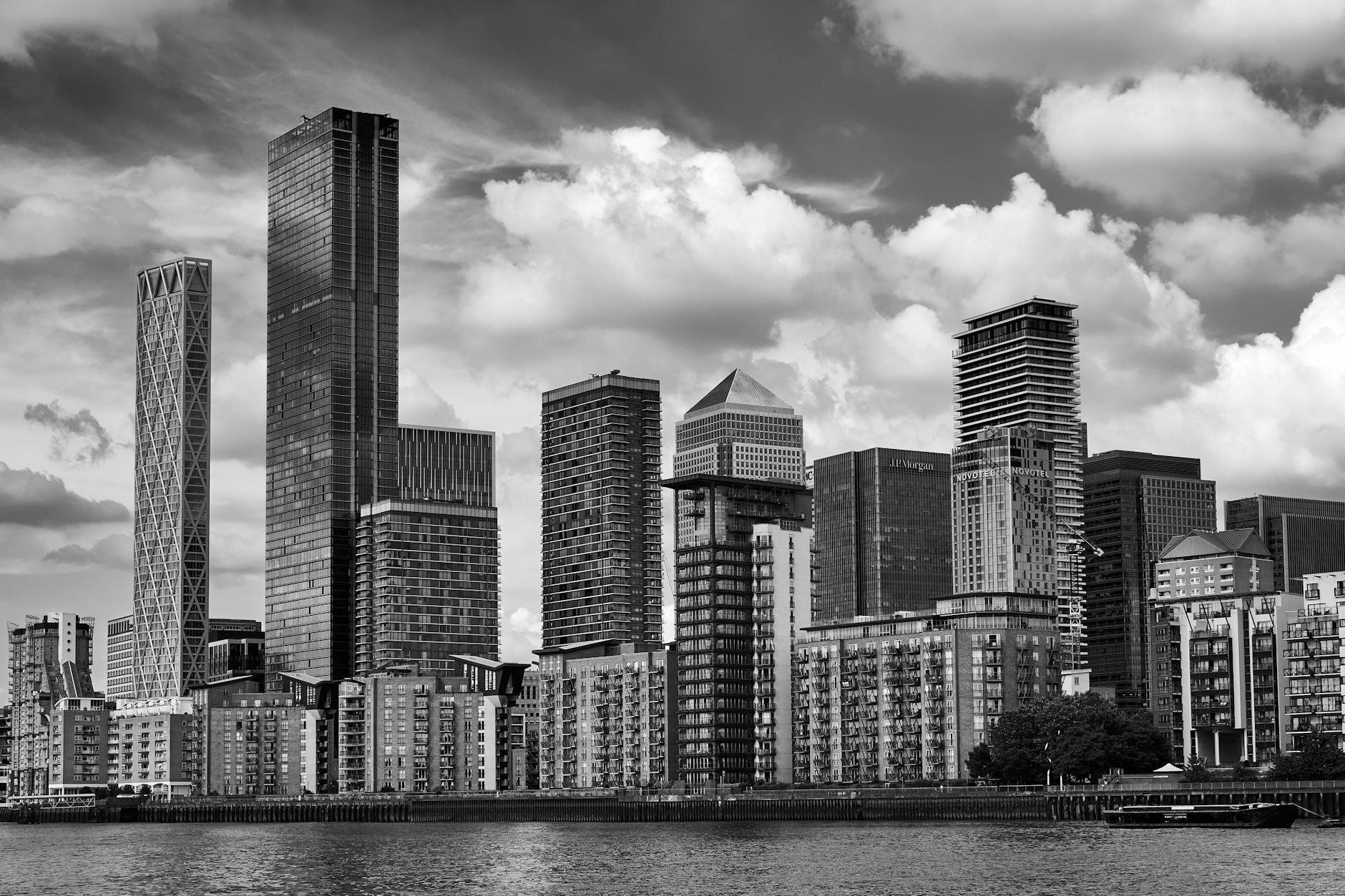
A consultant should start with the exact client location, not with a general desire to stay somewhere central. London's business geography is fragmented in ways that matter after three or four long client days. A project near Bank, Liverpool Street, or Fenchurch Street feels very different from one in Canary Wharf, King's Cross, Paddington, White City, Westminster, Hammersmith, Stratford, Croydon, or a suburban office park. The wrong hotel can turn every morning into a small failure before the work has even started.
The hotel decision should account for the client's entrance, visitor-badge process, likely start time, evening work pattern, and whether the consultant will carry a laptop, printed materials, workshop supplies, or overnight bag between sites. A West End hotel may be pleasant but awkward for a Canary Wharf project. A Docklands hotel may be efficient for ExCeL or Canary Wharf but poor for a week split across Mayfair and the City. For consultants, the best base is the one that protects the working rhythm.
- Treat City, Canary Wharf, King's Cross, Paddington, White City, and suburban client sites as different operating areas.
- Map the exact entrance and visitor route before deciding that a hotel is close enough.
- Favor a base that reduces repeated morning friction, not just one that looks attractive on a map.
Protect the repeat commute
A consultant may make the same journey twice a day for most of the trip, so the commute deserves more attention than it would for a single meeting. The Underground, Elizabeth line, DLR, Thameslink, National Rail, buses, walking, black cabs, and app-based cars can all be useful, but each has weak spots. A route that is acceptable once with light luggage may be punishing after a late workshop, in bad weather, or during a service disruption.
The plan should identify the primary route, a credible backup, and the moment when a car is worth the cost. If the client is in Canary Wharf, the Elizabeth line, Jubilee line, DLR, and river geography all matter. If the client is near the City, walking time from Bank, Moorgate, Liverpool Street, or Cannon Street may decide the hotel choice. If the site is outside central London, rail frequency and last-train timing become part of the project risk. The goal is not to remove all friction; it is to keep transport from consuming the consultant's attention.
- Build a primary commute and a realistic fallback before the first client day.
- Check planned engineering works, strikes, station closures, and line disruptions before finalizing the base.
- Use cars selectively for late returns, heavy materials, or routes where reliability is worth more than savings.
Choose a hotel that can become a temporary office
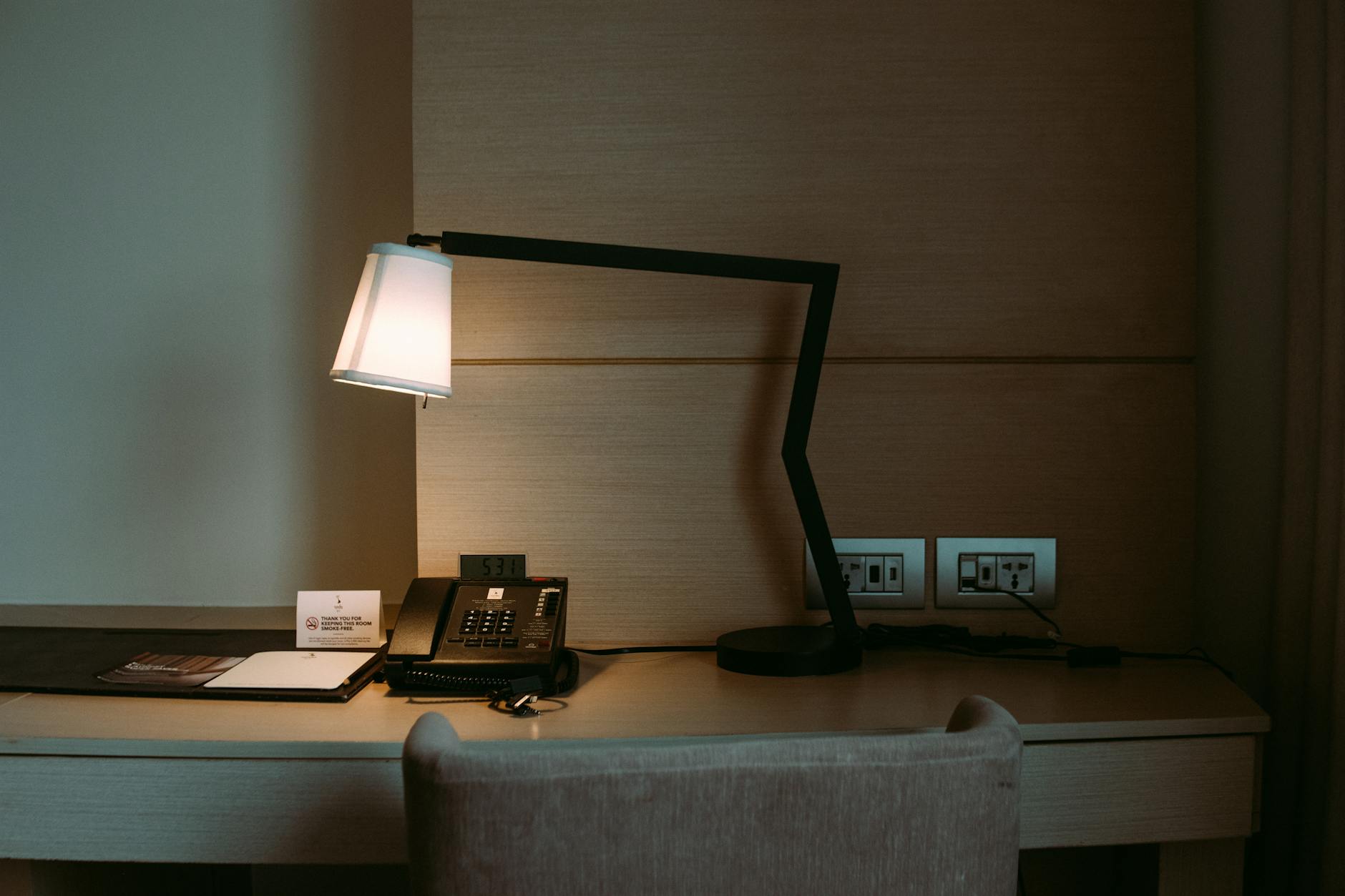
A consultant's hotel room often becomes the second workplace. That means the room needs more than a bed and a good address. Desk height, chair comfort, Wi-Fi reliability, quiet, lighting, outlets, laptop privacy, laundry, room-service timing, nearby food, and the ability to take calls without lobby noise can affect the quality of the work. A beautiful room with a small decorative table can be the wrong room for a deliverable-heavy trip.
The public areas matter too. A lobby may be useful for informal meetings, but it is usually a poor place for confidential calls. A business center may help with printing, but many London hotels have reduced these services or moved them behind request desks. If the consultant expects late deck work, file review, or calls with a home office in another time zone, the hotel should be selected for workability, not just style.
- Confirm desk, chair, outlets, Wi-Fi, quiet, laundry, and food access before treating a hotel as project-ready.
- Avoid relying on lobby space for confidential or concentration-heavy work.
- Plan late-night work around time-zone calls, food options, and the need to sleep before the next client day.
Handle workshops and stakeholder interviews deliberately
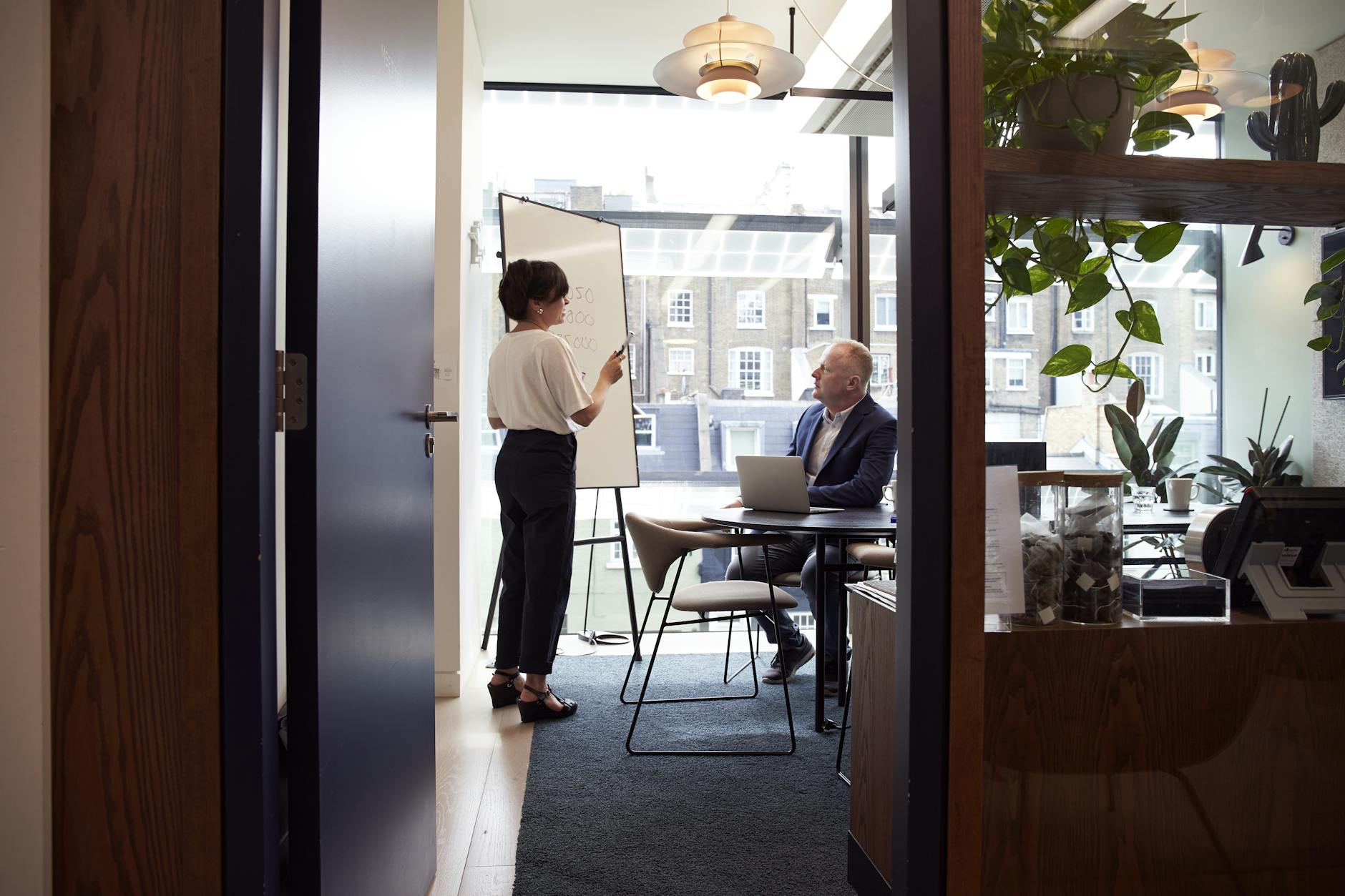
Consulting trips often revolve around moments that are easy to underestimate: the first workshop, a room full of skeptical stakeholders, a discovery interview, a steering meeting, or a whiteboard session that determines the rest of the engagement. London client sites may have strict reception procedures, security floors, visitor Wi-Fi, room booking limits, printing constraints, and hybrid-meeting setups that are not obvious until the consultant arrives.
Before travel, the consultant should confirm who owns the room, whether outside guests can enter easily, whether laptops can connect to screens, whether materials can be printed onsite, and whether the day requires post-workshop space to synthesize notes. A workshop that ends at 5:30 p.m. may still require two hours of private work afterward. If the hotel, client office, and dinner plan do not support that, the trip can lose its intellectual center.
- Confirm room access, visitor badges, screen connection, Wi-Fi, printing, and whiteboard availability before arrival.
- Build time after workshops for synthesis while the details are still fresh.
- Do not schedule evening commitments so tightly that the consultant cannot convert the day's work into output.
Treat confidentiality and devices as part of travel planning
Consultants routinely carry client-sensitive information through airports, trains, hotels, cafes, and reception areas. London is not unusually hostile to business travelers, but it is crowded, camera-rich, and full of public spaces where screens, calls, documents, and conversations can be exposed. The risk is often mundane: a visible deck on a train, a confidential call in a hotel lobby, a laptop left during breakfast, or printed material handled casually between the client site and the hotel.
The plan should match the sensitivity of the engagement. Some trips need only ordinary device discipline. Others need privacy screens, encrypted storage, minimal printed material, careful call locations, and a decision about when not to work in public. Consultants should also consider how client visitor policies intersect with their own devices, cloud tools, VPN, roaming plan, and authentication requirements. A travel report cannot replace client security policy, but it can surface where travel habits might undermine it.
- Plan where confidential calls, document review, and deck work will actually happen.
- Use privacy screens, secure connectivity, and minimal paper when client sensitivity warrants it.
- Check roaming, VPN, MFA, and client-site device rules before the first working day.
Plan meals, decompression, and evening output
Consulting travel often treats meals as something that will somehow happen. In London, that can work for a tourist but fail for a consultant with long days, late calls, and a heavy cognitive load. A client-site lunch, a quick Pret, a formal dinner, room service, and a quiet meal near the hotel all support different kinds of work. The traveler should know which evenings are for client relationship-building and which evenings are for recovery and deliverables.
This matters because London gives consultants endless ways to overextend themselves. A dinner across town after a full workshop may look harmless on the calendar and become exhausting in practice. A hotel with weak nearby food options may push the consultant into another ride or another noisy restaurant when what the project really needs is rest and review. Good planning keeps the consultant sharp enough for the next morning.
- Separate relationship dinners from recovery nights and late deliverable nights.
- Check practical food options near both the client site and the hotel.
- Avoid cross-city evening plans unless the commercial value justifies the time and fatigue.
When to order a short-term travel report
A consultant visiting a familiar London client for a single meeting may not need a custom report. A consultant supporting a new client, a new site, a workshop-heavy engagement, a multi-office week, a high-confidentiality project, or a tight deliverable cycle should consider one. The report should examine client-site geography, hotel suitability, repeat commute, route fallbacks, working conditions, confidentiality concerns, evening output, food, disruptions, and the practical sequence of the trip.
The value is not a generic London overview. It is an engagement-specific travel plan that helps the consultant show up prepared, stay close to the work, and avoid avoidable friction. In consulting, the trip is judged by the quality of the thinking and client interaction, not by whether the traveler successfully reached London. The logistics should protect that standard.
- Order when client geography, multiple sites, workshops, confidentiality, or late deliverables make friction costly.
- Include client address, hotel candidates, meeting schedule, airport, mobility limits, device needs, and evening obligations.
- Use the report to protect working quality, not just to identify attractions near the hotel.