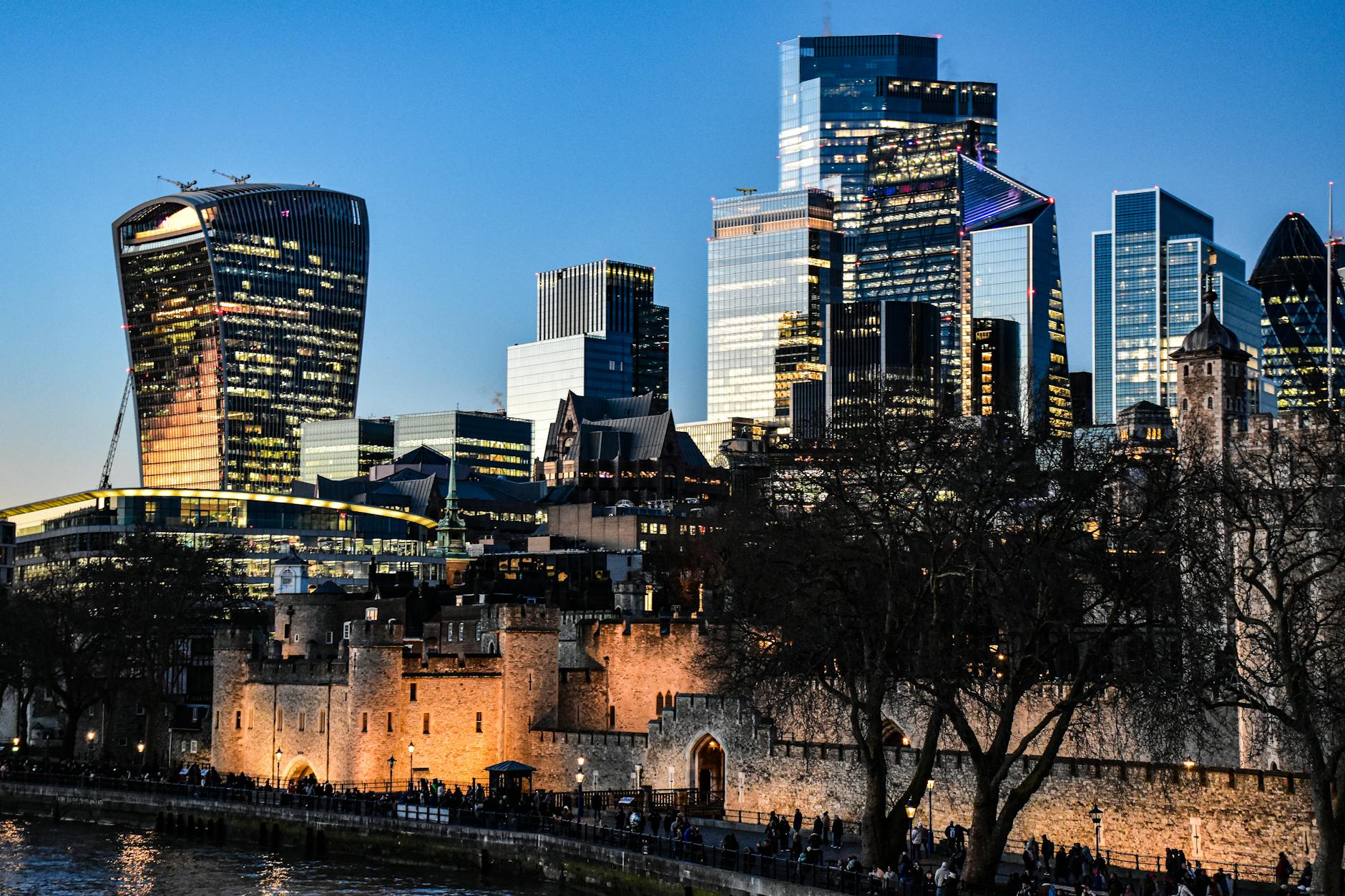
A conference trip to London is not the same as an ordinary business visit. The traveler is not simply moving from hotel to meeting and back. They may be carrying a badge, laptop, booth material, formal clothes, presentation notes, or promotional items; they may have early registration, back-to-back sessions, sponsor events, dinners, and informal meetings layered onto the official agenda. London can support all of that, but only if the plan respects venue geography. A conference at ExCeL, Olympia, the QEII Centre, the Barbican, a City hotel, Canary Wharf, or a West End venue creates a different operating problem. The right plan keeps the traveler close enough, rested enough, and mobile enough to use the conference rather than merely survive it.
Start with the venue, not the city
London is too large for a conference attendee to plan around the idea of being generally central. The first question is where the conference actually takes place and how the program behaves. ExCeL is a Docklands trip. Olympia is a west London trip. The QEII Centre is a Westminster trip. The Barbican is City-adjacent. Canary Wharf is its own business island. A hotel that sounds prestigious can be the wrong choice if it forces a cross-city commute before registration, an early keynote, or an evening sponsor event.
The venue also shapes how much of London the traveler can use. Some conference days leave room for dinners or meetings elsewhere. Others are dense enough that the best plan is to stay near the venue, keep meals simple, and protect sleep. Before booking, the traveler should map the venue entrance, registration point, nearest station, likely crowd flow, and any official evening locations.
- Treat ExCeL, Olympia, Westminster, Barbican, Canary Wharf, and hotel-based conferences as different trips.
- Map the venue entrance and registration route before choosing a hotel.
- Do not choose a glamorous hotel that weakens every program day.
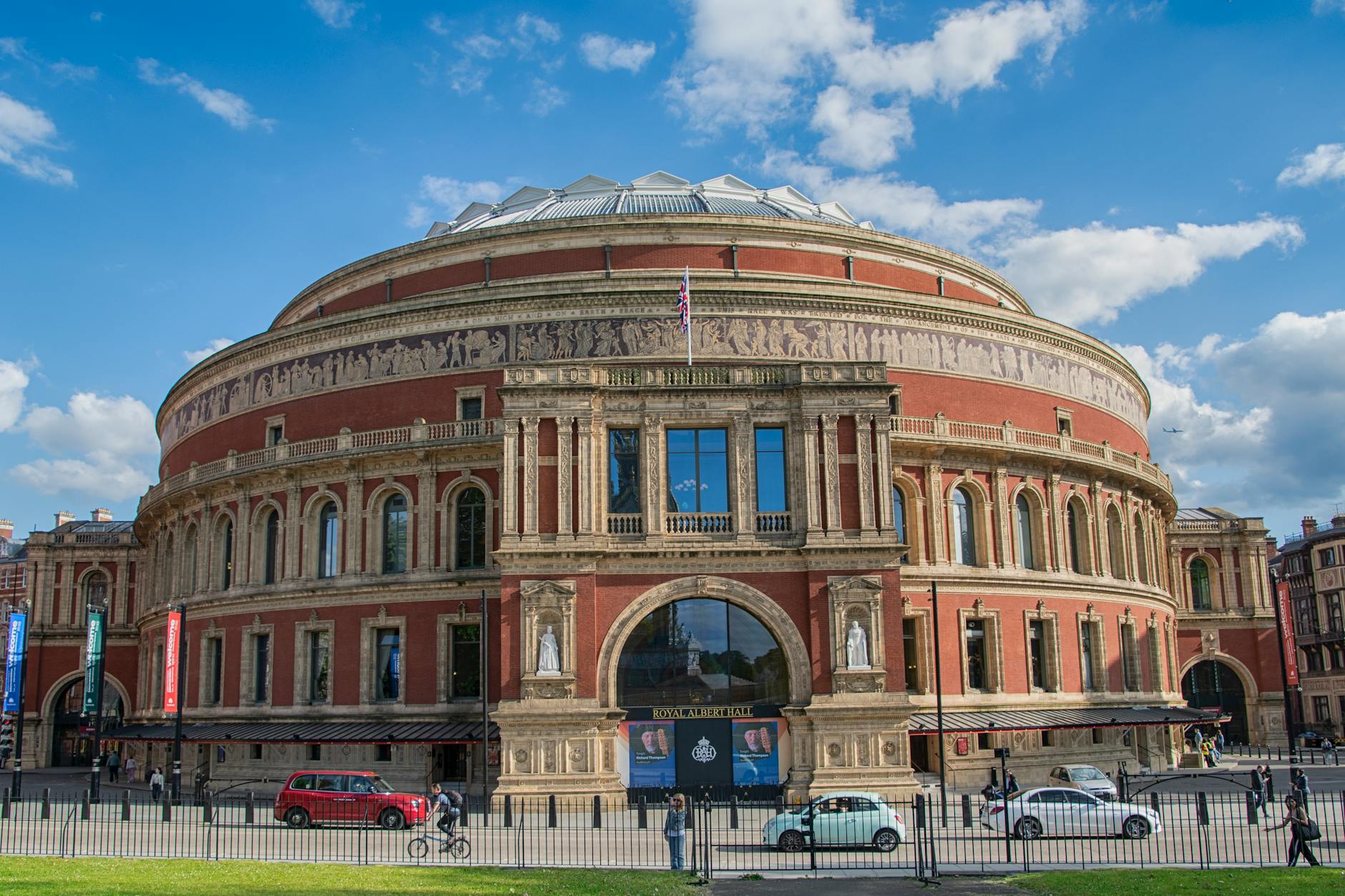
Choose a hotel that supports the program rhythm
A conference hotel is part bedroom, part office, part storage room, part recovery point, and part transport decision. The traveler may need to return between sessions, change for a reception, take a private call, drop materials, or recover from a crowded hall. The best hotel is often the one that makes these transitions easy, not necessarily the one with the strongest brand name.
For ExCeL, staying nearby can be worth more than a more exciting central address. For Westminster, a base near St. James's, Victoria, Westminster, or the South Bank can make sense. For the Barbican or City venues, the City, Clerkenwell, or parts of Shoreditch may work. If the traveler has dinners across the West End, that can change the hotel logic. The hotel should be tested against the whole agenda: morning sessions, evening events, side meetings, food, and the realistic desire to rest.
- Choose the hotel by program rhythm, not only by room quality.
- Value easy returns for laptop drops, wardrobe changes, calls, and recovery.
- Balance venue proximity against evening-event geography.
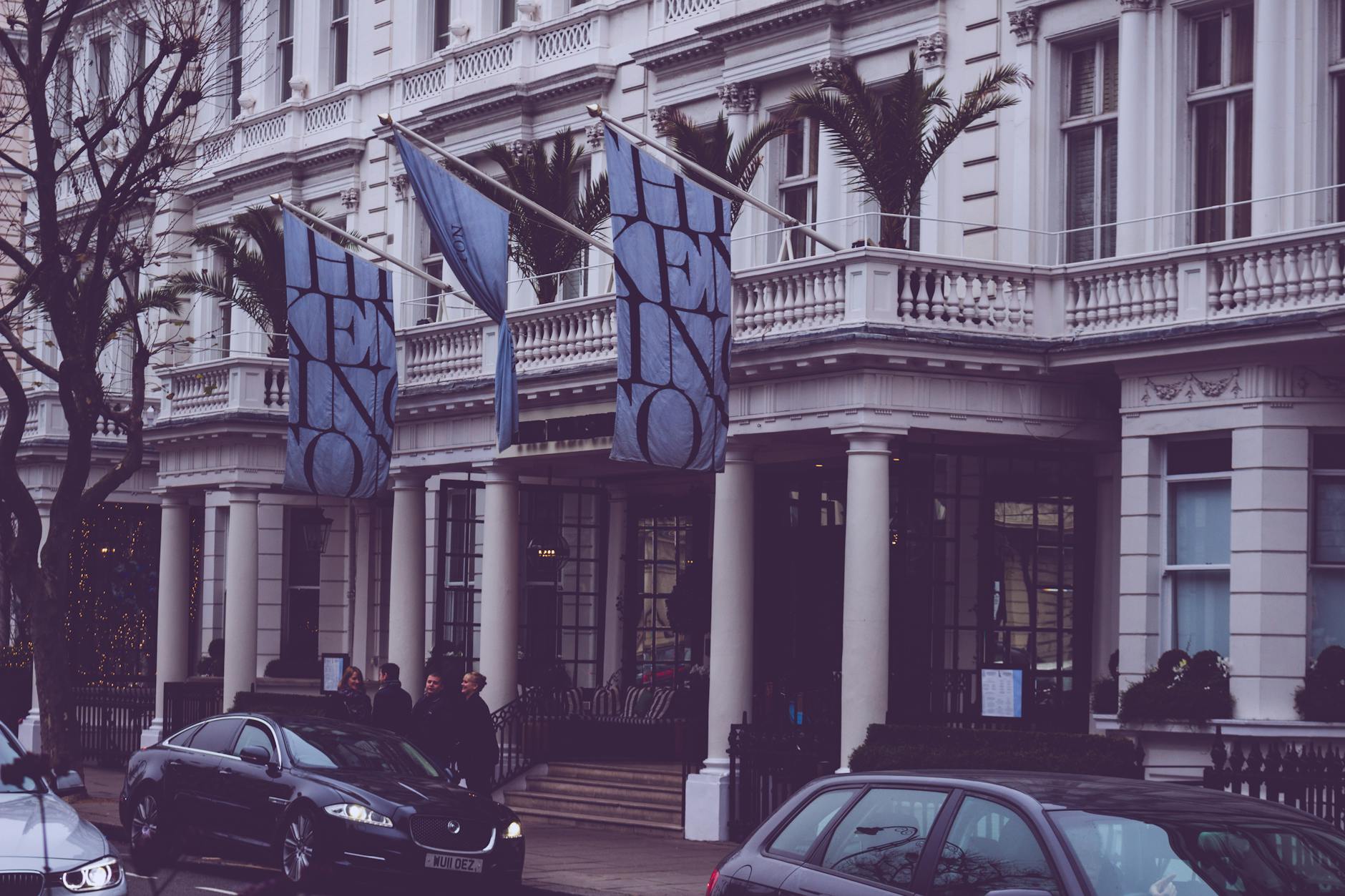
Arrival should protect the first conference day
Conference travelers often make the mistake of treating arrival as personal time and the first session as the real start. In practice, the first conference day begins at the airport. If the traveler lands tired, waits for luggage, crosses London at peak time, checks in late, and then tries to register before a keynote, the day is already compromised. The transfer plan should protect the first real obligation, especially if the traveler has a presentation, panel, booth shift, or important networking window.
Heathrow, Gatwick, London City, Luton, and Stansted all lead to different London problems. London City may be very convenient for Canary Wharf or ExCeL. Heathrow may work well by Elizabeth line for many central or east-west routes. Gatwick, Luton, and Stansted depend heavily on rail timing and onward connections. The traveler should know the arrival route, backup route, baggage plan, and whether a pre-booked car is worth using to preserve the first day.
- Plan airport transfer around the first program obligation, not just hotel check-in.
- Use London City Airport strategically for Docklands or Canary Wharf agendas when flight options fit.
- Build a buffer before registration, presentations, panels, or booth responsibilities.
Control what you carry into the venue
A conference day can become awkward because of what the traveler carries. Laptop, charger, badge, passport, business cards, samples, coat, umbrella, medication, water, printed notes, and sponsor materials all compete for attention. London weather adds another layer. A traveler who arrives with too much becomes less mobile, less able to network, and more likely to lose something in a crowded hall or station.
The better plan is to separate what belongs in the venue from what belongs in the hotel. If the conference has cloakroom or bag storage, the traveler should confirm it rather than assume. If security screening or badge checks are likely, arrival should be earlier. If the traveler is presenting, the presentation materials should not live only on one device. The practical details are dull until one of them fails.
- Carry only what supports the program day and know whether storage exists.
- Keep badge, ID, payment card, charger, and medication consistently placed.
- Back up presentation materials beyond a single laptop or cloud connection.

Networking requires geography and stamina
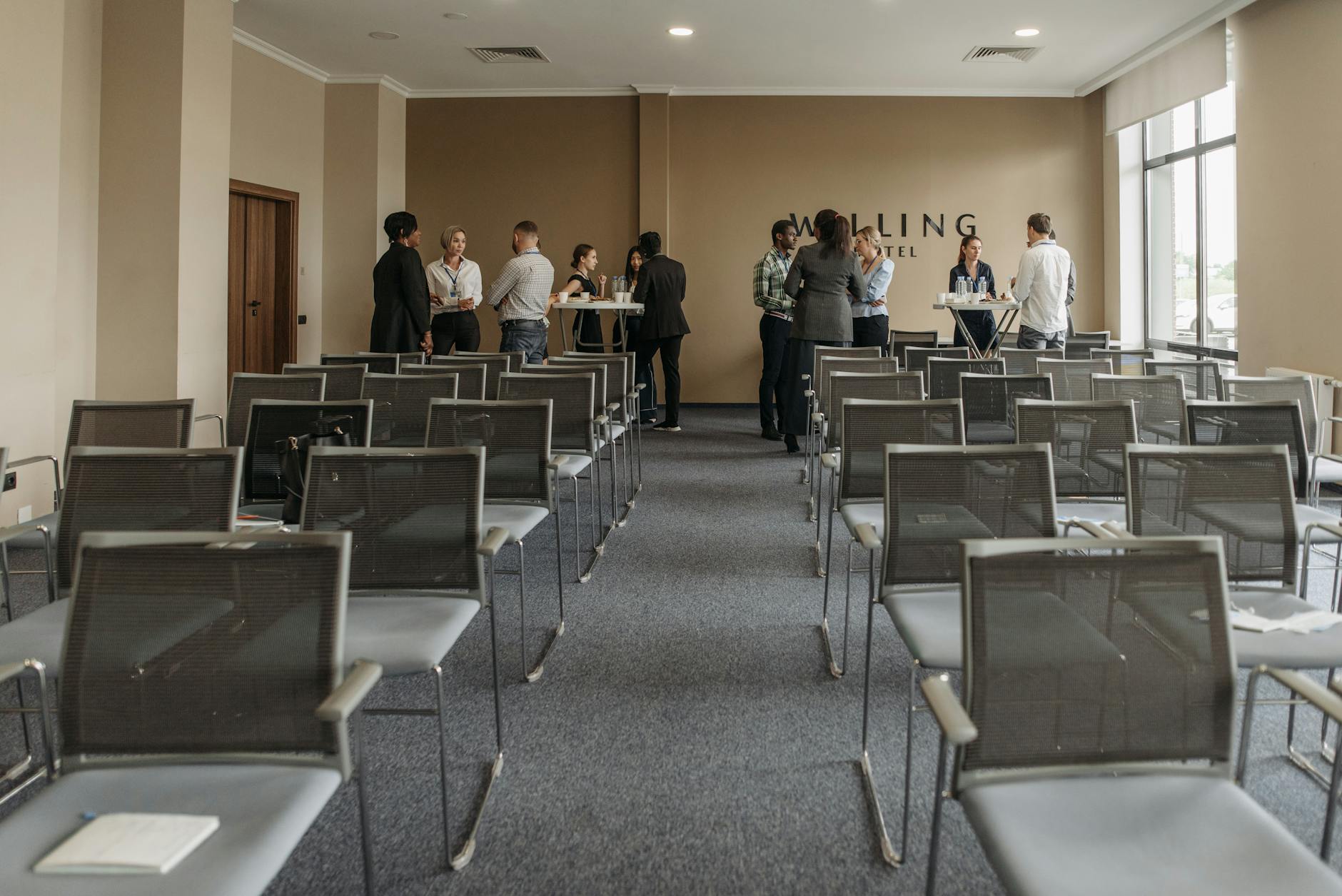
Conference value often happens between official sessions: coffee lines, side meetings, sponsor dinners, private breakfasts, hallway introductions, and informal evening plans. London gives the attendee many options, but the city can scatter people quickly. A side meeting in Mayfair, dinner in Soho, a reception in the City, and a conference at ExCeL may all be possible in theory and exhausting in practice.
The attendee should decide which networking moments matter most and protect them. That may mean staying near the venue on the first night, scheduling one high-value dinner instead of three marginal events, or choosing a meeting point that does not require everyone to cross London at rush hour. Stamina is an asset. A traveler who preserves it will usually get more from the conference than one who treats every invitation as mandatory.
- Identify the few networking moments that justify real travel time.
- Cluster side meetings by district where possible.
- Do not let marginal receptions ruin the next morning's highest-value session.
Expect transport and district differences
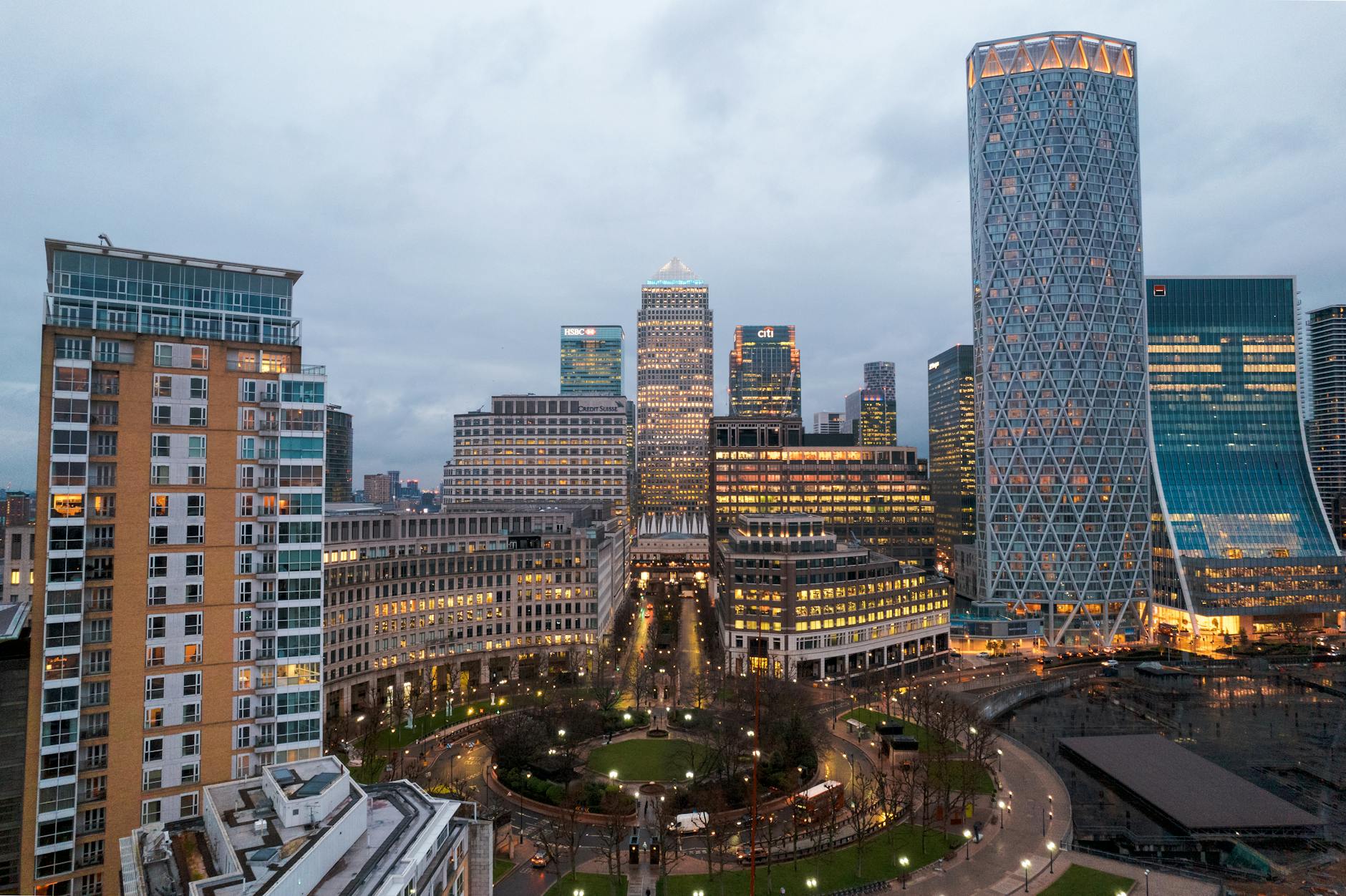
Conference attendees should not assume all London districts behave the same. Canary Wharf is efficient but can feel separated from the West End. ExCeL can be excellent for major events but requires Docklands-specific routing. Westminster can be affected by protests, official events, road closures, and heavy visitor traffic. The City may be quiet in some pockets after work hours. Olympia and west London venues require a different set of rail and taxi assumptions.
Transport resilience matters because conference agendas are less flexible than ordinary sightseeing. Industrial action, station crowding, rain, event surges, or a disrupted Elizabeth line can quickly affect registration, panels, and dinner reservations. The attendee should know the primary route, taxi fallback, walking fallback where realistic, and the point at which leaving earlier is wiser than trying to recover later.
- Plan each venue district as its own movement problem.
- Check transport status before registration windows, evening events, and airport departure.
- Know the taxi or alternate rail fallback for every critical movement.
When to order a short-term travel report
A local or repeat attendee going to a familiar one-day event may need very little beyond current transport checks. A traveler coming from overseas, attending a multi-day conference, presenting, staffing a booth, bringing materials, meeting clients, or moving between the venue and several evening events should plan more carefully. The report should test the venue geography, hotel options, airport route, registration timing, transport fallbacks, dinner geography, current local disruptions, and the points where the official agenda and the real trip diverge.
The value is not a generic conference checklist. It is a London-specific operating plan. The attendee should know where to stay, how to reach the venue, when to leave, where to meet people, when not to cross town, and how to keep enough energy for the conversations that justify the trip. A strong conference visit is measured less by how many events the traveler attends and more by whether the right ones happen cleanly.
- Order when the trip includes an unfamiliar venue, presentation duties, booth materials, or multiple side meetings.
- Include venue, agenda, arrival airport, hotel candidates, evening events, materials, and departure timing.
- Use the report to protect the value of the conference, not to overfill the schedule.