A practical analysis for visitors, foreign residents, and local users
Purpose: Explain what a visitor or local resident actually needs to know to move around Norway: domestic aviation, long-distance rail, coastal ferries, urban transit, airport access, driving, weather constraints, and the practical decisions that determine whether Norwegian transport feels elegant and scenic or expensive and badly sequenced.
Executive summary
Norway is one of Europe’s easiest countries to underestimate geographically. Visitors often arrive with a simplified Scandinavian mental model: clean infrastructure, good trains, reliable local transit, and one orderly national logic. Norway does have strong infrastructure and a generally competent transport culture. But it is not a compact, rail-dominant country. It is a long, broken, coastal, mountainous country where water, weather, tunnels, ferries, domestic flights, and regional differences matter far more than outsiders expect.
The central practical rule is this: Norway is a country where mode choice is geography choice. Rail is strong where rail exists, especially on the southern trunk and around Oslo, but it is not the universal answer. Domestic aviation remains structurally important. Coastal ferries are not decorative extras. Roads can be beautiful and useful, but winter, mountain weather, tunnel-heavy routing, and sheer distance can turn an apparently simple drive into a more serious commitment than first-time visitors imagine.
The second rule is that Norway rewards clean itinerary architecture more than transport improvisation. The strongest trips are not necessarily those with the most stops. They are the ones that respect transfer burden, weather risk, daylight, the distance between station and actual destination, and the cost of being in the wrong place at the wrong hour. A beautiful country can still be operationally punishing when used badly.
For visitors, the strongest national defaults are:
For residents and longer-stay users, the main daily concerns are different: commuting cost, winter reliability, rural dependence on cars, limited frequency outside major corridors, interregional access, airport dependence in the far north, and the practical divide between well-served urban areas and car-led places beyond them.
The central recommendation is simple: plan Norway by corridor, not by country name. Oslo is not Bergen. Bergen is not Tromso. Tromso is not Stavanger. The best transport strategy changes sharply by region, season, and whether the trip is city-first, fjord-first, or landscape-first.
- use rail first where the southern network is genuinely strong
- use domestic flights without apology when the distances justify them
- use ferries as real transport, not just sightseeing theater
- use cars deliberately, especially for fjord, mountain, and dispersed regional itineraries
- build in more slack than you would in smaller or flatter countries
1. How the national system actually works
Norway should be understood as a layered transport country rather than a single transport country. Several good systems coexist, but they solve different geographic problems.
The main layers are:
This is why Norway often feels highly competent but not especially simple. The competence is real. The simplicity is conditional.
- domestic aviation for long internal movement, especially north-south and difficult western or northern routings
- intercity and regional rail for the parts of southern Norway that rail actually serves well
- coastal ferries and water transport for places where water is part of the daily transport network
- roads, tunnels, and car ferries for dispersed regional and scenic movement
- city transit systems for urban daily life in places like Oslo, Bergen, Stavanger, and Trondheim
2. The first transport decisions every traveler should make
The first Norwegian transport question is not “train or car?” It is “what kind of Norwegian trip is this actually?”
If the trip is mainly urban and southern, rail plus local transit can carry much of it. If it mixes fjords, mountain roads, islands, smaller ports, or far-north geography, the answer changes fast. A visitor who chooses mode before answering the geographic question is often starting in the wrong place.
The key distinctions are:
Norway often rewards people who choose fewer bases and better transfers rather than trying to “see all of Norway” through continuous movement.
2.1 The core products that matter
| Product | What it is best for | Main caution |
|---|---|---|
| Domestic flights | Long internal distances and far-north access | Airport transfers and baggage costs can erode the headline advantage |
| Intercity rail | Oslo-led and southern rail-served routes | Rail is excellent in some corridors, absent in others |
| Local transit tickets/apps | Oslo, Bergen, Stavanger, Trondheim daily movement | Local systems differ by city and region |
| Ferries and boat routes | Coastal and water-dependent movement | Weather, timing, and last-mile transfers matter |
| Rental car | Fjord, mountain, and dispersed regional itineraries | Winter, parking, tolls, and fatigue change the calculation |
| Airport buses / rail links | Clean city approaches from major gateways | Some airport-city links are stronger than others |
2.2 The practical hierarchy
If the trip is Oslo plus one or two major southern cities, start with rail and urban transit. If the route moves west across fjord or mountain terrain, compare rail, flight, and car honestly rather than reflexively choosing the scenic option. If Tromso is involved, treat air transport as a structural part of the plan rather than as an exception.
- south versus north
- urban corridor versus dispersed scenery route
- city-center arrival versus airport-side or harbor-side arrival
- summer rhythm versus winter rhythm
3. Rail: where it shines and where it does not
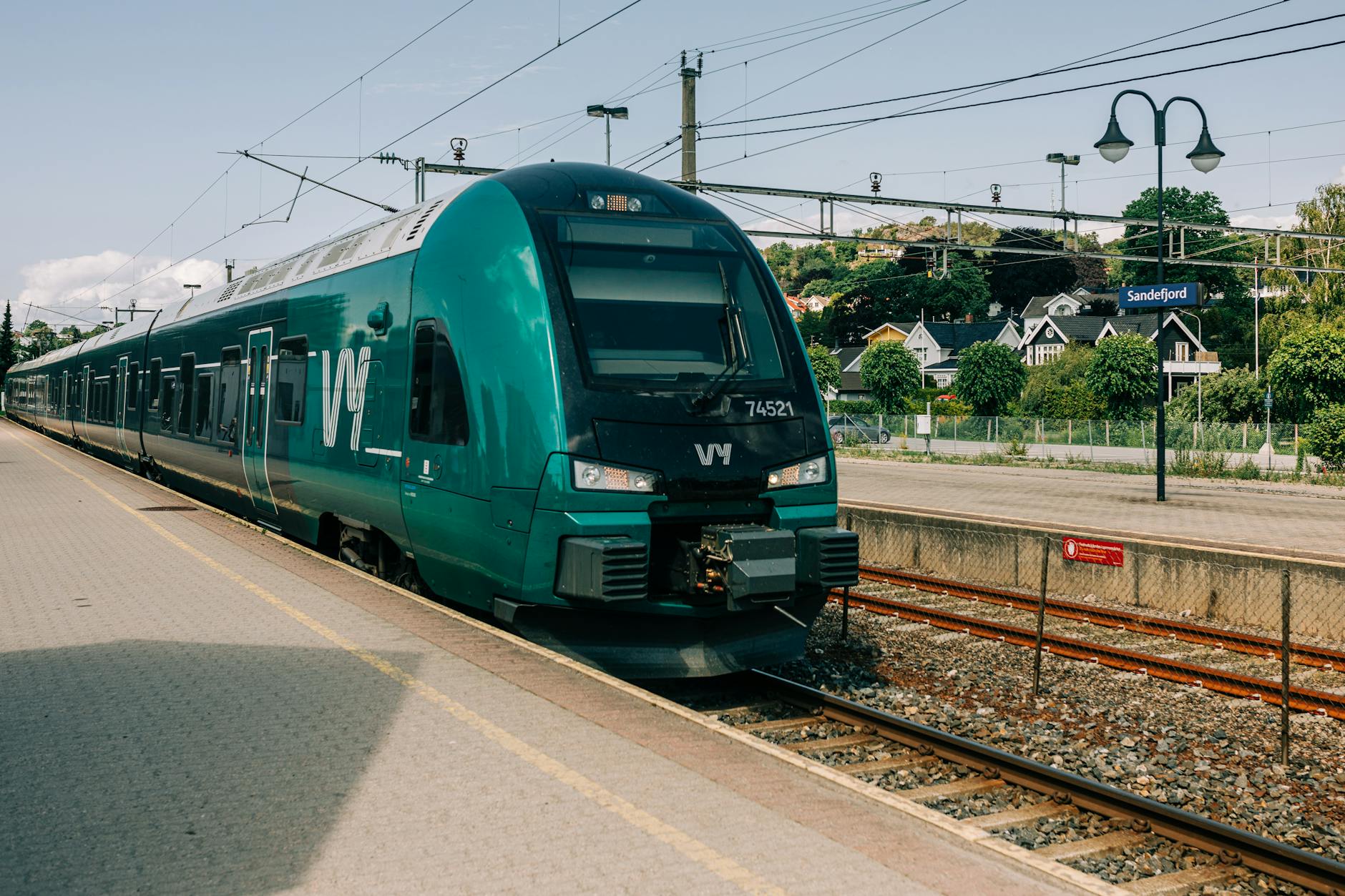
Rail is one of Norway’s strongest visitor tools, but only when used in the correct geography. On the right route, rail is comfortable, scenic, civilized, and often preferable to driving. On the wrong route, rail is either impossible, indirect, or simply not the right backbone.
The useful rail mindset in Norway is:
Norway’s rail story is not “always take the train.” It is “take the train where Norway has actually made the train the strong answer.”
- trust rail where it is genuinely the national spine
- avoid romanticizing it into a universal national solution
- remember that spectacular scenery does not automatically mean operational ease
- respect winter, engineering work, and connection times
4. Domestic aviation and why it still matters
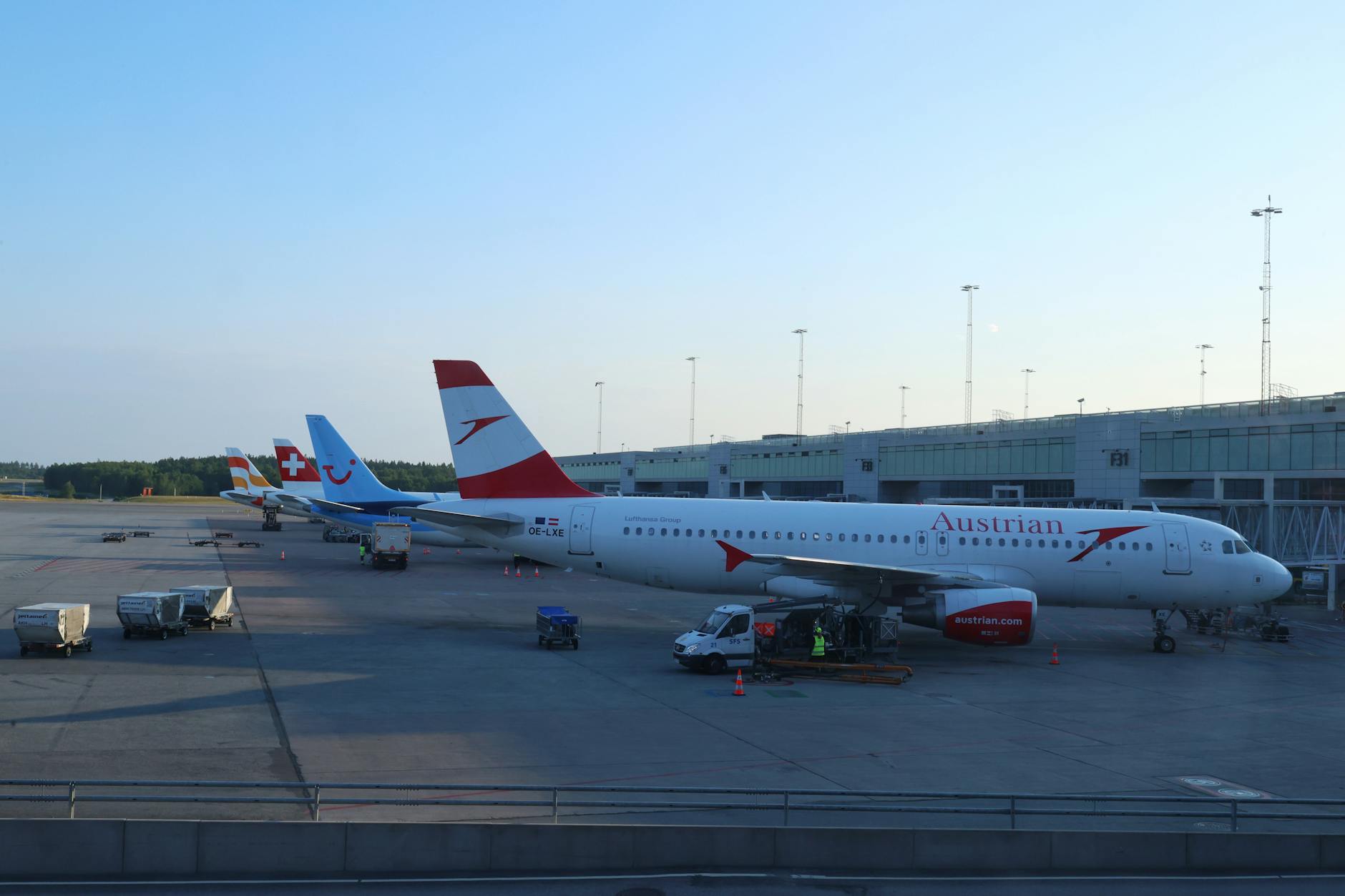
Domestic aviation remains fundamental because Norway’s geography still demands it. In some countries, internal flights are mostly a convenience upgrade. In Norway, they are often the structurally appropriate answer.
This matters especially for:
Visitors sometimes resist flights because Norway feels like a place they ought to traverse poetically. That instinct can produce weak itineraries. Scenic travel is valuable. So is not wasting half the trip in transfers.
- Tromso and the far north
- shorter trips trying to combine distant regions
- weather-conscious itineraries where road and rail would absorb too much time
- business and family travel where transfer burden matters more than scenic ideology
5. Ferries, water transport, and coastal logic
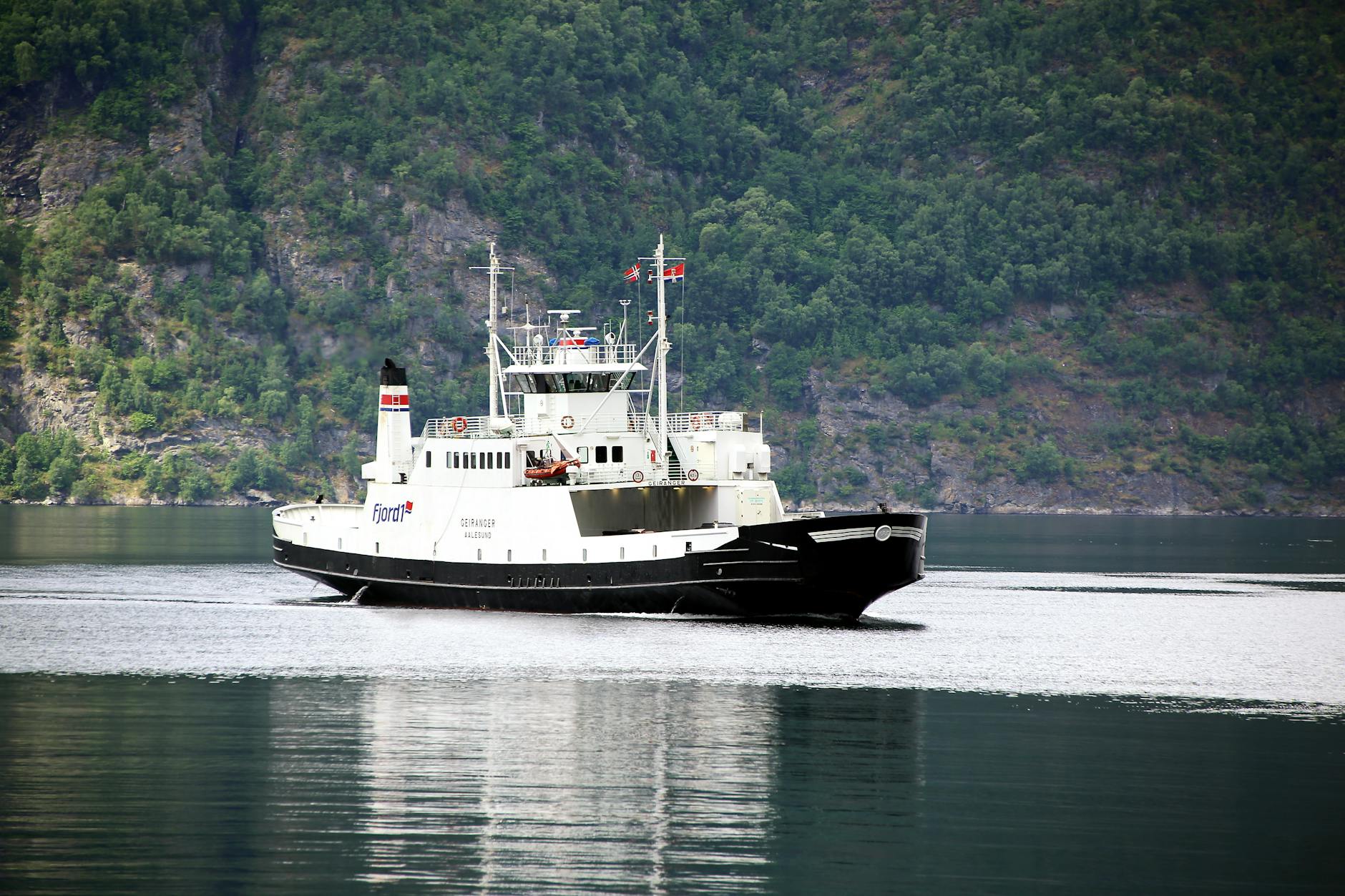
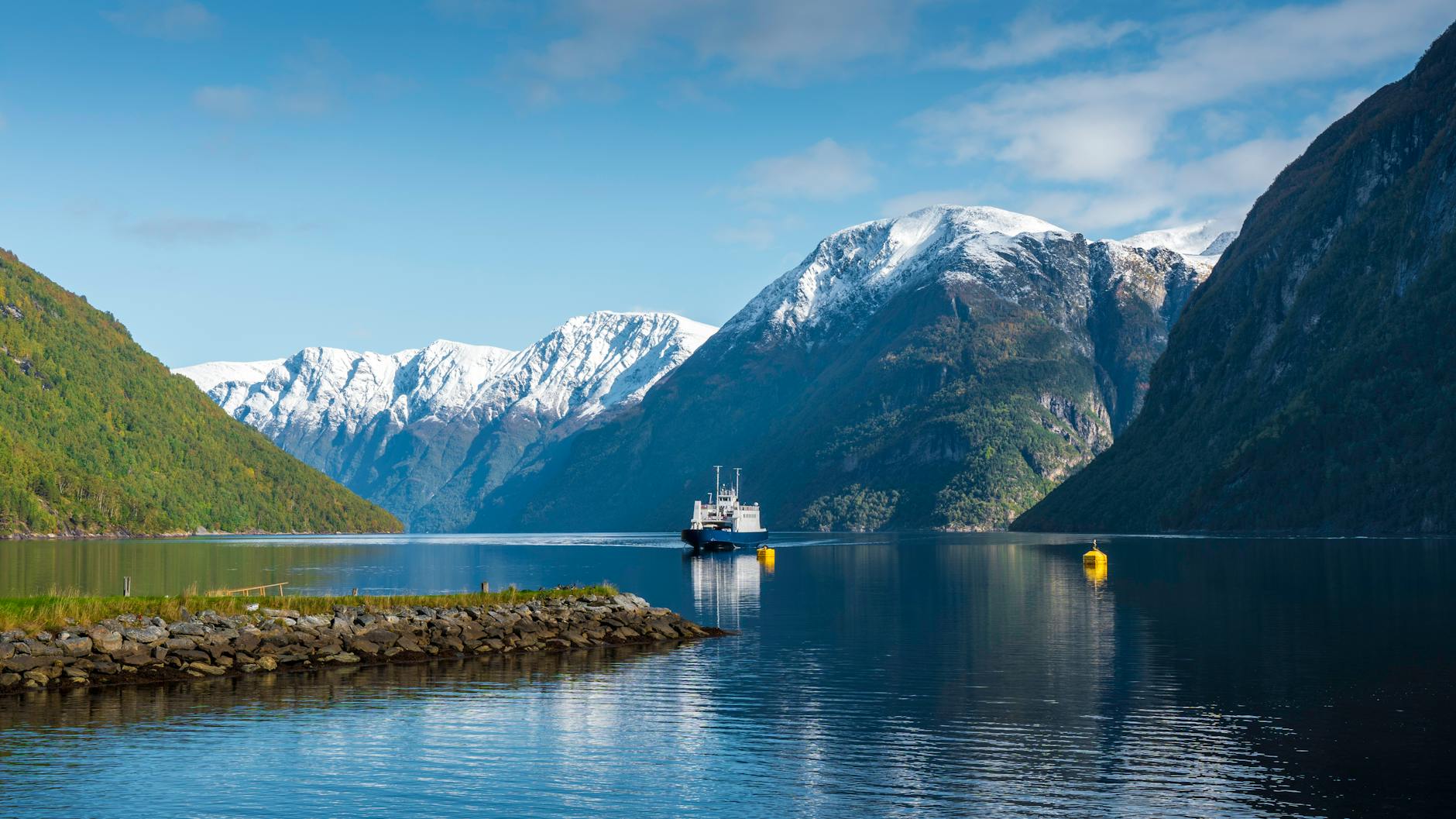
Water is not scenery alone in Norway. It is transport geography. Ferries are part of how many coastal and fjord-linked routes actually work. In some cases they are routine connectors; in others they are part practical and part experiential.
The main visitor mistake is treating ferry time as “bonus” time disconnected from the route. In reality, ferry schedules, weather, boarding patterns, and harbor location often determine whether the day feels elegant or clumsy.
The strong habit is simple: plan ferries as transport first and scenery second.
6. Cars, roads, tunnels, and when driving is or is not wise
Driving in Norway can be excellent. It can also be tiring, slow, weather-dependent, tunnel-heavy, and more expensive than the postcard version suggests.
Cars are strongest for:
Cars are weaker for:
The right question is not “is Norway beautiful to drive?” It is “does driving solve more than it creates on this specific route?”
- fjord-heavy itineraries
- dispersed regional stays
- mountain lodges and smaller communities
- scenic routes where stopping flexibility matters
- Oslo-centered city trips
- short breaks with limited daylight or heavy weather risk
- visitors inexperienced with narrow roads, winter surfaces, or long tunnel driving
- itineraries where parking and city access become the main burden
7. Local transit systems and city-by-city differences
Urban Norway is not uniform. Oslo has the deepest local network and the strongest citywide public-transport identity. Bergen has a useful rail-and-bus logic shaped by geography. Stavanger and Trondheim are practical but smaller in feel. Alesund and Tromso are less about big-system urban transit and more about proportion, road logic, and airport or harbor access.
The practical consequence is straightforward:
- local transit in Norway is generally competent
- but the correct city habit changes sharply from place to place
- the best local strategy is rarely exportable from one city to another without adjustment
8. Weather, season, and operational reality
Season changes transport judgment in Norway more than in many other European countries. In winter, roads, ferries, flights, and regional movement should all be treated with more seriousness. In shoulder seasons, weather can still narrow margins. In summer, long daylight can make movement easier and more forgiving, but also increases tourism load in famous corridors.
Norway often feels very usable when the weather cooperates. That can tempt travelers into overconfidence. The correct posture is calm respect.
9. Accessibility, luggage, and family movement
Norway often works well for families and luggage at the urban level because space standards, public order, and station design are broadly decent. But fjord routes, ferry boarding, smaller stations, harbor transfers, and winter movement still add complexity.
The main practical constraints are:
Norway repays lighter, better-sequenced travel very quickly.
- weather exposure
- station-to-hotel distance in smaller cities
- harbor transfers with luggage
- the temptation to overpack for landscape trips
10. What Norway gets wrong
Norway’s transport weaknesses are usually not disorder. They are cost, geographic mismatch, and false expectation.
The recurring issues are:
Norway is strong. It just expects you to think.
- high prices when you choose badly or book late
- overreliance on transfers in itineraries that should have been simpler
- weather sensitivity
- a gap between scenic imagination and operational reality
- the fact that some routes are merely long, not “adventurous”
11. National quick-decision guide
| Situation | Best default choice | Why |
|---|---|---|
| Oslo-centered city break | Local transit plus rail where needed | Car is usually unnecessary |
| Oslo to Bergen | Compare rail and air honestly | Both can be right depending on time and trip shape |
| Tromso trip | Fly first, solve local movement second | Northern distance makes air structurally important |
| Fjord and mountain route | Car or carefully planned multimodal trip | Flexibility matters more than ideology |
| Coastal city with harbor logic | Transit plus ferry where relevant | Water is part of the route, not just scenery |
| Short multi-city Norway trip | Fewer bases and cleaner transfers | Overmovement degrades the trip quickly |
| Summer urban-and-scenic blend | Rail plus selective car/ferry use | Lets each corridor use its strongest mode |
| Winter regional route | More buffer, less ambition | Season tightens the margins |
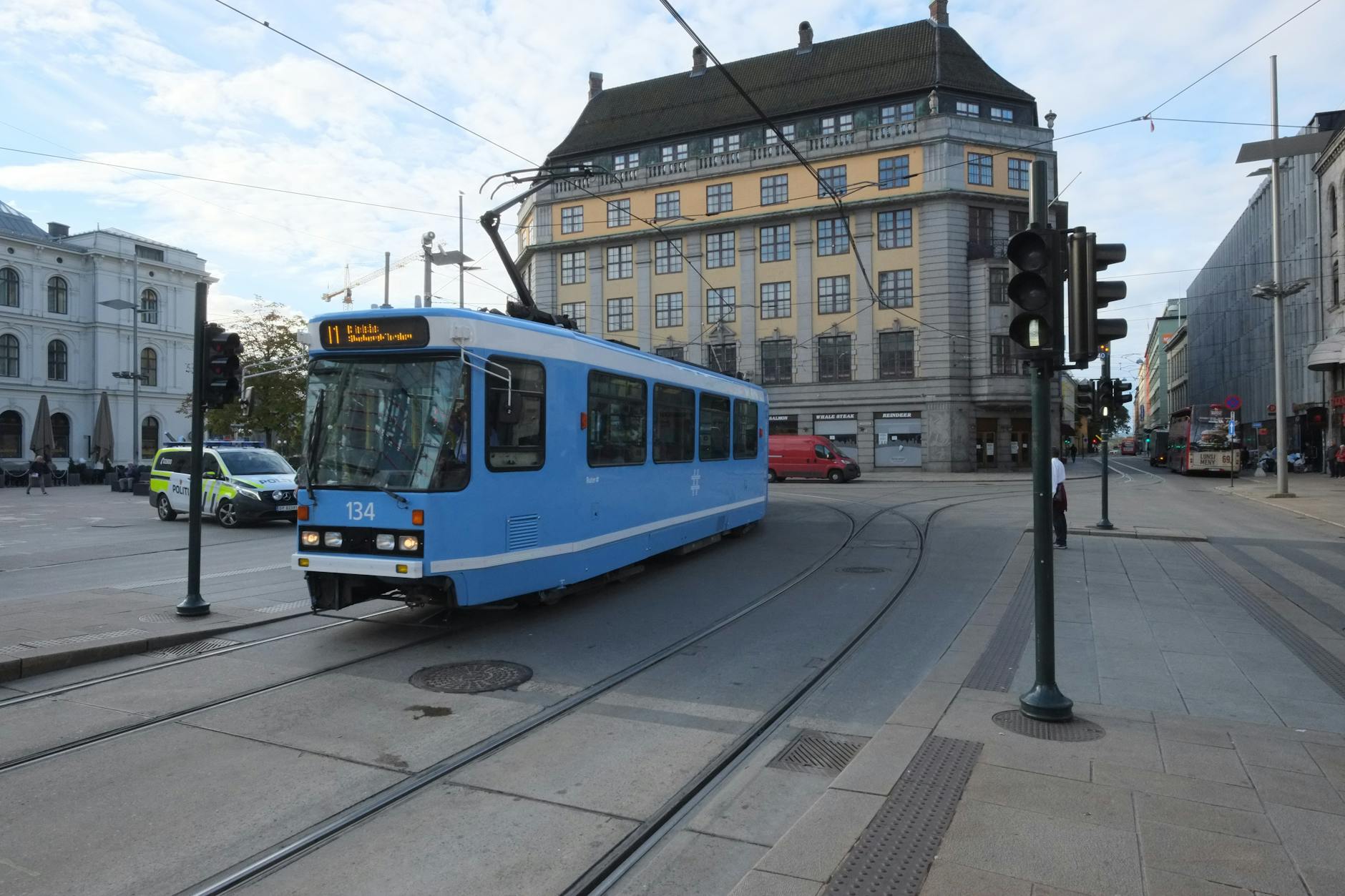
Oslo
1. System character
Oslo has the strongest all-around urban transport system in this paper. It is the Norwegian city where public transport most clearly behaves like the default rather than the backup.
2. What matters most
The key fact is that Oslo is a real transit city, not just a compact city. Metro, trams, buses, local rail, and walkable central districts make it unusually manageable by Norwegian standards.
3. Main modes
| Mode | Use |
|---|---|
| Metro / T-bane | Fast urban backbone |
| Tram | Strong inner-city movement |
| Bus | Connector and gap-filler |
| Local rail | Regional continuation and airport-linked logic |
| Ferry | Selected harbor and island usefulness |
| Car | Usually unnecessary for city-first visitors |
4. Local concerns
Oslo works best when the hotel is positioned to reduce transfer burden. The most common mistake is weak base selection rather than weak transport.
5. Oslo visitor strategy
Use local transit confidently, stay near a strong line, and let Oslo function as the cleanest public-transport city in the country.
Bergen
1. System character
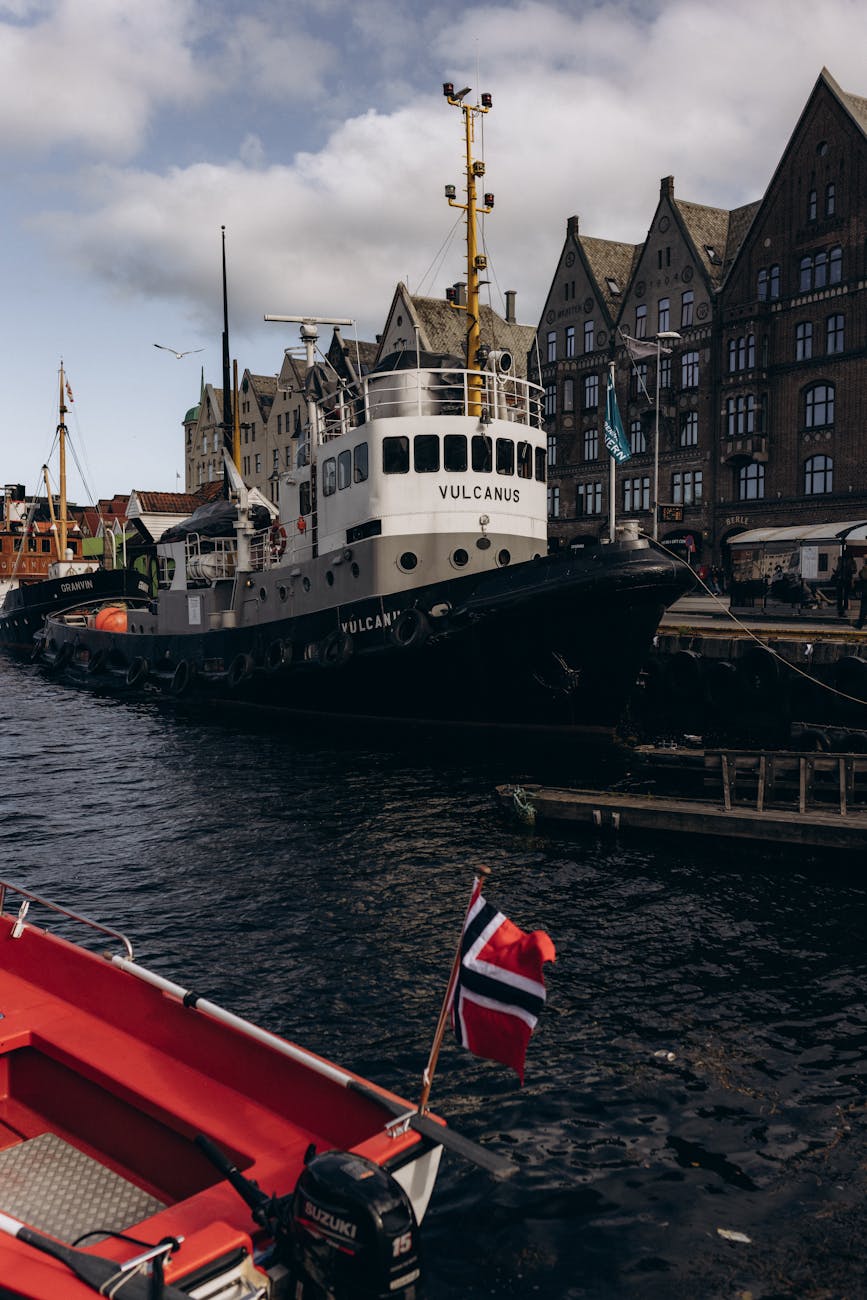
Bergen is shaped by terrain, weather, water, and its role as a western gateway. It is practical, but not in the same flat-network way as Oslo.
2. What matters most
The crucial point is that Bergen movement is highly influenced by where the traveler starts and ends. Harbor, station, airport, and hillside relationships matter more than the map first suggests.
3. Main modes
| Mode | Use |
|---|---|
| Light rail / Bybanen | Key airport and urban corridor movement |
| Bus | Essential city connector |
| Taxi | Useful in weather or uphill/high-friction situations |
| Ferry / harbor transport | Situational but real in some route shapes |
| Car | Useful regionally, weaker for the central city |
4. Local concerns
Bergen can feel easy or annoyingly wet and effortful depending on base quality, weather, and slope burden. Good positioning matters disproportionately.
5. Bergen visitor strategy
Let the airport-city link and local rail do the clean work, and avoid turning every hillside or harbor move into a luggage problem.
Tromso
1. System character
Tromso is an airport-linked northern city where access matters more than network density. It is functional, but its transport identity is bound to climate, tours, and edge-of-the-map geography.
2. What matters most
The first practical fact is that flying is part of the destination, not a prelude to it. The second is that weather and excursion logic can distort local movement quickly.
3. Main modes
| Mode | Use |
|---|---|
| Flight | Main national access mode |
| Bus | Local city and airport connector |
| Taxi | Important in cold weather, late hours, and heavy kit situations |
| Walking | Limited by weather, slope, and season |
| Car | Useful for regional or excursion-led routes, not essential for all city stays |
4. Local concerns
Tromso punishes underplanning more than weak transport. Airport timing, excursion pickup points, winter conditions, and hotel placement determine whether the city feels sharp or awkward.
5. Tromso visitor strategy
Treat airport access and hotel siting as part of the trip design, not as afterthoughts. Tromso improves fast once those are solved.
Stavanger
1. System character
Stavanger is a practical coastal city with a cleaner everyday transport feel than many outsiders expect. It functions well as both destination and gateway.
2. What matters most
The core point is that Stavanger’s scale helps it. The city is easier to stabilize around a good base than many first-time visitors assume.
3. Main modes
| Mode | Use |
|---|---|
| Bus | Main local public-transport layer |
| Rail | Relevant for regional continuation where applicable |
| Ferry / harbor transport | Part of the wider coastal context |
| Taxi | Useful for constrained timing or luggage |
| Car | Strong for wider regional and fjord-linked movement |
4. Local concerns
The city itself is manageable. The mistakes usually come from routes beyond the city: overambitious excursions, weak timing, and bad onward sequencing.
5. Stavanger visitor strategy
Use Stavanger as a steady base, not just a transfer machine. The city supports a cleaner route when given enough weight.
Trondheim
1. System character
Trondheim is a calmer rail-and-bus city where proportion matters more than network complexity. It is not difficult to move through, but it is easy to underplan.
2. What matters most
The biggest practical truth is that Trondheim rewards a lighter transport posture. The city often works best when movement stays modest and the base is strong.
3. Main modes
| Mode | Use |
|---|---|
| Bus | Main local network |
| Rail | Regional and intercity continuation |
| Walking / cycling | Useful in the core, weather permitting |
| Taxi | Tactical use for weather and timing |
| Car | More useful beyond the city than inside it |
4. Local concerns
Weak hotel choice can make Trondheim feel thinner than it is. Better positioning helps the city register as a proper stay rather than a stop.
5. Trondheim visitor strategy
Use rail and bus where practical, keep daily geography compact, and let the city’s manageable scale become an advantage.
Alesund
1. System character
Alesund is a harbor-and-approach city more than a large transit city. The transport story here is one of arrival quality, coastal access, and how the town fits into a wider route.
2. What matters most
The important thing is not a dense transit web. It is whether the city is being used as a stop, a base, or a launch point, and whether the arrival is clean enough for the town to feel elegant rather than merely logistical.
3. Main modes
| Mode | Use |
|---|---|
| Bus | Main local public-transport layer |
| Ferry / harbor movement | Contextually important in wider coastal routing |
| Taxi | Highly useful for arrival and weather-friction trips |
| Car | Strong for regional scenic movement |
| Walking | Very workable in the compact core, if the weather cooperates |
4. Local concerns
The city’s scale can mislead visitors into underestimating arrival friction, weather, and the value of a harbor-adjacent or central base.
5. Alesund visitor strategy
Use the town cleanly, choose the base carefully, and let transport support the harbor experience rather than overpower it.
1. Which Norwegian city is easiest without a car?
Oslo is the strongest answer. It has the deepest transit culture and the least need for a visitor car. Bergen is workable but more terrain-sensitive. Trondheim and Stavanger can also be used without a car in their cores, but they are less transit-rich in feel.
2. Which city most rewards flying rather than overland persistence?
Tromso most clearly rewards flying. The northern geography makes air access structurally sensible rather than indulgent. Visitors who fight that reality usually waste time.
3. Where do visitors most often misjudge transport?
They misjudge distances in scenic western Norway, they overrate rail’s universality, and they underestimate the effect of weather and transfer burden. Norway’s mistakes usually look beautiful on a map until they become tiring in real life.
4. When is a rental car actually worth it?
A rental car is worth it when the route is genuinely regional, scenic, dispersed, or fjord-led. It is not worth it simply because Norway feels outdoorsy. City-first Norway often works better without one.
5. Final advice
The biggest Norway transport mistake is assuming that a well-run country must therefore be operationally easy in every corridor. The second is trying to cover too much ground. Norway is one of Europe’s strongest travel countries when you let each region keep its own transport logic and stop forcing one national answer onto all of them.