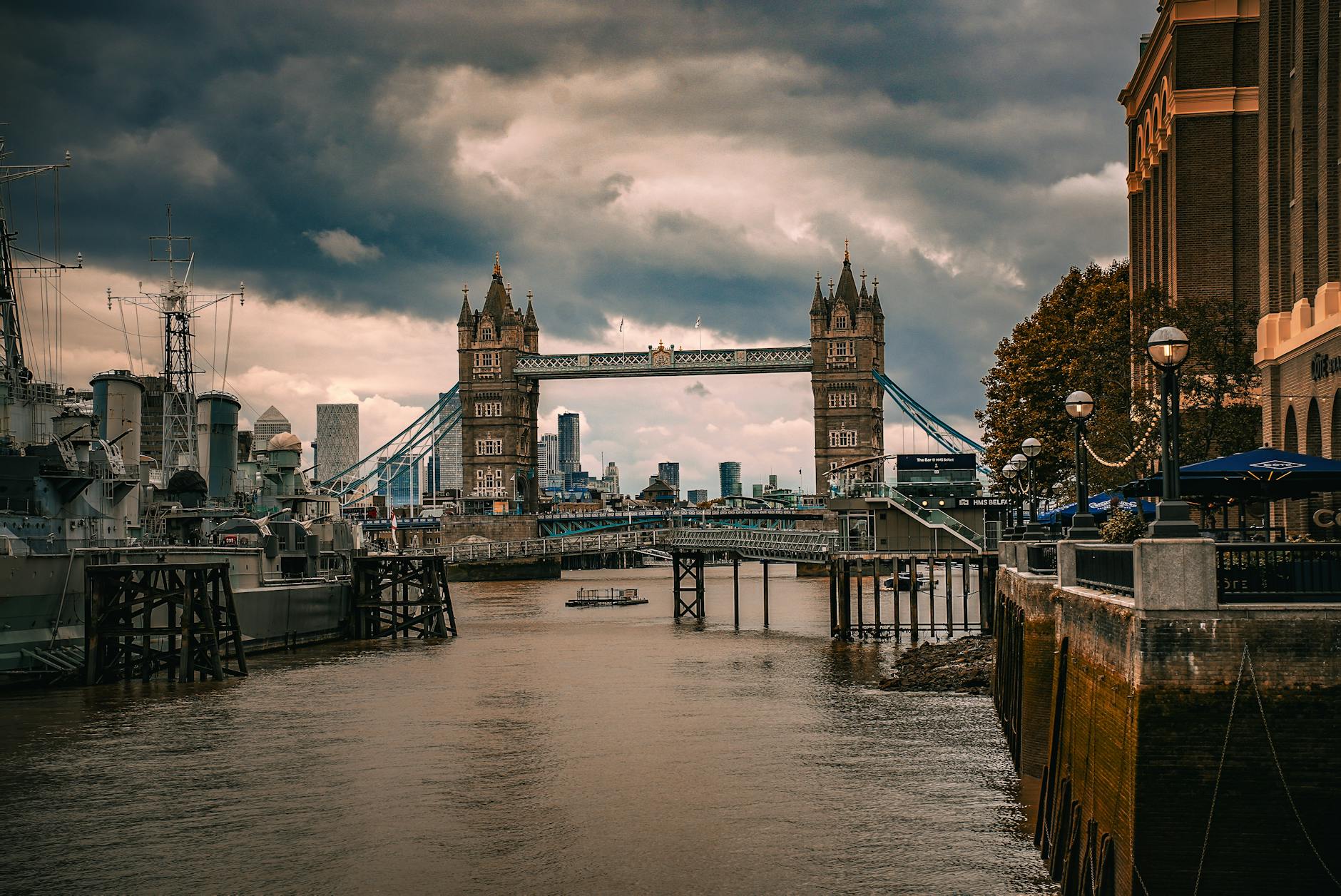
The United Kingdom is familiar enough to invite lazy planning.
Start Here
That is the first mistake.
Many visitors arrive with a mental montage: London, red buses, royal palaces, pubs, Stonehenge, Oxford, Bath, the Cotswolds, castles, Edinburgh, whisky, the Highlands, maybe Wales if they have time, and Northern Ireland if someone has told them the Causeway Coast is spectacular. The language may feel easy, the map may look small, and the rail lines may suggest that everything can be linked with a few neat train rides. But the best UK trips are not built by collecting clichés. They are built by understanding the country’s structure.
The United Kingdom is not one travel mood. It is a union of four nations: England, Scotland, Wales, and Northern Ireland. Great Britain is the island containing England, Scotland, and Wales. Northern Ireland sits on the island of Ireland and is part of the UK, but travel there raises different route, identity, and border questions. London is one of the world’s great cities, but it can also devour the entire first trip if you let it. Scotland is not a quick scenic add-on after two days in London. Wales is not just a castle detour. Northern Ireland is not merely a day trip from Dublin or Belfast. And England outside London is not one countryside postcard; it includes Roman walls, industrial cities, university towns, cathedral cities, beaches, literary landscapes, national parks, football culture, music cities, market towns, and some of the most satisfying rail-and-walk travel in Europe.
The UK is also a country of short distances that can still travel slowly. A London-to-York train can be easy. A Cotswolds village without a car can be awkward. A Highland road can be glorious and exhausting. A ferry to an island can be the highlight of the trip or a weather-dependent complication. A summer weekend in Edinburgh, Cornwall, the Lake District, the Isle of Skye, or the Cotswolds can be expensive and crowded. A wet Tuesday in November can make a museum, pub, bookstore, or cathedral feel like the entire reason to travel.
The best UK trip is not about “doing the UK.” It is about choosing the right version of it.
Do you want London deeply, with museums, theatre, markets, neighborhoods, and day trips? Do you want England by rail: London, Bath, Oxford, York, Cambridge, Manchester, Liverpool, and Edinburgh? Do you want a Scotland-first trip: Edinburgh, Glasgow, the Highlands, islands, whisky, lochs, and coastal roads? Do you want Wales: Eryri/Snowdonia, castles, Welsh language, coast, Cardiff, Pembrokeshire, and hiking? Do you want Northern Ireland: Belfast, Derry/Londonderry, the Causeway Coast, history, landscapes, and a possible Ireland add-on? Do you want gardens and stately homes, football and music, Harry Potter and film locations, literary Britain, whisky and pubs, walking and national parks, or a family trip with short hops and strong public transport?
This guide is designed to help travelers choose well. It explains where to go, how long you need, when to visit, how to use trains without wasting money, when to rent a car, what to book ahead, what to skip, how to think about the four nations, how to handle London without letting it swallow the trip, and how to experience the UK with more intelligence, pleasure, and respect.
The United Kingdom in one sentence: The UK is a compact but layered union where the best trips come from matching London, historic cities, national identities, rail corridors, countryside roads, islands, weather, pubs, and walking culture into one coherent route rather than one overloaded checklist.
Basic data
| Population | About 68 million |
|---|---|
| Area | 243,610 km2 |
| Major religions | Christianity, Islam, Hinduism, Sikhism, and a large secular population |
| Political system | Parliamentary constitutional monarchy |
| Economic system | Advanced mixed market economy centered on services, finance, trade, and technology |
Quick Verdict
| Question | Answer |
|---|---|
| Best for | First-time Europe travelers, museums, theatre, royal history, castles, literature, pubs, gardens, walking, rail travel, music cities, football, countryside, coastal trips, family travel, whisky, university towns, Roman and medieval history, modern design, and travelers who like culture and landscape in tight proximity. |
| Not ideal for | Travelers who need guaranteed sun, cheap peak-season lodging, frictionless rural public transport, late-night dining everywhere, massive hotel rooms in city centers, or a single simple national identity. The UK is easy to enter for many travelers but more complex to understand well. |
| Ideal first trip | 7 to 10 days. Five days is a strong London-focused trip with one or two day trips. Ten days allows London plus England and Scotland or London plus Wales/Northern England. Two weeks lets you build a proper multi-nation route. |
| Best months | May, June, and September are the strongest all-around months for many visitors: long daylight, active attractions, generally better walking conditions, and less peak pressure than July/August. April and October can be excellent. July/August are lively but busy and expensive. Winter is best for cities, pubs, museums, theatre, Christmas markets, and quieter heritage sites. |
| Best first-timer route | London for 4–5 nights, then either Bath/Oxford/Cotswolds, York/Edinburgh, or Edinburgh/Highlands depending taste. Do not try to fit London, Bath, Oxford, Stonehenge, York, Edinburgh, Highlands, Wales, Cornwall, and Belfast into one week. |
| Best no-car route | London + Bath + Oxford/Cambridge + York + Edinburgh by rail. Add Glasgow, Liverpool, Manchester, or Cardiff easily by train. Use guided day tours for Stonehenge, Cotswolds villages, Highlands, Skye, or Causeway Coast if you do not want to drive. |
| Best road-trip route | Scotland Highlands and islands, Wales coast and mountains, Cornwall/Devon, Yorkshire Dales and Lake District, Cotswolds, or Northern Ireland’s Causeway Coast. A car is usually a burden in London and many large cities but invaluable in rural areas. |
| Biggest planning mistake | Treating the UK as small enough to “cover.” It is small geographically compared with Canada, Australia, or the United States, but the best experiences are regional, weather-sensitive, and often slower than they look. |
| One thing to book early | London theatre, Edinburgh Festival-period lodging, Edinburgh Castle, Stonehenge timed entry, popular royal sites, Harry Potter Studio Tour, peak-season trains, small-town lodging in the Cotswolds/Cornwall/Lake District/Skye, and major sporting events. |
| One thing to leave unscheduled | A pub evening, a market, a rain-driven museum change, a coastal walk, a bookstore, a garden, a second cup of tea, or an extra hour in a town that unexpectedly clicks. |
| Most important warning | The UK rewards pacing. If every day involves changing cities, catching trains, dragging luggage over cobbles, and squeezing in one famous sight before closing time, you will technically see the UK and miss why people love it. |
The Move
Choose one route family before choosing individual sights. For a first trip, pick one of these: London + classic England; London + Edinburgh by rail; Scotland-first; Wales + western England; Northern Ireland + Ireland context; or countryside-and-castles by car. Once the route family is clear, the trip becomes manageable.
United Kingdom at a Glance
| Practical | Detail |
|---|---|
| Official name | United Kingdom of Great Britain and Northern Ireland. The UK includes England, Scotland, Wales, and Northern Ireland. Great Britain refers to the island containing England, Scotland, and Wales. |
| Capital | London. Edinburgh, Cardiff, and Belfast are the capitals of Scotland, Wales, and Northern Ireland respectively. |
| Language | English is dominant. Welsh is widely visible and actively used in Wales. Scottish Gaelic appears in parts of Scotland, especially the Highlands and islands. Irish and Ulster Scots have cultural presence in Northern Ireland. Regional accents and dialects vary dramatically. |
| Currency | Pound sterling, usually written as £ or GBP. Scotland and Northern Ireland issue their own banknotes; they are normal currency locally, but some businesses elsewhere may be unfamiliar with them, so card payment is often easier. |
| Payment style | Cards and contactless payments are widespread. London public transport is especially contactless-friendly. Carry a little cash for rural buses, small markets, parking, village cafés, tips, laundry, and occasional card outages. |
| Time zone | Greenwich Mean Time in winter; British Summer Time, UTC+1, during daylight saving time. |
| Entry system | The UK is not in Schengen. Many non-visa visitors now need an Electronic Travel Authorisation, while visa-required travelers generally need a Standard Visitor visa. Rules are passport-specific and must be checked on GOV.UK before travel.[1][3] |
| Emergency numbers | 999 and 112 connect to emergency services in the UK.[7] For non-emergency medical advice in much of the UK, 111 is commonly used, but local health systems differ by nation.[6] |
| Electricity | 230V, 50Hz. Type G plug. Visitors from North America, continental Europe, Australia, and many other regions need an adapter. Voltage-sensitive appliances may need checking. |
| Tap water | Safe to drink in normal circumstances. Ask locally if camping, hiking, staying remotely, or using non-mains water. |
| Main airports | London Heathrow, Gatwick, Stansted, Luton, London City; Manchester; Birmingham; Edinburgh; Glasgow; Belfast International; Belfast City; Cardiff; Bristol; Newcastle; Liverpool; Inverness and other regional airports. |
| Main rail planning tools | National Rail for Great Britain train planning and live information; operator sites for specific tickets; TfL for London; ScotRail, Transport for Wales, and Translink for regional systems.[8][11] |
| Best transit apps | Google Maps, Citymapper in London and some major cities, TfL Go in London, National Rail, Trainline or operator apps, Traveline, First Bus/Stagecoach/local bus apps, and local taxi apps where relevant. |
| Do you need a car? | Not for London, Edinburgh, Glasgow, Manchester, Liverpool, York, Oxford, Cambridge, Bath, or many rail-linked cities. Yes or probably yes for the Cotswolds villages, Cornwall/Devon coast, Lake District beyond main nodes, much of Wales, the Highlands, islands, and rural Northern Ireland. |
| General safety level | Generally safe and easy for mainstream visitors, with normal big-city precautions. Current foreign-government advisories emphasize terrorism risk, petty crime, demonstrations, nightlife caution, road safety, and weather/outdoor risks.[27] |
First-Timer Mistake
Many travelers ask, “Should I go to England, Scotland, Wales, and Northern Ireland?” The better question is: Which travel system do I want? London-plus-rail, Scotland-by-car, Wales walking, Northern Ireland coast, or England heritage are different trips. A short itinerary that touches all four nations usually proves less satisfying than a focused one that understands two.
2026 Visitor Notes
The UK ETA Is Now a Core Planning Item
The UK’s Electronic Travel Authorisation is a digital permission to travel for many visitors who do not need a visa for short stays. GOV.UK states that an ETA lets eligible travelers travel to the UK, Jersey, Guernsey, or the Isle of Man for up to six months for tourism, family visits, or certain other reasons; it costs £20 and does not guarantee entry.[1] The Home Office describes the ETA as permission to travel rather than a visa, and says British and Irish citizens do not need one.[2]
The move: Treat UK entry as its own system, not as part of Schengen. Check GOV.UK by passport nationality, apply through the official route, avoid copycat websites, and do not assume that a Schengen visa, ETIAS, or Irish permission covers UK entry.
Visa-Required Travelers Usually Need a Standard Visitor Visa
GOV.UK describes the Standard Visitor route as the normal short-stay route for tourism, business visits, family visits, and other permitted activities. The current overview states that a Standard Visitor visa costs £135 for up to six months, with long-term options available for regular visitors but a maximum stay of six months on each visit.[3]
The move: Visa and ETA rules are not interchangeable. If your passport requires a visitor visa, an ETA is not the solution. If your passport is ETA-eligible, a Standard Visitor visa may not be required for ordinary short tourism, but check your exact circumstances.
Northern Ireland Is Part of the UK, But the Ireland Border Creates Confusion
The UK does not run routine immigration controls on the land border between the Republic of Ireland and Northern Ireland, but the Home Office says people entering Northern Ireland still need to enter in line with UK immigration rules, including obtaining an ETA if required.[4] The Common Travel Area gives British and Irish citizens special movement and residence rights, but that is not the same thing as a blanket exemption for all tourists.[5]
The move: If your itinerary combines Dublin and Belfast or crosses the Republic/Northern Ireland border, check both Irish and UK entry rules. Do not rely on the absence of a border booth to mean there are no immigration requirements.
London Can Be Cashless, Rural Britain Less So
VisitBritain’s practical information emphasizes card and cash basics, pharmacies, and 111 for non-life-threatening medical advice.[6] In practice, big cities are highly card-friendly. Rural buses, old parking meters, market stalls, small pubs, or remote cafés may still make a little cash useful.
The move: Use card/contactless as the default, but carry a small amount of sterling. In Scotland and Northern Ireland, local banknotes are normal; if you are leaving the UK, spend or exchange Scottish/Northern Irish notes before departure if your home bank is unlikely to accept them.
Rail Is Excellent on Main Corridors and Weak in Some Rural Areas
National Rail is the official portal for Great Britain’s rail network, journey planning, fares, live departures, and disruption information.[8] Railcards can reduce many fares by about one-third for eligible travelers, and the official Railcard site says most one-year Railcards cost £35.[9] VisitBritain notes that the BritRail Pass covers National Rail services across Scotland, England, and Wales, including some airport express and sleeper services with conditions.[10]
The move: For city-to-city travel, book rail early when dates are fixed and use flexible tickets only when flexibility matters. For a multi-stop rail trip, compare point-to-point Advance fares, Railcard savings, and BritRail. No single ticket strategy wins every time.
London Transport Is Easier Than Many Visitors Expect
TfL says contactless or Oyster pay-as-you-go is the easiest way to travel in London, with no need to buy a ticket before each journey if you touch in and out correctly using the same card or device.[11] TfL also notes Visitor Oyster cards can be bought before arrival and daily caps limit spending within the zones traveled.[12]
The move: Most adults should use contactless or Oyster rather than buying paper tickets. Families with children should check child fare rules carefully because an Oyster setup may be better than contactless for some age groups.
Driving Is Useful, But Not in the Places First-Timers Often Rent Cars
VisitBritain notes that car travel helps visitors explore landscapes, hidden coastal corners, and towns, and that drivers need a valid licence, plus an international driving permit if required.[10] GOV.UK provides a tool for non-GB licence holders to check whether they can drive in Great Britain.[14] London’s Ultra Low Emission Zone operates 24 hours a day, seven days a week across all London boroughs, excluding the M25, with only Christmas Day exempt.[15]
The move: Do not rent a car for London. Do rent one for rural Scotland, Wales, Cornwall, the Cotswolds, and some national parks if you want freedom. Check automatic availability, insurance excess, one-way fees, parking, ferry rules, and city emissions charges.
Weather Is Not a Side Note
The Met Office is the UK’s national meteorological service and should be your baseline source for forecasts and warnings.[13] The UK has four seasons, but the real travel fact is changeability: rain gear can matter in July, sunshine can appear in March, and hills can have different weather from the nearest town.
The move: Pack for layers and rain even in summer. Build itineraries with indoor backups: museums, pubs, cathedrals, theatre, markets, bookshops, galleries, whisky tastings, and tea rooms.
Some Famous Sites Need Timed or Advance Booking
English Heritage recommends pre-booking Stonehenge and notes advance booking can save money compared with the gate price.[22] Historic Environment Scotland says Edinburgh Castle tickets often sell out far in advance and recommends booking online in advance for the best price and guaranteed entry.[24] Historic Royal Palaces sells advance tickets for the Tower of London and lists current ticketing details online.[23]
The move: Book the scarce or expensive things that would disappoint you if missed. Leave pubs, markets, walks, and smaller towns looser.
How to Understand the United Kingdom
The UK becomes easier when you stop treating it as one country in the travel sense and start reading it as a set of connected but distinct systems.
The Four-Nation Logic
| Nation | Travel identity | Best for | Planning caution |
|---|---|---|---|
| England | London, historic cities, cathedrals, gardens, coast, countryside, universities, industrial heritage, music and football cities. | First-timers, rail travel, museums, theatre, royal sites, literary travel, family trips, classic villages, national parks. | London can dominate; rural England often needs a car or careful bus planning. |
| Scotland | Edinburgh and Glasgow, Highlands, islands, lochs, whisky, castles, ferries, dramatic roads, Gaelic/Celtic heritage, festivals. | Scenery, road trips, whisky, history, outdoors, rail journeys, islands, long summer evenings. | Scotland is larger than visitors expect; Skye, Highlands, Orkney, Shetland, and Hebrides need time and weather flexibility. |
| Wales | Mountains, castles, coast, Welsh language, Cardiff, Eryri/Snowdonia, Pembrokeshire, industrial heritage, walking. | Castles, hiking, coast, quieter routes, language/culture, road trips, families, second-time UK visitors. | Rail is useful on some corridors but not for every mountain/coastal route; a car helps. |
| Northern Ireland | Belfast, Derry/Londonderry, Causeway Coast, Giant’s Causeway, Titanic history, political history, landscapes, Game of Thrones sites. | Short but deep trips, Ireland add-ons, coast, history, cities, food, whiskey, dramatic scenery. | UK entry rules apply; identity and political history require respect and nuance. |
Britain vs UK vs England
This matters. England is not the UK. Scotland and Wales are not “English.” Northern Ireland is part of the UK but not part of Great Britain. “Britain” is often used informally, especially in tourism branding, but it can blur real distinctions.
Local logic: Use “UK” for the sovereign state. Use England, Scotland, Wales, or Northern Ireland when you mean the specific nation. This is not pedantry; it is basic respect.
The Main Travel Corridors
The UK’s easiest first-trip routes follow strong transport corridors:
| Corridor | Why it works |
|---|---|
| London + day trips | Windsor, Oxford, Cambridge, Bath, Canterbury, Brighton, Hampton Court, and some guided Stonehenge/Cotswolds options are easy from London. |
| London–Bath–Oxford/Cotswolds | Classic southern England: Roman history, university towns, villages, gardens, stately homes. Best with a mix of rail and car/tour. |
| London–York–Edinburgh | One of the strongest no-car routes: medieval York and Scotland’s capital linked by rail. |
| London–Manchester/Liverpool–Lake District–Scotland | Music, football, industrial heritage, national park scenery, and Scotland access. |
| Edinburgh–Glasgow–Highlands/Islands | Scotland-first route, using trains plus car or tours for rural areas. |
| Cardiff–South Wales–Pembrokeshire/Eryri | Wales route with cities, coast, castles, mountains, and language/culture. |
| Belfast–Causeway Coast–Derry/Londonderry | Compact Northern Ireland route, strong by car or tour. |
The UK’s Central Contrasts
The UK is interesting because its contrasts are constant.
- Imperial capital vs regional identities: London is global, but regional identity in Scotland, Wales, Northern Ireland, Yorkshire, Cornwall, Liverpool, Manchester, and elsewhere is strong.
- Old institutions vs modern culture: monarchy, Parliament, cathedrals, universities, and class codes sit beside grime, punk, football, contemporary art, fashion, and multicultural food.
- Rail convenience vs rural friction: major cities connect well; small villages and national parks can require planning.
- Polish vs grit: royal parks, gardens, and historic houses coexist with industrial landscapes, port cities, street art, and post-industrial regeneration.
- Short distances vs slow experiences: a two-hour train can change the mood completely; a 25-mile rural drive can take longer than expected.
- Shared language vs local complexity: English helps many visitors, but history, humor, class, accents, and national identity require listening.
The City-Countryside Rhythm
A strong UK itinerary usually alternates intensity and atmosphere: London museums, theatre, and neighborhoods; a historic city such as York, Bath, Oxford, Edinburgh, or Cambridge; then countryside, coast, or mountains; then another city or market town. Too many cities blur together. Too much countryside can become logistically tiring without a car. The best trips balance both.
The Weather Rhythm
The UK is not always rainy, but it is often changeable. The most useful planning habit is not pessimism; it is flexibility. A good UK day often has a Plan A walk and a Plan B museum, pub, tearoom, garden glasshouse, whisky tasting, theatre matinee, or cathedral.
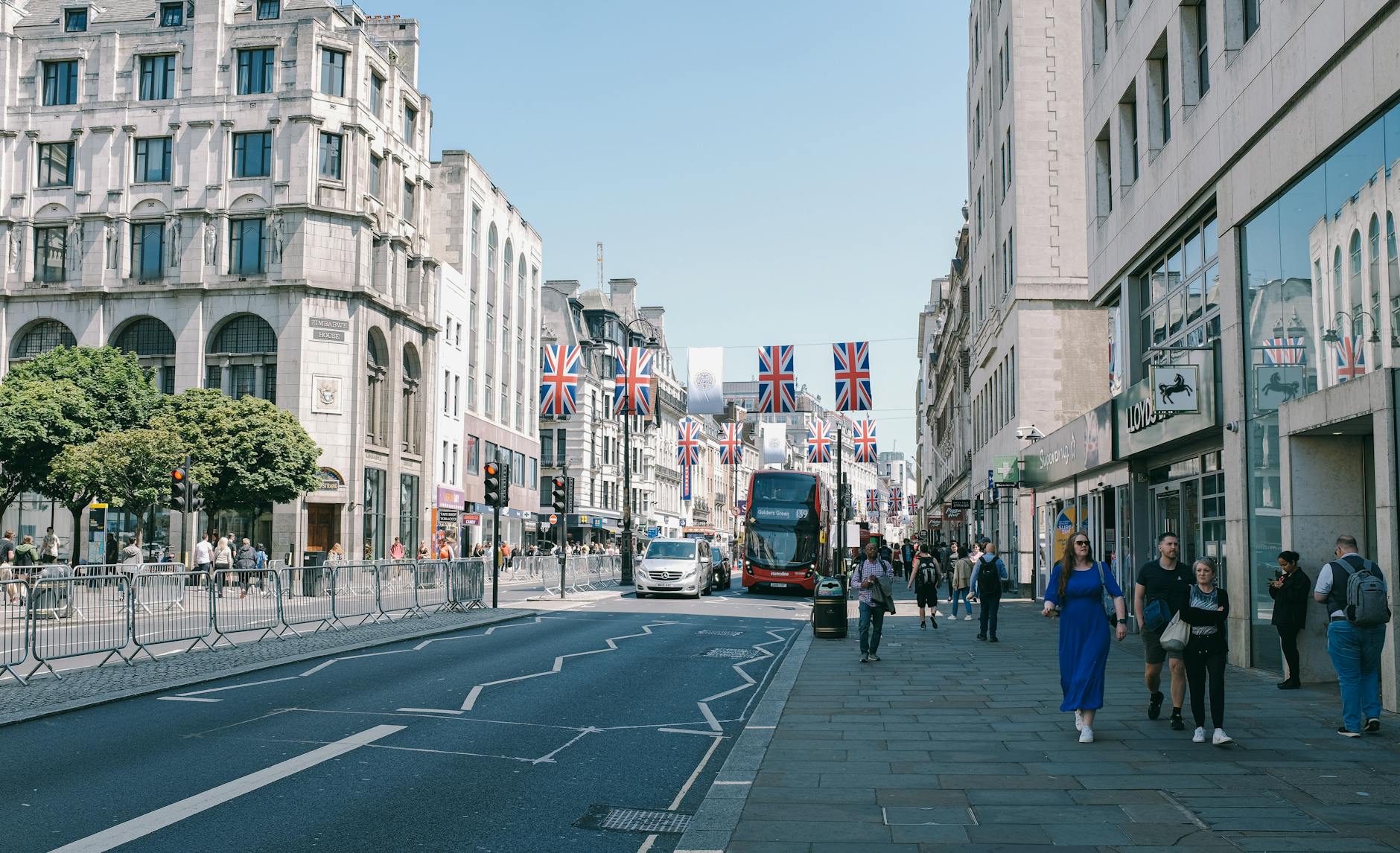
Choose Your UK Trip
Route Family 1: London Deep Dive
Best for: First-timers, museum lovers, theatre, food, neighborhoods, royal history, families, short trips.
Typical length: 4–7 days.
Core route: London only, with optional day trips to Windsor, Oxford, Cambridge, Hampton Court, Greenwich, Bath, Canterbury, or Brighton.
Why it works: London can support a full week without repetition: Westminster, the British Museum, Tate Modern, South Bank, Tower of London, Kew, Hampstead, Notting Hill, East London, markets, theatre, parks, pubs, and day trips.
Common mistake: Treating London as a two-day stop before rushing north. For many first-time visitors, London deserves more time than anywhere else.
Route Family 2: Classic England
Best for: First-timers who want heritage, countryside, universities, gardens, and historic towns.
Typical length: 7–10 days.
Core route: London + Bath + Oxford/Cotswolds + York or Cambridge; add Stonehenge, Windsor, Canterbury, or Stratford-upon-Avon depending interest.
Why it works: This is the England many travelers imagine: Georgian Bath, university courtyards, cathedral cities, villages, Roman and medieval history, stately homes, and pubs.
Common mistake: Trying to do villages by public transport without checking schedules. The Cotswolds in particular are much easier by car, driver, or guided day tour.
Route Family 3: London to Edinburgh by Rail
Best for: No-car travelers, first-time UK visitors, couples, older travelers, efficient culture trips.
Typical length: 7–10 days.
Core route: London + York + Edinburgh; add Cambridge, Durham, Alnwick, Glasgow, or the Highlands.
Why it works: The East Coast rail spine links London and Edinburgh through some of Britain’s strongest historic stops.
Common mistake: Going straight from London to Edinburgh without stopping in York or Durham if medieval history interests you.
Route Family 4: Scotland First
Best for: Scenery, whisky, castles, road trips, festivals, islands, walking, photography.
Typical length: 7–14 days.
Core route: Edinburgh + Glasgow + Highlands; add Skye, Loch Lomond, Cairngorms, Oban/Mull, Orkney, Speyside, or the North Coast depending time.
Why it works: Scotland is rich enough to be a full trip, not an afterthought. Edinburgh gives history and beauty; Glasgow gives music, food, architecture, and energy; the Highlands and islands give landscape.
Common mistake: Treating Isle of Skye as a quick day trip from Edinburgh. It deserves time, and it is crowded in peak season.
Route Family 5: Wales and the West
Best for: Castles, mountains, coast, walking, quieter travel, language/culture, families, second-time UK travelers.
Typical length: 7–10 days.
Core route: Cardiff + Brecon/Bannau Brycheiniog + Pembrokeshire or Eryri/Snowdonia + Conwy/Caernarfon; combine with Bath, Bristol, Chester, or Liverpool.
Why it works: Wales gives a different UK: Welsh language, spectacular castles, mountain roads, beaches, and smaller-scale travel.
Common mistake: Underestimating travel times between South Wales, West Wales, and North Wales. Wales is not a simple north-south rail country.
Route Family 6: Northern Ireland Compact
Best for: Belfast, history, coast, landscapes, food, short breaks, Ireland add-ons.
Typical length: 3–6 days.
Core route: Belfast + Causeway Coast + Derry/Londonderry; add the Mournes, Fermanagh, or an Ireland route.
Why it works: Distances are manageable, scenery is strong, and Belfast’s history, food, and museum scene have real depth.
Common mistake: Doing the Causeway Coast as a rushed bus stop without giving Belfast and Derry/Londonderry proper context.
Route Family 7: Cities, Music, Football, and Industrial Britain
Best for: Repeat visitors, music fans, football supporters, modern culture, nightlife, architecture, food.
Typical length: 7–10 days.
Core route: London + Manchester + Liverpool + Glasgow or Birmingham; add Sheffield, Leeds, Newcastle, Bristol, or Cardiff.
Why it works: This route gets beyond postcard Britain into the cities that shaped industry, music, sport, migration, and contemporary culture.
Common mistake: Assuming all UK culture is heritage culture. Modern Britain lives loudly in its cities.
Route Family 8: Walking, National Parks, and Coast
Best for: Hikers, slow travelers, families with older kids, photographers, nature lovers.
Typical length: 7–14 days.
Core route options: Lake District + Yorkshire Dales; Eryri/Snowdonia + Pembrokeshire; Cairngorms + Highlands; South West Coast Path sections; Causeway Coast; South Downs; Peak District.
Why it works: National Parks UK describes a family of 15 UK national parks, with landscapes, wildlife, culture, and adventure.[20] Britain’s walking culture is one of its great travel strengths.
Common mistake: Treating a national park like a roadside viewpoint. Weather, boots, transport, and daylight matter.
Route Family 9: Literary, Academic, and Film Britain
Best for: Book lovers, history travelers, film fans, families, academic travelers.
Typical length: 7–10 days.
Core route options: London + Oxford + Bath + Stratford-upon-Avon + York/Edinburgh; or Brontë country + Lake District + Edinburgh; or film/TV locations across London, Wales, Scotland, and Northern Ireland.
Why it works: Literature and screen culture create a strong thematic route, but the best version pairs famous names with real places, not just photo stops.
Common mistake: Over-indexing on franchise tourism and missing the living city or landscape around it.
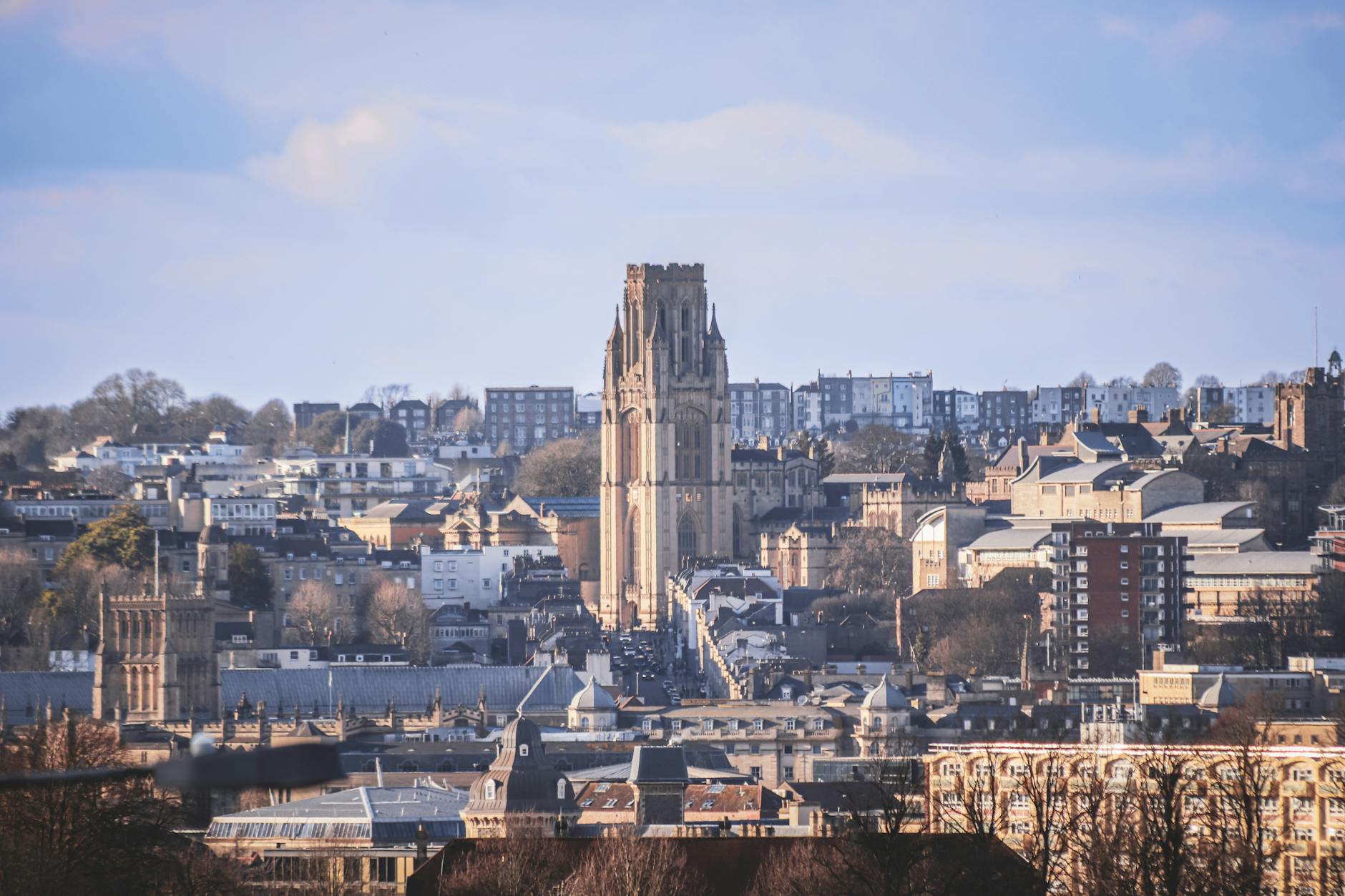
Best Time to Visit the UK
The UK is a year-round destination, but the trip changes by season. The best time depends on whether you want cities, walking, gardens, festivals, islands, theatre, football, Christmas atmosphere, or lower prices.
Best Overall Months
May, June, and September are the strongest general recommendations. May brings flowers, gardens, improving weather, and long evenings. June has long daylight and a pre-peak feel. September often has good walking conditions, active attractions, and fewer family-holiday crowds than August.
April and October are excellent shoulder months if you accept variable weather. April brings spring flowers and lighter crowds. October can be atmospheric, especially in cities, historic towns, Scotland, and autumnal countryside.
July and August are lively but expensive and crowded in popular areas. They are good for festivals, schools-out family travel, islands, national parks, and long days, but book early.
November to March is not the all-purpose ideal, but it is excellent for museums, theatre, pubs, Christmas lights, winter walks, football, galleries, bookshops, and cities. Rural travel can be quieter, cheaper, and more limited by daylight and weather.
Season-by-Season
| Season | What to expect | Best for | Watch out for |
|---|---|---|---|
| Spring: March–May | Increasing daylight, flowers, gardens, lambs, mixed weather, Easter travel spikes. | London, gardens, Oxford/Cambridge, Bath, Cotswolds, walking, cities. | Rain, chilly evenings, holiday crowds, changeable hiking conditions. |
| Summer: June–August | Long days, festivals, busy coastal areas, family travel, highest demand. | Scotland, Wales, national parks, coast, islands, Edinburgh Festival, outdoor theatre, gardens. | High hotel prices, crowds, midges in Scotland, packed trains, limited small-town lodging. |
| Autumn: September–November | Strong September, autumn color, harvest, shorter days later, city culture returns. | London, Scotland, Lake District, Yorkshire, whisky, museums, walking, food. | Storms, darker evenings, rural attraction hours reducing. |
| Winter: December–February | Short days, festive cities, Christmas markets/lights, cold rain, occasional snow, quieter heritage sites. | London theatre, museums, pubs, Christmas, football, cozy cities, budget travel. | Limited daylight, weather disruption, holiday closures, rural driving risk. |
Month-by-Month Guide
| Month | Verdict |
|---|---|
| January | Quiet, cheap outside New Year, good for museums, theatre, pubs, and cities. Short days and wet/cold weather limit rural touring. |
| February | Still winter, but half-term can raise family travel demand. Good for London, Edinburgh, Bath, York, and pub-centered weekends. |
| March | Spring begins but weather remains mixed. Good value before Easter. Gardens start waking up. |
| April | Strong shoulder month. Easter can be busy. Good for gardens, cities, and historic towns. Bring rain gear. |
| May | One of the best months: flowers, longer days, generally pleasant walking, active attractions. Late May bank holiday can be busy. |
| June | Excellent for daylight, gardens, walking, and pre-peak travel. Often one of the best all-around months. |
| July | Peak summer begins. Good for festivals, families, coast, Scotland, and Wales. Book popular areas early. |
| August | Busy and expensive in Edinburgh, Cornwall, Lake District, Cotswolds, Skye, and many coastal towns. Great energy, but less spontaneity. |
| September | Excellent. Strong for cities, walking, Scotland, Wales, and England routes with fewer family-holiday crowds. |
| October | Atmospheric autumn. Good for museums, pubs, whisky, castles, gardens, and cities. Rural daylight is shorter. |
| November | Quiet and often good value. Best for cities, theatre, museums, food, and cozy travel. Not ideal for first-time countryside-heavy itineraries. |
| December | Christmas lights, markets, theatre, shop windows, carols, pubs, and winter atmosphere. Check holiday closures and train engineering work. |
Rain Plan
A good UK guide should not apologize for rain; it should use it. Rain plans include the British Museum, National Gallery, Tate Modern, V&A, Tower of London interiors, Westminster Abbey, York Minster, Bath’s Roman Baths, Oxford colleges, Edinburgh’s museums, Glasgow’s galleries, Cardiff’s arcades and museums, Belfast’s Titanic Belfast, whisky tastings, tearooms, bookshops, markets, pubs with fireplaces, and theatre matinees.
How Many Days You Need
The Honest Answer
You need 7 to 10 days for a satisfying first UK trip beyond London. Five days is a London-focused trip with day trips. Two weeks lets you combine London, England, Scotland, and perhaps Wales or Northern Ireland without brutal pacing.
| Length | What it feels like |
|---|---|
| 2–3 days | A London city break or a focused Edinburgh/Belfast/Cardiff trip. Do not attempt a country tour. |
| 4–5 days | London plus one or two day trips, or Edinburgh + Highlands sample, or Belfast + Causeway Coast. |
| 6–7 days | London + Bath/Oxford/Cotswolds, or London + York + Edinburgh, or Scotland city-and-scenery route. |
| 8–10 days | Ideal first trip: London plus classic England and Edinburgh; or Scotland-first; or Wales/England route; or London + Northern England + Scotland. |
| Two weeks | Proper multi-nation route: London, Bath/Oxford, York, Edinburgh, Highlands; or England/Wales; or Scotland plus Northern Ireland. |
| Three weeks+ | A deep UK route with rural stays, islands, national parks, music cities, gardens, heritage sites, and slack time for weather. |
Itinerary Philosophy
A strong UK itinerary usually has:
- One primary city anchor: London, Edinburgh, Belfast, Cardiff, Glasgow, Manchester, Liverpool, or York.
- One historic/cultural layer: castles, cathedrals, universities, museums, industrial heritage, Roman sites, literary stops.
- One landscape layer: national park, coast, island, garden, countryside, Highlands, Welsh mountains, or Causeway Coast.
- Enough slack for weather: especially if walking, driving, or visiting islands.
- Fewer hotel changes than you think: trains are good, but luggage makes rushed routes less fun.
The Move
For a first UK trip, do London + one strong second act. Good second acts include Bath/Oxford/Cotswolds, York/Edinburgh, Edinburgh/Highlands, Wales, or Belfast/Causeway Coast. The first trip does not need to include everything.
Best Regions and Places to Go
London
Identity: Global capital, royal and parliamentary stage, museum city, theatre city, food city, neighborhood city.
London is the UK’s most important visitor base, but it is not a single experience. Westminster, the City, South Bank, Kensington, Shoreditch, Notting Hill, Camden, Hampstead, Greenwich, Brixton, Soho, Marylebone, and Richmond feel like different cities connected by transport.
Best for: First-timers, museums, theatre, food, royal sites, architecture, parks, markets, families, solo travelers.
Top experiences: British Museum, National Gallery, Tate Modern, V&A, Westminster Abbey, Tower of London, South Bank, Kew Gardens, Borough Market, theatre, Hampstead Heath, Greenwich, street markets, pubs, walking neighborhoods.
How long: Minimum 3 days; ideal first visit 4–6 days.
Why not: Expensive hotels, crowds, and decision fatigue. London can swallow the trip if you never leave.
The move: Build days by geography: Westminster/South Bank; Tower/City/East London; Kensington/museums/parks; Soho/Covent Garden/theatre; Greenwich or Kew; then day trips.
Bath, Stonehenge, Salisbury, and the West Country Gateway
Identity: Roman baths, Georgian architecture, prehistoric monuments, cathedral cities, and a gateway toward the Cotswolds, Somerset, Wiltshire, Devon, and Cornwall.
Bath is one of England’s easiest heritage cities to love. Stonehenge is globally famous but logistically specific: it works best with Salisbury, Avebury, a guided day trip, or a car route.
Best for: First-timers, history, architecture, Jane Austen context, Roman Britain, day trips from London.
How long: Bath can be a day trip, but 1–2 nights is better. Stonehenge works as a half-day or combined day.
Common mistake: Visiting Stonehenge as the only thing in a long day and expecting it to justify all the travel. Pair it with Salisbury, Avebury, Bath, or a good guide.
Oxford, Cambridge, and University England
Identity: Colleges, libraries, rivers, gardens, punting, chapels, bookshops, bicycles, and centuries of learning.
Oxford and Cambridge are both easy London day trips, but they are not the same. Oxford feels larger, more urban, and more layered with museums and colleges. Cambridge feels riverine, lighter, and more compact around the Backs.
Best for: Architecture, history, literature, academia, photography, families, day trips.
How long: One day each; one night if you want evening atmosphere.
Common mistake: Trying to visit both in one day. Choose one.
The Cotswolds
Identity: Honey-stone villages, rolling hills, pubs, gardens, walking paths, and English countryside fantasy.
The Cotswolds are beautiful, but they are also a planning trap. The best villages are not always train-friendly. Buses can be limited. Summer weekends are crowded. A car, driver, cycling base, walking route, or well-designed tour helps.
Best for: Countryside, villages, pubs, gardens, romance, photography, slow travel.
How long: Day trip for a taste; 2–3 nights for a real stay.
Common mistake: Assuming every famous village is charming at midday in peak season. The Cotswolds are best early, late, and with time to walk between places.
Cornwall and Devon
Identity: Surf, fishing towns, cliffs, moors, cream teas, gardens, beaches, art, and summer holiday culture.
Cornwall and Devon are among England’s great coastal regions, but they are slow to reach and slow to move through. They deserve several days, not a quick add-on after London and Edinburgh.
Best for: Coast, families, surfing, seafood, walking, gardens, literary/film atmosphere, road trips.
How long: 4–7 days if coming from London; longer if walking the coast.
Common mistake: Driving into tiny harbor villages in peak season without parking plans.
York and Northeast England
Identity: Medieval walls, York Minster, Viking and Roman layers, rail heritage, moors, coast, castles, and cathedral towns.
York is one of the best stops between London and Edinburgh. Durham is smaller but exceptional. Northumberland gives castles, beaches, Hadrian’s Wall, and less crowded landscapes.
Best for: Rail travelers, medieval history, cathedrals, families, Edinburgh-bound routes.
How long: York 1–2 nights; Northeast England 3–5 days with car or careful rail/bus planning.
The move: Stop in York on the way to Edinburgh rather than making every journey a long transfer.
Manchester, Liverpool, and Northwest England
Identity: Industrial power, music, football, nightlife, museums, canals, migration, civic pride, and modern urban culture.
Manchester and Liverpool are not postcard villages; that is their strength. They are essential for understanding modern Britain.
Best for: Music, football, nightlife, industrial history, museums, food, architecture, repeat visitors.
How long: 2 nights each, or 3–4 nights combined.
Pair with: Lake District, Chester, North Wales, Yorkshire, or Glasgow.
Lake District and Yorkshire Dales
Identity: Hills, lakes, stone villages, walking, poetry, weather, pubs, sheep, and national-park scenery.
The Lake District is famous and often crowded; the Yorkshire Dales can feel quieter and more pastoral. Both reward walkers and drivers, though trains reach gateways like Windermere, Oxenholme, Penrith, Skipton, and Settle.
Best for: Walking, scenery, literary travel, families, romantic countryside, road trips.
How long: 2–4 nights minimum.
Common mistake: Expecting wilderness solitude in the most famous Lake District towns during summer. Base carefully.
Edinburgh
Identity: Dramatic, literary, festival-driven, historic, and one of Europe’s most beautiful city settings.
Edinburgh is the natural Scotland gateway: castle, Royal Mile, New Town, Arthur’s Seat, museums, pubs, closes, cemeteries, viewpoints, and the world’s largest arts festival season.
Best for: First-time Scotland, history, festivals, literature, architecture, whisky, city breaks.
How long: 2–4 days.
Book early: August festival season and New Year/Hogmanay.
Common mistake: Treating Edinburgh as the whole of Scotland. It is the doorway, not the country.
Glasgow
Identity: Music, architecture, food, nightlife, galleries, design, friendliness, grit, and reinvention.
Glasgow is less immediately scenic than Edinburgh but often more socially alive. It gives you Mackintosh architecture, great museums, music venues, restaurants, pubs, and a gateway to Loch Lomond and the west.
Best for: Music, food, nightlife, architecture, museums, contemporary Scotland, repeat visitors.
How long: 2–3 days.
The move: Pair Edinburgh and Glasgow rather than choosing only Edinburgh if you want a fuller Scotland picture.
Scottish Highlands and Islands
Identity: Mountains, lochs, glens, ferries, roads, whisky, Gaelic culture, weather, and scale.
The Highlands are not a single destination. Inverness, Fort William, Glencoe, Cairngorms, Skye, Mull, Islay, Orkney, Shetland, Lewis and Harris, Speyside, Loch Ness, and the North Coast all create different trips.
Best for: Road trips, hiking, scenery, whisky, islands, photography, slower travel.
How long: 4–7 days from Edinburgh/Glasgow for a taste; 10–14 days for islands and depth.
Common mistake: Overdriving. Highland beauty is not efficient. That is the point.
Wales: Cardiff, Castles, Coast, and Mountains
Identity: Welsh language, castles, mountains, coast, Cardiff, valleys, rugby, industrial heritage, and a strong sense of place.
Wales is one of the best UK choices for travelers who want distinct culture and landscapes without leaving Britain. Eryri/Snowdonia, Pembrokeshire Coast, Bannau Brycheiniog/Brecon Beacons, Conwy, Caernarfon, Cardiff, St Davids, Hay-on-Wye, and the Gower all offer different versions.
Best for: Castles, walking, coast, language/culture, families, second-time UK visitors.
How long: 5–10 days.
Planning caution: North and South Wales do not link as easily as a map suggests. Build a route carefully.
Northern Ireland
Identity: Belfast, Derry/Londonderry, Causeway Coast, Giant’s Causeway, Titanic history, political memory, coast, mountains, whiskey, and compact drama.
Northern Ireland is small but not shallow. Belfast has strong museums, food, murals, shipbuilding history, and nightlife. Derry/Londonderry has walls, history, and atmosphere. The Causeway Coast is one of the UK’s great scenic routes.
Best for: Short breaks, Ireland add-ons, history, coast, road trips, food, dramatic landscapes.
How long: 3–6 days.
Common mistake: Reducing Northern Ireland to Game of Thrones stops or a single Giant’s Causeway photo. Its human history matters.
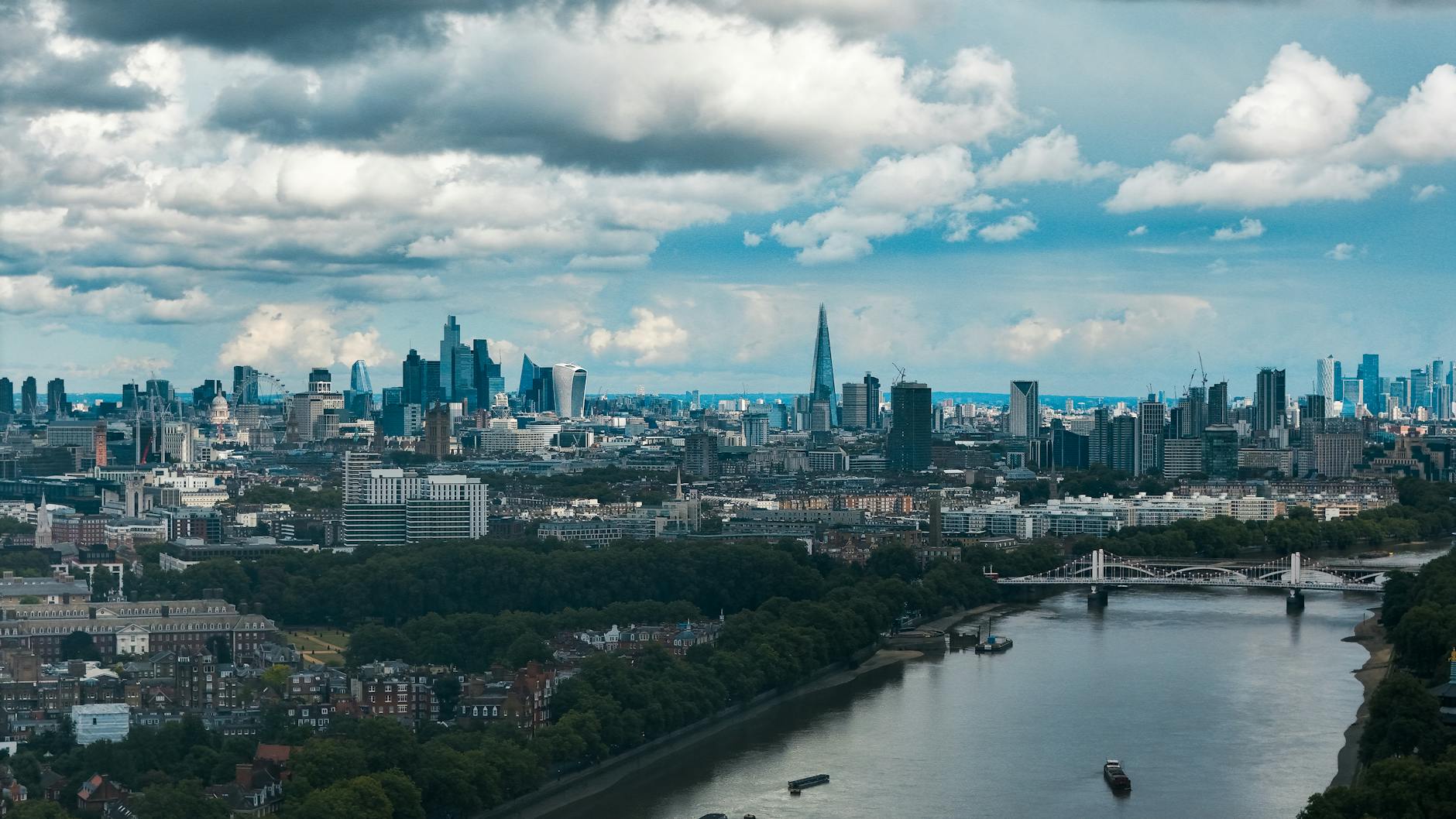
Where to Stay
The Short Answer
For a first UK trip, use fewer bases and make them work hard.
| Trip type | Best bases |
|---|---|
| London-first trip | London for 4–6 nights, with day trips by rail. |
| Classic England | London + Bath/Oxford/Cotswolds + York. |
| London to Scotland by rail | London + York or Durham + Edinburgh. |
| Scotland-first | Edinburgh + Glasgow + Inverness/Fort William/Oban/Skye depending route. |
| Wales | Cardiff or Bristol/Bath for South Wales; Conwy/Bangor/Betws-y-Coed for North Wales; St Davids/Tenby for Pembrokeshire. |
| Northern Ireland | Belfast + Portrush/Bushmills/Causeway Coast or Derry/Londonderry. |
| Countryside by car | One base per region: Cotswolds, Lake District, Highlands, Pembrokeshire, Cornwall, Yorkshire Dales. |
| No-car | London, Bath, Oxford, York, Edinburgh, Glasgow, Cardiff, Manchester, Liverpool, Belfast. |
London Base Decision Tree
| You want... | Stay in... |
|---|---|
| First-timer convenience | Westminster, Covent Garden, South Bank, Bloomsbury, Marylebone, King’s Cross, Paddington, Victoria. |
| Museums and parks | South Kensington, Kensington, Bloomsbury, Marylebone. |
| Theatre and nightlife | Soho, Covent Garden, Leicester Square area, South Bank. |
| Better value with good transit | King’s Cross, Paddington, Earl’s Court, Southwark, Shoreditch, Stratford, Hammersmith. |
| Markets and East London energy | Shoreditch, Spitalfields, Bethnal Green, London Fields. |
| Family-friendly calm | South Kensington, Marylebone, Bloomsbury, Richmond, Greenwich, South Bank. |
| Heathrow convenience | Paddington, Earl’s Court, Hammersmith, South Kensington, Heathrow hotels for early flights. |
| Eurostar convenience | King’s Cross/St Pancras, Bloomsbury, Clerkenwell. |
Countryside and Small-Town Lodging Logic
Rural UK lodging can be wonderful: inns, pubs with rooms, farm stays, B&Bs, cottages, manor-house hotels, glamping, hostels, and self-catering apartments. But it is less flexible than city hotels.
Book early for: Isle of Skye, Edinburgh in August, Cornwall and Devon in school holidays, Lake District weekends, Cotswolds villages, popular Wales coast towns, Northern Ireland coast weekends, Christmas market cities, and major football/event dates.
Check carefully: parking, stairs, pub noise, restaurant closure days, breakfast timing, late check-in, distance from station, taxi availability, and whether “near” means walkable.
Common Booking Mistakes
- Staying far outside London to save money and losing time on transport.
- Booking a Cotswolds village without a car or taxi plan.
- Choosing Edinburgh lodging in August too late.
- Staying in tiny old hotels without checking stairs or lift access.
- Booking rural accommodation on a Sunday/Monday without nearby dining.
- Assuming every charming inn is quiet; pubs can be noisy.
- Ignoring parking rules in historic towns.
- Choosing one-night stays back-to-back across rural routes.
Best Things to Do
1. Spend Enough Time in London
London is not just a gateway. It is a full trip: Westminster, Tower of London, British Museum, National Gallery, Tate Modern, V&A, Borough Market, West End theatre, parks, neighborhoods, pubs, and day trips.
Best for: First-timers, culture, food, theatre, families, solo travelers.
Time needed: 4–6 days for a strong first visit.
Book ahead: Theatre, Tower of London if timed, Buckingham Palace seasonal openings, high-demand restaurants, special exhibitions.
Skip if: You have already done London deeply and want regional Britain. Otherwise, do not shortchange it.
2. Ride the Rail Spine from London to York to Edinburgh
This is one of Britain’s best first-timer corridors. York gives medieval walls, Minster, rail history, and atmospheric streets. Edinburgh gives Scotland’s dramatic capital. The train makes the journey part of the trip.
Best for: No-car travelers, first-timers, older travelers, city/history routes.
Time needed: 2 nights York, 3 nights Edinburgh, plus London.
Common mistake: Flying from London to Edinburgh when the train would be easier door-to-door.
3. Visit a Castle That Fits the Route
The UK is rich in castles, but not every castle is worth a detour for every traveler. Choose by route and interest: Tower of London, Windsor Castle, Edinburgh Castle, Stirling Castle, Caernarfon, Conwy, Warwick, Alnwick, Bamburgh, Cardiff, Caerphilly, Dunluce, Dover, or Eilean Donan.
Best for: Families, history, architecture, photography.
Book ahead: Edinburgh Castle, Windsor, Tower of London, Alnwick during special periods.
Worth it? Yes, but do not stack too many castles. After three, most travelers need contrast.
4. Walk a National Park or Coast Path
The UK’s national parks and long-distance paths are not background scenery; they are central experiences. The Lake District, Eryri/Snowdonia, Cairngorms, Peak District, Yorkshire Dales, Pembrokeshire Coast, South Downs, Dartmoor, Exmoor, Northumberland, and Loch Lomond each create a different trip.
Best for: Walking, nature, families, photography, slow travel.
Time needed: Half-day to a week.
Local tip: A modest walk in good weather beats a famous summit in bad weather.
5. See Stonehenge With Context
Stonehenge is iconic, but it is better when understood as part of a wider prehistoric landscape that includes Avebury, Salisbury, and other Neolithic/Bronze Age sites. English Heritage recommends timed/advance booking for Stonehenge.[22]
Best for: Prehistory, first-timers, archaeology, UNESCO travelers.
Time needed: Half-day; full day with Salisbury/Avebury.
Common mistake: Expecting to wander between stones freely on ordinary admission. Special access experiences are different and limited.
6. Experience a Proper Pub Evening
A pub is not just a bar. It can be a community living room, dining room, music venue, sports room, fireplace, inn, or local noticeboard.
Best for: Culture, food, beer/cider/whisky, solo travelers, rainy days.
Etiquette: Order at the bar in many pubs, do not expect table service unless clearly offered, buy rounds if drinking in a group, and do not block the bar after ordering.
7. Go Beyond the Famous Museum List
London’s major museums are extraordinary, but the UK’s smaller museums often explain the country better: Titanic Belfast, National Museum Cardiff, National Railway Museum York, Kelvingrove Glasgow, Beamish, Museum of Liverpool, Imperial War Museum North, Black Country Living Museum, Roman Baths, Ashmolean, Fitzwilliam, and many local museums.
Best for: Rain, families, history, regional context.
The move: Use museums to understand the place you are in, not just to fill rainy hours.
8. Visit a Garden, Stately Home, or Historic House
Historic houses and gardens reveal class, empire, landscape design, aristocracy, domestic life, and rural Britain. National Trust’s Explorer Pass covers many properties in England, Wales, and Northern Ireland and includes free entry to many places in its care and parking where applicable.[25]
Best for: Gardens, architecture, history, families, slower travel.
Time needed: Half-day.
Common mistake: Treating stately homes as interchangeable. Pick one excellent house or garden by route.
9. Use a Market as a Meal
Borough Market, Maltby Street, Broadway Market, Cardiff Market, St George’s Market Belfast, Manchester food halls, Edinburgh markets, and local farmers’ markets offer a low-commitment food route.
Best for: Food, families, solo travelers, budget control.
Local tip: Go before peak lunch crush when possible.
10. Attend a Live Event
The UK’s live culture is one of its strongest assets: West End theatre, fringe theatre, concerts, football, rugby, cricket, comedy, literary festivals, ceilidhs, folk sessions, open-mic nights, and local festivals.
Best for: Nightlife, culture, sports, music, couples, solo travelers.
Book ahead: Premier League football, major concerts, West End hits, Edinburgh Festival, Wimbledon, Glastonbury, Six Nations rugby, and big stadium events.
United Kingdom Itineraries
These are pacing models, not commandments. Adjust for weather, budget, mobility, interests, and transport.
Three Days: London First Taste
Day 1: Westminster, St James’s Park, Buckingham Palace exterior, Churchill War Rooms or Westminster Abbey, South Bank walk, theatre.
Day 2: Tower of London, Tower Bridge, Borough Market, Tate Modern or St Paul’s, Soho/Covent Garden evening.
Day 3: Choose your London: British Museum + Bloomsbury; South Kensington museums + Hyde Park; Greenwich; Hampstead; East London markets; or Kew Gardens.
What this does well: Gives a strong London introduction.
What it misses: Regional UK. Do not pretend this is a UK trip.
Five Days: London Plus Day Trips
Days 1–3: London by neighborhood and museum/theatre interests.
Day 4: Oxford or Cambridge.
Day 5: Windsor, Bath, Hampton Court, Greenwich, Canterbury, Brighton, or Stonehenge/Salisbury.
The move: Choose day trips with different moods. Oxford + Cambridge is redundant for many visitors; Oxford + Windsor or Bath + Stonehenge has more contrast.
Seven Days: Classic England
Days 1–4: London.
Day 5: Bath overnight or long day trip.
Day 6: Oxford/Cotswolds or Stonehenge/Salisbury.
Day 7: Return to London or add Cambridge/Windsor.
Better version: Add one extra night outside London so the trip breathes.
Seven to Eight Days: London to Edinburgh by Rail
Days 1–4: London.
Day 5: Train to York. Walk walls, see York Minster, Shambles early or late, railway museum if interested.
Day 6: York morning, train to Edinburgh.
Days 7–8: Edinburgh: Old Town, New Town, castle, Arthur’s Seat/Calton Hill, museums, pubs, whisky, Leith or day trip if time.
Best for: First-timers who want London + England + Scotland without driving.
Ten Days: Best First UK Trip
Days 1–4: London.
Day 5: Bath or Oxford.
Day 6: York.
Days 7–9: Edinburgh.
Day 10: Return or add Glasgow if flying out of Scotland.
Upgrade: Add a night in the Cotswolds, Durham, or Glasgow depending taste.
Ten Days: Scotland First
Days 1–3: Edinburgh.
Days 4–5: Glasgow and/or Loch Lomond.
Days 6–8: Highlands base: Fort William/Glencoe, Inverness/Cairngorms, or Oban/Mull depending route.
Days 9–10: Return via scenic route or add Stirling/Speyside.
Best with: Car for Highlands, unless using tours and rail carefully.
Common mistake: Adding Skye without enough time. Skye is not a casual detour.
Ten Days: Wales and Western England
Days 1–3: London or Bath/Bristol.
Days 4–5: Cardiff and South Wales.
Days 6–7: Pembrokeshire or Bannau Brycheiniog/Brecon Beacons.
Days 8–10: North Wales: Eryri/Snowdonia, Conwy, Caernarfon, Llandudno, then depart via Manchester/Liverpool or return south.
Best for: Castles, coast, hiking, language/culture.
Best with: Car for the Welsh countryside.
Six Days: Northern Ireland
Days 1–2: Belfast: Titanic Belfast, Cathedral Quarter, political history with a responsible guide, food/pub evening.
Days 3–4: Causeway Coast: Giant’s Causeway, Dunluce Castle, Carrick-a-Rede area, Portrush/Portstewart/Bushmills.
Day 5: Derry/Londonderry: walls, museums, walking tour.
Day 6: Return to Belfast or continue to the Republic of Ireland.
Planning note: UK entry rules apply in Northern Ireland. If crossing from/to the Republic, check both Irish and UK requirements.
Two Weeks: London, England, and Scotland
Days 1–5: London with one day trip.
Days 6–7: Bath/Oxford/Cotswolds or York/Durham.
Days 8–10: Edinburgh.
Days 11–14: Highlands/Glasgow/Skye/Oban/Mull depending transport and season.
The move: Do not add Wales or Northern Ireland unless you remove something else. Two weeks is generous, not infinite.
No-Car UK Itinerary
Days 1–5: London and day trips by rail.
Days 6–7: Bath or Oxford.
Days 8–9: York.
Days 10–12: Edinburgh.
Days 13–14: Glasgow or guided Highlands day/overnight.
Why it works: Strong rail, no parking, little rural bus dependence.
What it misses: Deep countryside freedom.
Family Itinerary
London base: Natural History Museum, Science Museum, Tower of London, parks, river boat, theatre, Greenwich, London Transport Museum.
Add: Harry Potter Studio Tour, Windsor, York, Edinburgh, Bath, Cardiff, or a countryside cottage.
Family rules: Fewer hotel changes, book timed attractions, choose apartments or family rooms early, avoid pub-only dinner plans with tired children, and build in parks daily.
Literature and History Itinerary
Core: London + Oxford + Bath + Stratford-upon-Avon + Haworth/Brontë country + Lake District + Edinburgh.
Add: Cambridge, York, Winchester, Canterbury, Dublin/Republic of Ireland separately, or Wales for Dylan Thomas contexts.
Warning: Literary tourism is best when it deepens place, not when it becomes a checklist of plaques.
Food and Drink
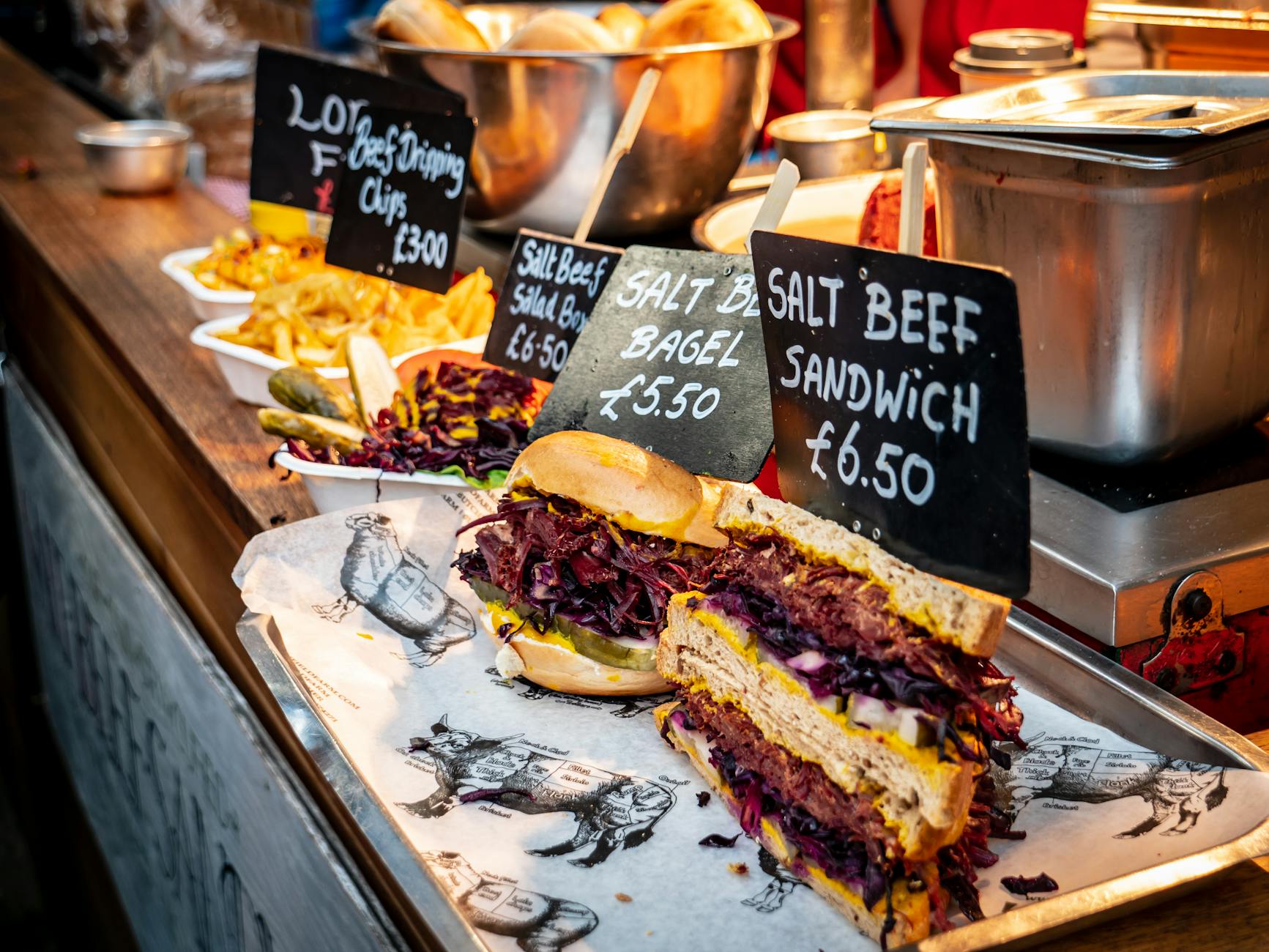
British food is better than its old reputation and broader than its stereotypes. The real food story is regional ingredients, immigration, pubs, markets, bakeries, fish and chips, Indian and South Asian food, Caribbean food, Chinese food, modern British cooking, afternoon tea, seafood, cheese, cider, whisky, beer, and a strong breakfast culture.
Food Identity
The UK eats through layers:
- Pub food: pies, roasts, fish and chips, ploughman’s, sausages and mash, burgers, local beer.
- Regional classics: Cornish pasties, Welsh rarebit, Scottish haggis, Cullen skink, Lancashire hotpot, Yorkshire pudding, Bakewell tart, Northern Irish soda farls, Ulster fry.
- Breakfast culture: full English, Scottish, Welsh, or Ulster breakfast; porridge; bacon rolls; tea.
- Afternoon tea: hotel luxury version or simple tea-and-cake version.
- Market food: London, Manchester, Belfast, Cardiff, Glasgow, Bristol, Leeds, and Liverpool all have strong food-market or food-hall scenes.
- Multicultural Britain: South Asian, Caribbean, Middle Eastern, East Asian, African, and European food are core to the country’s everyday eating.
- Modern British: seasonal, ingredient-led cooking in gastropubs, small restaurants, and destination dining rooms.
What to Eat
| Food/drink | What it is | Where to try it |
|---|---|---|
| Sunday roast | Roast meat or vegetarian alternative with potatoes, vegetables, gravy, Yorkshire pudding. | Good pubs; book ahead. |
| Fish and chips | Fried fish, chips, mushy peas, vinegar, tartare/curry sauce. | Coastal towns, proper chippies, some pubs. |
| Full breakfast | Eggs, bacon, sausage, beans, tomato, mushrooms, toast/fried bread; regional variants. | B&Bs, cafés, hotels, pubs. |
| Afternoon tea | Tea with sandwiches, scones, cakes, often in hotels or tearooms. | London hotels, Bath, York, country houses, seaside towns. |
| Pie and mash | Meat or vegetable pie with mash and gravy/liquor. | Pubs, London pie shops, northern England. |
| Haggis | Savory Scottish dish of oats, spices, offal traditionally in casing; vegetarian versions common. | Scotland, especially pubs and Burns Night menus. |
| Welsh cakes | Small griddle cakes with fruit/spice. | Wales markets, bakeries, cafés. |
| Cream tea | Tea with scones, jam, clotted cream. | Devon, Cornwall, tearooms, gardens. |
| Curry/South Asian food | A central part of British food culture. | London, Birmingham, Manchester, Bradford, Glasgow, Leicester. |
| Whisky | Scotch, Irish whiskey in Northern Ireland, English and Welsh whiskies increasingly visible. | Scotland, Belfast/Northern Ireland, distillery tours, whisky bars. |
| Real ale and cider | Cask beer and regional cider. | Pubs, brewery taprooms, West Country cider areas. |
Where to Eat by Situation
| Situation | Best approach |
|---|---|
| First London dinner | Pub near hotel, neighborhood bistro, Indian/South Asian restaurant, market hall, or booked restaurant if arrival time is reliable. |
| Budget meal | Supermarket meal deal, bakery, pub lunch, fish and chips, market food, casual curry, café breakfast, food hall. |
| Splurge | Modern British tasting menu, hotel afternoon tea, seafood in Cornwall/Scotland, whisky dinner, country-house restaurant, London fine dining. |
| Family meal | Pubs with children’s menus, pizza/pasta, food halls, museum cafés, early dinners, casual chains. |
| Solo meal | Pubs, counters, markets, cafés, theatre-area pre/post menus, hotel bars, casual restaurants. |
| Sunday | Book Sunday roast if you care; check evening restaurant hours in small towns. |
| Rural stay | Check restaurant closure days before booking accommodation. In villages, Monday/Tuesday can be tricky. |
Pub Practicalities
- Many pubs expect you to order drinks and sometimes food at the bar.
- Some pubs are dining pubs with table service; signs or staff will make it clear.
- A “round” means one person buys drinks for the group; rounds are socially important but not mandatory with strangers.
- Children are often welcome in food pubs, but rules and atmosphere vary.
- Tipping at the bar is not expected in the same way as U.S. bar culture. In restaurants, a service charge may be included.
- Last orders can come earlier than visitors expect in small towns.
- Rural pubs may close between lunch and dinner.
Drinks and Nightlife
Beer: cask ale, craft beer, lager, stout, regional breweries.
Cider: especially strong in the West Country and Wales.
Whisky: Scotland is the main focus, but Northern Ireland, England, and Wales also matter.
Gin: London and modern craft distilleries across the UK.
Tea: everyday tea culture plus formal afternoon tea.
Nightlife areas: London, Manchester, Liverpool, Glasgow, Edinburgh, Bristol, Leeds, Newcastle, Cardiff, Belfast, Brighton.
Safety note: Big-city nightlife is generally manageable but drink spiking, petty theft, aggressive behavior, taxi issues, and late-night transport gaps require normal caution.
Getting Around
Arrival Airports
London Heathrow
Best for London, western suburbs, Paddington/Elizabeth line routes, and international connections. Heathrow is large but well connected by Elizabeth line, Underground, Heathrow Express, buses, taxis, and transfers.
London Gatwick
Good for London, South Coast, Brighton, and some Europe/long-haul routes. Rail access to central London is usually straightforward.
London Stansted and Luton
Often budget-airline airports. Useful but farther and more transfer-sensitive than some visitors expect.
London City
Convenient for Canary Wharf/City/East London, limited by route network.
Manchester, Birmingham, Edinburgh, Glasgow, Belfast, Cardiff, Bristol
These can be smarter than flying into London if your trip is regional. Manchester works well for North England/Wales. Edinburgh/Glasgow work for Scotland. Belfast works for Northern Ireland.
Trains
Trains are the best way to move between many UK cities. National Rail is the official source for Britain-wide train information, fares, live departures, and disruption.[8]
Strong routes: London–Bath, London–Oxford, London–Cambridge, London–York, London–Edinburgh, London–Manchester, London–Liverpool, London–Bristol/Cardiff, Edinburgh–Glasgow, Glasgow–Oban/Fort William/Mallaig, Cardiff–Swansea, Belfast–Derry/Londonderry.
Ticket logic:
- Advance fares: often cheaper but tied to a specific train.
- Off-Peak/Super Off-Peak: more flexible, time restrictions apply.
- Anytime: most flexible, often expensive.
- Railcards: may save 1/3 for eligible travelers.[9]
- BritRail: can be useful for overseas visitors doing many rail days across Great Britain, but compare against point-to-point fares.[10]
Common mistake: Buying long-distance trains late and then blaming the UK for high rail prices. Book fixed long-distance journeys early when possible.
Coaches and Buses
Coaches are slower but cheaper than trains on some routes. National Express, Megabus, FlixBus, Scottish Citylink, and regional coach networks can be useful. Local buses matter in rural areas but can be infrequent, especially evenings, Sundays, and off-season.
The move: Use coaches for budget city-to-city travel or airport links; use local buses only after checking real timetables.
London Transport
TfL makes London unusually easy for visitors once you understand zones, contactless/Oyster, and daily caps. Always use the same card/device to tap in and out where required.[11]
Best London transport: Tube, Elizabeth line, Overground, buses, DLR, Thames Clippers for scenic river travel, walking.
Avoid: Paper single tickets unless you have a specific reason.
Domestic Flights
Domestic flights can make sense for London–Scotland, London–Northern Ireland, Scotland–London, or remote islands, especially with limited time. But for London–Edinburgh/Glasgow/Manchester, compare total airport time against rail.
Ferries
Ferries matter for Scottish islands, Isle of Wight, Northern Ireland/Great Britain connections, and some coastal routes. Weather can disrupt schedules. If an island is the core of your trip, build slack.
Taxis and Rideshare
London black cabs are iconic and expensive. Ride-hailing exists in many cities, but availability varies. Rural taxi service can be limited and must often be pre-booked.
The move: Never assume there will be a taxi at a rural station late at night. Arrange in advance.
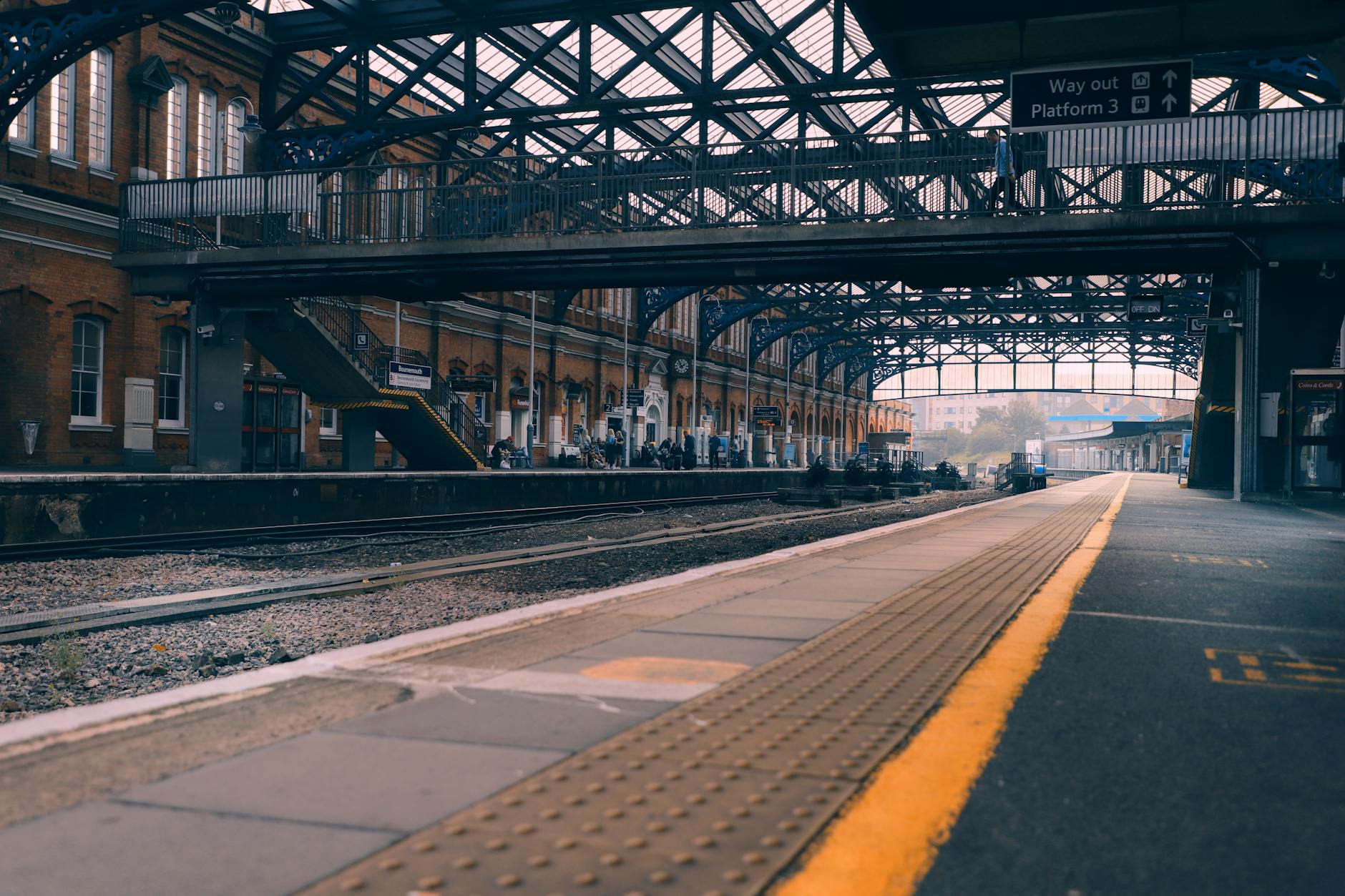
Driving in the UK
Driving can be the difference between a good rural trip and a frustrating one. It can also be an expensive mistake in London and other cities.
Basic Driving Logic
- Drive on the left.
- Manual transmission is common; book automatic early if needed.
- Roads can be narrow in villages, Cornwall, Wales, Scotland, and rural England.
- Roundabouts are common.
- Speed limits and enforcement matter.
- Parking in historic towns can be difficult and expensive.
- Fuel is expensive compared with the U.S.
- City emission/congestion charges can catch visitors.
When a Car Makes Sense
- Scottish Highlands and islands.
- Wales mountains/coast.
- Cotswolds villages.
- Cornwall and Devon.
- Lake District and Yorkshire Dales.
- Northumberland coast and castles.
- Northern Ireland Causeway Coast and rural areas.
- Stately homes and gardens outside cities.
When a Car Is a Mistake
- London.
- Central Edinburgh during a city break.
- Manchester/Liverpool/Glasgow city stays.
- Oxford/Cambridge city centers.
- Any itinerary based primarily on major rail-linked cities.
London ULEZ and Congestion
TfL states the Ultra Low Emission Zone operates 24/7 across all London boroughs except Christmas Day and does not include the M25.[15] London may also involve Congestion Charge and other rules depending where/when you drive.
The move: If renting a car, pick it up after London and return it before London. Do not casually drive into the capital.
Rural Driving Warnings
- Passing places are common on single-track roads in Scotland and rural areas.
- Do not stop in passing places except to let vehicles pass.
- Slow vehicles should let others overtake when safe.
- Sheep, cyclists, walkers, tractors, and tour buses are normal rural hazards.
- Weather can change fast in high areas.
- Parking carelessly in villages and trailheads creates local resentment.
Budget and Costs
The UK is not a cheap destination, especially London, Edinburgh in August, peak-season countryside, and long-distance rail booked late. But many of the best experiences—parks, walking, some museums, city wandering, markets, churches, pubs, and landscapes—can be good value.
Daily Budget Ranges
| Traveler type | Daily estimate, excluding long-distance travel and major shopping | What it means |
|---|---|---|
| Shoestring | £55–£90 | Hostel/dorm, supermarket meals, free museums, buses/coaches, limited paid sights. Harder in London/Edinburgh peak periods. |
| Budget comfort | £90–£160 | Budget hotel or private hostel room, casual meals, public transport, one paid attraction every day or two. |
| Mid-range | £160–£300 | Good location hotel/B&B, restaurants/pubs, trains booked ahead, paid attractions, occasional taxi. |
| Comfortable | £300–£550 | Strong hotels, theatre, tours, better restaurants, taxis when useful, countryside lodging. |
| Luxury | £550+ | High-end London/Edinburgh hotels, private guides, fine dining, premium rail, country-house hotels, chauffeur/driver days. |
What Is Surprisingly Expensive
- London hotels.
- Edinburgh lodging in August and New Year.
- Last-minute long-distance trains.
- Attraction tickets for families.
- Rural taxis.
- Parking in cities and popular towns.
- Car rental with automatic transmission and full insurance.
- Peak-season cottages in Cornwall, Cotswolds, Lake District, and Scotland.
What Can Be Good Value
- Many major UK museums, especially in London, are free for general admission.
- Parks and walks.
- Pub lunches and supermarket meal deals.
- Railcards if eligible.
- Coaches for budget travel.
- National Trust/heritage passes if visiting multiple paid properties.
- Off-season city breaks.
- Theatre discount booths or weekday/off-peak seats.
Best Value Moves
- Stay slightly outside the most famous neighborhoods but near strong transit.
- Book long-distance trains early.
- Use railcards if eligible.
- Choose one major paid attraction per day rather than stacking three.
- Use free museums and parks intelligently.
- Eat big at lunch and lighter at dinner.
- Stay multiple nights in rural bases rather than moving every night.
- Travel in May/June/September or winter cities instead of August hotspots.
Splurge-Worthy
- A well-located London hotel for a short first trip.
- London theatre seats.
- A responsible guided political/history tour in Belfast or Derry/Londonderry.
- A good Highlands or Wales driver-guide if not comfortable driving.
- A country-house or pub-with-rooms night in the right region.
- A small-group Cotswolds/Stonehenge/Highlands tour that solves logistics.
- A special afternoon tea if that experience matters to you.
Usually Not Worth It
- A rental car in London.
- Hop-on/hop-off buses if you are already comfortable with public transport and walking.
- Overpriced restaurants immediately beside major tourist sights.
- One-night rural stays that require more transit than experience.
- Trying to visit Stonehenge, Bath, Oxford, and the Cotswolds properly in one day.
- Flying London–Edinburgh without comparing rail door-to-door.
Safety, Health, and Practical Risks
The UK is generally a safe and straightforward destination for mainstream travelers, but it is not risk-free. The most relevant risks are petty theft, nightlife issues, terrorism alerts, road safety, outdoor/weather hazards, scams, and transport disruption.
General Safety
The U.S. State Department currently advises increased caution in the United Kingdom due to terrorism, noting that terrorist groups continue plotting possible attacks and may target tourist locations, transportation hubs, markets, shopping malls, local government facilities, hotels, clubs, restaurants, places of worship, parks, sporting/cultural events, educational institutions, airports, and other public areas.[27]
That does not mean ordinary visitors should be alarmed. It means stay aware, follow local instructions, report suspicious items, and avoid complacency in crowded places.
Petty Theft and Urban Caution
Watch phones and bags in London, Manchester, Edinburgh, Glasgow, Liverpool, Belfast, and tourist-heavy areas. Phone snatching can happen, especially near roads and station exits. Pubs, cafés, train stations, and crowded markets are classic bag-risk locations.
The move: Do not leave phones on tables, bags on chair backs, or wallets in open outer pockets.
Nightlife Safety
Use normal caution around late-night drinking areas. Watch drinks, avoid confrontations, use licensed taxis or reputable apps, and plan transport before the last train/bus. Some city centers can be rowdy on Friday/Saturday nights.
Outdoor Safety
UK mountains are not high by global standards, but they can be dangerous because of weather, navigation, cold, wind, bog, cliffs, tides, and poor visibility.
Be careful with: Ben Nevis, Snowdon/Yr Wyddfa, Lake District fells, Cairngorms, coastal cliffs, beaches with tides, remote islands, winter hills.
The move: Check forecast, carry layers, tell someone your route, use proper footwear, and turn around without ego.
Road Safety
The biggest driving risks for visitors are left-side driving, roundabouts, narrow rural roads, fatigue, unfamiliar signage, and overambitious road-trip days. In cities, pedestrians should look both ways and remember traffic direction can surprise you.
Health Practicalities
- Emergency: 999 or 112.[7]
- Non-emergency medical advice: 111 in many areas, but local systems vary.
- Pharmacies are common in towns and cities.
- Travel insurance is strongly recommended.
- Bring prescription medications in original packaging and check controlled-drug rules if relevant.
- Tap water is generally safe.
- Ticks can be an issue in countryside; check after hikes.
- Midge season can affect Scotland, especially Highlands and west coast in summer.
Common Scams and Annoyances
- Fake ticket resellers for events.
- Overpriced pedicabs/rickshaws in parts of central London.
- Pickpocket distraction tactics.
- Unofficial airport transfers.
- Pub/club overcharging in unfamiliar nightlife zones.
- Accommodation scams on unverified platforms.
- Street charity pressure or petition-style distractions.
Accessibility and Mobility
The UK can be accessible in major museums, modern hotels, and city transport systems, but old buildings, cobbles, small lifts, narrow pavements, rural paths, stations without step-free access, and historic sites can be challenging.
What Helps
- Many major museums and galleries have accessibility information.
- London has step-free stations on parts of the network, but not everywhere.
- National Rail can arrange passenger assistance.
- Modern hotels and chain hotels are often more predictable for lifts and accessible rooms.
- Taxis can be helpful, especially London black cabs.
- AccessAble provides detailed accessibility information for many UK and Ireland venues; VisitBritain points travelers toward accessible travel resources.[26]
What Is Hard
- Tube stations without lifts.
- Historic hotels with stairs.
- Cobblestones in Edinburgh, York, Bath, Oxford, Cambridge, and old towns.
- Castles, ruins, and rural paths.
- Small pubs and restaurants with steps or narrow toilets.
- Remote national-park routes.
- Ferry ramps and island logistics in bad weather.
Lower-Walking Strategy
Base in central, transit-rich areas. Choose fewer neighborhoods per day. Use buses as scenic mobility tools. Book accessible rooms directly with hotels. Confirm lifts, bathrooms, parking, and step-free station routes in writing. Use taxis for bad transfers rather than forcing awkward walks.
Strollers and Family Mobility
London buses are often easier than the Tube with strollers. Historic towns can mean cobbles. Rural paths may require carriers rather than strollers. Museums and department stores are reliable restroom/baby-change stops.
Families, Solo Travelers, LGBTQ+ Travelers, and Special Considerations
Families With Children
The UK is excellent for families: museums, parks, castles, trains, theatre, Harry Potter, zoos, aquariums, beaches, football stadium tours, countryside cottages, and short city hops.
Best family bases: London, York, Bath, Edinburgh, Cardiff, Glasgow, Belfast, Cotswolds cottage, Lake District, Cornwall/Devon, Pembrokeshire, North Wales.
Family tips:
- Book family rooms early; UK rooms can be compact.
- Use parks daily in London and Edinburgh.
- Check child rail fares and family railcards.
- Avoid overloading children with cathedrals/castles every day.
- Use apartments for laundry and breakfast control.
- In rural areas, plan dinner before everyone is hungry.
Solo Travelers
The UK is strong for solo travelers: hostels, pubs, museums, theatre, walking tours, trains, cafés, and safe-feeling city exploration. Solo dining is easy in cities and pubs.
Solo tips:
- Use walking tours early in a city.
- Choose central lodging near evening transport.
- Be cautious with late-night nightlife zones.
- Use theatre, comedy, football, and live music as solo-friendly evening plans.
Women Traveling Solo
Many women travel comfortably in the UK, but normal caution applies around nightlife, late trains, isolated rural areas, and city-center drinking districts. Choose lodging carefully, plan the last leg home, and use licensed taxis/apps when needed.
LGBTQ+ Travelers
The UK has visible LGBTQ+ communities, events, venues, and legal protections, especially in London, Brighton, Manchester, Glasgow, Edinburgh, Cardiff, and Belfast. Rural areas may be quieter or more private rather than visibly scene-oriented.
Older Travelers
The UK can be excellent for older travelers if you pace it well: fewer hotel changes, rail over driving where possible, taxis for rough transfers, central hotels, and heritage sites with accessibility checks.
Travelers of Color and Religious Travelers
The UK is diverse, especially in large cities, but experiences vary by region and context. London, Birmingham, Manchester, Leicester, Bradford, Glasgow, Cardiff, and other cities have significant multicultural communities and varied places of worship and food options. Rural areas may feel less diverse but are often welcoming.
Remote Workers and Long-Stay Visitors
Check visa rules before remote work assumptions. For lifestyle, London is expensive; Manchester, Glasgow, Edinburgh, Bristol, Cardiff, Belfast, Leeds, Liverpool, Sheffield, Newcastle, and coastal towns can be better value depending needs. Weather and housing supply matter.
Shopping and Souvenirs
The UK is excellent for books, design, tea, whisky, wool, ceramics, vintage clothing, football shirts, museum-shop gifts, food products, stationery, records, maps, garden goods, and crafts.
Best Shopping Areas
| Area | Best for |
|---|---|
| London West End/Soho/Covent Garden | Fashion, books, theatre, gifts, flagship stores. |
| Marylebone/Mayfair | Luxury, tailoring, design, galleries, books. |
| Shoreditch/Spitalfields | Markets, design, vintage, streetwear. |
| Notting Hill/Portobello | Antiques, vintage, market browsing. |
| Edinburgh Old/New Town | Whisky, wool, books, design, souvenirs. |
| Glasgow | Design, music, vintage, contemporary Scottish goods. |
| Bath/Oxford/York | Books, heritage gifts, tea, local crafts. |
| Manchester/Liverpool/Bristol | Music, football, vintage, independent shops. |
| Wales | Wool, slate, Welsh food, books, crafts. |
| Northern Ireland | Linen, whiskey, crafts, food gifts, local design. |
Good Souvenirs
- Tea and biscuits.
- Books from independent shops.
- Museum-shop prints and objects.
- Scottish wool/tweed/cashmere, if authentic and budget allows.
- Welsh blankets or slate goods.
- Whisky, gin, cider, or local spirits within customs limits.
- Football scarves/shirts from official shops.
- Ceramics and pottery.
- Local preserves, chutneys, shortbread, fudge, chocolates.
- Maps and walking guides.
What Not to Buy Thoughtlessly
- Fake tartan or mass-produced “heritage” goods with no local connection.
- Alcohol beyond customs allowance.
- Food you cannot import home.
- Fragile ceramics without packing.
- Cheap royal novelty clutter unless you truly want it.
Culture, History, and Etiquette
Short History for Travelers
The UK’s travel landscape makes more sense when you see the layers.
Prehistoric Britain left Stonehenge, Avebury, Orkney, hillforts, burial mounds, and sacred landscapes. Roman Britain left roads, walls, baths, towns, and military frontiers. Anglo-Saxon, Norse, Celtic, Norman, medieval, Tudor, Stuart, Georgian, Victorian, industrial, imperial, wartime, postwar, and contemporary layers are all visible in cities and landscapes.
London became an imperial and financial capital. Scotland retained distinct legal, educational, religious, and cultural traditions even within the union. Wales kept a strong language and cultural identity despite centuries of English political dominance. Northern Ireland’s history includes plantation, partition, unionism, nationalism, civil rights, the Troubles, the peace process, and continuing identity complexity.
Industrial Britain shaped Manchester, Liverpool, Birmingham, Glasgow, Belfast, Sheffield, Leeds, Newcastle, Cardiff, and the valleys of South Wales. Post-industrial Britain reshaped many of those cities through music, sport, universities, arts, immigration, technology, and regeneration.
A serious UK guide should not make the country all monarchy and tea. It should show monarchy and Parliament, yes, but also empire, migration, class, labor, devolution, regional pride, language politics, football, music, and living multicultural culture.
Etiquette and Cultural Norms
- Queue properly.
- Say “please,” “thank you,” and “sorry” more than you may expect.
- Keep voices moderate in public transport and pubs unless the venue is already loud.
- In pubs, ordering at the bar is common.
- Do not assume table service unless indicated.
- Avoid calling Scotland, Wales, or Northern Ireland “England.”
- Be careful with political jokes in Northern Ireland or about national identity.
- Tipping is moderate: check service charge first in restaurants.
- Stand to one side on escalators where local custom indicates, especially in London.
- Do not block narrow pavements for photos.
- Respect private land, livestock, gates, and path rules in the countryside.
- Ask before photographing people closely.
- Football rivalries can be intense; do not provoke fans.
Books, Films, Music, and Cultural Prep
A UK guide should include carefully curated prep lists by route:
- London: novels, history, immigrant London writing, theatre, punk, grime, design, empire context.
- Scotland: Scottish history, Edinburgh literature, Glasgow music, Highlands/island writing, Gaelic context.
- Wales: Welsh-language culture, Dylan Thomas, industrial history, rugby, landscape writing.
- Northern Ireland: Belfast/Derry history, Troubles and peace-process context, contemporary writing, music, and film.
- Industrial North: music histories, football, labor, migration, textile/shipbuilding/rail stories.
- Countryside: walking literature, nature writing, class/country-house critiques, rural change.
Local Voices to Include in a Version
Ask locals:
- What do visitors misunderstand about your region?
- Where do you take friends visiting for the first time?
- What is overrated?
- What is one local food or drink visitors should try?
- What is one etiquette rule outsiders miss?
- How has tourism changed your town or area?
- What does a good rainy day look like?
Seasonal and Month-by-Month Guide
Spring
Spring is one of the best UK seasons. Gardens wake up, daylight improves, parks fill, and crowds are not yet at summer peak. London, Bath, Oxford, Cambridge, the Cotswolds, Kent, gardens, and southern England are especially good. Scotland and Wales are beautiful but still changeable.
Best for: Gardens, cities, day trips, walking, photography.
Watch out: Easter crowds, chilly evenings, rain.
Summer
Summer is festival and coast season. Long days help Scotland, Wales, national parks, islands, and countryside. Edinburgh in August is extraordinary but expensive and crowded. Cornwall, Devon, Lake District, Cotswolds, Skye, and popular coastal towns need early booking.
Best for: Scotland, Wales, coast, festivals, families, walking, islands.
Watch out: Crowds, high prices, midges in Scotland, packed trains, accommodation scarcity.
Autumn
September is one of the best months overall. October brings color and atmosphere. November shifts toward city travel and cozy interiors. Autumn is strong for London, Scotland, Yorkshire, Lake District, whisky, pubs, museums, and food.
Best for: Walking, cities, museums, whisky, gardens, fewer crowds.
Watch out: Shorter daylight, storms, reduced rural opening hours.
Winter
Winter is city and atmosphere season. London theatre, museums, Christmas lights, pubs, football, galleries, and bookshops shine. Rural routes are quieter but more weather-dependent.
Best for: London, Edinburgh, Glasgow, Bath, York, Belfast, Cardiff, theatre, museums, Christmas.
Watch out: Short days, holiday closures, train engineering works, winter driving.
Key Annual Timing Issues
- Easter: school holidays, family travel, attraction demand.
- May bank holidays: UK domestic travel spikes.
- June: gardens, long days, major events begin.
- July/August: school holidays and peak countryside/coast travel.
- Edinburgh Festival season: August lodging pressure.
- September: strong all-round travel month.
- Christmas/New Year: festive but closure-prone.
- Rail strikes/engineering: check live rail information close to travel.
- Football season: affects hotel prices and transport in some cities.
Day Trips and Side Trips
Best London Day Trips
| Day trip | Best for | Notes |
|---|---|---|
| Windsor | Royal history, castle, easy logistics. | One of the easiest royal day trips. |
| Oxford | Colleges, libraries, architecture, museums. | Choose over Cambridge if you want a bigger, layered city. |
| Cambridge | Colleges, river, punting, compact beauty. | Choose over Oxford if you want a lighter, river-focused day. |
| Bath | Roman Baths, Georgian architecture, Jane Austen context. | Possible day trip; better overnight. |
| Stonehenge/Salisbury | Prehistory, cathedral, UNESCO. | Best with timed booking and context. |
| Canterbury | Cathedral, medieval streets, pilgrimage history. | Strong southeast history day. |
| Brighton | Seaside, lanes, queer culture, casual energy. | Easy by rail; good contrast to London. |
| Hampton Court | Tudor and royal history, gardens. | Excellent family/history day. |
| Kew Gardens | Gardens, glasshouses, science, calm. | Technically London but feels like a retreat. |
Best Edinburgh Day Trips
| Day trip | Best for | Notes |
|---|---|---|
| Stirling | Castle, history, Wallace/Bannockburn context. | Easy by train. |
| Glasgow | Music, museums, architecture, food. | Better as 1–2 nights if possible. |
| North Berwick | Coast, seabirds, beach, small-town escape. | Easy rail day. |
| Rosslyn Chapel | Architecture, mystery, short trip. | Often combined with Borders. |
| Highlands day tour | Scenery taste. | Long day; good if time is short but not a substitute for a Highlands stay. |
Best Wales Side Trips
- Cardiff to Caerphilly Castle.
- Cardiff to St Fagans National Museum of History.
- North Wales castle loop: Conwy, Caernarfon, Beaumaris.
- Eryri/Snowdonia walking routes.
- Pembrokeshire Coast and St Davids.
- Hay-on-Wye for books.
Best Northern Ireland Side Trips
- Belfast to Giant’s Causeway and Causeway Coast.
- Belfast to Derry/Londonderry.
- Belfast to the Mourne Mountains.
- Belfast to Armagh or County Down.
- Causeway Coast to Rathlin Island if timing/weather allow.
Regional Extension Ideas
| Extension | Add to |
|---|---|
| Republic of Ireland | Northern Ireland route; check separate entry/currency/logistics. |
| Paris/Amsterdam/Brussels | London via Eurostar; check Schengen/EES/ETIAS rules separately. |
| Channel Islands / Isle of Man | UK-adjacent island routes with distinct legal/transport logic; verify entry/ETA details. |
| Faroe/Iceland/Norway | Scotland/Northern Europe add-ons by flight/ferry/air route planning. |
What to Skip
Skip: Trying to Cover All Four Nations in One Short Trip
England, Scotland, Wales, and Northern Ireland all deserve attention. Touching each for a box-check is usually weaker than doing two properly.
Better alternative: Choose London + Scotland, England + Wales, or Northern Ireland + Ireland context.
Skip: Renting a Car in London
Driving in London adds cost, stress, charges, and parking problems.
Better alternative: Use public transport, then rent after leaving London.
Skip: A One-Day Scotland “Highlands” From London
This is not a serious plan. Even Edinburgh deserves more than a day from London if possible.
Better alternative: London + Edinburgh by rail with at least two nights in Edinburgh, or a Scotland-first trip.
Skip: Stonehenge Without Context If You Are Not Interested in Prehistory
Stonehenge is important, but some visitors find the experience underwhelming if they expect spectacle rather than archaeology.
Better alternative: Pair with Salisbury, Avebury, Bath, or a guide, or choose Windsor/Oxford/Bath if those suit you better.
Skip: Overloading Castles and Cathedrals
Too much heritage sameness causes fatigue.
Better alternative: Mix one castle, one museum, one market, one walk, one pub, and one neighborhood.
Skip: Peak-Season Hotspots Without Booking
Cornwall, Cotswolds, Lake District, Skye, Edinburgh in August, and small Welsh/coastal towns can punish late planners.
Better alternative: Book early or choose shoulder seasons and less obvious bases.
Skip: Treating Northern Ireland as a Photo Stop
The Causeway Coast is beautiful, but Belfast and Derry/Londonderry deserve serious context.
Better alternative: Take a responsible walking/history tour and read basic background before arriving.
Common Mistakes
- Calling the whole UK “England.” It annoys people and signals you are not listening.
- Underestimating London. It needs time and structure.
- Overestimating rural public transport. Trains are good; village buses are not always.
- Booking trains too late. Long-distance prices can rise sharply.
- Renting a car too early. Do not drive in London if you do not need to.
- Packing only for the season on paper. Pack for rain and layers.
- Changing hotels every night. UK trips are better with bases.
- Trying to do Cotswolds villages without logistics. Check bus/taxi/tour/car options.
- Treating Scotland as a two-day add-on. Edinburgh alone needs time; Highlands need more.
- Ignoring national holidays and school breaks. Domestic travel pressure matters.
- Assuming every attraction is open daily/year-round. Rural sites can have seasonal hours.
- Not booking Edinburgh in August early. Festival season changes everything.
- Overdoing paid attractions in London. Mix free museums and walks.
- Skipping regional cities. Manchester, Liverpool, Glasgow, Bristol, Cardiff, Belfast, Newcastle, Leeds, and Birmingham show modern Britain.
- Not planning the last train home. Night transport varies outside London.
- Wearing bad shoes. Cobblestones, stations, museums, and hills add up.
- Ignoring access needs at old buildings. Lifts and step-free routes are not guaranteed.
- Forgetting that Northern Ireland has UK rules. Especially when crossing from the Republic of Ireland.
Responsible Travel
Do
- Use the right national terms: England, Scotland, Wales, Northern Ireland, UK, Great Britain.
- Support local pubs, cafés, bookshops, markets, guides, and independent accommodation.
- Respect private land, gates, livestock, and footpaths.
- Take litter with you in national parks and coastal areas.
- Book legal accommodation and avoid damaging housing pressure in fragile communities.
- Use rail where practical.
- Travel outside peak times in overtouristed villages and island communities.
- Learn basic local context before visiting politically sensitive areas.
- Ask before photographing people closely.
- Tip appropriately when service is good and no service charge is included.
Do Not
- Block pavements, paths, village lanes, or castle entrances for photos.
- Fly drones without checking strict rules.
- Park dangerously at trailheads or viewpoints.
- Treat working rural communities as theme parks.
- Climb on fragile ruins or stone walls.
- Make jokes about the Troubles in Northern Ireland.
- Assume all pubs are tourist-friendly performance spaces.
- Geotag tiny fragile spots that cannot handle sudden crowds.
Local Logic
The UK’s best travel experiences are often ordinary places used well: a pub, a path, a bus ride, a market, a train station, a park, a bookshop, a chapel, a football ground. Treat them as living places, not props.
Packing List
Essentials
- Comfortable walking shoes.
- Waterproof jacket or compact umbrella.
- Layers, even in summer.
- Type G plug adapter.
- Portable battery pack.
- Contactless payment card and backup card.
- Small amount of cash.
- Day bag.
- Prescription medication in original packaging.
- Travel insurance details.
- Offline maps for rural areas.
- Reusable water bottle.
- Smart-casual outfit if dining/theatre plans require it.
Seasonal Additions
| Season | Pack |
|---|---|
| Spring | Layers, light rain gear, comfortable shoes, allergy medication if needed. |
| Summer | Light layers, sun protection, rain jacket, midge repellent for Scotland, swimwear for coast/lidos. |
| Autumn | Warmer layers, waterproof shoes/jacket, scarf, countryside walking gear. |
| Winter | Warm coat, gloves, hat, waterproof footwear, layers for indoor/outdoor changes. |
Outdoor Additions
- Proper hiking shoes/boots.
- Map/navigation backup.
- Waterproof trousers for serious walking.
- Warm layer even in summer hills.
- Headlamp in shorter daylight seasons.
- Snacks and water.
- Tick remover for countryside.
- Midge repellent/head net for parts of Scotland in summer.
What Not to Overpack
- Too many dressy clothes unless you have specific fine-dining/events.
- Large luggage for rail-heavy routes.
- Appliances incompatible with UK voltage.
- High heels for cobbled historic towns.
- Heavy coats in summer unless heading to exposed hills.
FAQ
Is the United Kingdom worth visiting for a first Europe trip?
Yes. The UK is one of the easiest first Europe trips because of language, air access, museums, rail, and cultural familiarity. It is also deeper than many first-timers expect because England, Scotland, Wales, and Northern Ireland offer very different experiences.
How many days should I spend in the UK?
Seven to ten days is a good first trip. Five days is best spent mostly in London. Two weeks allows London, England, and Scotland or a more balanced England/Wales/Scotland route.
Do I need a visa or ETA for the UK?
It depends on your passport and travel purpose. Many non-visa nationals now need an ETA; visa-required travelers need the appropriate visa. Check GOV.UK before travel.[1][3]
Is the UK in Schengen?
No. The UK has its own border rules. Schengen visas, ETIAS, and Schengen stay limits are separate from UK requirements.
Can I visit the Republic of Ireland and Northern Ireland on the same trip?
Yes, many travelers do. But the Republic of Ireland and Northern Ireland are different jurisdictions. Northern Ireland is part of the UK, so UK entry rules apply even though there is no routine immigration control on the land border.[4]
What is the best first UK route?
London + York + Edinburgh is the best simple no-car route. London + Bath/Oxford/Cotswolds is the best classic England route. London + Edinburgh + Highlands is best if Scotland is the priority.
Should I rent a car?
Not for London or most major cities. Yes for rural Scotland, Wales, Cornwall/Devon, Cotswolds villages, Lake District, Yorkshire Dales, Northumberland, and parts of Northern Ireland.
Is rail travel expensive?
It can be if booked late or during peak times. Book Advance fares early for fixed long journeys, consider Railcards if eligible, and compare BritRail for multi-stop trips.
What is the best time to visit?
May, June, and September are the best all-around months. July/August are lively but busy and expensive. Winter is best for cities, pubs, museums, theatre, and Christmas atmosphere.
Is London enough for a first UK trip?
For a short trip, yes. London plus day trips can make an excellent first visit. For a longer trip, add one region rather than scattering across the whole country.
What should I book ahead?
London theatre, Edinburgh lodging in August, Edinburgh Castle, Stonehenge, Harry Potter Studio Tour, Windsor/Buckingham Palace seasonal visits, popular restaurants, long-distance trains, and peak rural lodging.
Is the UK safe?
Generally yes, with normal urban caution. Watch petty theft in crowded areas, plan nightlife transport, follow terrorism-related public safety guidance, and take outdoor/weather risks seriously.[27]
Can I use contactless cards everywhere?
Mostly in cities and on London transport, but carry some cash for rural areas, markets, parking, and small businesses.
What is the biggest mistake first-timers make?
Trying to see too much. The UK rewards slower, regionally coherent travel.
Source Notes
Date-sensitive details in this guide were checked against official or high-reliability sources where possible. Re-check every price, schedule, booking rule, visa rule, ETA requirement, festival date, ferry operation, rail disruption, safety advisory, and transport fare before publication.
- 1. GOV.UK, “Get an electronic travel authorisation (ETA) to visit the UK,” https://www.gov.uk/eta
- 2. Home Office Media Blog, “Electronic Travel Authorisation (ETA) factsheet – April 2026,” https://homeofficemedia.blog.gov.uk/electronic-travel-authorisation-eta-factsheet-april-2026/
- 3. GOV.UK, “Visit the UK as a Standard Visitor,” https://www.gov.uk/standard-visitor
- 4. Home Office Media Blog, “Electronic Travel Authorisation (ETA) factsheet – April 2026,” section on Northern Ireland, https://homeofficemedia.blog.gov.uk/electronic-travel-authorisation-eta-factsheet-april-2026/
- 5. GOV.UK, “Common Travel Area guidance,” https://www.gov.uk/government/publications/common-travel-area-guidance/common-travel-area-guidance
- 6. VisitBritain, “UK Travel Advice & Useful Information,” https://www.visitbritain.com/en/plan-your-trip/useful-information
- 7. GOV.UK, “999 and 112: the UK’s national emergency numbers,” https://www.gov.uk/guidance/999-and-112-the-uks-national-emergency-numbers
- 8. National Rail, “The official source for trains in Great Britain,” https://www.nationalrail.co.uk/
- 9. Railcard, official National Rail Railcards retailer, https://www.railcard.co.uk/
- 10. VisitBritain, “UK Transport & Travelling Around Britain,” https://www.visitbritain.com/en/plan-your-trip/travelling-around-britain
- 11. Transport for London, “Pay as you go with an Oyster card,” https://tfl.gov.uk/fares/ways-to-pay/pay-as-you-go
- 12. Transport for London, “Visitor Oyster card,” https://tfl.gov.uk/travel-information/visiting-london/visitor-oyster-card
- 13. Met Office, “Weather and climate change,” https://www.metoffice.gov.uk/
- 14. GOV.UK, “Driving in Great Britain on a non-GB licence,” https://www.gov.uk/driving-nongb-licence
- 15. Transport for London, “Ultra Low Emission Zone,” https://tfl.gov.uk/modes/driving/ultra-low-emission-zone
- 16. VisitBritain, “UK Holiday Destinations & Places to Visit,” https://www.visitbritain.com/en/destinations
- 17. VisitScotland, official national tourist organisation, https://www.visitscotland.com/
- 18. Visit Wales, “National Parks,” https://www.visitwales.com/things-do/nature-and-landscapes/national-parks
- 19. Tourism Northern Ireland, “Welcome to Northern Ireland,” https://discovernorthernireland.com/
- 20. National Parks UK, “Your National Parks,” https://www.nationalparks.uk/parks/
- 21. UNESCO World Heritage Centre, “United Kingdom of Great Britain and Northern Ireland,” https://whc.unesco.org/en/statesparties/gb
- 22. English Heritage, “Book tickets for Stonehenge,” https://www.english-heritage.org.uk/visit/places/stonehenge/book-tickets/
- 23. Historic Royal Palaces, “Tower of London tickets and prices,” https://www.hrp.org.uk/tower-of-london/visit/tickets-and-prices/
- 24. Historic Environment Scotland, “Edinburgh Castle,” https://www.historicenvironment.scot/visit-a-place/places/edinburgh-castle/
- 25. National Trust, “Explorer Pass,” https://www.nationaltrust.org.uk/membership/explorer-pass
- 26. VisitBritain, “Accessible Britain Guide,” https://www.visitbritain.com/en/plan-your-trip/accessible-britain
- 27. U.S. Department of State, “United Kingdom Travel Advisory,” https://travel.state.gov/en/international-travel/travel-advisories/united-kingdom.html