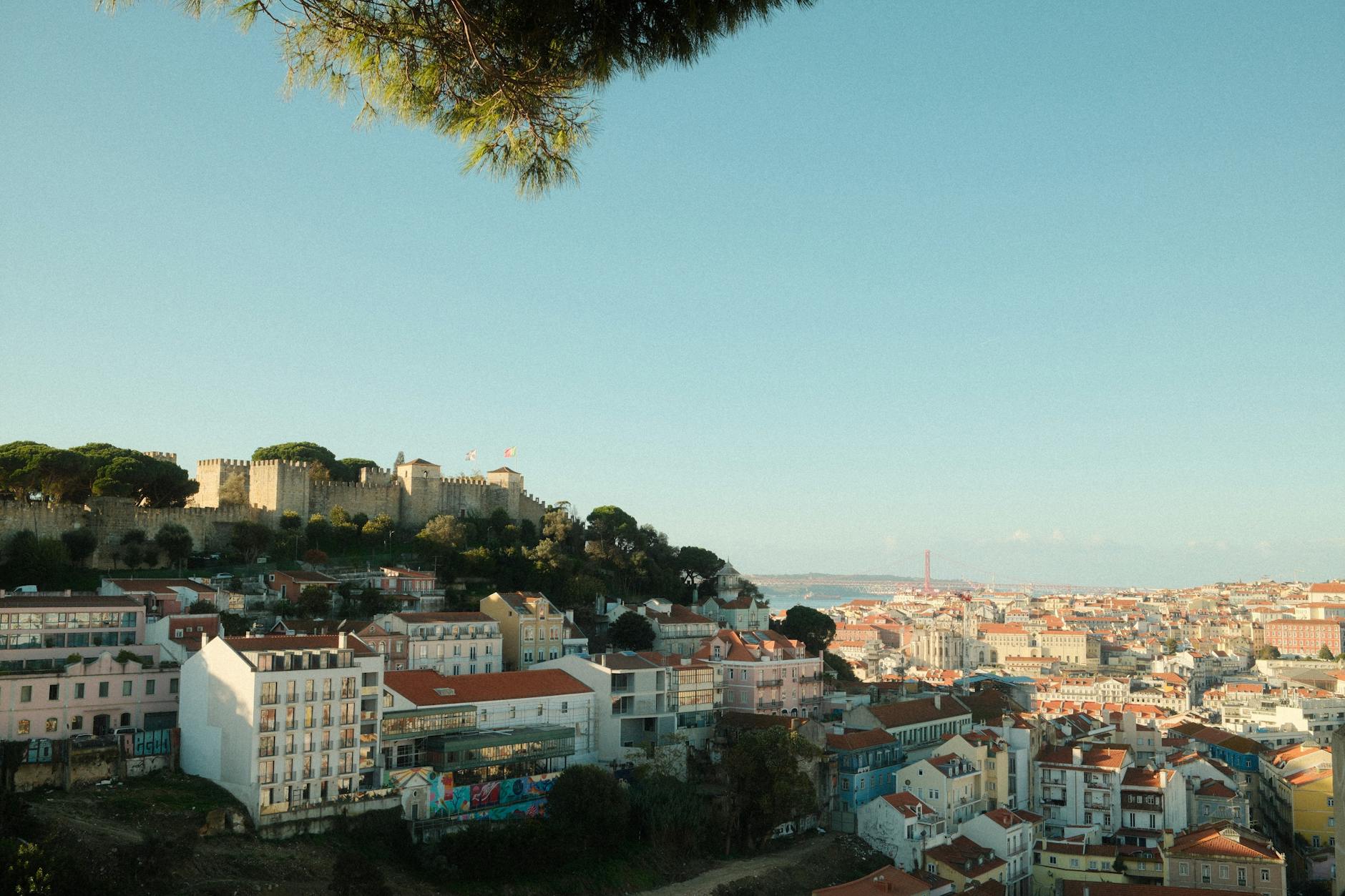
Portugal looks easy on a map. It is not a huge country. Lisbon and Porto are connected by train. The Algarve sits neatly along the south coast. The Douro Valley appears close to Porto. Sintra looks like a simple Lisbon day trip. Madeira and the Azores are “part of Portugal,” so many travelers casually add them as if they were nearby mainland regions.
Start Here
That map is useful, but it also creates the most common bad Portugal trips.
Portugal is compact, but it is not one simple itinerary. The country works through distinct travel systems: the Lisbon region, the Porto-and-Douro north, the historic center of Portugal, the Alentejo interior, the Algarve coast, the Madeira archipelago, and the Azores. Each has its own pacing, weather, transport logic, food culture, lodging style, and best season. The right Portugal trip is not about seeing every famous place. It is about choosing the right Portugal.
There is the Lisbon Portugal of tiles, viewpoints, trams, fado, pasteis de nata, river light, and neighborhoods layered over hills. There is the Porto Portugal of granite streets, port lodges, riverbanks, market halls, and a northern mood that feels older, wetter, and more compact. There is wine Portugal in the Douro, where terraced vineyards climb steep slopes and river travel slows everything down. There is monastery-and-university Portugal in Coimbra, Tomar, Batalha, Alcobaça, and the central interior. There is Alentejo Portugal, broad and slow, full of whitewashed towns, cork oaks, Roman remnants, powerful wines, and a summer heat that makes midday planning matter. There is beach Portugal in the Algarve, but also surf Portugal on the west coast, walking Portugal in Madeira, volcanic-island Portugal in the Azores, and design-and-food Portugal in the cities.
A great Portugal guide has to help readers resist the checklist. The move is not “Lisbon, Porto, Sintra, Douro, Algarve, Madeira, and the Azores in ten days.” The move is to build a coherent route: mainland cities and culture; north and wine; Lisbon plus Alentejo; Algarve beaches and cliffs; Madeira hiking; Azores nature; or a slower trip that earns its variety.
Portugal in one sentence: Portugal is a small Atlantic country with oversized regional variety, where the best trip comes from matching your route to the country’s hills, coastlines, rail spine, island distances, food rhythms, summer heat, and deep local identities.
Quick Verdict
| Question | Answer |
|---|---|
| Best for | Walkable cities, food, wine, historic towns, Atlantic beaches, design, tiles, fado, monasteries, surf, scenic rail, road trips, island hiking, volcanic landscapes, affordable luxuries, and travelers who like atmosphere more than monument-counting. |
| Not ideal for | Travelers who want a single all-inclusive beach-resort country, guaranteed hot beach weather year-round, frictionless driving in old cities, or a trip where every famous region fits naturally into one week. |
| Ideal first trip length | 8–10 days for Lisbon + Porto + one region. Two weeks is much better if adding the Douro, Alentejo, the Algarve, or several central towns. Madeira or the Azores deserve separate trips or a carefully planned extension. |
| Best first-timer route | Lisbon 3–4 nights, Porto 2–3 nights, then choose one: Sintra/Cascais, Douro Valley, Coimbra/Tomar/monasteries, Évora/Alentejo, or Algarve. Do not add both Madeira and the Azores to a short mainland trip. |
| Best months overall | April, May, June, September, and October for most mainland trips. July and August work for beach trips but bring heat, crowds, and higher prices. Madeira is strong much of the year. The Azores are green and changeable, with the best outdoor odds often late spring through early autumn. |
| Best first-timer bases | Lisbon for urban culture and day trips; Porto for northern character and Douro access; Évora for Alentejo; Lagos, Tavira, or Faro/Olhão for different Algarve styles; Funchal for Madeira; Ponta Delgada or a split São Miguel stay for the Azores. |
| Biggest planning mistake | Treating Portugal’s map as proof that everything is close enough. It is small, but old centers, hills, train gaps, electronic tolls, island flights, summer heat, and slow regional roads change the real trip. |
| One thing to book early | Lisbon/Porto hotels in peak season, Sintra palace tickets and timed planning, Douro lodging or river/wine experiences, Algarve summer hotels, Madeira popular hiking routes under current reservation rules, and Azores rental cars in high season. |
| One thing to leave unscheduled | Wandering Lisbon or Porto after dinner, stopping for coffee and pastries, slow lunches, viewpoint time, market browsing, beach weather adjustments, and unplanned village stops on a road trip. |
| Best low-cost pleasures | Viewpoints, tiles, miradouros, riverside walks, markets, ferry rides, bakeries, small-town squares, coastal paths, church interiors, tiled train stations, sunset by the Tagus or Douro, and long neighborhood walks. |
| Most important warning | In cities, watch petty theft in crowded tourist areas and on transport. In rural and coastal Portugal, take weather, wildfire, ocean, cliff, and driving risks seriously. Portugal is generally safe, but not risk-free. |
The Move
For a first Portugal trip, choose one north-south spine plus one mood. The easiest version is Lisbon + Porto + either the Douro, Sintra/Cascais, Coimbra/Tomar/monasteries, Évora/Alentejo, or the Algarve. Madeira and the Azores are not “quick add-ons.” They are island trips with their own weather, car, hiking, and flight logic.
Who Will Love Portugal?
You will probably love Portugal if you want:
- Cities that feel lived-in, atmospheric, and walkable, even when they are steep.
- Food that is simple in appearance but deeply regional: seafood, cod, pork, soups, rice dishes, pastries, grilled fish, olive oil, cheese, wine, port, vinho verde, Madeira wine, and Azorean dairy.
- A country where days can move from a monastery to a market lunch to an Atlantic sunset without requiring a huge travel budget.
- A strong mix of urban life and slower regional travel.
- Coastlines that are dramatic rather than uniformly resort-like.
- A destination that works by train for the main Lisbon–Coimbra–Porto corridor, but becomes richer with selective car use.
- Wine travel, especially in the Douro, Alentejo, Vinho Verde country, Dão, Bairrada, Lisbon region, Madeira, and the Azores.
- Island landscapes that do not feel interchangeable: Madeira is vertical and subtropical; the Azores are volcanic, green, and weather-driven.
You may struggle with Portugal if you want:
- Perfect beach weather in every region at every season.
- Flat, easy urban walking. Lisbon, Porto, Sintra, Coimbra, Madeira, and many old towns involve hills, stairs, cobblestones, and slippery paving.
- A car-free trip outside the main rail and city routes. It is possible, but not always efficient.
- Every restaurant open at North American dinner times, every attraction open daily, or every small town lively year-round.
- A quiet experience in Lisbon, Sintra, Porto, Lagos, or famous Algarve beaches during peak months.
- A trip where Madeira, the Azores, Lisbon, Porto, and the Algarve can all be “sampled” well in under two weeks.
Portugal is generous, but it rewards restraint. The traveler who spends four nights in Lisbon, three in Porto, and three in one carefully chosen region will usually have a better first trip than the traveler who turns ten days into a blur of trains, rental cars, airport transfers, and rushed photos.
Portugal at a Glance
| Practical | Detail |
|---|---|
| Official country name | Portuguese Republic. Portugal includes mainland Portugal plus the autonomous regions of the Azores and Madeira. |
| Tourism regions | Visit Portugal organizes the country around Porto and the North, Centro de Portugal, Lisboa Region, Alentejo, Algarve, Azores, and Madeira.[1] |
| Capital | Lisbon. |
| Major visitor cities | Lisbon, Porto, Coimbra, Braga, Guimarães, Évora, Faro, Lagos, Tavira, Funchal, Ponta Delgada, Angra do Heroísmo. |
| Language | Portuguese. English is widely spoken in major visitor areas, hotels, restaurants, and tourism businesses, but less guaranteed in rural towns. |
| Currency | Euro. Cards are widely accepted, but carry some cash for small cafés, markets, toll issues, older restaurants, rural areas, and small-town parking. |
| Time zones | Mainland Portugal and Madeira use Western European Time/Western European Summer Time. The Azores are one hour behind mainland Portugal. |
| Entry framework | Portugal is part of the Schengen Area. Many non-EU travelers follow short-stay Schengen rules, generally up to 90 days in any 180-day period depending nationality and visa status.[2] |
| Border systems | The EU Entry/Exit System began progressive operations in October 2025 and became fully operational in April 2026. ETIAS is scheduled to start in the last quarter of 2026 for visa-exempt travelers to participating European countries.[3][4] |
| Emergency number | 112 for medical, police, and fire emergencies.[5] |
| Main airports | Lisbon (LIS), Porto (OPO), Faro (FAO), Funchal/Madeira (FNC), Ponta Delgada/São Miguel (PDL), plus other Azores island airports. |
| Main rail company | CP - Comboios de Portugal, the national rail operator for many long-distance and regional trains.[6] |
| Best public transport cities | Lisbon and Porto. Both have metro systems, suburban rail, buses, trams, and river crossings. |
| Driving side | Right side of the road. Manual cars are common; reserve automatic cars early. |
| Road tolls | Portugal has traditional and electronic toll systems. Foreign-registered vehicles need an activated payment method on electronic-toll roads.[7][8] |
| Tap water | Generally safe to drink on the mainland and islands. Bottled water is common but not necessary in most situations. |
| General safety | Portugal is generally safe for visitors, with petty theft and rental-car break-ins the main everyday concerns in tourist areas.[9] |
| Main natural risks | Summer heat, wildfires, Atlantic surf and currents, cliff edges, mountain weather in Madeira/Azores, fog in the islands, and slippery cobblestones in cities. |
First-Timer Mistake
The most common Portugal mistake is building the trip from a list of famous places rather than from a route. Lisbon, Sintra, Porto, Douro, Coimbra, Évora, Algarve, Madeira, and the Azores are all worthwhile. That does not mean they belong in one trip.
2026 Visitor Notes
Schengen Entry Now Means EES, and ETIAS Is Coming
Portugal is part of the Schengen Area. For many non-EU travelers, that means short stays are governed by the familiar Schengen limit of up to 90 days in any 180-day period, but passport-specific visa requirements still matter.[2]
The practical border experience has changed. The EU Entry/Exit System began a progressive rollout on October 12, 2025, and European Commission material says it became fully operational on April 10, 2026.[3] Travelers who previously expected passport stamps should now expect digital entry/exit registration at external Schengen borders. ETIAS, the future travel authorization for visa-exempt travelers to 30 European countries, is scheduled to start operations in the last quarter of 2026; no action is required before the system goes live.[4]
The move: Do not copy an old Portugal entry paragraph into a guide. Check passport nationality, visa status, Schengen day count, EES procedures, and ETIAS status close to travel.
Portugal Is Safe, But Petty Theft Is Real
The U.S. Department of State currently rates Portugal as Level 1, “Exercise normal precautions,” and describes Portugal as generally safe while flagging petty theft, especially in crowded tourist areas and on public transportation.[9]
The move: Avoid scare language, but do not pretend Lisbon tram routes, train stations, viewpoints, beaches, and busy restaurants are immune from theft. Keep passport, phone, wallet, and rental-car belongings protected.
Wildfire Season Belongs in the Guide
Hot, dry conditions can create serious wildfire risk in Portugal, especially in summer and early autumn. Canadian and UK travel guidance both warn that wildfires can disrupt travel and that authorities may close roads or evacuate areas.[10][11]
The move: Summer rural travel should include checking IPMA weather warnings, civil-protection alerts, local news, and road conditions. This matters for inland Portugal, Alentejo, central and northern countryside, hiking areas, and road trips.
Madeira Hiking Rules Need Live Verification
Madeira is one of Europe’s great walking destinations, but access rules have changed. Madeira’s official tourism site states that, from January 1, 2026, classified trails in the Autonomous Region of Madeira follow new access rules, including a general-public fee listed at €4.50.[12]
The move: A Madeira section must be treated like a live logistics section, not a generic “go hiking” suggestion. Check trail closures, weather, reservation requirements, fees, vertigo exposure, and whether the route is a levada walk or mountain ridge trail.
The Azores Are a Separate Nature Trip, Not a Mainland Add-On
The Azores are nine islands in the Atlantic, described by Visit Portugal as nature-focused and one of the world’s largest whale sanctuaries.[13] Visit Azores also emphasizes the archipelago’s nine-island structure and sustainability positioning.[14]
The move: Do not add “the Azores” as a two-night afterthought. São Miguel alone can fill five days. Multi-island trips require flight/ferry planning, rental cars, weather buffers, and realistic expectations.
Portugal’s Transport Is Good, But Uneven
CP is the national rail operator for many train routes, and the Lisbon–Coimbra–Porto rail spine is practical.[6] But the country is not uniformly rail-friendly. Alentejo villages, surf beaches, many Algarve coves, northern parks, Douro wineries, Madeira, and the Azores often require a car, driver, tour, taxi, or careful bus planning.
The move: Use trains between Lisbon, Coimbra, Porto, Braga, Aveiro, and Faro where routes fit. Rent a car only when it improves the trip: Alentejo, hidden beaches, small villages, Douro winery hopping, Peneda-Gerês, parts of the Algarve, Madeira, or the Azores.
How to Understand Portugal
Portugal is geographically modest but culturally and logistically layered. The mainland runs north to south along the Atlantic edge of Iberia, with Spain forming the land border. The islands sit far out in the Atlantic: Madeira off northwest Africa, the Azores much farther west in mid-ocean. This creates a country that is easy to enter, easy to love, and easy to misunderstand.
The Seven Portugal Travel Systems
| Travel system | Core places | What it gives you | Main planning issue |
|---|---|---|---|
| Lisbon and the Tagus | Lisbon, Belém, Sintra, Cascais, Setúbal, Arrábida | Capital energy, viewpoints, tiles, fado, pastries, palaces, coast, day trips | Crowds, hills, transport to Sintra, high hotel demand |
| Porto and the North | Porto, Braga, Guimarães, Viana do Castelo, Peneda-Gerês, Vinho Verde country | Granite cities, port wine, northern food, religious heritage, green landscapes | Rain, hills, regional trains/buses, car usefulness outside cities |
| Douro and wine country | Peso da Régua, Pinhão, quintas, river roads | Terraced vineyards, port, river cruises, scenic rail | Winding roads, limited public transport beyond river towns, lodging demand |
| Central Portugal | Coimbra, Tomar, Batalha, Alcobaça, Nazaré, Óbidos, Aveiro, Serra da Estrela | Monasteries, university culture, surf, old towns, inland mountains | Best as a paced route, not just random day trips |
| Alentejo | Évora, Monsaraz, Marvão, Elvas, Vila Viçosa, Comporta, Alqueva | White towns, wine, cork, Roman and Moorish layers, slow travel | Summer heat, car dependency, rural pacing |
| Algarve | Faro, Lagos, Tavira, Olhão, Sagres, Albufeira, Silves, Carvoeiro | Beaches, cliffs, caves, resorts, old towns, seafood | Summer crowds, car/boat logistics, overbuilt resort zones |
| Atlantic islands | Madeira, Porto Santo, São Miguel, Pico, Terceira, Faial, Flores, other Azores islands | Hiking, volcanic landscapes, ocean, whales, subtropical/Atlantic nature | Weather, flights, rental cars, trail access, inter-island logistics |
Local Logic
Portugal’s travel logic is shaped by three forces: the Atlantic, hills, and history.
The Atlantic gives the country its light, weather, seafood, maritime identity, surf, fog, wind, and island worlds. The ocean also keeps many Portuguese beaches cooler and rougher than travelers expect. A beach can be spectacular and still not be a lazy swimming beach.
The hills make Lisbon, Porto, Coimbra, Sintra, Madeira, and many old towns beautiful but physically demanding. Cobblestones are not a design feature to admire from a taxi. They shape footwear, accessibility, luggage strategy, and daily energy.
History gives Portugal a huge number of small but meaningful stops. The danger is that travelers try to collect all of them. A monastery in Batalha, a university in Coimbra, a castle in Tomar, a walled town in Óbidos, a Roman temple in Évora, a palace in Sintra, a port cellar in Gaia, and a cliff walk in Lagos all deserve time. They do not all belong on the same day.
Portugal’s Central Contrasts
Portugal is interesting because its contradictions are visible:
- Atlantic melancholy vs Mediterranean ease: fado, river light, and weathered facades sit beside beach life, wine terraces, and outdoor dining.
- Old empire vs small-country intimacy: Lisbon’s Age of Discoveries monuments coexist with quiet neighborhoods and everyday cafés.
- Urban tourism pressure vs local life: Lisbon and Porto are heavily visited, but ordinary life still runs on bakeries, markets, schools, football, pharmacies, and family routines.
- Compact map vs slow terrain: distances are short until old roads, hills, parking, ferries, or island weather enter the plan.
- Design-forward modernity vs deep tradition: Portugal can feel stylish and contemporary, yet old food habits, religious festivals, tilework, cork, ceramics, and regional pride remain strong.
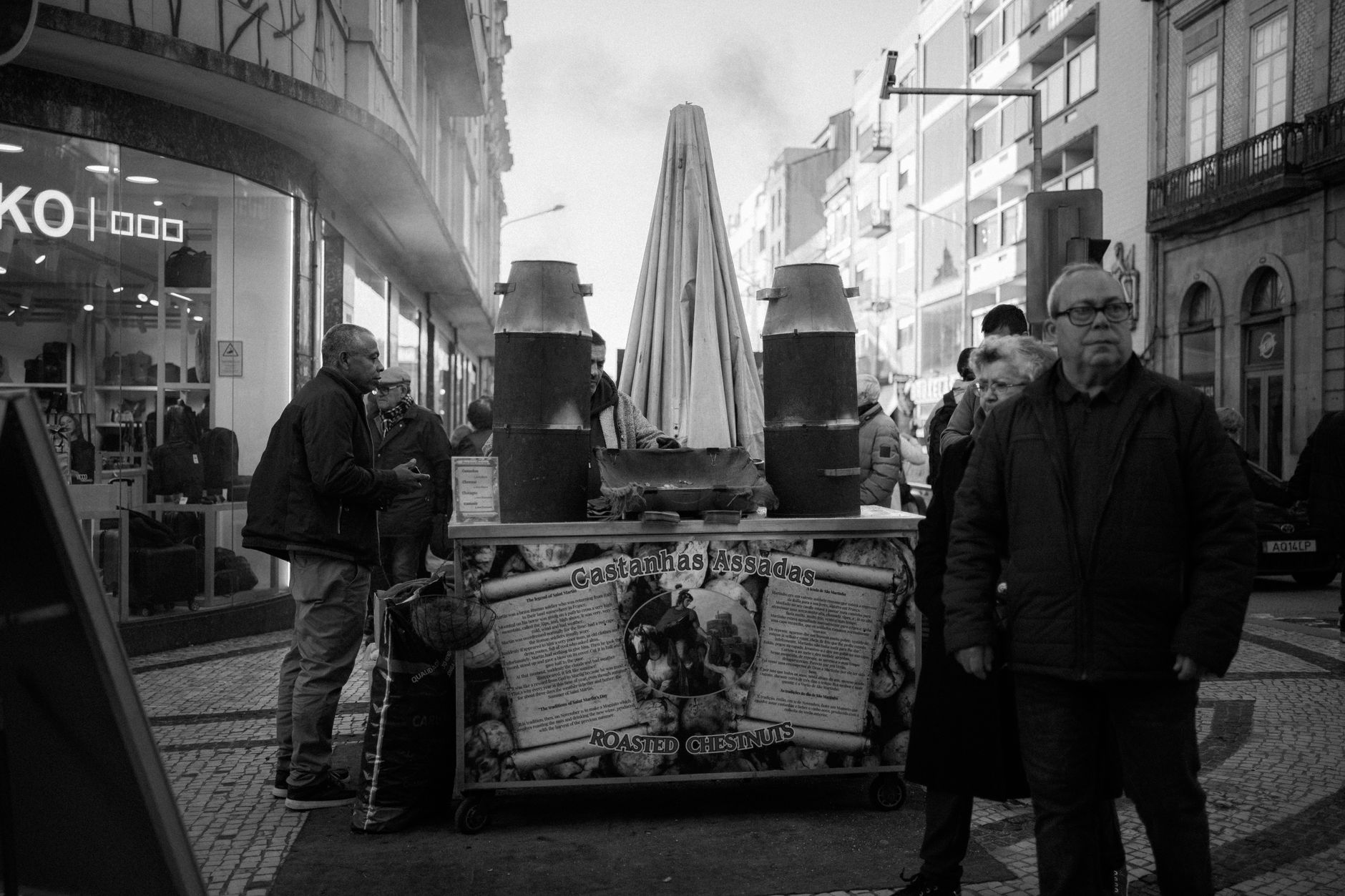
Choose Your Portugal Trip
A strong Portugal guide should help readers choose before it helps them book. These are the most useful trip families.
Classic First Portugal Trip
Best for: first-timers, city lovers, food, wine, history, moderate logistics.
Route: Lisbon + Porto + one extra region.
Good versions:
- Lisbon + Porto + Sintra/Cascais.
- Lisbon + Porto + Douro Valley.
- Lisbon + Porto + Coimbra/Tomar/monasteries.
- Lisbon + Porto + Évora/Alentejo.
- Lisbon + Porto + Algarve if you have enough time.
Ideal length: 8–12 days.
Avoid: Adding Madeira or the Azores unless you have two weeks and strong reasons.
Lisbon and Central Portugal
Best for: history, palaces, monasteries, old towns, travelers who dislike constant hotel changes.
Route: Lisbon, Belém, Sintra, Cascais, Évora or Setúbal, then Tomar, Batalha, Alcobaça, Nazaré, Óbidos, Coimbra.
Ideal length: 7–10 days.
Transport: Train/bus for some routes; car improves flexibility for monasteries, coastal towns, and inland stops.
Porto, Douro, and the North
Best for: wine, food, river landscapes, northern culture, compact city stays, cooler weather.
Route: Porto, Vila Nova de Gaia, Braga, Guimarães, Douro Valley, maybe Viana do Castelo or Peneda-Gerês.
Ideal length: 6–10 days.
Transport: Porto is car-free. Douro can be train, boat, private driver, or car. Peneda-Gerês usually needs car logistics.
Lisbon, Alentejo, and the Algarve
Best for: slow roads, white towns, wine, food, beaches, couples, road trippers.
Route: Lisbon, Évora, Monsaraz or Marvão, Vila Viçosa or Elvas, then Algarve coast.
Ideal length: 9–14 days.
Transport: Car recommended outside Lisbon.
Algarve Beach and Coast Trip
Best for: beaches, families, cliffs, resorts, seafood, winter sun breaks.
Route: Faro/Olhão/Tavira for eastern Algarve; Lagos/Sagres for western Algarve; Carvoeiro/Benagil/Albufeira for central cliffs and resort access.
Ideal length: 5–8 days as a beach region; 10+ days if combined with Lisbon/Alentejo.
Warning: The Algarve is not one mood. Tavira is not Albufeira. Lagos is not Faro. Sagres is not Vilamoura.
Madeira Nature Trip
Best for: hiking, mountains, levadas, gardens, ocean views, year-round mild climate, active couples, photographers.
Route: Funchal base plus east, west, north coast, Pico do Areeiro/Pico Ruivo conditions permitting, levadas, gardens, maybe Porto Santo.
Ideal length: 5–8 days.
Transport: Car, tours, taxis, or guided hikes. Book popular routes under current rules.
Azores Nature Trip
Best for: volcanoes, hot springs, whale watching, green landscapes, slower nature travel.
Route: São Miguel first; add Pico, Faial, Terceira, São Jorge, or Flores only with enough time.
Ideal length: 5–7 days for São Miguel; 10–14+ days for multi-island.
Warning: Weather changes fast. Build buffers. A car is highly useful on most islands.
Portugal Food and Wine Trip
Best for: culinary travelers.
Route: Lisbon + Porto + Douro + Alentejo, or Lisbon + Setúbal + Alentejo + Algarve, or Madeira wine, or Azorean dairy/seafood.
Ideal length: 10–14 days.
The move: Do not turn every day into a wine tasting. Leave room for markets, bakeries, tascas, seafood, and simple lunches.
No-Car Portugal
Best for: rail travelers, urban travelers, lower-stress trips.
Route: Lisbon, Sintra, Cascais, Coimbra, Aveiro, Porto, Braga, Guimarães, Faro/Tavira, maybe Évora.
Ideal length: 8–14 days.
Limitations: Harder for Alentejo villages, isolated beaches, deep Douro wineries, Peneda-Gerês, and island nature.
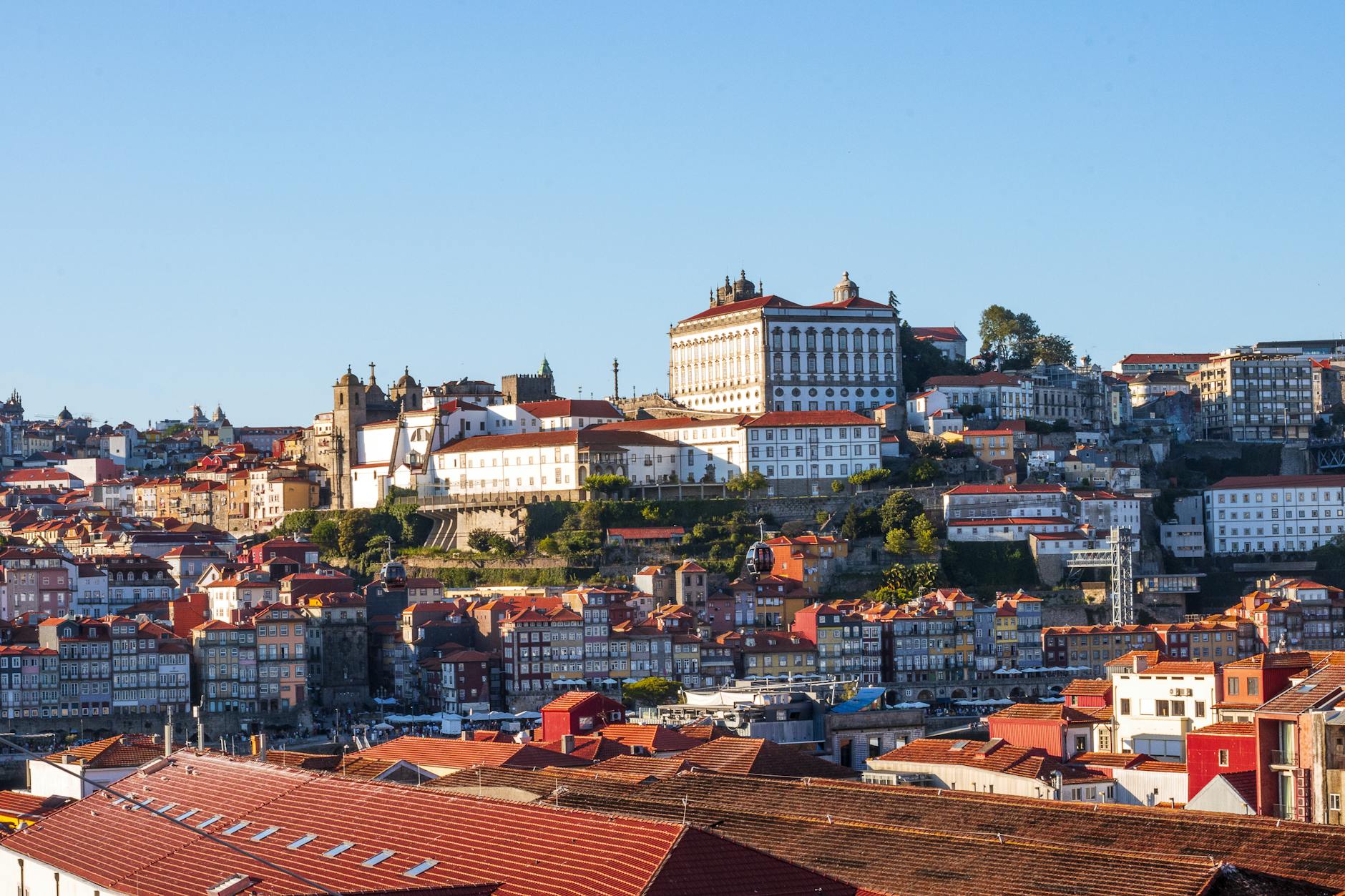
Best Time to Visit Portugal
Portugal is not a single-season country. Mainland Portugal, the Algarve, Madeira, and the Azores operate differently. The best month depends on whether you want cities, beaches, hiking, wine, festivals, islands, or low prices.
Best Overall Months
April, May, June, September, and October are the easiest recommendations for most mainland trips. They balance weather, daylight, prices, crowds, and walking comfort.
July and August are good for beach-focused trips if you accept heat, crowds, higher prices, and wildfire risk. They are less ideal for heavy Lisbon/Porto/Alentejo sightseeing.
November through March can be excellent for city breaks, food, museums, lower prices, winter sun in the Algarve, and Madeira. Expect rain, especially in the north and on the islands.
Season-by-Season
| Season | What to expect | Best for | Watch out for |
|---|---|---|---|
| Spring: March–May | Greener landscapes, flowers, mild days, some rain, rising demand. | Lisbon, Porto, Alentejo, central towns, walking, wine, Madeira, Azores spring nature. | Easter crowds, variable weather, cold ocean water. |
| Early summer: June | Long days, warmer weather, pre-peak energy. | City + coast combinations, festivals, Douro, Algarve before peak. | Heat begins inland; book popular areas. |
| Peak summer: July–August | Hot inland, busy coast, high prices, lively beaches, wildfire risk. | Algarve, surf coast, island trips, summer nightlife. | Alentejo heat, Lisbon hills, crowds, road/fire disruptions. |
| Autumn: September–October | Warm seas, harvest season, lower crowds after August, strong walking weather. | Wine, Douro, Alentejo, cities, Algarve, Madeira, Azores. | Storms possible; harvest-season lodging demand in wine regions. |
| Winter: November–February | Mild by northern European standards, wetter, quieter, shorter days. | Lisbon/Porto city breaks, museums, food, Algarve winter stays, Madeira hiking with weather checks. | Rain, rough seas, some seasonal closures, cooler rooms in older buildings. |
Region-Specific Timing
| Region | Best timing | Notes |
|---|---|---|
| Lisbon | March–June, September–November | Summer can be hot and crowded; winter can be excellent for culture. |
| Porto and the North | May–June, September–October | More rain than the south; winter is atmospheric but wet. |
| Douro Valley | May–June and September–October | Harvest season is special but busy; summer can be very hot. |
| Central Portugal | April–June, September–October | Good for monasteries, Coimbra, villages, and coast. |
| Alentejo | March–May, September–October | July/August can be brutally hot inland. |
| Algarve | May–June, September–October for balance; July/August for peak beach energy | Winter works for sun and walking but not guaranteed swimming. |
| Madeira | Strong much of the year | Hiking depends on trail closures, wind, rain, and mountain conditions. |
| Azores | May–October for best outdoor odds | Weather remains changeable; multi-island travel needs buffers. |
Month-by-Month Verdict
| Month | Verdict |
|---|---|
| January | Quiet and good-value for Lisbon, Porto, and Algarve winter stays. Expect rain and short days. Madeira can be appealing. |
| February | Similar to January, with Carnival timing relevant in some places. Good for low-crowd city travel. |
| March | Spring begins. Good for cities and Alentejo, but weather is still variable. |
| April | One of the best months overall: flowers, mild weather, manageable heat. Easter can increase demand. |
| May | Excellent. Strong for cities, countryside, Douro, Alentejo, central Portugal, Madeira, and Azores. |
| June | Excellent but getting busier and warmer. Good for beach-city combinations. |
| July | Peak summer. Good for beaches and festivals; less ideal for inland sightseeing. Book ahead. |
| August | Busy and expensive in beach areas; many Portuguese also vacation. Inland heat can be intense. |
| September | One of the best months. Warm water, wine harvest energy, fewer crowds after peak. |
| October | Excellent for culture, wine, walking, and city trips. Rain risk rises later in the month. |
| November | Quiet, atmospheric, and good value, especially for cities. Expect rain and shorter days. |
| December | Good for city breaks, Christmas lights, food, and Madeira; less ideal for beach expectations. |
Rain Plan
Portugal is strong in rain if you are in the right place. In Lisbon and Porto, pivot to tile museums, food halls, markets, bookstores, churches, wine cellars, fado, cafés, and tram/metro-linked neighborhoods. In the Algarve, choose old towns, seafood lunches, ceramic shops, spas, or scenic drives. In Madeira and the Azores, never force a mountain viewpoint or exposed hike when weather says no.
How Many Days You Need
The Honest Answer
For most first-time visitors, 8–10 days is the minimum for a satisfying Portugal trip that includes Lisbon, Porto, and one other region. Two weeks lets the country breathe. Three weeks allows islands or deeper regional pacing.
| Length | What it can do well | What to avoid |
|---|---|---|
| 3–4 days | Lisbon or Porto city break, with one day trip. | Trying to see both Lisbon and Porto plus Sintra. |
| 5–6 days | Lisbon + Porto, or Lisbon + Algarve, or Madeira, or São Miguel. | Adding Douro, Sintra, and several towns unless you like rushing. |
| 7–8 days | Lisbon + Porto + Sintra or Douro; Lisbon + Alentejo; Algarve + Lisbon. | Madeira or Azores unless it is the main trip. |
| 9–10 days | Classic first trip: Lisbon, Porto, and one strong region. | Both Algarve and Douro unless paced carefully. |
| 12–14 days | Lisbon, Porto, Douro, central Portugal, and either Alentejo or Algarve. | Adding both Madeira and Azores. |
| 3 weeks | A deep mainland trip or mainland + one island region. | Treating each island as a quick checkbox. |
| 1 month+ | Slow travel, wine routes, beaches, hiking, islands, remote work. | Overstaying one base if you actually want regional variety. |
Minimum Worthwhile Stays by Area
| Area | Minimum | Better |
|---|---|---|
| Lisbon | 3 nights | 4–5 nights |
| Porto | 2 nights | 3–4 nights |
| Sintra | Day trip | 1 night if you want atmosphere after day-trippers leave |
| Douro Valley | Day trip | 2 nights |
| Coimbra | Half-day stop | 1 night |
| Central monasteries route | 1 rushed day | 2–3 days |
| Évora/Alentejo | Day trip | 2–4 nights |
| Algarve | 3 nights | 5–7 nights |
| Madeira | 4 nights | 6–8 nights |
| São Miguel, Azores | 4 nights | 5–7 nights |
| Multi-island Azores | 7 nights | 10–14+ nights |
Itinerary Philosophy
A good Portugal day usually needs one anchor, one slow meal, and one flexible window. The country punishes days that are all transfers and photo stops. It rewards days that let a neighborhood, valley, beach, village, or wine region settle in.
The move: In Portugal, do not schedule every lunch as “quick.” Lunch is often where the trip gets good.
Best Portugal Itineraries
These itineraries are models, not commandments. Adjust for season, hotel availability, car comfort, flight routes, and personal energy.
5 Days: Lisbon Focus
Best for: short first trip, city lovers, no car.
Day 1: Lisbon orientation Baixa, Chiado, Alfama or Mouraria, sunset viewpoint, simple dinner.
Day 2: Belém and western Lisbon Jerónimos Monastery, Belém riverside, MAAT or LX Factory if interested, evening in Bairro Alto or Príncipe Real.
Day 3: Sintra or Cascais Choose one primary Sintra palace plus town, or go to Cascais for a lower-stress coastal day.
Day 4: Lisbon neighborhoods Graça, Estrela, Campo de Ourique, tiles, food market, fado evening.
Day 5: Setúbal/Arrábida, Évora, or extra Lisbon Pick based on weather and interests.
Cut if tired: Sintra palace-hopping. Add if food-focused: A guided food walk early in the trip.
7 Days: Lisbon and Porto Classic
Best for: first-timers with one week.
Days 1–3: Lisbon Explore Lisbon properly, including Belém and one evening fado or food-focused night.
Day 4: Sintra or Coimbra transfer day Option A: Sintra day trip, sleep Lisbon. Option B: Train to Coimbra, sleep Coimbra.
Days 5–7: Porto Porto neighborhoods, Gaia port lodges, Douro riverfront, market lunch, and either Braga/Guimarães or a Douro day trip.
The move: If you only have seven days, one day trip from each city is enough.
10 Days: Best First Portugal Trip
Best for: balanced first-timers.
Days 1–4: Lisbon region Lisbon, Belém, Sintra or Cascais, one food/culture day.
Day 5: Coimbra or Tomar Train or drive north. Use Coimbra for university/history; Tomar for Templar/Convent of Christ depth.
Days 6–8: Porto Porto, Gaia, riverside, markets, churches, São Bento tiles, port tasting.
Days 9–10: Douro Valley or Braga/Guimarães Choose wine landscapes or northern heritage.
Why it works: It does not overreach. It gives Lisbon and Porto enough time, with one region that changes the mood.
12 Days: Lisbon, Porto, Douro, and Alentejo
Best for: food, wine, culture, slower travelers.
Days 1–4: Lisbon Lisbon with Belém and Sintra/Cascais.
Days 5–6: Évora and Alentejo Évora base, wine, Roman temple, Chapel of Bones, villages if driving.
Day 7: Coimbra or Tomar Break the northbound trip with history.
Days 8–10: Porto Porto and Gaia.
Days 11–12: Douro Valley Stay in or near Pinhão, Peso da Régua, or a quinta.
The move: This is a great food-and-wine trip without requiring the Algarve.
14 Days: Mainland Grand Route
Best for: first deep mainland Portugal trip.
Days 1–4: Lisbon and Sintra Base in Lisbon. Do Sintra carefully, not as palace collecting.
Days 5–6: Alentejo Évora plus Monsaraz, Estremoz, Vila Viçosa, or Marvão if driving.
Days 7–9: Algarve Choose western cliffs, eastern towns, or central resort convenience. Do not move every night.
Day 10: Central Portugal Coimbra, Tomar, Batalha/Alcobaça, or Nazaré depending route.
Days 11–13: Porto Porto and Gaia, with a day to Braga or Guimarães.
Day 14: Douro day or departure Use a scenic Douro day if flights allow, or leave it for a future trip.
Warning: This works best with a car for Alentejo/Algarve/central sections and train for Lisbon–Porto if you do not want to drive into cities.
7 Days: Madeira
Best for: active travelers, hiking, ocean views.
Day 1: Funchal Market, old town, cable car/gardens, easy dinner.
Day 2: East Madeira Ponta de São Lourenço if conditions and booking allow, Machico, Santana area.
Day 3: Mountains Pico do Areeiro/Pico Ruivo region only if weather is safe; otherwise choose a lower levada or north-coast route.
Day 4: West Madeira Cabo Girão, Ribeira Brava, Ponta do Sol, Porto Moniz, Seixal.
Day 5: Levada day Choose a route based on fitness, vertigo tolerance, weather, and current trail status.
Day 6: Funchal, gardens, food, or boat trip Slow down.
Day 7: Buffer/departure Do not put your most important hike on the last possible day.
7 Days: São Miguel, Azores
Best for: volcanic nature, hot springs, viewpoints, slower island travel.
Day 1: Ponta Delgada orientation Settle in, rent car, waterfront walk, dinner.
Day 2: Sete Cidades Viewpoints, lakes, west-island loop. Go when weather permits.
Day 3: Furnas Hot springs, caldeiras, cozido, Terra Nostra or Poça da Dona Beija.
Day 4: Lagoa do Fogo / central island Weather-dependent viewpoint and hiking day.
Day 5: Nordeste Longer scenic drive, waterfalls, viewpoints, slower pace.
Day 6: Whale watching or coastal day Book with ethical operators and weather flexibility.
Day 7: Buffer Use for missed weather, tea plantations, beaches, or departure.
Portugal by Train: 10 Days, No Car
Best for: lower-stress travelers.
Days 1–4: Lisbon Lisbon, Belém, Sintra by train, Cascais if desired.
Day 5: Coimbra Train north, overnight.
Days 6–8: Porto Porto, Gaia, day trip to Braga or Guimarães by train.
Day 9: Douro by train Scenic rail to Peso da Régua or Pinhão, return to Porto or overnight.
Day 10: Departure Fly from Porto or train back to Lisbon if needed.
Limitation: This route skips Alentejo villages and most beaches. That is a good trade if you want a calm no-car trip.
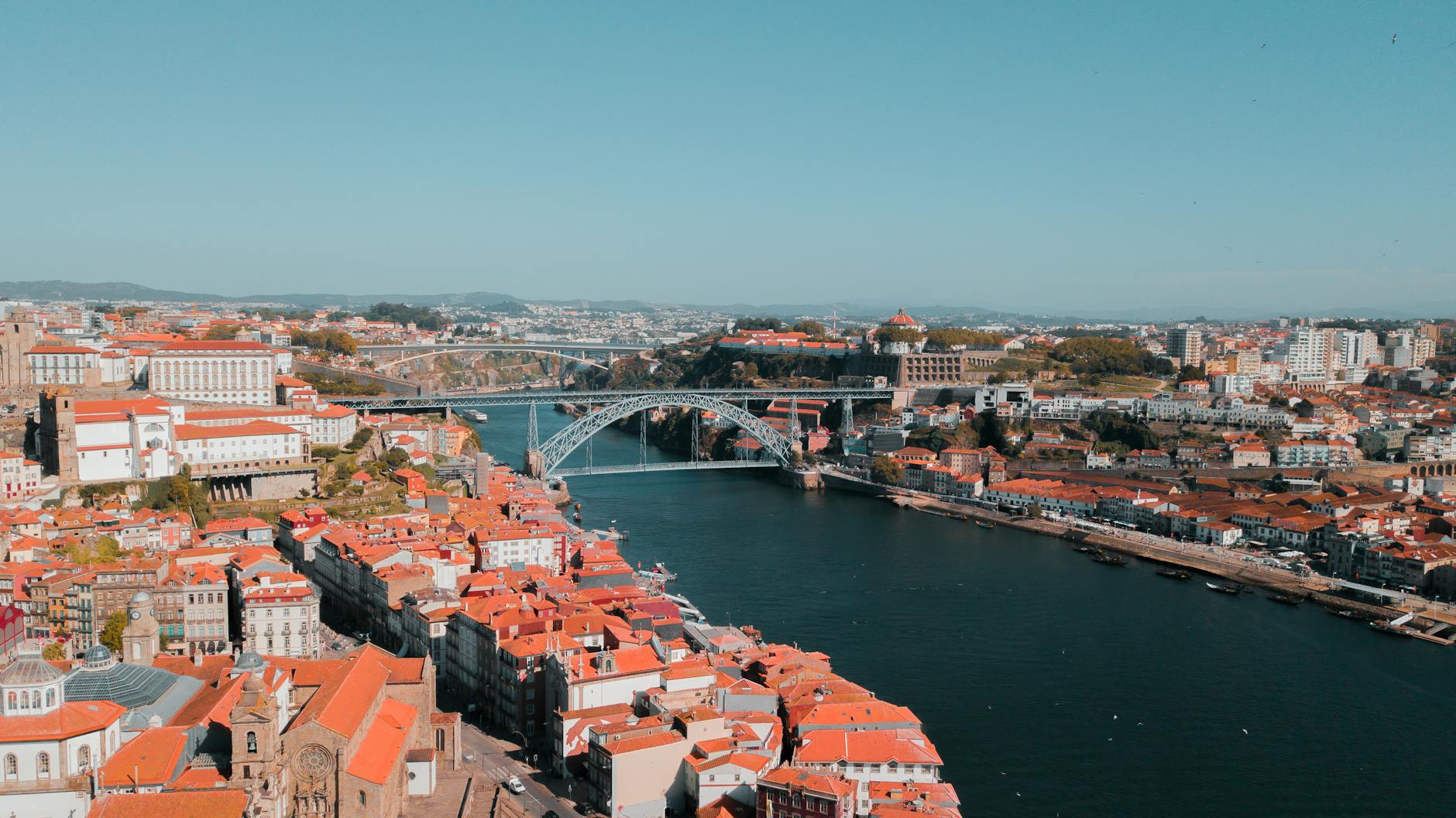
Where to Stay
Portugal lodging ranges from grand historic hotels to small guesthouses, design-forward boutique properties, pousadas, farm stays, wine estates, beach resorts, apartments, hostels, and island cottages. Location matters more than star count.
The Short Answer
- First time in Lisbon: Stay in Chiado, Baixa, Príncipe Real, Avenida/Marquês area, or a well-chosen Alfama/Graça/Estrela location depending your hill tolerance.
- First time in Porto: Stay in Ribeira/Baixa/Cedofeita/Bonfim or near São Bento/Trindade depending nightlife, quiet, and rail needs.
- For Douro: Stay overnight at a quinta or in Pinhão/Peso da Régua if wine and scenery matter.
- For Alentejo: Évora is the easiest base; Monsaraz, Marvão, Estremoz, or rural wine stays are better for slow travel.
- For Algarve: Lagos for western cliffs and energy; Tavira for eastern charm; Faro/Olhão for transport and local food; Sagres for surf/wind/edge-of-Europe atmosphere; Vilamoura/Quinta do Lago for resort comfort.
- For Madeira: Funchal is most practical; split with north/west Madeira if you want quiet and nature.
- For the Azores: Ponta Delgada is practical on São Miguel, but split east/west if staying a week and driving a lot.
Lodging Types
| Type | Best for | Watch out for |
|---|---|---|
| City hotels | Lisbon, Porto, Coimbra, Faro, Funchal | Hills, noise, parking, room size, elevator availability |
| Boutique guesthouses | Lisbon, Porto, Alentejo towns, islands | Stairs, limited reception, luggage access |
| Pousadas | Historic stays in castles, convents, palaces | Often expensive; sometimes outside ideal walking zones |
| Wine estates / quintas | Douro, Alentejo, Dão, Vinho Verde | Need car/driver or meal planning; remote evenings |
| Beach resorts | Algarve, Comporta, Madeira, Porto Santo | May isolate you from towns; summer prices spike |
| Apartments | Families, longer stays, kitchens | Legal/tourism-license issues, stairs, local housing pressure |
| Hostels | Budget and solo travelers | Lisbon/Porto have strong options; check noise and location |
| Rural tourism / farm stays | Alentejo, north, islands | Requires car, slower check-ins, fewer nearby restaurants |
Booking Mistakes to Avoid
- Booking Lisbon or Porto lodging without checking hills and stairs.
- Choosing Alfama or Ribeira for charm, then hating luggage logistics and noise.
- Booking a rural wine estate without planning dinner, taxis, or a sober driver.
- Assuming “Algarve” tells you the vibe. It does not.
- Staying too far outside Lisbon or Porto to save money, then paying in transit time.
- Booking an Azores trip late in summer and assuming rental cars will be easy.
- Booking Madeira hikes or lodging without understanding mountain weather and trail rules.
- Ignoring air conditioning in summer city stays.
- Ignoring heating/dampness in winter older buildings.
Regional Guide
Lisbon Region
Identity: A hilly Atlantic capital region of river light, tiles, viewpoints, maritime history, nightlife, palaces, beaches, and day-trip overload.
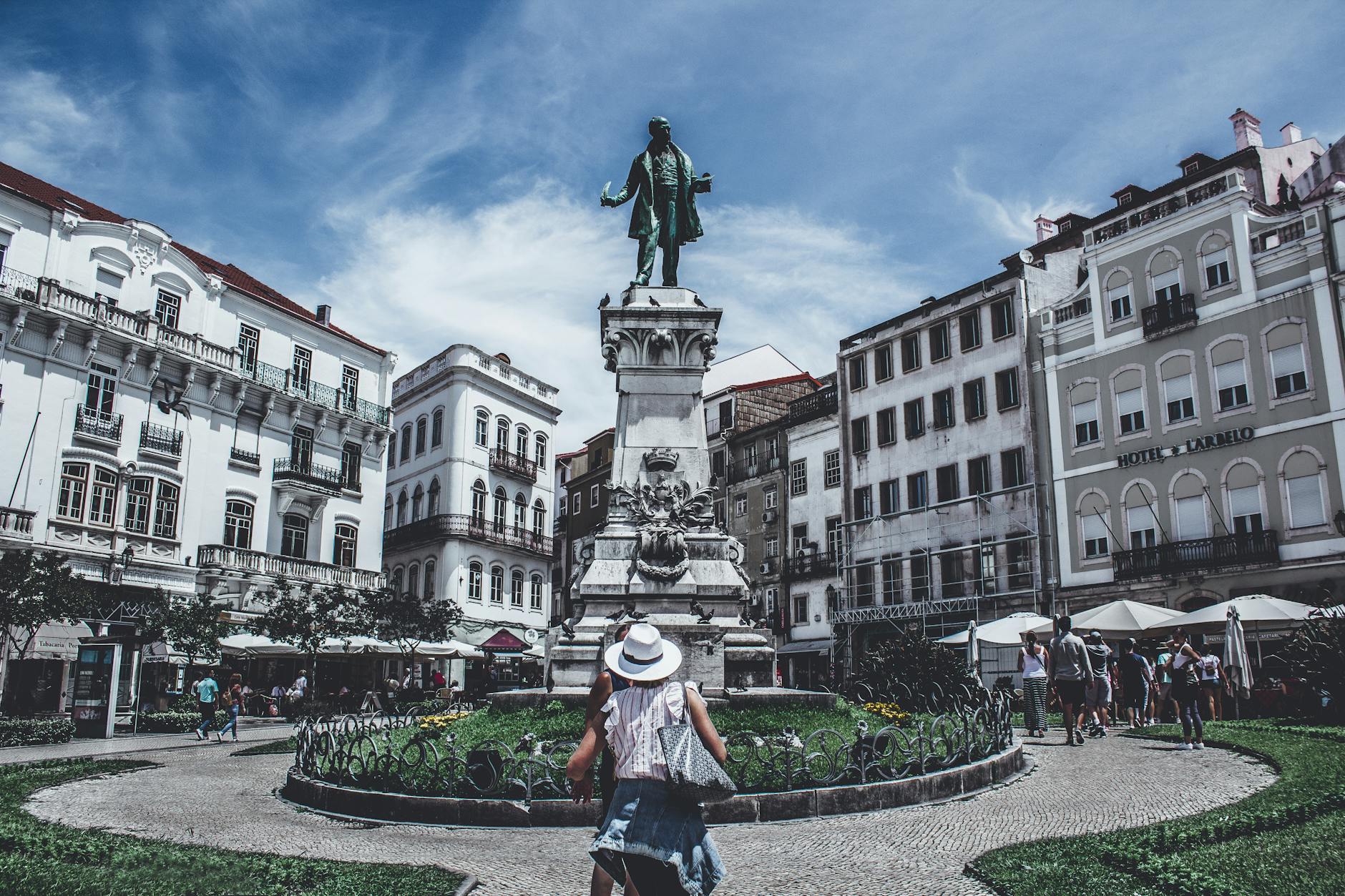
Lisbon is the emotional gateway to Portugal for many travelers. It is beautiful, but not effortless. The city is steep, sunlit, tiled, crowded in places, and much more than tram photos. The Tagus River opens the city physically; neighborhoods like Alfama, Mouraria, Graça, Chiado, Bairro Alto, Príncipe Real, Estrela, Campo de Ourique, and Belém each carry different rhythms.
Best for: first-timers, food, fado, tiles, architecture, nightlife, day trips, urban walking.
Top experiences: Alfama/Graça viewpoints, Belém, Jerónimos Monastery, tile museum, fado, market lunches, ferry across the Tagus, LX Factory if interested, Príncipe Real shopping, Estrela and Campo de Ourique, Lisbon’s miradouros.
Best day trips: Sintra, Cascais, Queluz, Setúbal/Arrábida, Évora, Óbidos if paced carefully.
Common mistake: Doing Sintra as a palace marathon. Choose one or two major stops, start early, and understand shuttle/taxi/walking logistics.
Perfect day: Morning in Alfama/Graça, lunch near Baixa or Chiado, afternoon in Belém or Estrela, sunset viewpoint, dinner in a neighborhood restaurant, fado or late walk.
Porto and the North
Identity: Granite, river, wine, rain, layered old streets, strong food, religious heritage, and a more compact city experience than Lisbon.
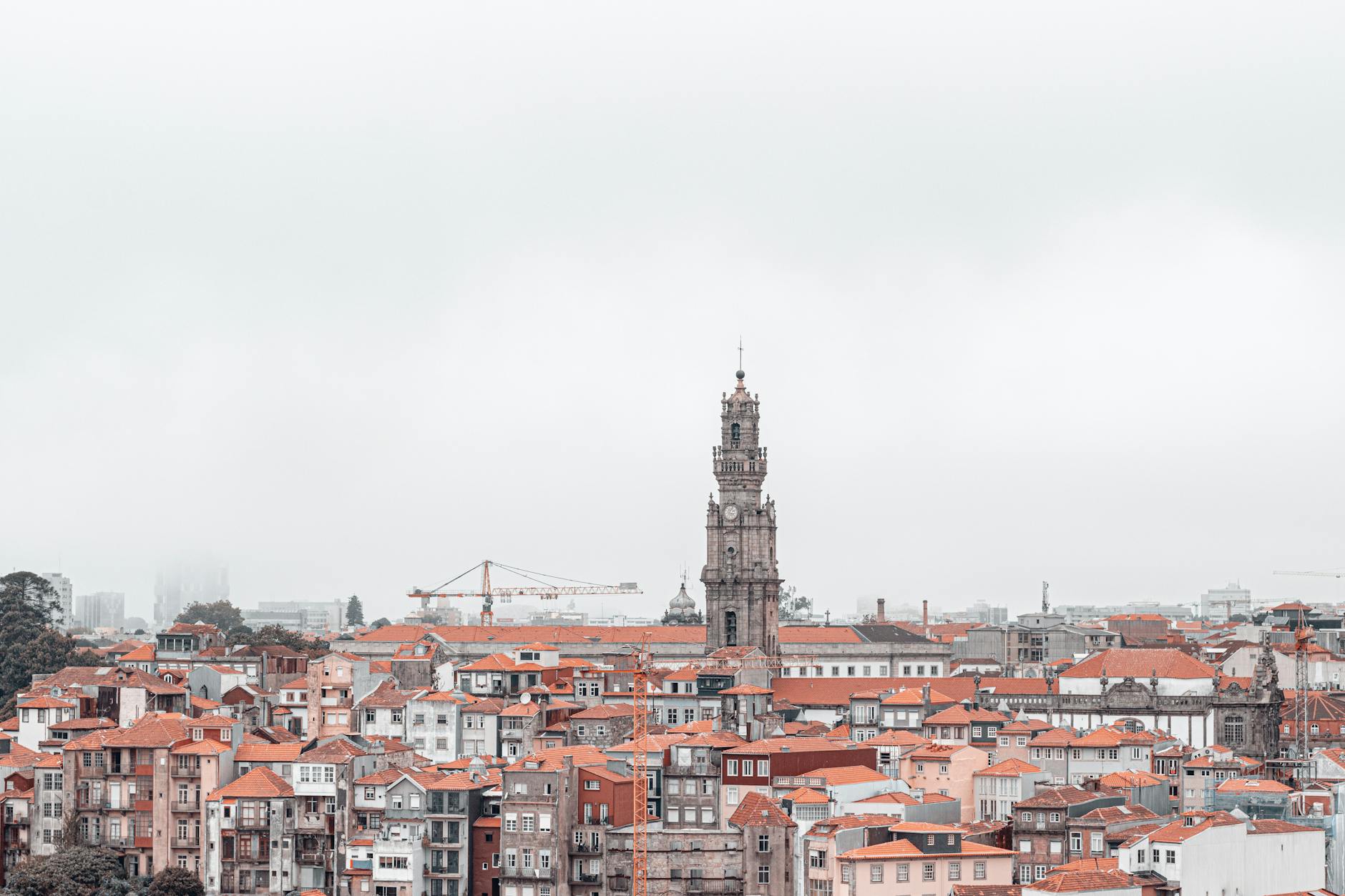
Porto is smaller than Lisbon but dense with atmosphere. It is built around the Douro River, steep streets, bridges, churches, tiles, markets, port cellars across the river in Vila Nova de Gaia, and a northern temperament that feels less polished and more compact.
Best for: food, wine, port lodges, walking, photography, weekend trips, northern day trips.
Top experiences: Ribeira, Dom Luís I Bridge, São Bento Station, Bolhão Market, Clérigos, Livraria Lello if you care enough to book, Gaia cellars, Foz do Douro, Bonfim/Cedofeita neighborhoods, day trip to Braga or Guimarães.
Common mistake: Treating Porto as a one-night stop. Two nights is the bare minimum; three is much better.
The move: Walk Porto slowly. The city’s best moments often happen between famous sights.
Douro Valley
Identity: Terraced wine country, river curves, quintas, port history, hot summers, and slow landscapes.
The Douro is one of Portugal’s great landscapes. It can be visited as a day trip from Porto, but the valley becomes much more powerful if you sleep there. The train line along the river, especially beyond Régua toward Pinhão, is scenic, but wineries and viewpoints often require car, taxi, tour, or private driver logistics.
Best for: wine, scenery, couples, photographers, slow travel.
How to visit: Train from Porto to Régua/Pinhão, river cruise, guided wine day, self-drive, or private driver.
Best time: Spring and autumn. Harvest season is special but busy. Summer can be very hot.
Common mistake: Drinking and driving on steep, winding roads. Use a driver or stay put after tastings.
Central Portugal
Identity: Universities, monasteries, surf, old towns, religious sites, forests, mountains, and overlooked depth between Lisbon and Porto.
Central Portugal is where many rushed trips lose quality. Travelers speed from Lisbon to Porto, passing Coimbra, Tomar, Batalha, Alcobaça, Nazaré, Óbidos, Aveiro, the Schist Villages, and Serra da Estrela as if they were optional footnotes. They are not all mandatory, but this region can make a trip feel much deeper.
Best for: history, architecture, road trips, slower cultural travel, surf watchers, medieval towns.
Key stops: Coimbra, Tomar, Batalha, Alcobaça, Nazaré, Óbidos, Aveiro, Fátima, Buçaco, Serra da Estrela, Schist Villages.
Transport: Rail works for Coimbra and Aveiro. A car helps with monasteries, villages, Serra da Estrela, and flexible coastal stops.
Common mistake: Day-tripping Óbidos, Nazaré, Batalha, Alcobaça, and Fátima all at once, then remembering none of them.
Alentejo
Identity: Wide horizons, white towns, cork oaks, wine, olive oil, heat, Roman ruins, fortified villages, and a slower Portugal.
Alentejo is the antidote to over-scheduled Portugal. It does not reveal itself best through a checklist. It works through road light, long lunches, quiet squares, wine estates, castle walls, and towns that feel far from Lisbon even when they are not geographically distant.
Best for: slow travel, wine, food, couples, road trips, photography, history.
Key stops: Évora, Monsaraz, Estremoz, Vila Viçosa, Elvas, Marvão, Castelo de Vide, Mértola, Alqueva, Comporta/Melides on the coast.
Best time: Spring and autumn. Avoid ambitious midday sightseeing in July and August.
Transport: Car strongly recommended outside Évora.
Common mistake: Visiting Évora as a hurried Lisbon day trip and deciding you have “done” Alentejo.
Algarve
Identity: Portugal’s southern coast: beaches, cliffs, caves, resorts, fishing towns, golf, seafood, winter sun, and strong local variation.
The Algarve is often reduced to beaches, but the region has several distinct personalities. Lagos gives cliffs and traveler energy. Sagres gives wind, surf, and end-of-land drama. Tavira gives eastern charm and barrier-island beaches. Faro and Olhão give transport, food, and lagoon access. Albufeira and Vilamoura give resort infrastructure and nightlife. Carvoeiro/Lagoa give cliffs and cave access.
Best for: beaches, families, seafood, winter sun, cliff walks, resort stays.
Best time: May, June, September, October for balance; July/August for peak beach energy; winter for quieter sun and walking.
Transport: Train links some towns but does not reach many beaches. A car helps, though parking is a summer issue.
Common mistake: Booking the cheapest Algarve hotel without understanding the town’s mood.
Madeira
Identity: A vertical Atlantic island of levadas, mountains, gardens, cliffs, tunnels, ocean roads, subtropical vegetation, and year-round walking possibilities.
Madeira is not mainland Portugal with palm trees. It is a distinct island trip. Funchal is the practical urban base, but the island’s drama is in its mountains, north coast, viewpoints, levada paths, and weather shifts.
Best for: hiking, gardens, active couples, photography, mild climate, ocean views.
Key experiences: Funchal, Monte, gardens, Pico do Areeiro/Pico Ruivo if safe, levada walks, Ponta de São Lourenço, Porto Moniz, Seixal, Santana, Cabo Girão, whale/dolphin watching.
Transport: Car or tours. Driving involves tunnels, steep roads, tight parking, and confidence.
Current logistics: Official classified trails have access rules and fees from 2026; always check trail status and booking requirements.[12]
Azores
Identity: Nine volcanic islands of lakes, hot springs, whales, hydrangeas, dairy, lava landscapes, weather drama, and deep Atlantic nature.
The Azores are not a beach-resort destination in the simple sense. They are a nature trip. São Miguel is the easiest first island, with Sete Cidades, Furnas, Lagoa do Fogo, Nordeste, hot springs, tea plantations, and whale-watching access. Other islands change the trip: Pico for volcano and wine landscapes, Faial for marina and volcano history, Terceira for Angra and festivals, São Jorge for fajãs, Flores for wild beauty, Santa Maria for drier beaches.
Best for: volcanic landscapes, road trips, hot springs, whale watching, active nature travel.
Best time: Late spring to early autumn for best outdoor odds, though weather is never guaranteed.
Transport: Car highly useful; inter-island flights and seasonal ferries require planning.
Common mistake: Trying to visit too many islands in one week.
Best Things to Do
Portugal’s best experiences are not all famous attractions. The strongest trips combine cities, food, coast, wine, history, and slow observation.
1. Spend Enough Time in Lisbon
Lisbon is not just a gateway. Give it at least three nights. Use mornings for hills, viewpoints, markets, and major sights; use afternoons for museums, Belém, ferry rides, or neighborhood wandering; use evenings for food and fado.
Best for: first-timers, food, urban walking, culture.
Time needed: 3–5 days.
Skip if: You have already visited Lisbon deeply and want a regional trip.
2. Cross Porto’s Dom Luís I Bridge on Foot
The bridge between Porto and Vila Nova de Gaia gives one of the country’s great urban views. It also makes the geography of Porto clear: the old city on one side, port lodges on the other, the Douro below.
Best for: first-timers, photography, orientation.
Time needed: 30 minutes to several hours with Gaia.
Pair it with: Port tasting, Ribeira, Serra do Pilar view, sunset.
3. Sleep in the Douro Valley
A Douro day trip is good. A Douro night is better. The valley changes with morning and evening light, and the pace makes more sense when you are not rushing back to Porto.
Best for: wine, romance, photography, slow travel.
Time needed: 2 nights ideal.
Book ahead: Wine estates and scenic lodging in harvest season.
4. Visit Sintra Carefully
Sintra is spectacular and crowded. It is not a casual hill town you can “do” without a plan in peak season. Choose your priorities: Pena Palace, Moorish Castle, Quinta da Regaleira, Monserrate, town, or a quieter estate.
Best for: palaces, gardens, Romantic architecture.
Time needed: Full day; overnight if you want calm.
First-timer mistake: Trying to see every major palace in one day.
5. Eat Your Way Through a Market
Portugal’s markets are not just produce stops. They are food culture, seafood, lunch counters, cheese, wine, bread, fruit, and local life. Lisbon, Porto, Olhão, Funchal, and many smaller towns reward market time.
Best for: food travelers, rainy mornings, low-cost pleasure.
Time needed: 45 minutes to lunch.
6. Walk the Algarve Cliffs, Not Just the Beaches
The Algarve’s most memorable coastal moments often happen above the sand: cliff paths, caves viewed responsibly, sunset headlands, and fishing-town walks.
Best for: scenery, photographers, active beach travelers.
Watch out: Cliff edges, heat, no shade, unstable rock, and boat conditions.
7. Take Fado Seriously, But Choose the Right Setting
Fado can be powerful or touristy. The best experience depends less on fame and more on atmosphere, listening etiquette, and whether the venue is built around performance or churn.
Best for: music, culture, Lisbon/Coimbra travelers.
Local logic: Be quiet during songs. Fado is not background music.
8. Use Central Portugal as More Than a Transfer
Coimbra, Tomar, Batalha, Alcobaça, Nazaré, Óbidos, and Aveiro are often treated as “between Lisbon and Porto.” Better: choose two or three and spend time.
Best for: history, architecture, old towns.
Time needed: 2–4 days for depth.
9. Hike Madeira With Respect
Madeira’s landscapes are extraordinary, but trail conditions, exposure, rain, wind, landslides, and access rules matter. A levada walk is not the same as a ridge traverse.
Best for: hikers, photographers, active travelers.
Book/check ahead: Trail status, reservations, fees, weather, transport.
10. Let the Azores Weather Decide the Day
In the Azores, a viewpoint can be covered in cloud while the coast is sunny. Plans should be flexible. Check webcams, local forecasts, and road conditions before committing to a side of the island.
Best for: nature travelers with patience.
The move: Keep your most important outdoor days flexible.
11. Drink Wine Regionally
Portugal is far more than port. Try vinho verde in the north, Douro reds, Dão, Bairrada, Lisbon-region wines, Alentejo reds and whites, Moscatel de Setúbal, Madeira wine, and Azorean wines from Pico.
Best for: food and wine travelers.
Common mistake: Treating wine tasting as a drinking sprint instead of a cultural experience.
12. Visit UNESCO Sites With Context
Portugal has 17 World Heritage properties, including Lisbon’s Jerónimos/Belém Tower, Porto’s historic center, Sintra, Évora, the Douro wine region, Angra do Heroísmo in the Azores, Madeira’s Laurisilva, and more.[15]
Best for: history, architecture, culture.
The move: Choose sites that fit your route, not because they are all on a list.
Food and Drink
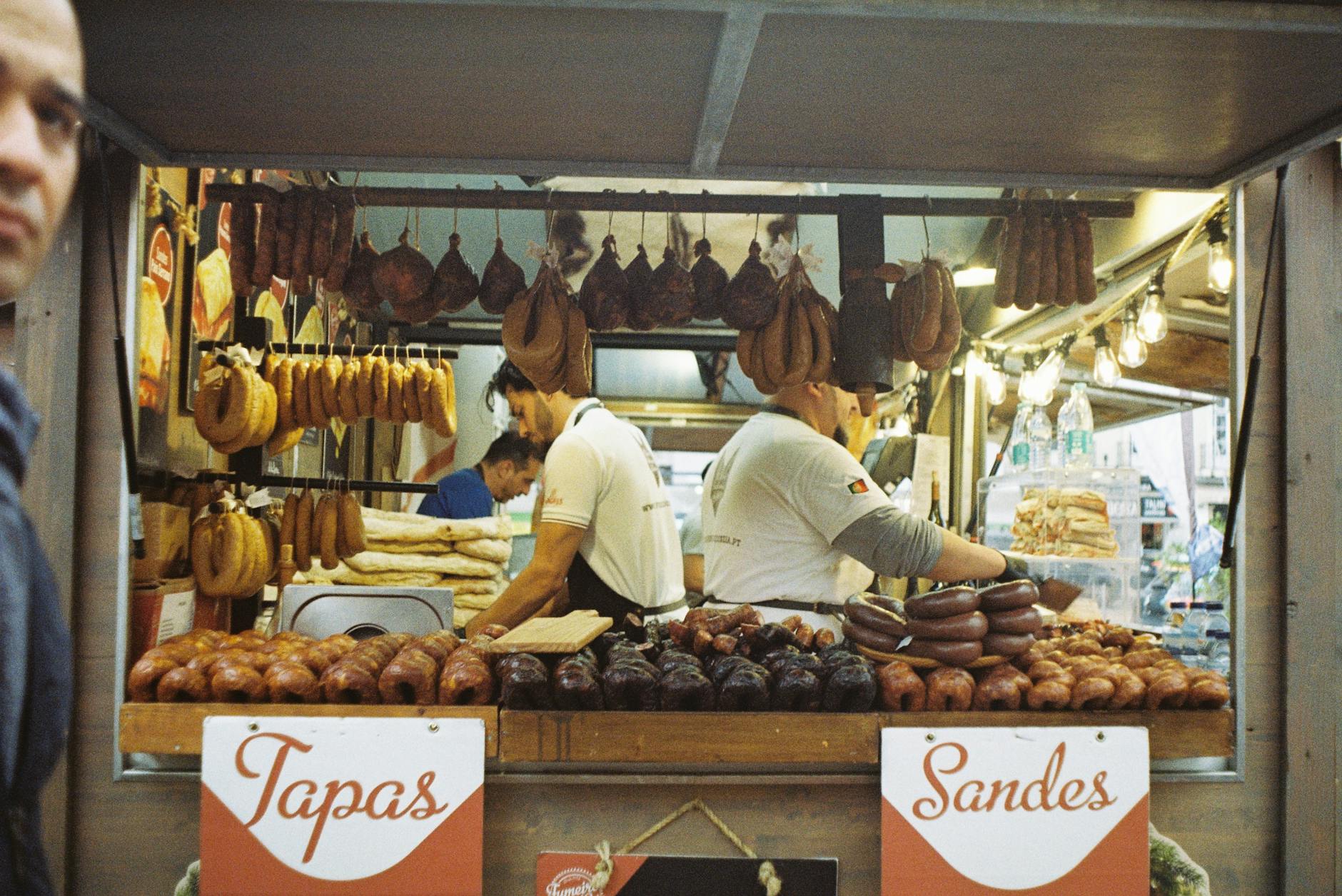
Portugal’s food is direct, regional, and better when you stop chasing only famous dishes. It is a country of grilled fish, cod, pork, stews, rice, shellfish, soups, pastries, olive oil, cheese, wine, and everyday cafés.
Food Identity
Portuguese food is shaped by:
- The Atlantic: sardines, octopus, shellfish, cod culture, grilled fish, seafood rice.
- The interior: pork, lamb, stews, game, bread soups, sausages, cheeses.
- The north: richer, heartier dishes, tripe, francesinha, green wine, caldo verde.
- Lisbon and the Tagus: pastries, seafood, fado-house meals, market culture.
- Alentejo: pork, açorda, migas, bread, olive oil, wine, sheep cheese.
- Algarve: seafood, cataplana, fish, oranges, almonds, figs.
- Madeira: espetada, bolo do caco, lapas, black scabbardfish, poncha, Madeira wine.
- Azores: dairy, cozido das Furnas, beef, seafood, limpets, pineapples, tea.
What to Eat
| Dish or drink | What it is | Where it fits |
|---|---|---|
| Bacalhau | Salt cod, prepared in many ways. | Nationwide; do not judge from one version. |
| Pastel de nata | Custard tart. | Lisbon/Belém famous, but everywhere has versions. |
| Caldo verde | Kale and potato soup, often with chouriço. | North and nationwide comfort food. |
| Sardines | Grilled sardines, especially seasonal. | Summer festivals, Lisbon, coastal towns. |
| Polvo à lagareiro | Octopus with olive oil, potatoes, garlic. | Coastal and city restaurants. |
| Arroz de marisco | Seafood rice. | Coast, especially central/southern regions. |
| Cataplana | Algarve seafood stew cooked in a clam-shaped copper pan. | Algarve. |
| Francesinha | Porto’s heavy sandwich with meat, cheese, sauce. | Porto; not light, not subtle. |
| Tripas à moda do Porto | Porto tripe dish. | Traditional northern food. |
| Cozido das Furnas | Meat/vegetable stew cooked underground by geothermal heat. | Furnas, São Miguel, Azores. |
| Espetada | Skewered beef, often on laurel. | Madeira. |
| Bolo do caco | Madeira flatbread often served with garlic butter. | Madeira. |
| Queijo da Serra | Rich mountain cheese. | Serra da Estrela/Central Portugal. |
| Port wine | Fortified wine from Douro, aged/stored historically in Gaia. | Porto/Gaia and Douro. |
| Vinho verde | Fresh northern wine style, often light and bright. | Minho/north. |
| Madeira wine | Fortified wine with distinctive aging. | Madeira. |
| Ginjinha | Cherry liqueur. | Lisbon, Óbidos, Alcobaça. |
Where to Eat by Situation
| Situation | Best approach |
|---|---|
| First Lisbon dinner | Stay near your base. Choose a simple tasca, seafood place, or modern Portuguese restaurant. Avoid exhausted cross-town plans. |
| First Porto dinner | Go casual and northern: petiscos, grilled fish, a market-adjacent meal, or a traditional restaurant. |
| Beach lunch | Grilled fish, clams, rice dishes, octopus, salads, cold beer or vinho verde. |
| Wine-region meal | Book in advance at a quinta or regional restaurant; plan transport. |
| Family meal | Tascas, seafood restaurants, casual grills, market halls, hotel restaurants, and town squares. |
| Solo meal | Cafés, counters, markets, casual restaurants, bakeries, petiscos bars. |
| Budget meal | Soup, prato do dia, bifana, prego, grilled chicken, market lunch, bakery breakfast. |
| Splurge | Seafood, tasting menu in Lisbon/Porto, wine estate lunch, fine-dining Portuguese, special island restaurants. |
Restaurant Practicalities
- Lunch is important. Do not always reduce it to a sandwich.
- Dinner often starts later than in northern Europe or North America, but not as late as Spain.
- Bread, olives, cheese, and other starters placed on the table are usually not free if eaten.
- Tipping is appreciated but not as mandatory or percentage-driven as in the U.S.
- Cards are common, but small places may prefer cash or Portuguese payment systems visitors do not have.
- Many restaurants close one or two days per week; Sunday/Monday closures are common in some areas.
- In summer beach towns, book dinner ahead.
- In small towns, late lunch can be a problem if kitchens close between services.
- Vegetarians can eat well in Lisbon and Porto, but traditional restaurants can be meat/fish-heavy.
- Gluten-free, vegan, halal, and kosher travelers should research in advance, especially outside major cities.
Drinks and Nightlife
Portugal drinks more diversely than many visitors expect.
Wine: Douro, Dão, Bairrada, Vinho Verde, Alentejo, Lisbon region, Setúbal, Madeira, Azores. Fortified wine: Port and Madeira are essential but very different. Beer: Sagres and Super Bock are common; craft beer exists in cities. Spirits/liqueurs: Ginjinha, aguardente, medronho in the Algarve/Alentejo, poncha in Madeira. Coffee: Espresso-style coffee culture is everyday life. Learn to order simply. Nonalcoholic: Fresh juices, sumol, mineral water, coffee drinks, tea in the Azores.
Nightlife areas: Bairro Alto, Cais do Sodré, Príncipe Real, and Santos in Lisbon; Galerias/Cedofeita/Ribeira areas in Porto; resort areas in the Algarve; Funchal marina/old town in Madeira.
Safety note: Watch drinks, avoid street dealers in nightlife districts, and use licensed taxis/ride apps late at night.
Getting Around Portugal
Portugal is easy to move through on the main routes and harder off them. The key is to use the right tool for each region.
Arrival Airports
| Airport | Best for |
|---|---|
| Lisbon (LIS) | Lisbon, central/southern Portugal, Alentejo, Setúbal, Cascais, connections to islands. |
| Porto (OPO) | Porto, Douro, Braga, Guimarães, northern Portugal, Galicia connections. |
| Faro (FAO) | Algarve. |
| Funchal/Madeira (FNC) | Madeira. |
| Ponta Delgada/São Miguel (PDL) | Azores, especially first Azores trip. |
Trains
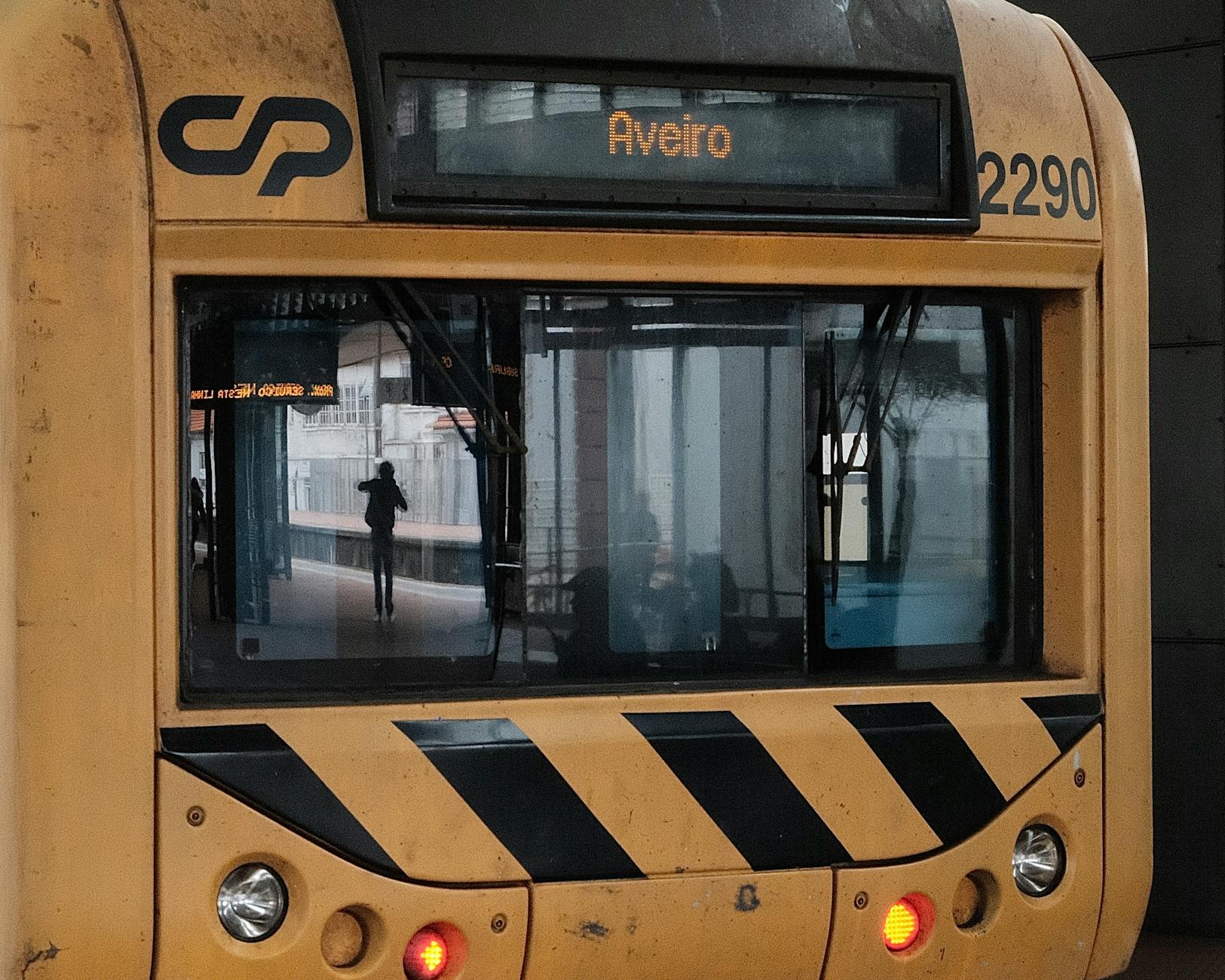
CP - Comboios de Portugal is the main railway operator for national rail services.[6] Trains are excellent for the Lisbon–Coimbra–Porto corridor and useful for Braga, Guimarães, Aveiro, Faro, and some regional routes.
Good train routes:
- Lisbon–Porto.
- Lisbon–Coimbra.
- Porto–Braga.
- Porto–Guimarães.
- Porto–Aveiro.
- Lisbon–Faro.
- Porto–Douro Valley river towns.
- Lisbon–Sintra and Lisbon–Cascais via suburban rail.
Less good by train:
- Alentejo villages beyond Évora.
- Many beaches.
- Most Douro wineries beyond town centers.
- Peneda-Gerês.
- Much of the interior.
- Madeira and Azores, obviously.
Buses and Coaches
Buses fill gaps where rail does not go. They are useful for towns, inland routes, and some Algarve/Alentejo connections. Schedules can be thinner on weekends, holidays, and in rural areas. link to current operators and booking platforms by route.
Car Rental
A car is unnecessary inside Lisbon and Porto, often annoying in old towns, and extremely useful in the right regions.
Rent a car for: Alentejo, central Portugal road routes, Algarve beach hopping, Douro winery routes, Peneda-Gerês, Serra da Estrela, Madeira, and the Azores.
Avoid a car for: Lisbon center, Porto center, simple Lisbon–Porto travel, most first days after arrival, heavy wine-tasting days.
Driving notes:
- Roads are generally good, but old towns have narrow streets.
- Parking can be difficult in historic centers and beach towns.
- Tolls require planning. Portugal has traditional tolls and electronic-only tolls; foreign vehicles need a payment solution for electronic systems.[7][8]
- Manual cars are common; automatics cost more and sell out.
- Do not leave luggage visible in rental cars.
- Rural roads can be dark and winding at night.
City Transport
Lisbon: Metro, trams, buses, funiculars, suburban trains, ferries, taxis/ride apps. The historic trams are charming but crowded and pickpocket-prone. Porto: Metro, buses, trams, suburban trains, taxis/ride apps. The metro is especially useful for airport access and regional movement. Funchal: Buses, taxis, tours, rental cars. Azores: Buses exist but are limited for most visitor routes; cars/tours are usually better.
Ferries and Boats
- Lisbon ferries across the Tagus can be both practical and scenic.
- Algarve boat trips serve caves, islands, dolphins, and coastal views, but weather/sea conditions matter.
- Madeira has boat trips and connections to Porto Santo.
- The Azores have inter-island ferries on certain routes/seasons, but flights are often necessary for multi-island plans.
- Douro river cruises vary from short scenic rides to longer wine-focused trips.
The Move
Use train for the spine, car for the texture. Lisbon to Porto by train is easier than driving. Alentejo villages, Douro viewpoints, Algarve beaches, Madeira hikes, and Azores volcanoes are where a car starts making sense.
Budget and Costs
Portugal is no longer the ultra-cheap Europe bargain some older guides describe, especially in Lisbon, Porto, the Algarve, Madeira, and peak travel months. It is still good value compared with many Western European destinations if you eat locally, use public transport, avoid peak lodging, and choose regions wisely.
Daily Budget Ranges
| Traveler type | Daily estimate, excluding long-distance flights and major shopping | What it means |
|---|---|---|
| Shoestring | €45–€80 | Hostel, bakery breakfasts, simple meals, transit, free sights, limited paid attractions. |
| Budget comfort | €80–€150 | Budget hotel/guesthouse, casual restaurants, public transport, some attractions. |
| Mid-range | €150–€300 | Good hotel, restaurant meals, trains, museum tickets, taxis when useful, one or two tours. |
| Comfortable | €300–€550 | Strong hotel locations, better restaurants, wine tastings, car rental, private transfer/tour where useful. |
| Luxury | €550+ | Top hotels, wine estates, private guides/drivers, fine dining, premium beach/island lodging. |
Cost Notes
| Item | Typical planning note |
|---|---|
| Coffee/pastry breakfast | One of Portugal’s best values. |
| Casual lunch | Often good value, especially outside tourist centers. |
| Dinner in Lisbon/Porto | Wide range; book popular restaurants. |
| Seafood | Can be expensive by weight; understand pricing before ordering. |
| Wine | Good value compared with many countries, but tastings/tours vary. |
| Hotels | Biggest cost swing. Lisbon, Porto, Algarve, Madeira, and Azores summer can be expensive. |
| Trains | Often good value if booked ahead on intercity routes. |
| Car rental | Seasonal; automatics and island cars can be costly. |
| Tolls/parking | Add up on road trips. |
| Attractions | Palaces, monasteries, museums, and viewpoints vary; check current prices. |
Best Value Moves
- Stay in Porto longer than one night; it offers strong value and atmosphere.
- Use bakeries and cafés for breakfast rather than hotel breakfast by default.
- Eat lunch as a main meal in smaller towns.
- Use trains for city-to-city travel, not rental cars.
- Book Lisbon/Porto/Algarve hotels early for peak months.
- Consider Alentejo and central Portugal for slower, better-value travel.
- Use one or two high-quality guided experiences rather than many generic tours.
- Choose Tavira/Olhão/Faro or inland Algarve if western beach towns are too expensive.
- Do Madeira or Azores with enough time to amortize flight/car logistics.
Splurge-Worthy
- A well-located Lisbon or Porto hotel if it saves hills and transit friction.
- A Douro wine estate overnight.
- A private driver for wine tasting or complex regional routes.
- A guided Sintra day that avoids the worst logistical stress.
- A food tour early in Lisbon or Porto.
- Madeira guided hikes for exposed or transport-complicated routes.
- Azores rental car and weather-flexible lodging.
Usually Not Worth It
- Renting a car for Lisbon and Porto city sightseeing.
- Taking a rushed Douro day trip if you really want wine-country atmosphere.
- Paying high-season Algarve prices for a town whose vibe you have not researched.
- Overpriced tourist-menu restaurants in obvious squares.
- Tram 28 as a must-do if the line is packed and pickpocket-prone.
- One-night island add-ons.
Safety, Health, and Scams
Portugal is generally one of Europe’s easier countries for travelers, but a good guide should be specific rather than complacent.
General Safety
Portugal is generally safe for visitors, and U.S. official advice currently places it at Level 1, “Exercise normal precautions.” The main everyday concerns are pickpocketing, purse snatching, rental-car break-ins, nightlife caution, and beach/ocean risks.[9]
Common Theft Zones
- Lisbon trams and crowded transit.
- Major train stations.
- Tourist viewpoints.
- Alfama/Baixa/Chiado/Bairro Alto nightlife zones.
- Porto Ribeira and crowded riverfront areas.
- Sintra queues and shuttles.
- Beach parking lots.
- Rental cars at scenic pullouts.
Common Scams and Annoyances
| Issue | What it looks like | How to avoid it |
|---|---|---|
| Pickpocketing | Crowds on trams, metro, viewpoints, station escalators. | Crossbody bag, front pocket, no phone dangling, avoid door zones. |
| Fake drug offers | Street dealers in downtown Lisbon/nightlife areas. | Ignore and keep walking. |
| Taxi/rideshare confusion | Unofficial driver offers at airports/stations. | Use official taxi queue or app; confirm plate. |
| Restaurant add-ons | Bread/cheese/olives placed on table. | Eat if you want; expect to pay. Ask to remove if not. |
| Seafood by weight surprise | Premium fish or shellfish priced per kg. | Ask price before ordering. |
| Rental-car break-ins | Visible luggage or tourist route parking lots. | Never leave valuables visible. Use luggage storage. |
| Overstuffed tours | Long day trips with too many stops. | Check actual time at each stop; prioritize. |
Health Practicalities
- Tap water is generally safe.
- Pharmacies are common and helpful; look for green cross signs.
- Travel insurance is wise, especially for hiking, islands, rental cars, and adventure sports.
- Summer heat can be serious in Lisbon, Alentejo, Douro, and inland towns.
- Ocean swimming requires caution: Atlantic water can be cold, rough, and current-prone.
- Cliff edges in the Algarve and west coast are real hazards.
- In Madeira and the Azores, weather can change quickly; mountain fog, slippery trails, and landslides matter.
- Check medication rules and bring prescriptions in original packaging.
Wildfires and Weather
Wildfire risk is one of Portugal’s most important seasonal planning issues. High temperatures and dry conditions can create dangerous fires and travel disruptions, particularly in summer.[10][11]
Before rural summer travel: Check IPMA weather forecasts and warnings, civil-protection updates, and local road conditions. Avoid open flames, careless smoking, and off-road behavior that could start fires.
Ocean and Beach Safety
Portugal’s coastline is beautiful but not uniformly gentle.
- Swim only where conditions are safe.
- Respect flags and lifeguards.
- Be careful on unguarded beaches.
- Avoid turning your back on large waves at exposed beaches.
- Nazaré’s giant-wave reputation is for watching from safe viewpoints, not casual swimming.
- Algarve caves and cliffs should be approached with licensed operators and weather awareness.
Accessibility and Mobility
Portugal can be rewarding for travelers with mobility needs, but it requires honest planning. Many historic areas were not built for easy access: hills, cobblestones, steps, narrow sidewalks, old trams, small guesthouses, and steep alleys are common.
Easier Areas
- Flat parts of Lisbon such as Baixa, Parque das Nações, waterfront areas, and parts of Belém.
- Modern hotels around Avenida da Liberdade/Marquês, Parque das Nações, and newer Porto areas.
- Porto’s riverside can be scenic but still uneven; Gaia waterfront is easier in parts.
- Larger museums, modern shopping centers, airports, and many train stations.
- Resort hotels in the Algarve, Madeira, and newer developments.
Harder Areas
- Alfama, Graça, Bairro Alto, Bica, and many Lisbon hill neighborhoods.
- Porto’s Ribeira and steep old streets.
- Sintra, especially palace grounds and hill access.
- Coimbra’s upper old town.
- Óbidos walls and cobbled lanes.
- Madeira mountain trails and levadas.
- Azores viewpoints and trails.
- Historic pousadas or guesthouses without elevators.
Lower-Walking Strategy
Stay in flatter, better-connected neighborhoods. Use taxis/ride apps strategically. Choose fewer neighborhoods per day. Verify hotel elevators and bathroom access directly. Use private guides/drivers for Sintra, Douro, Alentejo, or island routes if mobility makes public transport hard. Avoid assuming “central” means easy.
Stroller Notes
Portugal can be tough with strollers in old neighborhoods. Families often do better with lightweight strollers plus carriers, choosing hotels near transport and avoiding too many hill-based days in a row.
Families, Solo Travelers, LGBTQ+ Travelers, and Special Considerations
Families
Portugal is excellent for families if paced well. Children often enjoy trams, ferries, castles, beaches, pastries, aquariums, markets, caves, parks, and island nature. The main issue is terrain and overplanning.
Best family bases: Lisbon with careful neighborhood choice, Cascais, Porto, Algarve towns/resorts, Madeira/Funchal, São Miguel with a car.
Family tips:
- Avoid too many one-night stays.
- Choose accommodation with elevators and laundry if needed.
- Plan beach and pool downtime.
- Use early dinners where possible.
- Watch cliff and ocean safety constantly.
- Use private transfers for Sintra or airport days if luggage/kids make transit stressful.
Solo Travelers
Portugal is strong for solo travel, especially Lisbon, Porto, Coimbra, Madeira, and some Algarve towns. Hostels, food tours, walking tours, cafés, and train routes make it easy to meet people or travel independently.
Solo tips:
- Stay central and near transport.
- Use normal nightlife caution.
- Join a food or walking tour early.
- Avoid isolated hikes alone in poor weather.
- In islands, tell someone your route if driving/hiking alone.
Women Traveling Solo
Many women find Portugal comfortable for solo travel. Street harassment is usually less intense than in some destinations, but nightlife caution, drink awareness, and careful late-night transport still matter.
LGBTQ+ Travelers
Portugal is generally one of Europe’s more LGBTQ+-friendly destinations legally and socially, especially in Lisbon and Porto. Smaller towns may be more reserved. Lisbon has LGBTQ+ nightlife, Pride events, and inclusive accommodation options.
Older Travelers
Portugal is excellent for older travelers who plan terrain honestly. Choose hotels with elevators, avoid hill-heavy bases if mobility is limited, use taxis when useful, and prioritize fewer, richer stops over constant moving.
Remote Workers and Long-Stay Travelers
Portugal is popular with remote workers and longer-stay visitors, but travel guides should not blur tourism with immigration advice. Visa/residency rules are separate from tourist travel and change often. For a travel-focused stay, Lisbon, Porto, Madeira, Ericeira, Lagos, Cascais, Braga, and some Azores bases are common, but housing pressure and local impact should be handled responsibly.
Shopping and Souvenirs
Portugal is excellent for useful, beautiful souvenirs: ceramics, textiles, food, wine, cork, tiles, soaps, books, and design objects.
What Portugal Is Known For
- Ceramics and tableware.
- Azulejo-inspired tilework.
- Cork goods.
- Wool blankets and textiles.
- Linen and embroidery.
- Tinned fish.
- Olive oil and salt.
- Wine, port, Madeira wine, and ginjinha.
- Cheese, honey, tea from the Azores, jams, almonds/fig sweets.
- Soaps, fragrances, and traditional pharmacy goods.
- Books, design goods, and stationery.
Best Shopping Areas
| Area | Best for |
|---|---|
| Lisbon: Chiado/Príncipe Real/Alfama/Intendente | Design, books, tiles, boutiques, traditional shops. |
| Porto: Cedofeita/Baixa/Rua das Flores/Bolhão area | Design, food, stationery, wine, ceramics. |
| Alentejo towns | Pottery, cork, wine, olive oil, blankets, food gifts. |
| Algarve | Ceramics, salt, local food, beach goods. |
| Madeira | Madeira wine, embroidery, wicker, honey cake, poncha-related goods. |
| Azores | Tea, pineapple products, cheese, ceramics, volcanic stone, local crafts. |
What Not to Buy Thoughtlessly
- Antique tiles of unclear origin. Avoid supporting architectural theft.
- Cheap “cork” goods that may not be locally made or durable.
- Wine you cannot transport legally or safely.
- Food items restricted by your home country.
- Mass-produced “Portuguese” souvenirs that are not actually Portuguese.
The Move
Buy fewer, better things: a good ceramic piece, a tin selection from a reputable shop, olive oil, a bottle from a region you visited, a wool blanket, or a locally made cork or textile item.
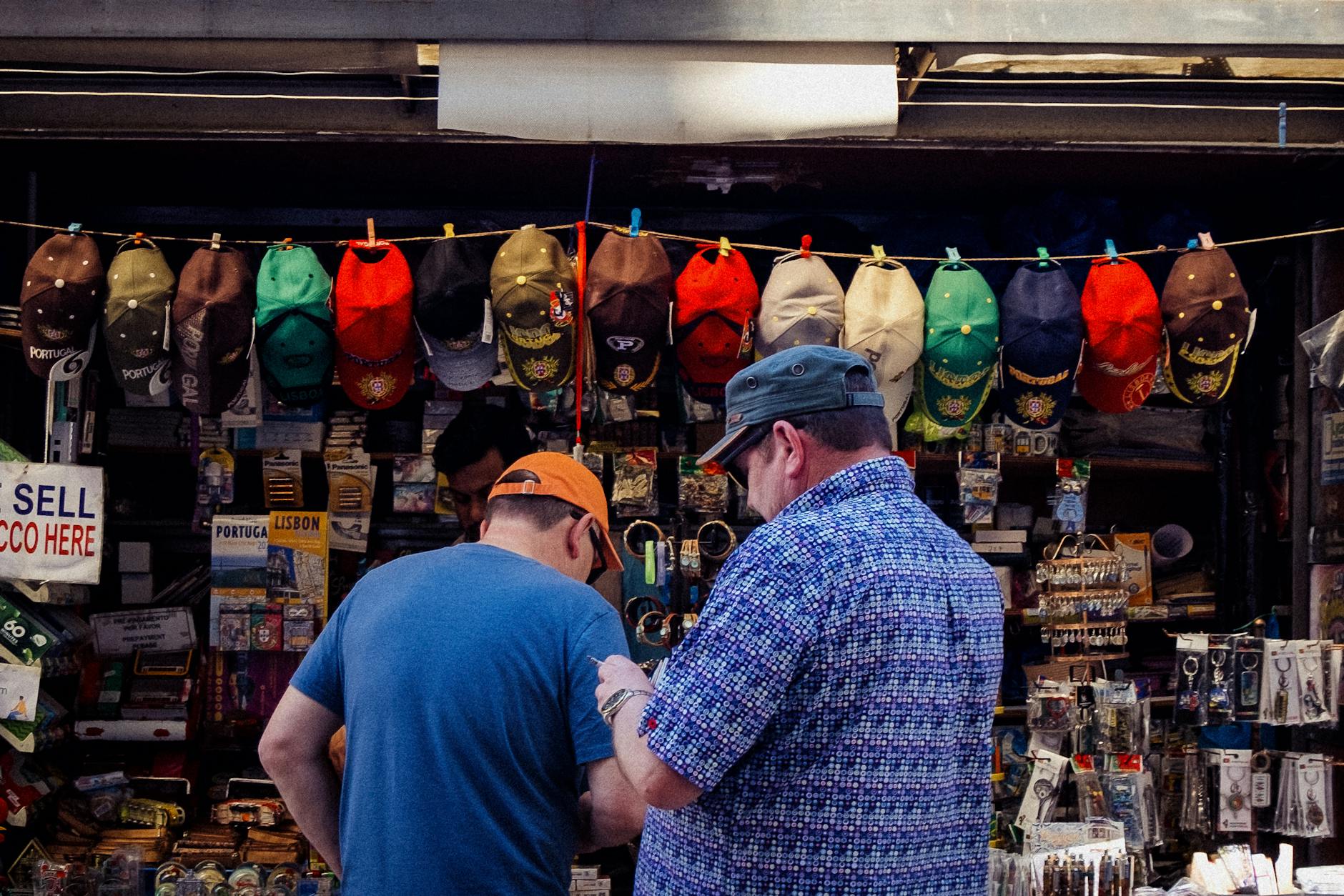
Arts, Culture, History, and Context
Portugal’s cultural depth is not limited to the Age of Discoveries, but that period casts a long shadow. A strong guide should present Portugal’s beauty without flattening its history.
Short History for Travelers
Portugal emerged as a kingdom in the 12th century and developed a strong Atlantic orientation. Its maritime expansion in the 15th and 16th centuries connected Europe, Africa, Asia, and the Americas through trade, colonization, missionary activity, slavery, and empire. Lisbon and Belém preserve monuments tied to this era, but guides should avoid romanticizing it without context.
The country’s history also includes Roman settlements, Islamic rule and influence, the Reconquista, medieval monasteries, Jewish communities and persecution, the 1755 Lisbon earthquake, the Pombaline rebuilding of Lisbon, monarchy, republic, dictatorship under the Estado Novo, the Carnation Revolution of 1974, decolonization, European Union integration, mass emigration and return, and contemporary pressures from tourism, housing, climate, and regional inequality.
Cultural Norms That Matter
- Greet with basic courtesy: bom dia, boa tarde, boa noite, obrigado/obrigada.
- Do not speak Spanish by default. Portuguese is not Spanish.
- Keep voices moderate in small restaurants and residential streets.
- Dress respectfully in churches and religious sites.
- Fado requires quiet listening.
- Be patient with service. Portugal is not always rushed, and that is part of the point.
- Do not block sidewalks, tram doors, viewpoints, or tiny shop entrances for photos.
- Tipping is appreciated but not culturally identical to the U.S.
- Respect local frustration about housing and overtourism in Lisbon and Porto.
Books, Films, Music, and Cultural Prep
A guide should curate this carefully, but good categories include:
- A short history of Portugal.
- A Lisbon earthquake or Age of Discoveries history.
- Contemporary Portuguese fiction.
- Fado introductions, including Lisbon and Coimbra styles.
- A food/wine primer.
- Films set in Lisbon, Porto, or rural Portugal.
- Background on azulejos, Manueline architecture, and Portuguese colonial history.
UNESCO and Heritage
Portugal has 17 World Heritage properties, including major sites in Lisbon, Porto, Sintra, Évora, Tomar, Batalha, Alcobaça, the Douro, Guimarães, Angra do Heroísmo, Madeira’s Laurisilva forest, the Côa Valley rock art, Bom Jesus do Monte, Mafra, and others.[15]
The move: Use UNESCO as a route enhancer, not a checklist.
Seasonal and Month-by-Month Guide
Spring
Spring is one of the best seasons in Portugal. Landscapes green up, flowers appear, temperatures are comfortable, and the country feels alive without full summer pressure.
Best for: Lisbon, Porto, Alentejo, central Portugal, Douro, Madeira, Azores nature.
Watch out: Easter demand, rain, chilly Atlantic water.
Summer
Summer is beach season and festival season, but it is also heat and wildfire season. Lisbon and Porto are lively but crowded. Alentejo and inland Douro can be extremely hot. Algarve lodging books up.
Best for: Algarve beaches, surf towns, island trips, nightlife, festivals.
Watch out: Heat, crowds, high prices, wildfire risk, traffic, parking.
Autumn
Autumn is one of Portugal’s strongest seasons. September is still warm, sea temperatures are often better than in spring, and wine regions become especially appealing. October remains excellent for cities and regions, though rain increases.
Best for: Douro, Alentejo, Lisbon, Porto, Algarve, Madeira, Azores.
Watch out: Harvest-season demand, storms later in the season.
Winter
Winter Portugal is underrated for cities, food, and lower prices. It is not a guaranteed beach trip except for some mild/sunny breaks. Madeira can be attractive, but hiking still depends on conditions.
Best for: Lisbon and Porto city breaks, museums, food, Algarve winter stays, Madeira.
Watch out: Rain, damp rooms, short days, rough seas, reduced schedules in resort areas.
Event and Timing Issues
- Carnival: Varies by year; notable in some towns and Madeira.
- Easter/Holy Week: Religious events and higher demand.
- Santo António in Lisbon: June festivities.
- São João in Porto: Major June celebration.
- Summer festivals: Music, food, sardines, local festas.
- Douro harvest: Late summer/autumn, variable by year.
- August holidays: Domestic and international peak, especially coasts.
- Christmas/New Year: City lights, Madeira fireworks, some closures.
Day Trips and Regional Extensions
From Lisbon
| Trip | Best for | Notes |
|---|---|---|
| Sintra | Palaces, gardens, Romantic scenery | Crowded; plan timed tickets and transport. |
| Cascais | Easy coast, lower-stress day | Good by train. |
| Belém | History, monuments, riverfront | Technically Lisbon, but can fill a half-day. |
| Setúbal and Arrábida | Seafood, coast, nature | Easier with car/tour. |
| Évora | Alentejo, Roman temple, wine | Better overnight if possible. |
| Óbidos | Walled town | Pretty but touristy; best early/late. |
| Mafra and Ericeira | Palace and surf town | Better with car. |
From Porto
| Trip | Best for | Notes |
|---|---|---|
| Douro Valley | Wine and landscapes | Better overnight, but day trip possible. |
| Braga | Religious heritage, Bom Jesus | Easy by train/bus. |
| Guimarães | Historic town, Portugal origins narrative | Easy by train; good day trip. |
| Aveiro | Canals, tiles, coast nearby | Easy rail, but often overmarketed. |
| Viana do Castelo | Coast and northern town | Good if interested in Minho. |
| Peneda-Gerês | National park and nature | Car/tour needed; better with time. |
Regional Extensions
| Extension | Best for | Minimum |
|---|---|---|
| Douro Valley overnight | Wine and scenery | 2 nights |
| Alentejo road trip | Slow towns, wine, food | 3 nights |
| Algarve coast | Beaches and cliffs | 4 nights |
| Madeira | Hiking and island landscapes | 5 nights |
| São Miguel, Azores | Volcanic nature | 5 nights |
| Multi-island Azores | Deep island travel | 10 nights |
| Northern Portugal and Galicia | Porto + Spain extension | 7+ nights |
| Portugal + Andalusia | Lisbon/Algarve/Seville | 10+ nights |
What to Skip
This section builds trust. Skipping does not mean something is bad; it means it may not fit every trip.
Skip: Trying to See All of Portugal in One Trip
Portugal is small enough to tempt you and varied enough to punish you. Lisbon, Porto, Douro, Algarve, Madeira, and the Azores can all be world-class. Not in ten days.
Better alternative: Choose mainland + one region, or one island trip.
Skip: Palace-Hopping in Sintra Without a Plan
Sintra can become a day of queues, shuttles, ticket windows, and stress.
Better alternative: Choose one primary palace and one secondary stop, or stay overnight.
Skip: Renting a Car in Lisbon or Porto
Cars are burdens in historic city centers.
Better alternative: Use train/taxi/metro in cities; rent only when leaving for car-friendly regions.
Skip: Algarve Without Choosing a Specific Base
“Stay in the Algarve” is not a plan. The region’s towns feel very different.
Better alternative: Match your base: Lagos for cliffs/energy, Tavira for charm, Sagres for surf, Faro/Olhão for food/transport, resort zones for facilities.
Skip: One-Night Madeira or Azores Add-Ons
Flights, weather, cars, and nature logistics make one-night island visits weak.
Better alternative: Give Madeira or São Miguel at least five nights.
Skip: Eating Only in Tourist Squares
You will miss much of Portugal’s food value.
Better alternative: Use markets, neighborhood tascas, seafood restaurants away from obvious squares, and local lunch specials.
Skip: Beach Swimming Assumptions
Not every beautiful Portuguese beach is safe or comfortable for swimming.
Better alternative: Check flags, lifeguards, currents, wind, water temperature, and local advice.
Common Mistakes
- Trying to add Madeira and the Azores to a short mainland trip. They are separate island travel systems.
- Booking too many one-night stays. Portugal rewards slower pacing.
- Underestimating hills. Lisbon, Porto, Coimbra, Sintra, and Madeira are physical.
- Wearing bad shoes. Cobblestones are beautiful and unforgiving.
- Doing Sintra too late in the day. Crowds and logistics get worse.
- Assuming the Algarve is all the same. Town choice matters hugely.
- Renting a car before leaving the city. Pick it up when you actually need it.
- Ignoring toll logistics. Electronic tolls require preparation, especially with foreign vehicles.
- Leaving luggage visible in a rental car. Break-ins happen.
- Overlooking Central Portugal. Coimbra, Tomar, Batalha, Alcobaça, and Nazaré can add real depth.
- Visiting Alentejo in August as if it were spring. Heat changes everything.
- Forcing hikes in bad weather. Madeira and Azores trails deserve respect.
- Expecting Spain. Portugal has its own language, rhythm, food, and etiquette.
- Eating dinner only in viral places. Some of the best meals are simple and local.
- Assuming beaches are warm because Portugal is southern Europe. The Atlantic is not the Mediterranean.
Responsible Travel
Portugal’s popularity has brought opportunity and pressure. Lisbon, Porto, Sintra, parts of the Algarve, Madeira trails, and the Azores all face different versions of overtourism, housing stress, environmental pressure, and crowding.
Do
- Stay in legal, responsibly managed accommodation.
- Support local restaurants, markets, craftspeople, and guides.
- Use trains and public transport where practical.
- Respect quiet residential streets in Lisbon, Porto, and small towns.
- Book official/regulated hiking routes and follow closures.
- Respect cliff barriers, beach flags, and protected landscapes.
- Avoid damaging tiles, walls, and old buildings for photos.
- Learn basic Portuguese phrases.
- Treat fado, churches, and religious festivals respectfully.
- Choose ethical whale/dolphin operators in the Azores and Madeira.
Do Not
- Treat local neighborhoods as photo sets.
- Block tram doors, sidewalks, and viewpoints.
- Remove tiles or buy suspicious old tiles.
- Drive into historic centers unless your lodging has clear access.
- Start fires, smoke carelessly, or ignore wildfire restrictions.
- Walk closed Madeira trails because “everyone online did it.”
- Step near cliff edges for photos.
- Assume every island road/viewpoint is safe in fog or storms.
Local Logic
Portugal’s charm often comes from everyday life happening in beautiful places. The job of a visitor is not to consume that life carelessly. Spend money locally, move gently, and leave room for residents to live.
Packing List
Essentials
- Comfortable walking shoes with grip.
- Light layers.
- Rain jacket or compact umbrella outside high summer.
- Sun protection: hat, sunglasses, sunscreen.
- Swimsuit if coast/islands are included.
- Light day bag with theft-aware design.
- Portable charger.
- Type C/F plug adapter if needed.
- Reusable water bottle.
- Prescription medications in original packaging.
- Copies of passport and travel insurance.
- Small cash reserve.
Seasonal Additions
| Season | Pack |
|---|---|
| Spring | Layers, rain jacket, comfortable shoes, light sweater. |
| Summer | Breathable clothes, sun hat, sunscreen, swimsuit, sandals plus real walking shoes. |
| Autumn | Layers, rain protection, light jacket, warmer evening clothes. |
| Winter | Waterproof jacket, sweater, warmer sleepwear for older buildings, good shoes. |
Region-Specific Additions
| Region | Pack |
|---|---|
| Lisbon/Porto | Shoes for hills/cobblestones, theft-aware bag. |
| Algarve | Beach gear, cliff-walk shoes, wind layer. |
| Alentejo | Sun protection, water bottle, heat-aware clothing. |
| Douro | Layers for river mornings/evenings, nicer dinner clothes if staying at a quinta. |
| Madeira | Hiking shoes, rain shell, layers, small backpack, trail snacks. |
| Azores | Waterproof layer, hiking shoes, layers, swimsuit for hot springs, motion sickness meds if boat trips. |
What Not to Overpack
- Dressy outfits unless you have specific fine-dining plans.
- Heavy luggage for hill towns and guesthouses.
- Beach gear you can buy locally.
- High heels for cobblestones.
- Too many “just in case” items if using trains.
FAQ
Is Portugal worth visiting for a first trip to Europe?
Yes. Portugal is one of Europe’s best first-trip countries because it combines strong cities, food, coast, wine, history, and manageable logistics. It is easier if you do not try to cover too much.
How many days do I need in Portugal?
Eight to ten days is a strong first-trip minimum for Lisbon, Porto, and one region. Two weeks is much better. Madeira or the Azores deserve at least five nights each and work best as separate trips or longer extensions.
Should I visit Lisbon or Porto first?
Either works. Lisbon has more flights and day trips; Porto feels more compact and northern. Many first-timers fly into Lisbon and out of Porto, or the reverse, to avoid backtracking.
Is Portugal expensive?
Portugal is cheaper than some Western European destinations but no longer uniformly cheap. Lisbon, Porto, the Algarve, Madeira, and the Azores can be expensive in peak season. Food, wine, coffee, and trains can still be good value.
Do I need a car in Portugal?
Not for Lisbon, Porto, Coimbra, or the main rail spine. A car is useful for Alentejo, Algarve beach hopping, Douro wineries, Peneda-Gerês, parts of central Portugal, Madeira, and the Azores.
Is Portugal safe?
Portugal is generally safe and currently rated Level 1 by the U.S. Department of State, but petty theft is common in crowded tourist areas and on public transport. Natural risks include summer wildfires, ocean currents, cliffs, and island/mountain weather.[9]
What is the best month to visit Portugal?
May, June, September, and October are the best general months. April is also excellent. July and August are best for beach energy but bring heat and crowds. Winter is good for city breaks and Madeira.
Is the Algarve worth it?
Yes, if you choose the right base and season. It is not one uniform destination. Lagos, Tavira, Faro/Olhão, Sagres, Albufeira, and Vilamoura offer very different trips.
Should I visit Madeira or the Azores?
Choose Madeira for dramatic hiking, levadas, cliffs, gardens, and a more compact island trip. Choose the Azores for volcanic landscapes, hot springs, whales, green nature, and a more weather-variable, remote feeling. Do not rush either.
Can I visit Spain and Portugal together?
Yes, but do not underestimate logistics. Lisbon/Porto pair better with Galicia; Algarve/Alentejo pair better with Andalusia; Lisbon pairs with Madrid by flight or long rail/bus planning. A rushed Spain-Portugal trip can weaken both countries.
What should I book ahead?
Peak-season hotels, Sintra timed tickets, popular Lisbon/Porto restaurants, Douro lodging and tastings, Algarve summer stays, Madeira classified hiking routes under current rules, Azores rental cars and inter-island flights, and any special guided experience.
Source Notes
This guide uses current official and high-reliability sources for date-sensitive details. A guide should re-check entry rules, EES/ETIAS status, trail access, wildfire alerts, attraction schedules, train fares, toll rules, and regional advisories immediately before publication.
- 1. Visit Portugal, homepage and regions menu: https://www.visitportugal.com/en
- 2. European Commission, “Visa policy”: https://home-affairs.ec.europa.eu/policies/schengen/visa-policy_en
- 3. European Commission, “Entry/Exit System (EES)”: https://home-affairs.ec.europa.eu/policies/schengen/smart-borders/entry-exit-system_en
- 4. European Union, official ETIAS website: https://travel-europe.europa.eu/en/etias
- 5. ePortugal.gov.pt, “Emergency contacts in Portugal”: https://www2.gov.pt/en-GB/cidadaos-europeus-viajar-viver-e-fazer-negocios-em-portugal/cuidados-de-saude-em-portugal/contactos-de-emergencia-em-portugal
- 6. CP - Comboios de Portugal: https://www.cp.pt/passageiros/en
- 7. Visit Portugal, “Tolls”: https://www.visitportugal.com/en/node/195665
- 8. Portugal Tolls official visitor payment information: https://www.pttolls.com/en
- 9. U.S. Department of State, Portugal Travel Advisory and country information: https://travel.state.gov/en/international-travel/travel-advisories/portugal.html
- 10. Government of Canada, Portugal travel advice and advisories: https://travel.gc.ca/destinations/portugal
- 11. UK Foreign, Commonwealth & Development Office, Portugal safety and security: https://www.gov.uk/foreign-travel-advice/portugal/safety-and-security
- 12. Visit Madeira, “Hiking”: https://visitmadeira.com/en/what-to-do/nature-seekers/activities/hiking/
- 13. Visit Portugal, “Azores”: https://www.visitportugal.com/en/destinos/acores
- 14. Visit Azores official tourism site: https://www.visitazores.com/en
- 15. UNESCO World Heritage Centre, Portugal: https://whc.unesco.org/en/statesparties/pt