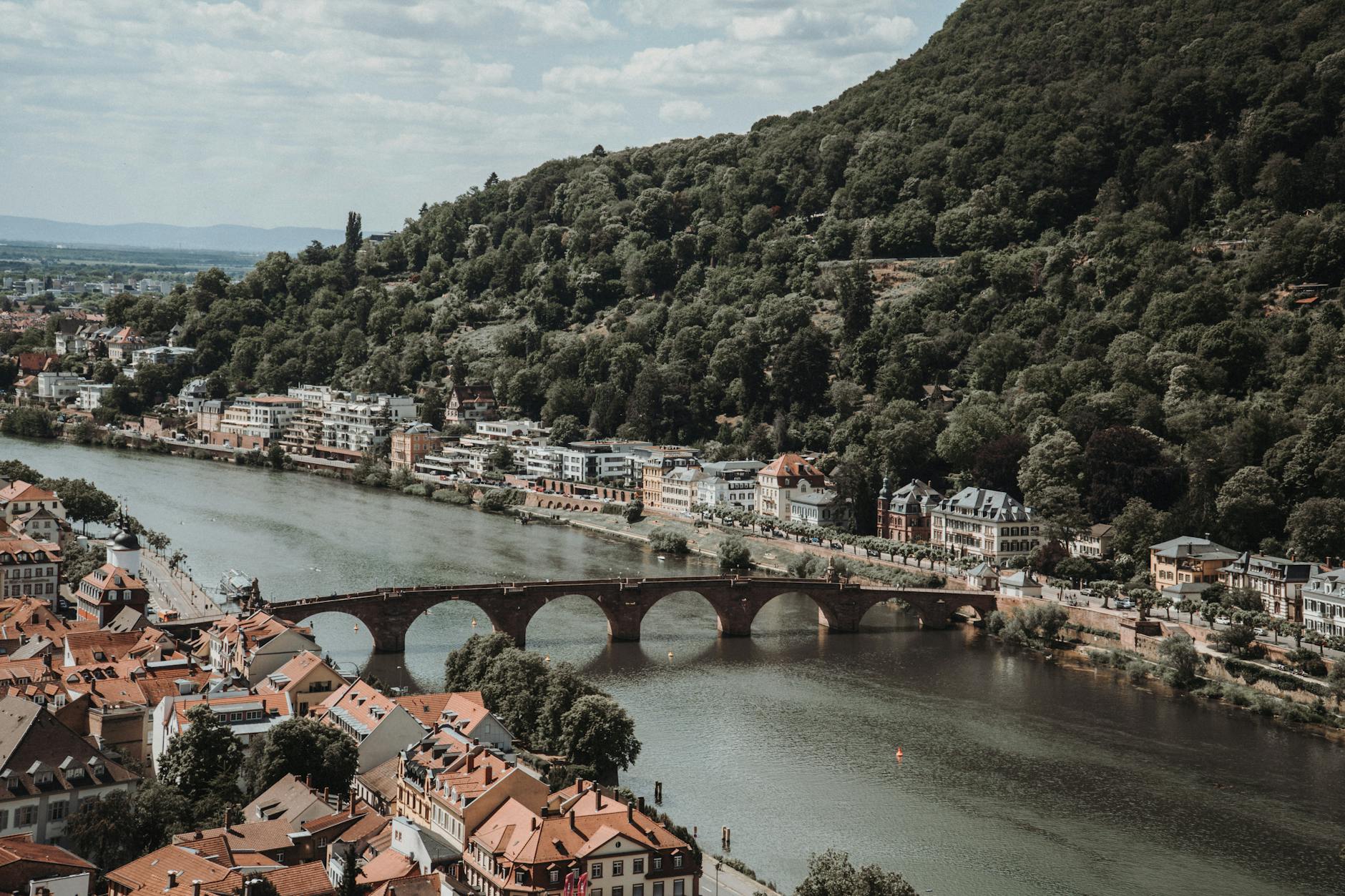
Germany is easy to underestimate because it looks so organized from the outside.
Start Here
The trains connect the big cities. The airports are practical. The roads are excellent. The old towns are photogenic. The museums are serious. The beer halls, Christmas markets, castles, forests, rivers, and Alpine villages seem to arrange themselves into an obvious itinerary.
Then the planning problems begin.
Berlin is not Munich. Hamburg is not Cologne. Saxony is not Bavaria. The Rhine is not the Black Forest. A Christmas-market trip is not the same as a summer hiking trip. A car is useful in the Alps, wine villages, and rural scenic routes, but a nuisance in Berlin or Munich. The Deutschland-Ticket is a brilliant local-and-regional tool, but it does not replace high-speed ICE travel. Germany is compact compared with Canada, Australia, or China, but it is dense enough that a rushed itinerary can turn into a blur of train platforms, hotel check-ins, and pretty towns seen at the wrong time of day.
Germany is not one travel personality. It is a federation of strong regional identities: Prussian, Bavarian, Hanseatic, Saxon, Swabian, Franconian, Rhineland, Ruhr, Baltic, Alpine, wine-country, lake-country, industrial, intellectual, musical, Protestant, Catholic, immigrant, modern, rebuilt, preserved, and still visibly shaped by the 20th century. The best Germany trip is not the one that collects the most famous names. It is the one that chooses a coherent corridor and gives it enough time.
A first Germany trip might be Berlin plus Munich and the Bavarian Alps. It might be Berlin, Dresden, and Leipzig. It might be Cologne, the Rhine, Heidelberg, and Baden-Württemberg. It might be Hamburg, Lübeck, and the Baltic coast. It might be a winter Christmas-market route. It might be a music-and-museum trip. It might be a wine route, a family rail trip, a castle road trip, or a hiking week.
What it should not be is Berlin, Hamburg, Cologne, the Rhine, Rothenburg, Nuremberg, Munich, Neuschwanstein, the Black Forest, and Dresden in seven days. That is not Germany. That is transit with scenery.
This guide is built to help you choose the right Germany: the city Germany, the medieval Germany, the museum Germany, the beer-and-bread Germany, the wine Germany, the forest-and-river Germany, the Alps Germany, the Christmas Germany, the family Germany, the no-car Germany, the road-trip Germany, and the complicated historical Germany that deserves more than postcard treatment.
Germany in one sentence: Germany is a country of strong regional identities connected by excellent transport, where the best trip comes from choosing one or two coherent corridors and letting cities, old towns, forests, rivers, food, memory, and local rhythms accumulate instead of chasing every famous place.
Quick Verdict
| Question | Answer |
|---|---|
| Best for | History, museums, cities, rail travel, Christmas markets, beer, wine, bread, classical music, design, modern architecture, castles, old towns, hiking, cycling, rivers, family travel, industrial heritage, Holocaust and Cold War history, and travelers who like structure without losing cultural depth. |
| Not ideal for | Travelers who want guaranteed sun, a cheap beach vacation, one compact capital-city trip that explains the whole country, effortless card-only travel everywhere, or a landscape where every famous place is close enough for a quick day trip. |
| Ideal first trip length | 8–10 days. Seven days works if you choose one region or two major bases. Two weeks lets Germany open up. Three weeks lets you combine north, east, west, and south without turning the trip into a checklist. |
| Best first-timer route | Berlin + Munich/Bavaria is the classic contrast. Berlin + Dresden/Leipzig is better for art, history, and eastern Germany. Cologne/Rhine + Heidelberg/Black Forest is better for castles, wine, rivers, and smaller-town atmosphere. Hamburg + Lübeck/Baltic is better for northern Germany. |
| Best months overall | May, June, September, and early October are the easiest months for broad sightseeing. July and August are lively but busier. December is excellent for Christmas markets. Winter works for city culture and Alpine trips but is darker, colder, and more closure-sensitive. |
| Biggest planning mistake | Trying to see all of Germany in one trip. The second-biggest mistake is treating map distance as travel ease while ignoring rail construction, transfer time, museum closure days, Sunday closures, hotel-event spikes, and whether you actually need a car. |
| One thing to book early | Munich hotels for Oktoberfest, hotels in major cities during trade fairs, Christmas-market weekends, popular ICE routes at peak times, Neuschwanstein tickets, Reichstag dome visits, opera/concert tickets, and top restaurants. |
| One thing to leave unscheduled | A long café stop, a beer garden, a riverside walk, an old-town wander after tour groups leave, a market hall lunch, a bakery breakfast, or an afternoon in a neighborhood that was not on your original list. |
| Best value move | Use high-speed trains for long hops and local/regional tickets for short hops. The Deutschland-Ticket can be excellent for slower regional travel, but it is not valid on ICE, IC, or EC long-distance trains. |
| Most important warning | Germany is generally easy and safe for visitors, but you should still plan around petty theft in transport hubs and crowded events, terrorism-related public-space advisories, demonstrations, train disruptions, bike lanes, weather, and Sunday/holiday closures. |
The Move
Choose your Germany by corridor, not by bucket list. A strong first trip is usually one of these: Berlin + Saxony; Berlin + Munich/Bavaria; Rhine + Moselle + Cologne; Munich + Alps + Romantic Road; Hamburg + Baltic; Black Forest + Lake Constance; or Christmas markets by rail.
Who Will Love Germany?
You will probably love Germany if you want:
- Big-city culture without giving up day-trip logistics.
- Museums, memorials, music, design, architecture, and serious historical context.
- A country where rail can do much of the heavy lifting.
- Regional food and drink: beer halls in Bavaria, wine villages on the Moselle, sourdough breads, cakes, asparagus season, Baltic fish, Swabian noodles, Franconian inns, Berlin street food, and immigrant food cultures.
- Old towns that still feel lived-in, not just staged: Regensburg, Bamberg, Lübeck, Quedlinburg, Heidelberg, Rothenburg, Görlitz, Erfurt, Freiburg, and many more.
- A trip that can combine the modern and medieval in the same week.
- Christmas markets, autumn forests, summer beer gardens, spring blossoms, or winter Alpine atmosphere.
- Travel that rewards planning but does not require private drivers and constant flights.
You may struggle with Germany if you want:
- A single obvious “must-see” route that covers the whole country.
- Beaches and hot-weather resort relaxation as the main event.
- Everything open on Sundays and public holidays.
- Shops, museums, and restaurants that always accept international credit cards.
- Spontaneous hotel availability during Oktoberfest, major trade fairs, Christmas-market weekends, or big football weekends.
- A car-free trip that still reaches every small castle, village, lake, and trailhead with no friction.
Germany is not difficult in the way some countries are difficult. It is difficult because it gives you too many plausible itineraries. The solution is not to add more. The solution is to choose harder.
Germany at a Glance
| Practical | Detail |
|---|---|
| Official name | Federal Republic of Germany. Germany is a federal country made up of 16 states, including the city-states Berlin, Hamburg, and Bremen.[6] |
| Capital | Berlin. |
| Language | German. English is widely understood in major cities, hotels, museums, train stations, and younger urban settings, but less guaranteed in rural areas, small restaurants, local offices, and older guesthouses. |
| Currency | Euro (EUR). Germany is card-friendlier than it used to be, but cash still matters. Bundesbank data for 2023 found that around half of everyday transactions were settled with banknotes and coins.[14] |
| Time zone | Central European Time, UTC+1; Central European Summer Time, UTC+2 during daylight saving time. |
| Electricity | 230V, 50Hz. Type C and Type F plugs. |
| Emergency numbers | Ambulance/fire: 112. Police: 110.[15] |
| Tap water | Generally safe to drink. Restaurants may default to bottled still or sparkling water; tap water is not always automatically served. |
| Main airports | Frankfurt (FRA), Munich (MUC), Berlin Brandenburg (BER), Düsseldorf (DUS), Hamburg (HAM), Cologne/Bonn (CGN), Stuttgart (STR). Frankfurt and Munich are the biggest long-haul hubs. |
| Main rail operator | Deutsche Bahn (DB), with long-distance ICE/IC/EC trains, regional rail, and connections to neighboring countries.[11] |
| Useful transport apps | DB Navigator / bahn.de for intercity rail and many local routes; local apps such as BVG in Berlin, MVV/MVG in Munich, HVV in Hamburg, KVB in Cologne, VRS/VRR in North Rhine-Westphalia, and VBB in Berlin-Brandenburg. |
| Visa / entry basics | Germany is in the Schengen Area. Many travelers can enter visa-free for short stays; travelers who need a Schengen visa generally use the 90-days-in-any-180-days framework. Always check passport-specific rules.[1][3] |
| Official tourism site | Germany.travel, the German National Tourist Board’s visitor site.[7] |
| UNESCO profile | Germany has 55 UNESCO World Heritage properties as listed by UNESCO.[10] |
| Driving basics | Excellent roads, but city parking can be difficult, bicycle lanes matter, many city centers have low-emission zones requiring a sticker, and long-distance public transport is often better than driving city-to-city. |
| Sunday rhythm | Most ordinary shops are closed on Sundays and public holidays, with exceptions such as train-station shops, airport shops, some bakeries, restaurants, museums, gas stations, and tourist areas. Plan groceries and shopping accordingly. |
First-Timer Mistake
Many first-time visitors ask, “Should I rent a car in Germany?” The better question is: Which parts of my trip are city-to-city, which parts are rural, and where will parking be a liability? Berlin, Hamburg, Cologne, Frankfurt, Dresden, Leipzig, and Munich do not need a car. The Romantic Road, Alpine villages, Black Forest farm stays, remote castles, and some wine-country routes may benefit from one.
2026 Visitor Notes
Schengen Rules Matter More Than “Germany Rules” for Many Visitors
Germany is part of the Schengen Area. For many non-EU travelers, the practical short-stay limit is 90 days in any 180-day period across the Schengen Area, not 90 days in Germany plus 90 days in France plus 90 days in Italy. Germany’s Federal Foreign Office distinguishes short stays of up to 90 days, generally handled through Schengen visa logic, from longer stays that require national visa planning.[1]
The move: Count your whole Schengen trip, not just Germany. If your route includes Austria, Switzerland, France, the Netherlands, Denmark, Poland, Czechia, or Italy, those days normally count toward the same Schengen allowance.
EES and ETIAS Belong in Any Current Europe Guide
The EU’s Entry/Exit System (EES) is part of Schengen border processing for non-EU short-stay travelers, registering entries and exits at participating external borders.[4] ETIAS, the EU’s travel authorization system for visa-exempt travelers, is scheduled to start in the last quarter of 2026; no action is required before the official launch.[5]
The move: Before publication or travel, re-check EES/ETIAS status on official EU pages. Do not use third-party ETIAS sites that claim to sell authorization before the official system opens.
Germany Is a Rail Country, But Not a Frictionless Rail Fantasy
Germany is one of Europe’s easiest countries to travel by train, but rail planning still matters. High-speed ICE trains are the best tool for Berlin–Munich, Frankfurt–Cologne, Hamburg–Berlin, Munich–Nuremberg, and many other long-distance routes. Regional trains are useful for shorter hops, but they can be slow for cross-country travel.
The Deutschland-Ticket costs €63 per month as of the current DB page and is valid across Germany on local public transport, but not on ICE, IC, or EC long-distance trains.[12]
The move: Use the Deutschland-Ticket for a slow regional month, city transport, day trips, and local mobility. Use ICE/IC/EC tickets or a rail pass for long-distance speed. Do not confuse them.
Seat Reservations Are Often Worth It Even When Not Mandatory
Many German long-distance trains do not require seat reservations, but that does not mean a seat is guaranteed. During holidays, Friday/Sunday peaks, summer, Christmas-market season, football weekends, and major construction periods, buy a seat reservation on important long-distance journeys.
The move: If missing comfort would hurt the day, reserve a seat. If you are traveling with children, luggage, or older relatives, reserve a seat. Saving a few euros is not worth standing in the corridor between Berlin and Munich.
Oktoberfest Requires Hotel Discipline
Munich’s official Oktoberfest site lists the 2026 festival dates as September 19 to October 4 on the Theresienwiese.[22] Munich hotel prices can spike dramatically around Oktoberfest, major fairs, and big football events.
The move: If you want Oktoberfest, plan Munich first and build the trip around it. If you do not want Oktoberfest, avoid sleeping in Munich during those dates unless there is a strong reason.
Neuschwanstein Is Not a Spontaneous Castle Errand in Peak Season
Neuschwanstein Castle lists 2026 admission at €21 regular / €20 reduced on the official castle page, and official ticket channels should be used for timed-entry planning.[23][24]
The move: If Neuschwanstein matters, book an official timed ticket and plan the transport. If you are not castle-obsessed, consider whether it deserves a full day compared with Munich, the Alps, Herrenchiemsee, Nymphenburg, Würzburg Residence, or less-crowded regional sights.
Cash Still Belongs in Your Wallet
Card acceptance is much better than it used to be, but Germany remains more cash-attached than many visitors expect. The Bundesbank’s 2023 payment-behavior study found cash remained the most frequently used point-of-sale payment method by transaction count.[14]
The move: Use cards where convenient, but carry enough euro cash for bakeries, market stalls, small restaurants, tips, lockers, rural guesthouses, old-school cafés, and places with card-minimum policies.
Environmental Zones Can Surprise Drivers
Many German cities have low-emission zones. The Federal Environment Ministry explains that stickers are required only for vehicles entering these zones, are not needed simply to cross the German border, and are valid for all low-emission zones in Germany.[20]
The move: If renting a car in Germany, the sticker is usually already on the vehicle if needed. If driving a foreign vehicle into German city centers, order or obtain the correct sticker before entering an Umweltzone.
How to Understand Germany
Germany is easier when you stop treating it as one national experience and start reading it through regions, rail corridors, and historical layers.
The Six Germanys a Visitor Actually Plans Around
| Germany | Where you feel it | What it gives you |
|---|---|---|
| The big-city Germany | Berlin, Hamburg, Munich, Cologne, Frankfurt, Düsseldorf, Stuttgart, Leipzig | Museums, nightlife, modern history, design, shopping, restaurants, transit, immigrant food, music, galleries, and urban neighborhoods. |
| The old-town Germany | Bamberg, Rothenburg, Regensburg, Heidelberg, Lübeck, Quedlinburg, Erfurt, Görlitz, Freiburg, Trier | Half-timbered houses, medieval street plans, churches, squares, breweries, rivers, local inns, and photo-friendly historic cores. |
| The river-and-wine Germany | Rhine, Moselle, Ahr, Franconia, Baden, Pfalz, Saale-Unstrut | Castles, vineyards, boat trips, hiking, wine taverns, hill towns, cycling paths, and slower villages. |
| The Alpine and lake Germany | Munich, Bavarian Alps, Allgäu, Garmisch-Partenkirchen, Berchtesgaden, Lake Constance | Mountains, castles, lakes, hiking, skiing, spa towns, cable cars, beer gardens, and postcard Bavaria. |
| The northern Germany | Hamburg, Bremen, Lübeck, North Sea, Baltic Sea, Wadden Sea, Mecklenburg lake district | Hanseatic history, ports, islands, fish, brick Gothic architecture, beaches, marshes, wind, and big skies. |
| The memory-and-modernity Germany | Berlin, Nuremberg, Weimar, Munich, Dachau, Leipzig, Dresden, Cologne, Ruhr | Holocaust and WWII sites, Cold War history, industrial heritage, rebuilding, contemporary culture, and Germany’s difficult public memory work. |
The Country’s Layout
Germany sits in the middle of Europe, touching Denmark to the north; Poland and Czechia to the east; Austria and Switzerland to the south; and France, Luxembourg, Belgium, and the Netherlands to the west. Germany.travel summarizes the country’s landscapes as stretching from the North Sea and Baltic coasts in the north to the Alps in the south, with rivers, lakes, forests, uplands, and urban centers between.[8]
That geography creates several practical route corridors:
- North-south spine: Hamburg/Berlin/Leipzig/Nuremberg/Munich, or Hamburg/Frankfurt/Stuttgart/Munich.
- Western river spine: Cologne, Rhine, Moselle, Mainz, Frankfurt, Heidelberg.
- Eastern culture spine: Berlin, Potsdam, Dresden, Leipzig, Weimar, Erfurt.
- Southern scenic spine: Munich, Nuremberg, Würzburg, Rothenburg, Füssen, Garmisch-Partenkirchen, Berchtesgaden.
- Southwest nature spine: Frankfurt/Stuttgart, Heidelberg, Baden-Baden, Black Forest, Freiburg, Lake Constance.
- Northern coastal spine: Hamburg, Bremen, Lübeck, Kiel, Baltic towns, North Sea islands.
Local Logic
Germany is orderly, but not always convenient in the way visitors expect.
Trains can be excellent and still delayed. Museums can be world-class and still closed on a Monday. A restaurant can have great food and still not accept your card. A small town can be beautiful and dead after 6 p.m. on a Sunday. A train ticket can be valid only for one route or flexible across many routes depending fare type. A regional ticket can be fantastic value but painfully slow if you use it for a long-distance journey. A castle can be famous and still require a timed ticket, a shuttle, a climb, and a weather plan.
Germany rewards the traveler who understands systems. Learn the rail categories. Learn Sunday closures. Learn how bakeries, cash, bike lanes, restaurant reservations, museum days, and regional food work. Once those systems click, the country becomes much easier.
The Country’s Rhythm
- Mornings: Bakeries open early; museums and shops often open around 10; commuter trains are busy.
- Lunch: Many restaurants serve lunch from roughly noon to 2 or 3; casual food and bakeries fill gaps.
- Afternoon: Coffee-and-cake culture is real. Museums, shopping streets, beer gardens, parks, and old-town walks are strong.
- Evening: Dinner is often earlier than in southern Europe but later in big cities. Book popular restaurants.
- Sunday: Ordinary retail largely closes. Museums, restaurants, cafés, station shops, and tourist sites vary. Sunday is excellent for parks, brunch, museums, river walks, churches, and slower neighborhoods.
- Holidays: Public holidays can shut shops and crowd trains. School holidays are staggered by state, so crowds vary regionally.
- Strikes and construction: Rail and airport disruption happens. Build buffer for important flights and international connections.
Central Contrasts
Germany is compelling because its contrasts are not superficial:
- Order vs improvisation: rules, systems, and bureaucracy beside experimental art, nightlife, and immigrant food cultures.
- Memory vs daily life: memorials, museums, and visible history inside cities that also shop, party, work, and commute.
- Federal identity vs national identity: Bavaria, Saxony, Hamburg, and the Rhineland can feel as different as separate countries in rhythm and self-image.
- Industry vs nature: the Ruhr’s industrial heritage and Stuttgart’s engineering culture coexist with forests, river valleys, and national parks.
- Modern reconstruction vs historic survival: many cities were rebuilt after WWII; others preserve old urban fabric in ways that require historical context.
- Beer vs wine: Germany is not just beer halls. The Moselle, Rhine, Franconia, Baden, Pfalz, and Württemberg are essential food-and-drink regions.
Choose Your Germany: Main Route Families
A good Germany guide should help readers choose a route before listing places. Germany does not need a “top 30 places” plan. It needs sequencing.
1. Classic First Germany: Berlin + Munich/Bavaria
Best for: First-time visitors who want modern history, museums, big-city culture, beer gardens, castles, and Alpine scenery.
Core route: Berlin → Munich → Bavarian Alps / Neuschwanstein / Nuremberg / Salzburg add-on if extending internationally.
Ideal length: 8–10 days.
Why it works: Berlin and Munich are strong contrasts. Berlin gives 20th-century history, museums, nightlife, and contemporary culture. Munich gives Bavarian food, beer gardens, polished museums, and access to the Alps.
Weakness: It can flatten Germany into “Berlin plus Bavaria,” ignoring the west, north, Rhine, and Saxony.
2. Berlin + Saxony + Thuringia
Best for: Art, architecture, Cold War history, music, literature, design, and visitors who want a more culturally layered trip than the standard Bavaria route.
Core route: Berlin → Potsdam → Dresden → Saxon Switzerland → Leipzig → Weimar/Erfurt.
Ideal length: 8–12 days.
Why it works: Shorter distances, strong rail links, huge historical depth, and a better feel for eastern Germany.
Weakness: Less Alpine scenery and fewer “fairytale Bavaria” images.
3. Rhine, Moselle, Cologne, and Heidelberg
Best for: Castles, wine, rivers, cathedrals, romantic towns, slow travel, and first-timers who want smaller places without losing rail access.
Core route: Cologne → Rhine Valley → Moselle → Mainz/Frankfurt → Heidelberg.
Ideal length: 7–10 days.
Why it works: The Rhine and Moselle are some of Germany’s best mixed scenery: trains, boats, vineyards, castles, cathedrals, and walkable towns.
Weakness: Not the best route if you want Berlin, big museums, or Alpine drama.
4. Munich, Romantic Road, Franconia, and the Alps
Best for: Bavaria, beer, old towns, castles, family travel, scenic road trips, and classic photography.
Core route: Munich → Nuremberg → Bamberg/Würzburg → Rothenburg → Füssen/Neuschwanstein → Garmisch-Partenkirchen or Berchtesgaden.
Ideal length: 8–12 days.
Why it works: It delivers the Germany many first-timers imagine, but with better food, history, and regional context if paced properly.
Weakness: It can become overly touristy if you only chase Rothenburg and Neuschwanstein.
5. Hamburg, Lübeck, Bremen, and the Northern Coast
Best for: Maritime culture, architecture, design, ports, fish, brick Gothic towns, islands, and travelers who already know southern Germany.
Core route: Hamburg → Lübeck → Baltic coast or North Sea coast → Bremen / Schwerin / Kiel / Wadden Sea.
Ideal length: 7–10 days.
Why it works: Northern Germany feels different from the country’s castle-and-Alps image: water, brick, wind, ports, and Hanseatic history.
Weakness: Weather can be changeable, and it is not the route for Alpine landscapes.
6. Black Forest, Baden-Württemberg, and Lake Constance
Best for: Forests, spa towns, wine, hiking, old university towns, engineering culture, and a slower southwest trip.
Core route: Frankfurt or Stuttgart → Heidelberg → Baden-Baden → Black Forest → Freiburg → Lake Constance.
Ideal length: 8–12 days.
Why it works: Strong combination of train-friendly cities and nature. Good for couples, road-trippers, hikers, and food travelers.
Weakness: The Black Forest is larger and less simple to reach than first-timers assume. Do not treat it as a quick Munich day trip.
7. Christmas Market Germany
Best for: Winter atmosphere, old towns, seasonal food, crafts, lights, and cold-weather travelers.
Core route ideas: Cologne/Aachen/Trier; Frankfurt/Würzburg/Nuremberg/Rothenburg/Munich; Berlin/Dresden/Leipzig; Hamburg/Lübeck/Bremen.
Ideal length: 5–10 days.
Why it works: Germany is one of the world’s great Christmas-market destinations.
Weakness: Weekends can be crowded, hotels spike, weather is cold/dark/wet, and markets are not all equal. Do not build the entire trip around shopping stalls; pair markets with museums, concerts, churches, and food.
8. Germany by Music, Museums, and Memory
Best for: Serious culture travelers.
Core route: Berlin → Leipzig → Weimar → Dresden → Munich/Nuremberg, or Berlin → Hamburg → Cologne → Bonn.
Ideal length: 10–14 days.
Why it works: Germany’s cultural history is deep: Bach, Beethoven, Wagner, Bauhaus, expressionism, modernism, Jewish history, Reformation, Cold War, WWII, and contemporary art.
Weakness: It requires emotional pacing. Do not stack multiple heavy memorial sites in one day.
Best Time to Visit Germany
Germany is a year-round destination, but the best time depends heavily on route and trip style.
Best Overall Months
May and June are excellent for first-time trips: long days, gardens, outdoor dining, hiking lower elevations, and fewer crowds than peak summer.
September and early October are often the best all-purpose period: harvest season, wine festivals, comfortable walking, late-summer warmth in some regions, and the beginning of autumn color.
December is special for Christmas markets, concerts, lights, winter food, and city atmosphere. It is not the best month for hiking, rural sightseeing, or long daylight.
July and August are lively, green, and festival-rich, but busier, warmer, more expensive in popular areas, and affected by school-holiday travel.
Season-by-Season
| Season | What to expect | Best for | Watch out for |
|---|---|---|---|
| Spring: March–May | Variable weather, blossoms, asparagus season, reopening of outdoor life, some rain. | Cities, museums, gardens, Rhine/Moselle, early hiking, lower crowds. | March can be gray; Easter closures/crowds; Alpine trails may still have snow. |
| Summer: June–August | Long days, festivals, beer gardens, warm weather, busy trains and sights. | Outdoor dining, lakes, hiking, cycling, family travel, northern coast. | Heatwaves, thunderstorms, school holidays, crowds in Bavaria and top old towns. |
| Autumn: September–November | Wine harvest, comfortable early autumn, forests turning color, later gray weather. | Wine regions, cities, hiking, Rhine, Black Forest, culture. | Oktoberfest crowds/prices in Munich, shorter days by November, unpredictable weather. |
| Winter: December–February | Christmas markets in December; cold, dark, museum-friendly months; snow possible in Alps. | Christmas markets, concerts, museums, Alpine skiing, cozy city trips. | Holiday closures, icy sidewalks, limited daylight, rural slow season, train disruptions in winter weather. |
Month-by-Month Guide
| Month | Verdict |
|---|---|
| January | Quiet after New Year. Good for museums, city culture, winter deals, and Alpine skiing. Not ideal for first-time scenic routes unless winter atmosphere is the point. |
| February | Still cold and gray in many regions. Good for Carnival in the Rhineland if you plan around it; good for museums and lower hotel prices. |
| March | Transitional. Some spring energy, but weather can be raw. Good for city trips and lower crowds; weak for hiking and gardens early in the month. |
| April | Variable but improving. Easter affects closures and domestic travel. Spring flowers and outdoor life return. Pack layers and rain gear. |
| May | One of the best months. Long days, mild weather, gardens, hiking at lower elevations, beer gardens, and manageable crowds. Public holidays can create long weekends. |
| June | Excellent for broad travel. Longest days, outdoor culture, river trips, hiking, and festivals. Book popular trains and hotels on weekends. |
| July | Peak summer. Good for northern coasts, lakes, festivals, and families. Watch crowds, heat, and school holidays. |
| August | Warm, busy, and holiday-heavy. Good for outdoor trips but less ideal if you dislike crowds. Some city restaurants may take summer breaks. |
| September | One of the best months. Wine harvest, comfortable weather, strong city and countryside balance. Munich becomes expensive around Oktoberfest. |
| October | Early October can be excellent; later October is more autumnal and unpredictable. Good for museums, food, forests, wine, and city breaks. |
| November | Underrated for museums and lower prices, but often gray. Christmas markets usually begin late in the month. Not the best for scenic-first trips. |
| December | Christmas markets, concerts, lights, winter food, and city atmosphere. Book hotels early and expect cold/dark days. Excellent if the season is the purpose. |
Rain Plan
Germany is one of the easiest countries in Europe for a rainy day because its indoor culture is strong. Swap hiking, castles, and river views for museums, churches, market halls, cafés, thermal baths, bookstores, opera/concerts, palaces, Bauhaus sites, covered food markets, and long lunches.
Heat Plan
Summer heatwaves are increasingly relevant. Choose hotels with air conditioning if visiting major cities in July or August. Not every older hotel or apartment has effective cooling. Plan museums or shaded parks for midday and schedule old-town walks in the morning or evening.
How Many Days You Need
The Honest Answer
You need 8–10 days for a strong first Germany trip and two weeks for a genuinely varied one. Five days should be treated as one city plus one nearby region. Germany punishes overconfidence less dramatically than huge countries, but rushed routing still makes the trip worse.
| Length | What it feels like |
|---|---|
| 3 days | One city only: Berlin, Munich, Hamburg, Cologne/Rhine, or Dresden/Leipzig. Do not pretend this is a Germany trip. |
| 5 days | One city plus day trips, or one compact regional route. Good for Berlin + Potsdam, Munich + one castle/Alps day, Cologne + Rhine, or Hamburg + Lübeck. |
| 7 days | One strong region or two major bases. Berlin + Dresden; Munich + Bavaria; Rhine + Moselle; Hamburg + Lübeck/Bremen; Frankfurt/Heidelberg/Black Forest. |
| 8–10 days | Best first-timer range. Allows Berlin + Munich, Rhine + Bavaria, Berlin + Saxony, or a thoughtful Christmas-market route. |
| 14 days | Ideal for contrast: Berlin + Saxony + Bavaria; Hamburg + Berlin + Munich; Rhine + Black Forest + Bavaria; Berlin + Rhine + Munich. |
| 3 weeks | Lets you travel Germany properly: north, east, west, south, cities, small towns, and nature without constant one-night stays. |
Itinerary Philosophy
A good Germany itinerary usually has:
- Two or three major bases, not six.
- One big travel move every two or three days, not every morning.
- One regional theme, such as Bavaria, river-and-wine Germany, eastern culture, northern coast, or Christmas markets.
- A buffer day before important flights, events, or international train connections.
- One heavy history day followed by something lighter, especially around Holocaust, Nazi, Cold War, or memorial sites.
The Move
If you only have a week, choose between Berlin + Saxony, Munich + Bavaria, Rhine + Moselle, or Hamburg + Lübeck/Baltic. Do not attempt all four.
Where to Go: Regions, Cities, and Trip Roles
Germany is best understood by trip function. Some places are bases. Some are day trips. Some are better in December. Some are better by car. Some are famous but less essential than they seem.
Berlin
Role: Best capital city, modern history, museums, nightlife, contemporary culture, Cold War and WWII memory.
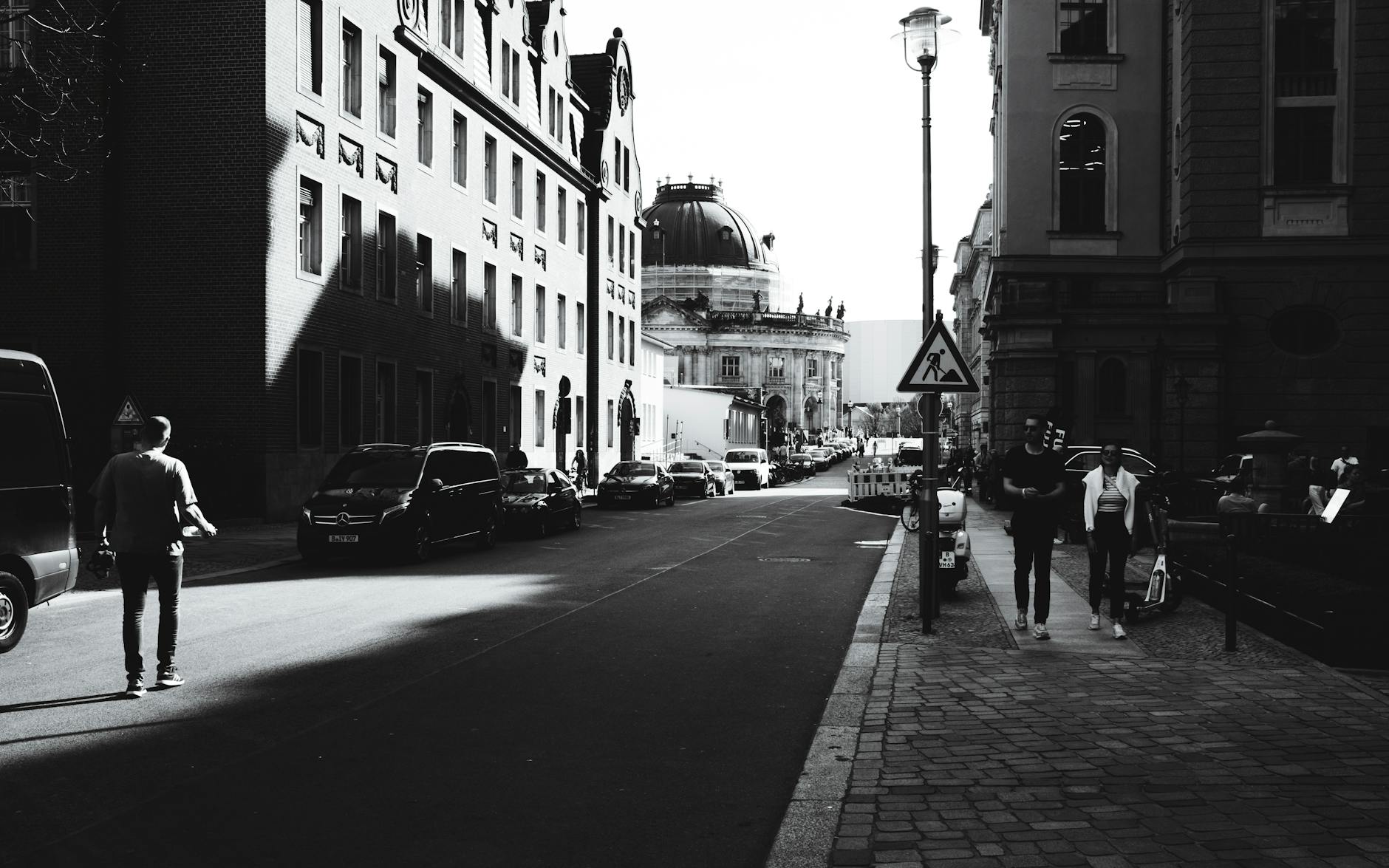
Berlin is not Germany’s prettiest city, and that is not the point. It is layered, large, raw in parts, creative in others, politically central, historically heavy, and still shaped by division and reunification. It gives you Museum Island, the Reichstag, Brandenburg Gate, Berlin Wall sites, Jewish history, memorials, galleries, parks, street food, clubs, cafés, and neighborhoods that feel very different from one another.
Best for: First-timers, history, museums, nightlife, art, design, politics, solo travelers, LGBTQ+ travelers, food variety.
How long: 3–5 days for a first visit.
Pairs well with: Potsdam, Dresden, Leipzig, Hamburg, Prague, or Munich by high-speed train.
Common mistake: Treating Berlin as a quick two-day stop. The city needs time, especially if you want museums and historical context.
Munich and Upper Bavaria
Role: Bavarian capital, beer gardens, art museums, Alpine gateway, polished city base.
Munich is often caricatured as beer halls and lederhosen, but it is richer than that: major museums, elegant neighborhoods, parks, markets, palaces, and excellent access to the Alps. It is also expensive and deeply affected by Oktoberfest timing.
Best for: Bavaria, beer gardens, art, families, day trips, Alpine access, Christmas markets, first-timers.
How long: 3–5 days, longer if using it as a base for Alps and castles.
Pairs well with: Nuremberg, Salzburg, Garmisch-Partenkirchen, Füssen/Neuschwanstein, Berchtesgaden, Regensburg.
Common mistake: Sleeping in Munich and taking too many long day trips instead of spending at least one night in the mountains or smaller Bavarian towns.
Hamburg
Role: Germany’s great northern city: port, water, design, nightlife, music, and maritime culture.
Hamburg feels distinct from Berlin and Munich. It is wealthier, more water-oriented, more maritime, and more northern in temperament. Its harbor, Speicherstadt, Elbphilharmonie, canals, neighborhoods, markets, and nightlife make it one of Germany’s strongest city breaks.
Best for: Architecture, water, design, food halls, music, nightlife, port culture, northern Germany.
How long: 2–4 days.
Pairs well with: Lübeck, Bremen, North Sea, Baltic coast, Berlin.
Common mistake: Treating Hamburg as just a transit city. It deserves real time.
Cologne and the Rhine
Role: Cathedral city, Rhineland culture, river gateway, Christmas-market base.
Cologne is not as polished as Munich or as edgy as Berlin, but it has one of Europe’s great cathedrals, a warm local identity, major museums, beer-hall culture around Kölsch, and excellent access to the Rhine. The Rhine between Bingen/Rüdesheim and Koblenz is the classic castle-and-vineyard stretch.
Best for: Cathedrals, river trips, Christmas markets, carnival, museums, wine nearby, rail logistics.
How long: 2 days for Cologne; 3–5 days with Rhine/Moselle.
Pairs well with: Bonn, Düsseldorf, Aachen, Moselle, Frankfurt, Heidelberg.
Common mistake: Only seeing the cathedral and leaving. Cologne is more enjoyable when treated as a living Rhineland city.
Frankfurt and the Main/Rhine Gateway
Role: Air hub, banking city, underrated museum base, gateway to Rhine, Moselle, Heidelberg, Würzburg.
Frankfurt is often dismissed because it is a business hub, but it can be useful and interesting: museums along the river, reconstructed old-town core, excellent transport, international food, and quick access to wine and river regions.
Best for: Arrival/departure logistics, museums, business travelers, one-night stopovers, Rhine/Heidelberg/Würzburg connections.
How long: 1–2 days if using it as a hub; more if museum-focused.
Pairs well with: Mainz, Wiesbaden, Rüdesheim, Heidelberg, Würzburg, Cologne.
Common mistake: Staying at the airport for convenience when the city center would be more pleasant and still easy.
Dresden and Saxony
Role: Baroque city, art collections, rebuilt beauty, Saxon Switzerland gateway.
Dresden is one of Germany’s most important art-and-architecture cities. It is beautiful, complicated, and historically loaded because of wartime destruction and reconstruction. Nearby Saxon Switzerland adds dramatic sandstone landscapes.
Best for: Art, architecture, history, river landscapes, eastern Germany, Christmas markets.
How long: 2–4 days with nearby sights.
Pairs well with: Berlin, Leipzig, Görlitz, Saxon Switzerland, Prague.
Common mistake: Seeing only the reconstructed center without acknowledging the city’s broader context and neighborhoods.
Leipzig
Role: Music, books, contemporary culture, alternative energy, and eastern Germany’s lively second city.
Leipzig is less monumental than Dresden and less overwhelming than Berlin. It has Bach, Mendelssohn, music history, galleries, student energy, cafés, lakes, and strong rail connections.
Best for: Music lovers, contemporary culture, cafés, second-time visitors, Berlin add-ons.
How long: 1–3 days.
Pairs well with: Berlin, Dresden, Weimar, Erfurt.
Common mistake: Skipping it because it is not as famous as Dresden.
Nuremberg and Franconia
Role: Medieval city, Nazi history, Christmas market, Franconian food/beer, route bridge between Munich and northern Bavaria.
Nuremberg combines old-town atmosphere with some of Germany’s most serious 20th-century memory sites. It is also a strong base for Bamberg, Würzburg, and smaller Franconian towns.
Best for: History, Christmas markets, families, food, beer, medieval atmosphere, serious WWII/Nazi-era context.
How long: 2–3 days; more with Franconia.
Pairs well with: Munich, Bamberg, Würzburg, Rothenburg, Regensburg.
Common mistake: Treating it only as a Christmas market or transit stop.
Heidelberg
Role: Romantic university town, castle views, Neckar River, southwest gateway.
Heidelberg is famous for good reason: river, castle, old bridge, student atmosphere, and a classic old-town setting. It is also heavily touristed.
Best for: First-timers, couples, old-town atmosphere, Rhine/Black Forest route.
How long: 1–2 days.
Pairs well with: Frankfurt, Mannheim, Speyer, Baden-Baden, Black Forest.
Common mistake: Visiting only midday with crowds. Early morning and evening are better.
Black Forest and Freiburg
Role: Forests, hikes, spa towns, farmhouses, cakes, wine, and southwest nature.
The Black Forest is not one village. It is a large region with valleys, trails, spa towns, scenic rail lines, farm stays, lakes, waterfalls, and Freiburg as a strong southern base. Germany.travel highlights both Black Forest National Park and the wider Black Forest biosphere region as nature-focused destinations.[28][29]
Best for: Hiking, road trips, slow travel, spas, families, couples, wine, nature.
How long: 3–5 days.
Pairs well with: Heidelberg, Stuttgart, Baden-Baden, Freiburg, Lake Constance, Alsace.
Common mistake: Assuming “Black Forest” is a quick checklist attraction.
Romantic Road and Rothenburg ob der Tauber
Role: Scenic old-town route, Bavaria/Franconia road trip, fairytale imagery.
The Romantic Road is Germany’s oldest and best-known holiday route, running from Würzburg to Füssen through medieval towns, churches, countryside, Rothenburg, and near Neuschwanstein.[27]
Best for: Road trips, families, castles, medieval towns, first-time fairytale Germany.
How long: 2–5 days depending pace.
Pairs well with: Würzburg, Rothenburg, Dinkelsbühl, Augsburg, Füssen, Munich.
Common mistake: Seeing only Rothenburg as a crowded midday stop. Sleep in or near one of the towns if this route matters.
Bavarian Alps, Füssen, Garmisch-Partenkirchen, and Berchtesgaden
Role: Mountains, lakes, castles, hiking, cable cars, Alpine villages.
Southern Bavaria is the place for Germany’s most familiar postcard landscapes. But the Alps are weather-dependent. Cable-car plans, mountain hikes, and lake views should be flexible.
Best for: Hiking, families, scenery, castles, photography, summer and winter trips.
How long: 3–7 days depending how outdoor-focused you are.
Pairs well with: Munich, Salzburg, Innsbruck, Romantic Road, Lake Constance.
Common mistake: Forcing Neuschwanstein, Garmisch, Berchtesgaden, and Salzburg into a few day trips from Munich.
The Ruhr and Industrial Heritage
Role: Industrial culture, design, museums, football, modern urban Germany.
The Ruhr is not the Germany of half-timbered postcards. It is one of Europe’s great industrial regions, now full of repurposed mines, cultural venues, museums, football passion, and immigrant food. It works best for repeat visitors or people interested in industrial heritage.
Best for: Industrial history, architecture, football, contemporary culture, repeat visitors.
How long: 2–4 days.
Pairs well with: Düsseldorf, Cologne, Essen, Dortmund, Duisburg, Aachen.
Common mistake: Ignoring it because it does not look like a fairytale.
The Baltic and North Sea Coasts
Role: Beaches, islands, dunes, brick Gothic towns, wind, seafood, Hanseatic history.
Northern Germany’s coast is underappreciated by many international visitors. The Baltic has resort towns, islands, piers, and gentler beach culture. The North Sea offers tides, islands, mudflats, Wadden Sea nature, and a wilder maritime feel.
Best for: Summer, families, cycling, slow travel, northern culture, seafood.
How long: 3–7 days.
Pairs well with: Hamburg, Lübeck, Bremen, Schwerin, Kiel, Rostock.
Common mistake: Expecting Mediterranean beach weather.
Where to Stay
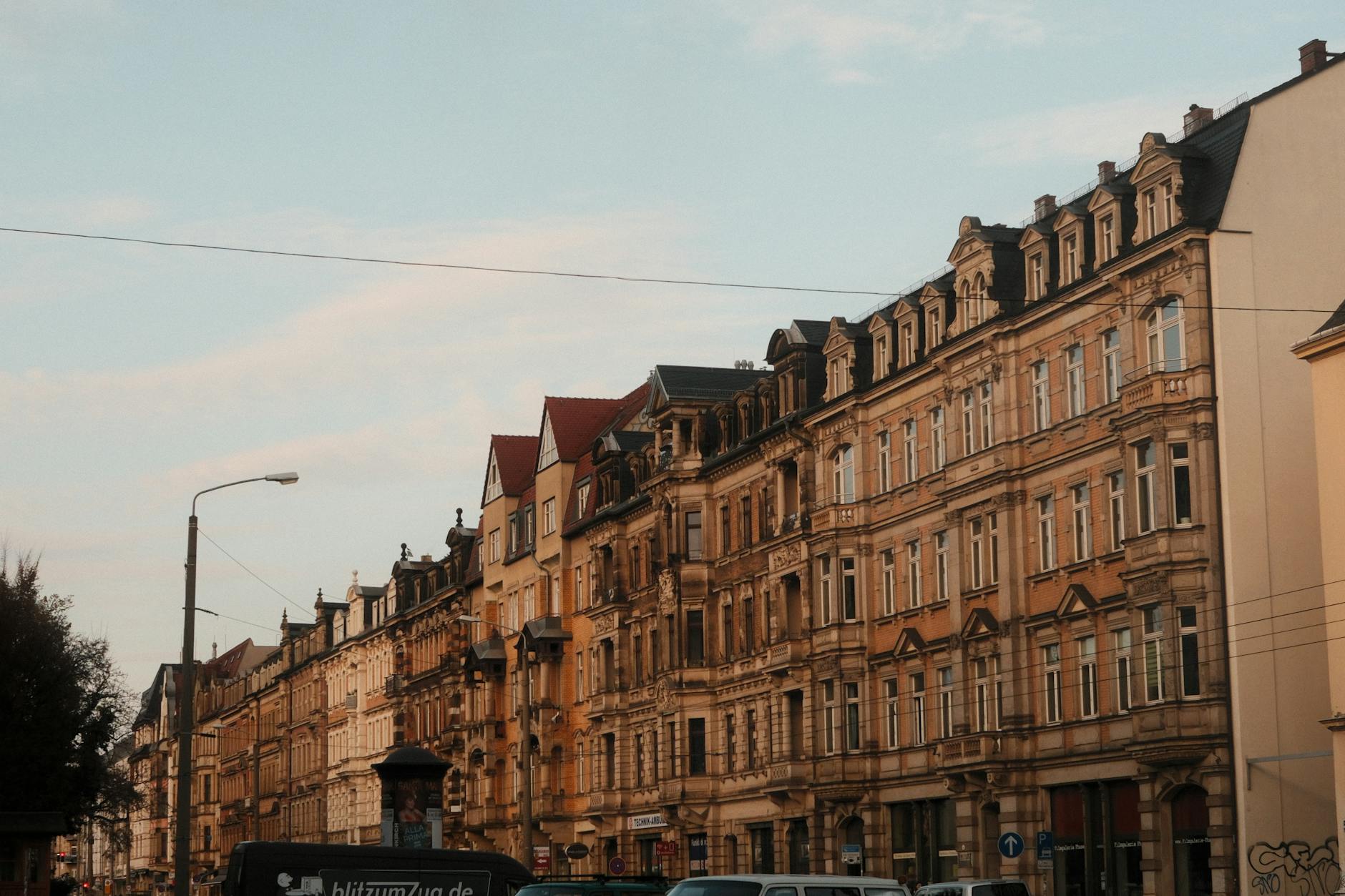
Germany is generally easy for lodging, but your base matters. Train-station proximity can save hours; old-town hotels can be atmospheric but noisy or stair-heavy; rural guesthouses can be charming but less flexible; and hotels in business cities can spike around trade fairs.
The Short Answer
- First time with no car: Stay near major train stations or central transit nodes in Berlin, Munich, Hamburg, Cologne, Dresden, Leipzig, Nuremberg, or Frankfurt.
- Romantic small-town trip: Sleep inside the old town at least once, but check parking, stairs, noise, and luggage access.
- Bavaria and Alps: Combine Munich with at least one mountain or smaller-town overnight if scenery matters.
- Rhine/Moselle: Sleep in a river town, not only in Cologne or Frankfurt.
- Black Forest: Choose a base by transport or trail access, not by vague region name.
- Christmas markets: Stay within walking distance of markets or transit, but avoid rooms directly above noisy squares if you are a light sleeper.
Base Decision Tree
| You want... | Base yourself in... |
|---|---|
| Big-city history and nightlife | Berlin |
| Bavaria, art museums, beer gardens, Alps access | Munich |
| Northern Germany and design/port culture | Hamburg |
| Rhine, cathedral, Christmas markets | Cologne |
| Air hub plus Rhine/Heidelberg/Würzburg | Frankfurt or Mainz |
| Baroque art and Saxony | Dresden |
| Music, cafés, eastern Germany | Leipzig |
| Franconia and Christmas markets | Nuremberg, Bamberg, or Würzburg |
| Romantic southwest | Heidelberg or Freiburg |
| Black Forest | Freiburg, Baden-Baden, Gengenbach, Triberg area, Titisee area, or a farm stay based on your route |
| Alps and castles | Füssen, Garmisch-Partenkirchen, Mittenwald, Berchtesgaden, Oberammergau, or Munich for shorter day trips |
| No-car Rhine travel | Mainz, Bacharach, St. Goar, Koblenz, Cochem, Trier |
| Baltic coast | Lübeck, Rostock/Warnemünde, Stralsund, Rügen, Usedom |
Lodging Types
City hotels: Reliable, practical, and often close to stations. Room size varies. Air conditioning is not guaranteed in older or budget properties.
Boutique hotels: Strong in Berlin, Munich, Hamburg, Cologne, Frankfurt, Leipzig, and many smaller towns.
Gasthäuser and inns: Excellent in smaller towns and rural regions. Often family-run. Check check-in times, restaurant closing days, stairs, and language support.
Pensions and guesthouses: Good value, especially in older towns and resort areas. Expect fewer services.
Apartments: Useful for families and longer stays. Check legality, stairs, kitchen equipment, quiet hours, and whether the host is responsive.
Spa hotels: Common in Baden-Baden, Bavarian resort towns, Black Forest, and wellness areas.
Mountain hotels/huts: Great for hikers, but book early and understand weather, trail access, and gear expectations.
Hostels: Germany has strong hostel infrastructure in cities and popular towns.
Booking Mistakes
- Booking outside a city to save money, then losing an hour each day.
- Staying near a station without checking whether the area is pleasant at night.
- Booking old-town lodging without checking parking and elevator access.
- Ignoring air conditioning in July/August city trips.
- Booking Munich during Oktoberfest by accident.
- Booking Frankfurt, Cologne, Düsseldorf, Hannover, or Munich during a major trade fair without noticing prices.
- Assuming breakfast is included.
- Assuming small inns allow late check-in.
- Booking a rural stay without a car when buses are limited.
- Choosing a hotel near “the castle” or “the old town” without checking whether the train station is actually convenient.
Best Things to Do
Germany’s best experiences are not all famous attractions. The strongest trips combine cities, regional food, memorials, old towns, trains, rivers, music, parks, forests, and everyday routines.
1. Spend Real Time in Berlin’s Historical Layers
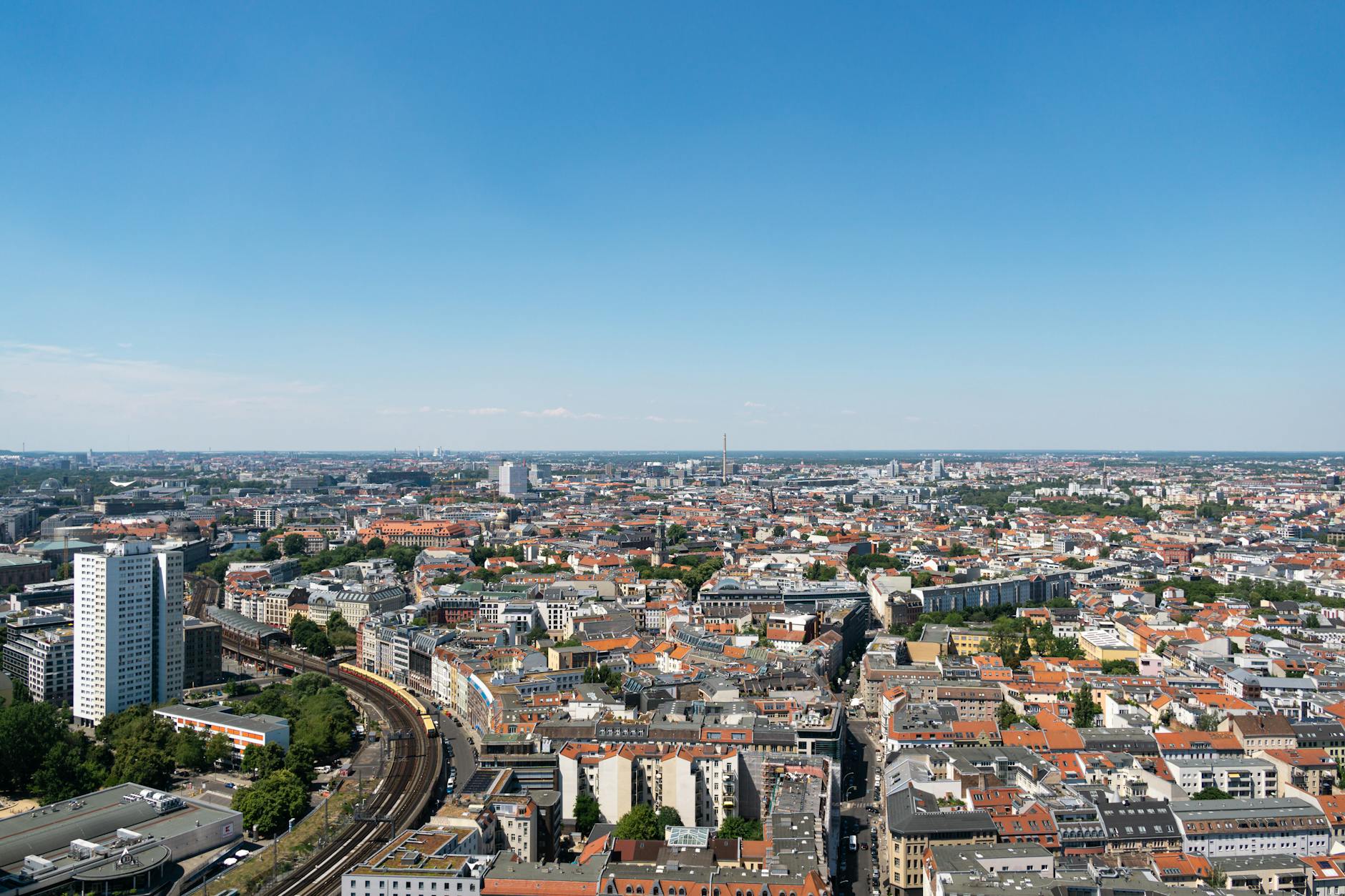
Berlin is essential because it puts Germany’s 20th century in front of you: imperial fragments, Weimar modernism, Nazi terror, WWII destruction, Cold War division, reunification, and contemporary identity.
Best for: First-timers, history, museums, politics, nightlife, art.
Time needed: 3–5 days.
Book ahead: Reichstag dome, major exhibitions, popular restaurants, club/event tickets where relevant.
Pair it with: Potsdam, Dresden, Leipzig, Hamburg, or Munich.
Worth it? Yes, but do not rush it. Berlin is not a one-day capital.
2. Use Museum Island as a Cultural Anchor
Museum Island in Berlin is a UNESCO World Heritage ensemble of museum buildings constructed between 1824 and 1930 and recognized for its historical and artistic significance.[25]
Best for: Art, archaeology, architecture, rainy days, first-time Berlin.
Time needed: Half-day to two days depending museum interest.
Common mistake: Trying to see every major museum in one day.
3. Take a Rhine or Moselle River Trip
The Rhine and Moselle are not just scenic water. They are route systems: castles, trains, vineyards, medieval towns, hiking trails, wine taverns, boat stops, and cathedral cities. Germany.travel describes the Rhine-Romantic Route as a stretch from Cologne to Mainz with castles, palaces, wine villages, and multiple wine-growing regions.[30]
Best for: First-timers, wine, couples, slow travel, photography, older travelers, rail travelers.
Time needed: 2–5 days.
The move: Sleep in a river town and take a morning or late-afternoon walk when day-trippers are gone.
4. See Bavaria Beyond Neuschwanstein
Neuschwanstein is famous, but Bavaria is much more: Munich, Nuremberg, Bamberg, Würzburg, Regensburg, Garmisch-Partenkirchen, Berchtesgaden, lakes, beer gardens, churches, palaces, and mountain villages. Germany.travel frames Bavaria as a region of small towns, cities, lakes, peaks, outdoor activities, UNESCO sites, and cultural attractions.[26]
Best for: First-timers, families, old towns, beer culture, castles, Alps.
Time needed: At least 5–7 days for a real Bavaria trip.
Common mistake: Spending a whole day reaching Neuschwanstein but skipping Munich’s museums, Nymphenburg, Regensburg, Bamberg, or the Alps.
5. Visit One Serious Memorial or History Site, Slowly
Germany’s memorial culture is central to understanding the country. Possible sites include the Memorial to the Murdered Jews of Europe, Topography of Terror, Sachsenhausen, Dachau, Nuremberg Documentation Center, Berlin Wall Memorial, Stasi Museum, and many city-specific Jewish history sites.
Best for: Serious history travelers, first-timers who want context.
Time needed: Half-day per major memorial.
The move: Do not stack multiple heavy sites in one day. Give yourself time after.
6. Make Time for an Old Town That Is Not Only a Photo Stop
Germany has many old towns, but they reward timing. Rothenburg at midday can feel like a tourist set. Bamberg, Regensburg, Lübeck, Quedlinburg, Erfurt, Görlitz, Freiburg, Trier, and Heidelberg are far better when you sleep nearby or visit early/late.
Best for: Atmosphere, architecture, food, photography, slower travel.
Time needed: One night is better than three rushed hours.
The move: Pick fewer towns and spend a full evening in one.
7. Go to a Beer Garden, Not Just a Beer Hall
Beer halls are fun, but beer gardens are where Bavaria and many German cities feel most livable in warm months. Bring patience, share tables, understand self-service where applicable, and try regional food.
Best for: Summer, families, casual dining, social atmosphere.
Time needed: Two hours to an entire lazy afternoon.
Etiquette: In some traditional beer gardens, bringing your own food may be allowed in self-service areas, but not everywhere. Watch local behavior.
8. Visit a Market Hall or Weekly Market
Markets help you understand local food quickly: bread, cheese, sausages, fish, flowers, asparagus, berries, mushrooms, cakes, wine, and regional specialties.
Best for: Food lovers, budget travelers, families, rainy days.
Good cities: Berlin, Munich, Frankfurt, Stuttgart, Freiburg, Hamburg, Cologne, Leipzig.
The move: Do a market lunch instead of another restaurant reservation.
9. Hear Music in the Right City
Germany is a music country. Leipzig for Bach and classical history, Berlin and Hamburg for orchestras and contemporary scenes, Bayreuth for Wagner, Munich and Dresden for opera, Cologne and Düsseldorf for electronic scenes, and countless churches for concerts.
Best for: Culture travelers, couples, solo travelers, rainy nights.
Book ahead: Opera, major orchestras, festivals, Bayreuth, Elbphilharmonie, and special church concerts.
10. Walk or Cycle a River Route
Germany’s river valleys are better at human speed. The Rhine, Moselle, Elbe, Main, Danube, Neckar, and Spree all offer route options by foot, bike, boat, and train.
Best for: Active travelers, slow travelers, families, wine trips.
Time needed: Half-day to a week.
Common mistake: Seeing rivers only from a train window.
11. Explore the Black Forest Properly
The Black Forest has hikes, railways, lakes, waterfalls, farms, spa towns, cuckoo-clock clichés, great cake, and serious nature. It is not one stop.
Best for: Hiking, families, couples, road trips, farm stays, spas.
Time needed: 3–5 days.
The move: Base in Freiburg, Baden-Baden, or a smaller town depending whether you want transit, spas, hikes, or rural atmosphere.
12. Visit the Northern Coast If You Have Already Done Bavaria
Germany’s North Sea and Baltic coasts offer a different country: islands, dunes, maritime towns, mudflats, brick Gothic cities, beach chairs, fish sandwiches, and windswept landscapes.
Best for: Summer, families, repeat visitors, cyclists, maritime history.
Time needed: 3–7 days.
Common mistake: Expecting warm Mediterranean water.
13. Use a Thermal Bath or Spa Town
Germany’s spa tradition is deep: Baden-Baden, Wiesbaden, Bad Ems, Bad Kissingen, Bad Reichenhall, and many smaller spa towns. Some historic spa towns are part of the transnational UNESCO Great Spa Towns of Europe property.
Best for: Couples, winter, rainy days, wellness, older travelers.
Etiquette: Some sauna areas are textile-free. Read rules carefully.
14. Go Beyond the Famous Christmas Markets
Nuremberg, Cologne, Dresden, Munich, Berlin, and Rothenburg are famous. But smaller markets can feel more local, and weekday evenings are usually better than weekends.
Best for: December trips, families, couples, food, crafts, atmosphere.
Time needed: 3–8 nights depending route.
The move: Build a Christmas trip around rail logistics and hotel availability, not Instagram lists.
15. Try One Industrial Heritage Experience
The Ruhr, Völklingen Ironworks, Zeche Zollverein, and other industrial sites show a Germany that is essential but often missing from romantic itineraries.
Best for: Repeat visitors, architecture, photography, industrial history, design.
Time needed: Half-day to several days.
Worth it? Very, if you want Germany beyond castles.
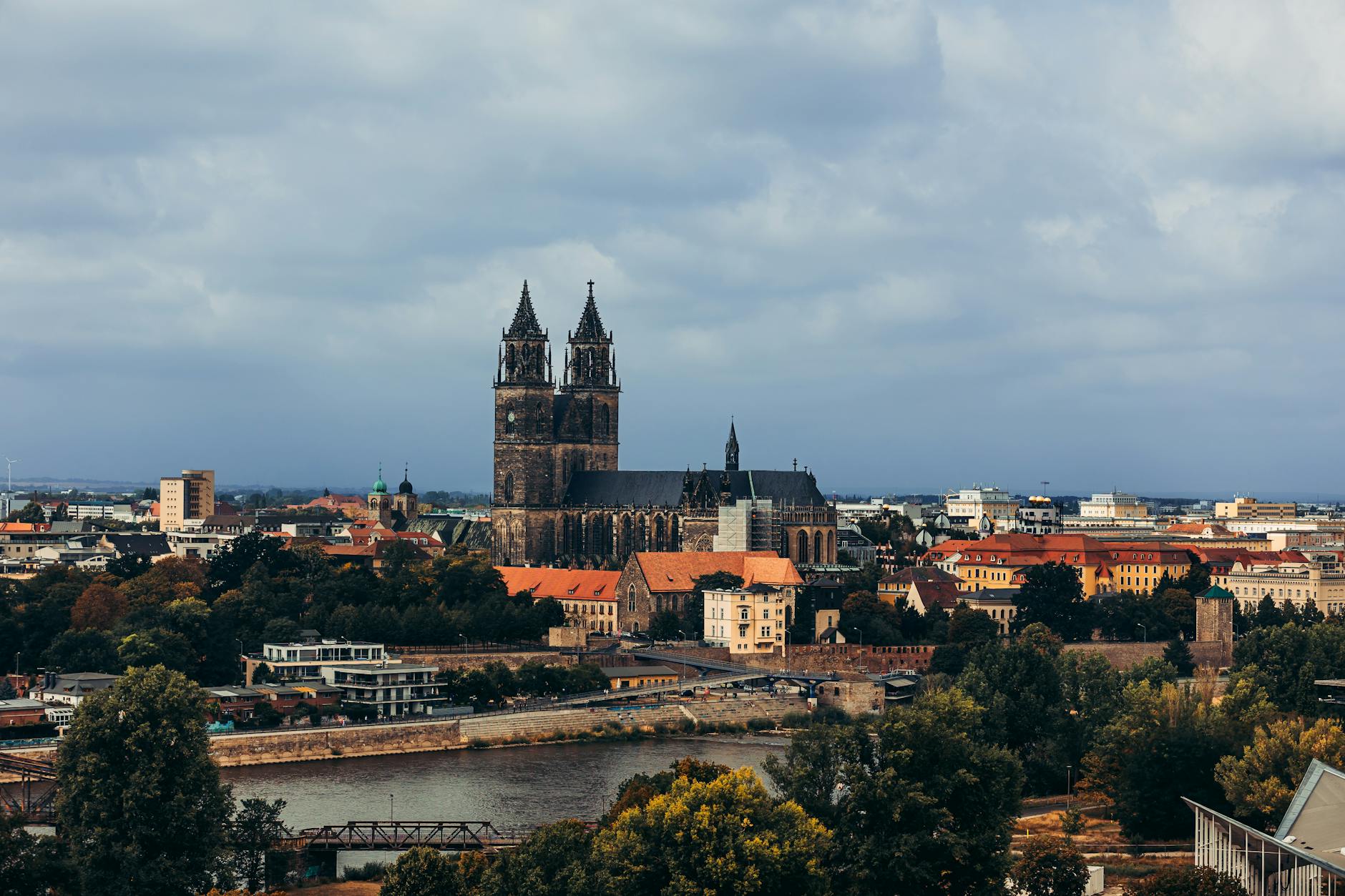
Germany Itineraries
These itineraries are pacing models, not commandments. Adjust based on season, weather, events, hotel prices, train construction, and your tolerance for one-night stays.
Five Days in Germany
Option A: Berlin Properly
Day 1: Arrival, neighborhood orientation, Brandenburg Gate/Reichstag area, easy dinner.
Day 2: Museum Island and Unter den Linden; evening in Mitte, Kreuzberg, or Prenzlauer Berg.
Day 3: Berlin Wall Memorial, Topography of Terror, Jewish history or Cold War focus.
Day 4: Potsdam day trip or deeper Berlin neighborhoods.
Day 5: Choose your focus: art, food, nightlife, memorials, parks, shopping, or another museum.
Best for: First-time Germany if you only have a short city break.
Option B: Munich and Bavaria Snapshot
Day 1: Munich old town, Viktualienmarkt, beer garden.
Day 2: Munich museums, Nymphenburg, English Garden.
Day 3: Neuschwanstein/Füssen or Garmisch-Partenkirchen.
Day 4: Nuremberg or Regensburg day trip.
Day 5: Slow Munich morning, palace/garden, departure.
Best for: First-timers who want Bavaria more than Berlin.
Option C: Rhine and Cologne
Day 1: Cologne cathedral, old town, museums.
Day 2: Bonn or Aachen, or deeper Cologne.
Day 3: Train to Rhine Valley; sleep in Bacharach, St. Goar, or Koblenz.
Day 4: Rhine boat/hike/castle day.
Day 5: Mainz or Frankfurt departure.
Best for: Castles, river scenery, wine, and a gentler first Germany trip.
Seven Days in Germany
Classic Berlin + Munich
Day 1: Arrive Berlin.
Day 2: Berlin historical core and Museum Island.
Day 3: Berlin Wall / Cold War / Jewish history.
Day 4: Train to Munich; evening beer garden or old town.
Day 5: Munich museums, markets, parks.
Day 6: Bavarian Alps, Neuschwanstein, or Nuremberg day trip.
Day 7: Munich morning and departure.
Verdict: Strong contrast, but fast. Better with 8–10 days.
Berlin + Dresden + Leipzig
Day 1–3: Berlin.
Day 4: Train to Dresden; old town and art.
Day 5: Dresden museums or Saxon Switzerland.
Day 6: Leipzig for music, cafés, contemporary culture.
Day 7: Return to Berlin or depart via Leipzig/Berlin.
Verdict: Excellent no-car eastern Germany route.
Munich + Franconia + Romantic Road
Day 1–2: Munich.
Day 3: Nuremberg.
Day 4: Bamberg or Würzburg.
Day 5: Rothenburg ob der Tauber, ideally overnight.
Day 6: Füssen/Neuschwanstein or Garmisch-Partenkirchen.
Day 7: Return to Munich.
Verdict: Classic Bavaria/Franconia route, better with a car for Romantic Road sections but possible by train/bus with care.
Ten Days in Germany
Classic First Trip: Berlin, Nuremberg, Munich, Alps
Day 1: Arrive Berlin.
Day 2: Museum Island and historical center.
Day 3: Berlin Wall, Jewish history, Cold War, or contemporary neighborhoods.
Day 4: Potsdam or deeper Berlin; evening train if desired.
Day 5: Nuremberg: old town and Documentation Center.
Day 6: Bamberg or Würzburg day trip; sleep Nuremberg or continue Munich.
Day 7: Munich old town, market, beer garden.
Day 8: Munich museums/palaces.
Day 9: Bavarian Alps or Neuschwanstein/Füssen.
Day 10: Depart Munich.
What it gives you: Berlin’s historical depth, Franconia, Bavaria, and one scenic southern day.
Western Germany: Cologne, Rhine, Moselle, Heidelberg, Black Forest
Day 1: Arrive Frankfurt or Cologne.
Day 2: Cologne cathedral and museums.
Day 3: Rhine Valley; sleep in a river town.
Day 4: Rhine/Moselle castle, boat, or hike.
Day 5: Trier or Cochem/Moselle.
Day 6: Mainz/Wiesbaden or Frankfurt museums.
Day 7: Heidelberg.
Day 8–9: Black Forest/Freiburg/Baden-Baden.
Day 10: Depart Frankfurt/Stuttgart/Basel.
What it gives you: Castles, wine, rivers, old towns, and southwest nature.
Northern Germany: Hamburg, Lübeck, Baltic, Bremen
Day 1: Arrive Hamburg.
Day 2: Hamburg harbor, Speicherstadt, Elbphilharmonie, neighborhoods.
Day 3: Hamburg museums/markets/nightlife.
Day 4: Lübeck.
Day 5: Baltic coast or Schwerin.
Day 6: Rostock/Warnemünde or Rügen/Stralsund if extending.
Day 7: Bremen.
Day 8: North Sea/Wadden Sea option or return Hamburg.
Day 9: Hamburg deeper day.
Day 10: Depart.
What it gives you: A Germany many first-timers miss.
Two Weeks in Germany
Balanced First-Timer Route
Days 1–4: Berlin, with Potsdam or deeper neighborhoods.
Days 5–6: Dresden, with art/museums and Saxon Switzerland or Meissen.
Days 7–8: Nuremberg and Bamberg/Franconia.
Days 9–12: Munich and Bavaria, including one Alpine or castle day.
Days 13–14: Rhine/Cologne or Heidelberg/Frankfurt, depending departure airport.
Verdict: A strong first Germany route if you accept a few big train moves.
Germany Without a Car
Days 1–4: Berlin.
Days 5–6: Leipzig/Dresden.
Days 7–9: Munich.
Days 10–11: Nuremberg/Bamberg.
Days 12–14: Cologne/Rhine or Hamburg/Lübeck depending your preferred finish.
Verdict: Use ICE for long hops, local transit for day trips, and avoid rural hotel bases.
Germany by Car and Train Hybrid
Days 1–3: Berlin without car.
Day 4: Train to Frankfurt or Stuttgart.
Days 5–9: Rent car for Rhine/Moselle/Black Forest/Romantic Road.
Days 10–12: Drop car before Munich; use public transit in Munich.
Days 13–14: Alps by car or rail depending route; depart Munich.
Verdict: The best hybrid for visitors who want cities and rural scenic areas.
Christmas Market Itinerary: 8 Days
Day 1: Arrive Frankfurt; evening market.
Day 2: Mainz/Wiesbaden or Rüdesheim.
Day 3: Train to Würzburg.
Day 4: Nuremberg.
Day 5: Bamberg or Rothenburg.
Day 6: Munich.
Day 7: Munich markets, concert, or palace.
Day 8: Depart Munich.
Alternative northern/eastern route: Hamburg → Lübeck → Berlin → Dresden → Leipzig.
The move: Travel midweek where possible. Weekends in the famous markets can be shoulder-to-shoulder.
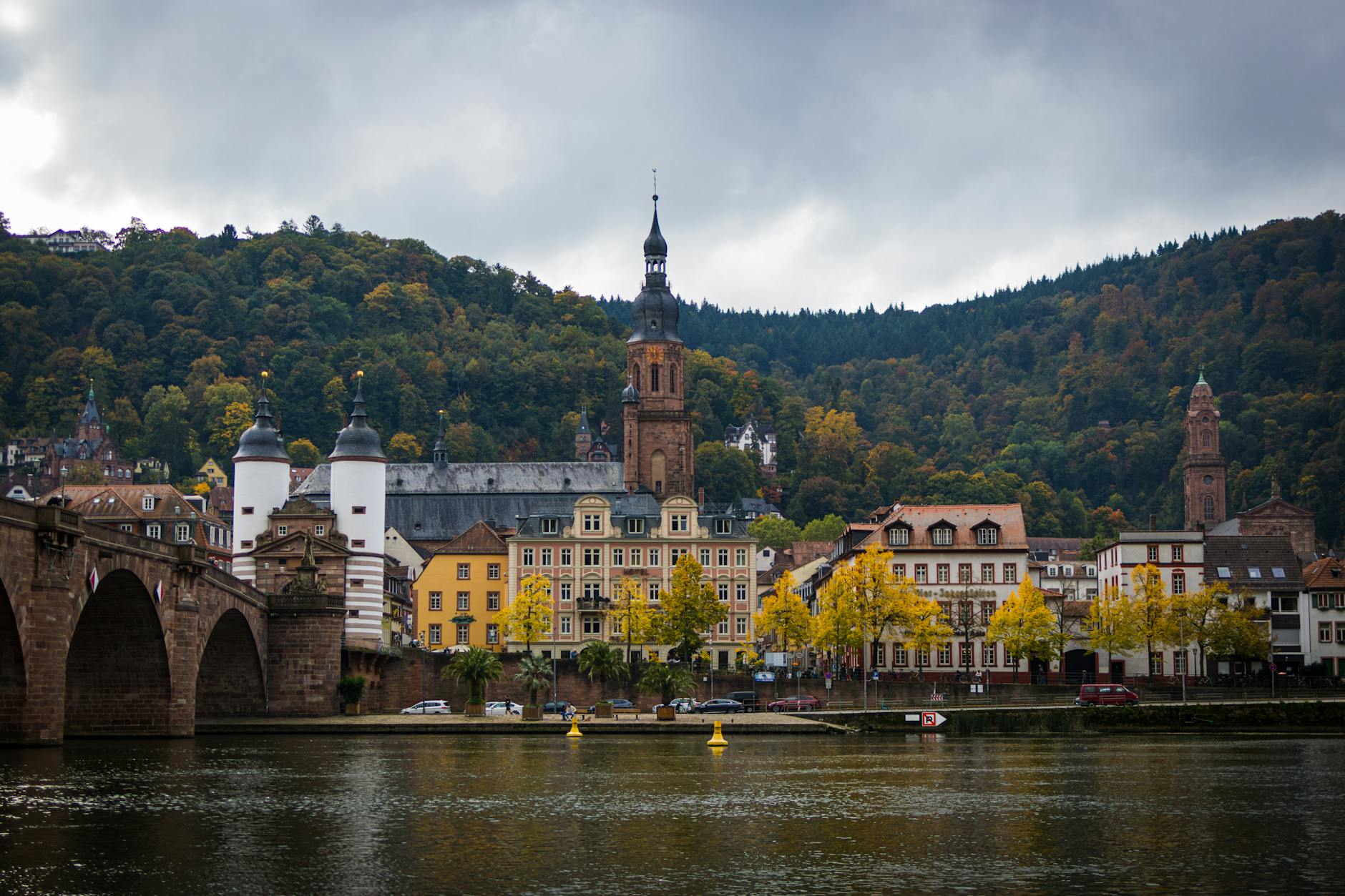
Food and Drink
German food is better, more regional, and more varied than its reputation abroad. Yes, there is sausage, pork, beer, and potatoes. But there is also extraordinary bread, cakes, asparagus, mushrooms, trout, Baltic fish, dumplings, noodles, cheese, pickles, wine, Turkish-German food, Vietnamese-German food, serious coffee, natural wine, Michelin-level restaurants, and regional cooking traditions that change every few hours by train.
Food Identity
Germany’s food culture is shaped by:
- Regional states and historical borders.
- Bread and bakery culture.
- Beer in Bavaria, Franconia, Cologne, Düsseldorf, and many local styles.
- Wine in the Rhine, Moselle, Pfalz, Baden, Franconia, Württemberg, and Saale-Unstrut.
- Seasonal produce: white asparagus, strawberries, cherries, mushrooms, goose, game, apples, plums.
- Immigration, especially Turkish, Kurdish, Vietnamese, Balkan, Italian, Middle Eastern, and global urban food.
- Market halls, beer gardens, wine taverns, bakeries, inns, cafés, and Christmas markets.
What to Eat by Region
| Region / city | What to try |
|---|---|
| Berlin | Currywurst, döner kebab, Vietnamese food, contemporary restaurants, craft beer, market halls, cakes, global street food. |
| Munich / Bavaria | Weißwurst, pretzels, roast pork, dumplings, Obatzda, beer garden food, Bavarian beer, Kaiserschmarrn, schnitzel. |
| Franconia | Franconian wine, smoked beer in Bamberg, small breweries, sausages, Schäufele, carp season, hearty inns. |
| Rhineland | Kölsch in Cologne, Rheinischer Sauerbraten, Himmel un Ääd, carnival foods, beer halls, Christmas-market snacks. |
| Düsseldorf / Lower Rhine | Altbier, mustard, Japanese food in Düsseldorf, Rhineland tavern food. |
| Hamburg / north | Fischbrötchen, labskaus if curious, seafood, Franzbrötchen, harbor restaurants, coffee culture. |
| Saxony | Dresdner Stollen, cakes, coffeehouse culture, hearty regional dishes, wine around the Elbe. |
| Thuringia | Thüringer Rostbratwurst, dumplings, regional sausages, cakes. |
| Swabia / Baden-Württemberg | Maultaschen, Spätzle, Käsespätzle, Zwiebelrostbraten, Black Forest cake, Baden wine. |
| Moselle / Rhine wine regions | Riesling, Federweißer in season, Flammkuchen-style dishes, wine taverns, vineyard snacks. |
Where to Eat by Situation
| Situation | Best approach |
|---|---|
| First dinner after arrival | Keep it easy: beer hall, market hall, neighborhood restaurant, train-station-adjacent quality spot, or hotel-area dinner. Do not overbook a formal meal after a long flight. |
| Breakfast | Bakery breakfast, hotel breakfast, café, or market. German bakeries are part of the trip. |
| Budget lunch | Bakery sandwiches, döner, currywurst, market hall, university-area cafés, soup/salad shops, casual Asian/Turkish food. |
| Traditional dinner | Look for regional restaurants and taverns rather than generic “German food” near major attractions. |
| Vegetarian/vegan | Very easy in Berlin, Hamburg, Cologne, Leipzig, Munich, and university towns; more planning needed in rural inns. |
| Family meal | Beer gardens, market halls, casual Italian, bakeries, cafés, and restaurants with outdoor seating. |
| Special meal | Book early in Berlin, Munich, Hamburg, Frankfurt, Cologne, Düsseldorf, and wine regions. Germany has serious fine dining. |
| Christmas market eating | Eat one or two market specialties, then balance with proper meals. A whole dinner of mulled wine and fried dough gets old fast. |
Beer, Wine, and Nonalcoholic Drinks
Germany is a beer country, but not one beer country. Munich beer gardens, Franconian breweries, Cologne Kölsch, Düsseldorf Altbier, Berlin craft beer, and regional pils cultures all differ.
Germany is also a major wine destination. Riesling is central, but do not ignore Silvaner in Franconia, Spätburgunder/Pinot Noir in Baden and the Ahr, and white wines across Pfalz, Rheingau, Moselle, and Rheinhessen.
Nonalcoholic options are increasingly strong: alcohol-free beer, Apfelschorle, mineral water, coffee, tea, juices, and seasonal drinks.
Restaurant Practicalities
- Reservations are wise for popular restaurants, weekends, and small-town dining where kitchens close early.
- Tipping is modest by U.S. standards; rounding up or adding around 5–10% for good service is common.
- Ask if cards are accepted before ordering in smaller places if cash is low.
- Many restaurants close one or two days per week.
- Kitchens may close earlier than visitors expect in smaller towns.
- Tap water is safe but not automatically served; bottled water is common.
- In beer gardens, table-sharing is normal.
- In cafés, lingering is generally acceptable if not crowded.
- Some bakeries and casual places are self-service.
- Saunas and some spa areas are textile-free; read rules.
The Move
Eat regionally. Do not ask, “What is German food?” Ask, “What should I eat in Franconia, Saxony, Swabia, Cologne, Hamburg, Berlin, or the Moselle?”
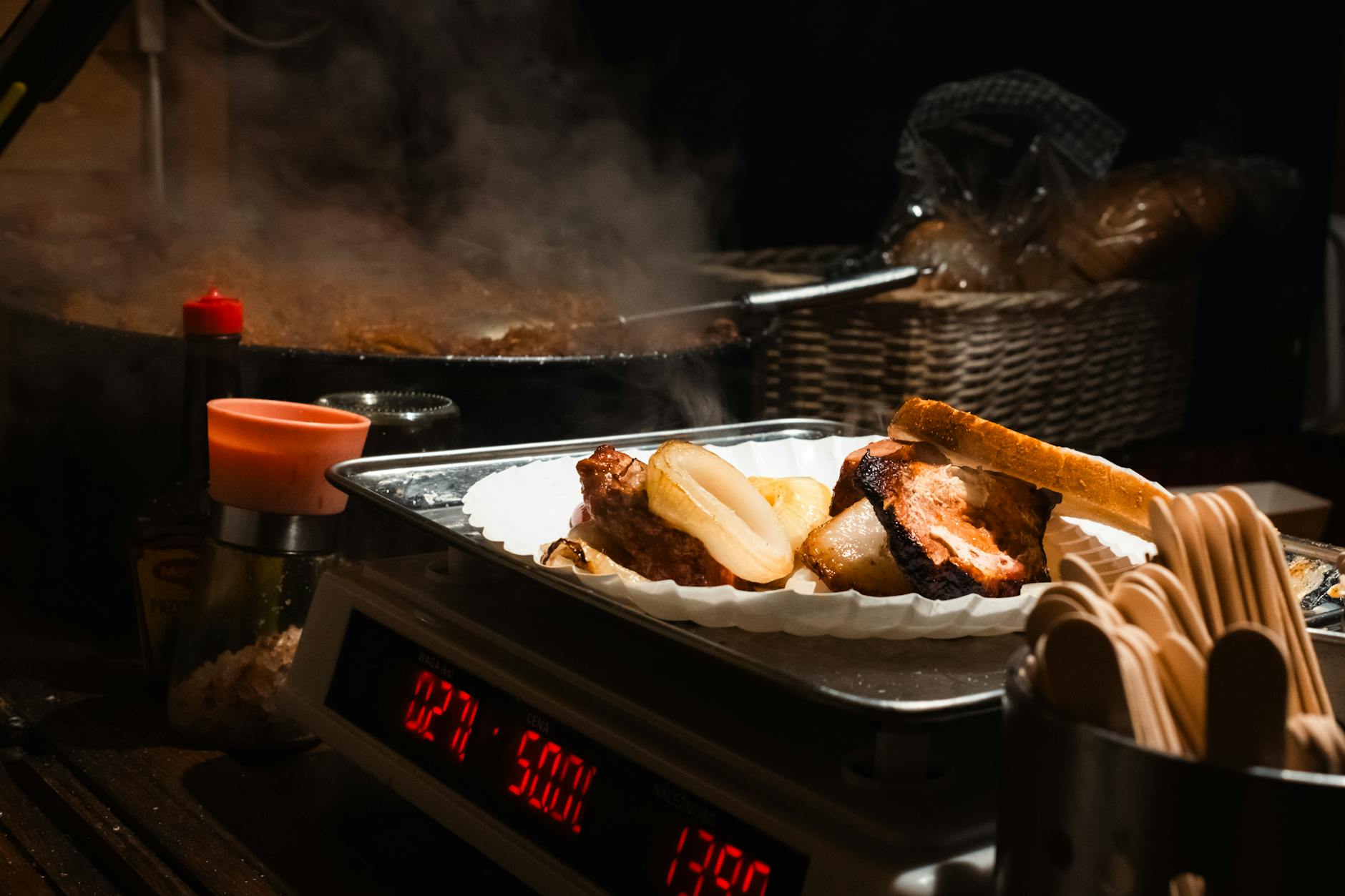
Getting Around
Germany is one of the easiest countries in Europe to move around without flying, but you need to understand the difference between fast trains, regional trains, city transit, and rural mobility.
Arrival Airports
| Airport | Best for |
|---|---|
| Frankfurt (FRA) | Main intercontinental hub; Rhine, Moselle, Heidelberg, western Germany, train connections across the country. |
| Munich (MUC) | Bavaria, Alps, Austria add-ons, southern Germany. |
| Berlin Brandenburg (BER) | Berlin, Potsdam, eastern Germany, Poland/Czechia add-ons. |
| Düsseldorf (DUS) | Rhine-Ruhr, Cologne, Düsseldorf, western business travel. |
| Hamburg (HAM) | Northern Germany, Baltic/North Sea, city breaks. |
| Cologne/Bonn (CGN) | Cologne, Bonn, Rhine, low-cost flights. |
| Stuttgart (STR) | Baden-Württemberg, Black Forest, Swabia, automotive museums. |
Long-Distance Trains
Deutsche Bahn operates the main long-distance network. ICE trains are the high-speed backbone; IC and EC trains are long-distance but usually slower or more conventional; regional trains connect smaller places.[11]
Use trains for: Berlin–Munich, Berlin–Hamburg, Frankfurt–Cologne, Frankfurt–Munich, Berlin–Leipzig/Dresden, Munich–Nuremberg, Hamburg–Cologne, Frankfurt–Heidelberg.
Train tips:
- Book early for cheaper long-distance fares.
- Understand whether your ticket is tied to a specific train or flexible.
- Reserve seats on important long-distance journeys.
- Leave buffer for international connections and flights.
- Download tickets offline.
- Check platforms shortly before departure.
- Be realistic about construction and delays.
Deutschland-Ticket
The Deutschland-Ticket is a monthly subscription ticket valid nationwide on local public transport and regional trains, but not on ICE, IC, or EC long-distance trains.[12]
Good for:
- City transport.
- Regional day trips.
- Slow travel within one region.
- Travelers staying weeks, not days.
- Budget travelers who do not mind slower routes.
Not good for:
- Fast city-to-city travel across the country.
- Berlin to Munich in comfort and speed.
- Tourists who cannot manage subscription cancellation.
- Travelers with tight schedules.
German Rail Pass
DB’s German Rail Pass is designed for travelers who live outside Germany and offers unlimited train travel across the country for selected days within a period.[13]
Worth considering if: You have multiple long-distance train days and want flexibility.
Not always worth it if: You can book point-to-point saver fares early or mostly use regional trains.
City Transit
Germany’s major cities have strong local transit systems: U-Bahn, S-Bahn, trams, buses, ferries in some cities, and regional rail. Ticket zones vary by city. Some tickets require validation before boarding; app tickets are usually pre-validated or time-stamped.
The move: In each city, learn the local system on day one. Check whether your ticket covers airport zones.
Driving
A car is useful for rural scenic routes, the Alps, parts of the Black Forest, the Romantic Road, some castle routes, wine villages, and family trips. It is not useful in Berlin, Munich, Hamburg, Cologne, Frankfurt, or Dresden city centers.
Driving notes:
- Many Autobahn sections have no general speed limit, but many do have posted limits. Drive to conditions and stay right except when passing.
- City parking can be expensive and stressful.
- Environmental zones require the correct sticker if entering designated city zones.[20]
- Old towns may have restricted access.
- Winter driving requires seasonally appropriate tires and judgment.
- Rural bus/train service can be limited on Sundays and evenings.
- Cross-border road trips may need vignettes/tolls in neighboring countries even if Germany itself is not the issue.
Cycling
Germany can be excellent for cycling: river routes, city bike lanes, e-bike rentals, regional paths, and bike-friendly trains in some areas. But city bike lanes are serious traffic space. Pedestrians should not stand in them, and cyclists move fast.
Best cycling areas: Rhine, Moselle, Elbe, Danube, Lake Constance, Baltic coast, Berlin parks, Munich river paths, Münster, Freiburg.
Domestic Flights
Domestic flights rarely make sense for standard tourist itineraries unless connecting from remote airports or saving time on a far north-south route. Train is usually better city-center to city-center.
Budget and Costs
Germany is not cheap, but it can be good value compared with Switzerland, Scandinavia, and some parts of France/UK. The biggest cost swings are hotels, long-distance trains booked late, Oktoberfest/Christmas-market periods, car rental, and dining style.
Daily Budget Ranges
| Traveler type | Daily estimate, excluding long-distance travel and major shopping | What it means |
|---|---|---|
| Shoestring | €60–€100 | Hostel/budget room, bakeries, döner/casual food, local transit, free museums/walks, limited paid sights. |
| Budget comfort | €100–€170 | Budget hotel or guesthouse, casual restaurants, paid sights, local transit, some intercity rail booked early. |
| Mid-range | €170–€300 | Good central hotel, restaurants, museums, occasional taxis, reserved trains, day trips. |
| Comfortable | €300–€500 | Strong hotels, better restaurants, concert tickets, guided tours, taxis where useful, flexible rail. |
| Luxury | €500+ | High-end hotels, fine dining, private guides, spa hotels, premium rail/air, festival travel, top locations. |
Cost Notes
- Hotels: Expensive in Munich during Oktoberfest, in December weekends, in trade-fair cities during major events, and in summer resort areas.
- Rail: Early saver fares can be good value; last-minute long-distance tickets can be expensive.
- Local transit: Usually reasonable; day tickets can be useful.
- Food: Bakeries, döner, market halls, and casual regional restaurants keep costs manageable.
- Museums: Moderate by western European standards, but costs add up in Berlin and Munich.
- Car rental: Useful regionally, but parking, fuel, insurance, and one-way fees can add up.
- Cash: Carry some; do not rely entirely on cards.
Best Value Moves
- Stay near transit, not necessarily in the most famous old-town square.
- Book long-distance trains early.
- Use regional tickets or Deutschland-Ticket only when they actually fit your route.
- Eat bakery breakfasts and market lunches.
- Choose one or two paid museums per day, not five.
- Sleep in smaller towns midweek during Christmas-market season.
- Avoid Munich during Oktoberfest unless attending is the point.
- Use city museum passes only if your museum pace justifies them.
- Choose one castle/palace day rather than paying for every castle in Bavaria.
Splurge-Worthy
- A central hotel in Berlin, Munich, Hamburg, or Cologne for a short stay.
- Seat reservations on important train journeys.
- A serious museum, memorial, architecture, or food guide.
- One opera, concert, football match, or festival experience.
- A night in a Rhine/Moselle river town or Alpine village.
- A spa hotel if Baden-Baden, Bavaria, or wellness is part of the trip.
Usually Not Worth It
- Renting a car for Berlin–Munich–Hamburg city-hopping.
- Sleeping far outside a city to save a small amount.
- Taking a generic bus tour of places better reached by train and explored on foot.
- Visiting Neuschwanstein through an overpriced third-party ticket if official tickets are available.
- Buying a rail pass without comparing point-to-point fares.
- Visiting too many Christmas markets in one day; they blur together.
Safety, Health, and Scams
Germany is generally safe, orderly, and easy for travelers. The risks are not usually dramatic: petty theft, transport-hub pickpocketing, scams, public-event security, demonstrations, road and bike-lane mistakes, weather, ticks, and medical-payment assumptions.
General Safety
Canada’s current Germany advice tells travelers to exercise a high degree of caution due to terrorism risk and notes petty crime such as pickpocketing and bag snatching, especially in major cities, transport hubs, public transport, Christmas markets, and tourist attractions.[17]
This does not mean Germany is unsafe for ordinary tourism. It means crowded public spaces and major events deserve normal alertness.
Practical habits:
- Keep passports secure on trains and in stations.
- Use cross-body bags or zipped pockets in markets and crowds.
- Watch luggage during train boarding and platform changes.
- Avoid leaving phones on café tables.
- Be alert in nightlife districts late at night.
- Avoid demonstrations if they begin to grow tense.
- Check local news during major events.
Common Scams and Annoyances
| Scam / issue | What it looks like | How to avoid it |
|---|---|---|
| Pickpocketing | Crowded stations, markets, trains, tourist sights. | Secure valuables, avoid open backpacks, stay alert during distractions. |
| Fake petitions / distraction tactics | Someone approaches with clipboard or distraction near sights. | Keep moving, do not open wallet. |
| Ticket confusion | Wrong zone, unvalidated ticket, using regional pass on ICE. | Buy through official apps and understand validity before boarding. |
| ATM dynamic currency conversion | ATM offers conversion to your home currency. | Choose EUR/local currency. |
| Overpriced tourist restaurants | Menus in many languages near major sights with mediocre food. | Walk a few blocks, use local recommendations. |
| Unofficial event tickets | Marked-up or fake tickets for football, concerts, Oktoberfest tables. | Use official channels. |
| Taxi overcharging / poor routing | Less common but possible. | Use official taxis, apps, or public transport; know approximate route. |
Health Practicalities
Germany has high-quality medical care. The U.S. State Department notes that emergency numbers are 110 for police and 112 for emergency services, and that Germany generally has high-quality medical care and facilities.[16]
CDC traveler guidance for Germany flags tick-borne encephalitis vaccination considerations for people with extensive tick exposure in endemic areas based on outdoor activities and itinerary.[18]
Practical health notes:
- Travel insurance is still wise.
- Pharmacies are called Apotheke and operate on rotating emergency schedules after hours.
- Bring prescriptions in original packaging.
- Check medication rules if carrying controlled substances.
- Use tick precautions when hiking in forests, meadows, and southern/eastern regions.
- Summer heatwaves can affect city travel; book air-conditioned rooms if heat-sensitive.
- Tap water is generally safe.
- Winter sidewalks can be icy.
Road, Bike, and Pedestrian Safety
Germany’s roads are excellent, but visitors should not treat the Autobahn as a novelty attraction. Speed differences are real. Stay right except when passing, obey posted limits, and do not drive tired.
In cities, bike lanes matter. Pedestrians who wander into bike lanes can cause dangerous situations.
Nightlife Safety
Berlin, Hamburg, Cologne, Frankfurt, and Munich have active nightlife. Use normal judgment: watch drinks, know transit home, avoid isolated late-night areas if uncomfortable, and do not escalate disputes with bouncers, intoxicated groups, or police.
Accessibility and Mobility
Germany is better than many older European countries for accessibility infrastructure, but it is uneven. Big-city transit, major museums, modern hotels, and new developments can be strong. Medieval old towns, castles, cobblestones, old guesthouses, small restaurants, and rural stations can be difficult.
Germany.travel points visitors to the “Tourism for All” database, which compiles systematically assessed accessibility information for tourist options across Germany.[19]
What Helps
- Major museums often provide accessibility information.
- Large train stations usually have elevators, though outages happen.
- Many city buses/trams are low-floor.
- Modern hotels can offer accessible rooms.
- Germany has a structured accessible-tourism labeling system.
- Taxis and accessible transfer services are available in major cities.
What Is Hard
- Cobblestones in old towns.
- Castles with stairs, steep paths, shuttle logistics, or limited lift access.
- Old guesthouses without elevators.
- Rural stations without reliable step-free access.
- Crowded Christmas markets.
- Train platform changes with short notice.
- Historic spas or saunas with older facilities.
Lower-Walking Strategy
Base near a major station, reduce one-night stays, reserve seats on trains, use taxis strategically, favor cities with strong transit, and choose old towns with manageable terrain. Berlin, Hamburg, Munich, Cologne, Leipzig, and Dresden can work well with planning; hill towns, castles, and river villages need more careful screening.
Families, Solo Travelers, LGBTQ+ Travelers, and Special Considerations
Families With Children
Germany is strong for families: trains, parks, museums, science centers, zoos, castles, playgrounds, bakeries, lakes, Christmas markets, and old towns. The challenge is pacing.
Best family regions: Munich/Bavaria, Berlin, Hamburg, Rhine, Black Forest, Lake Constance, Nuremberg/Franconia, Baltic coast.
Family tips:
- Reserve train seats.
- Avoid too many one-night stays.
- Use apartments or family rooms where possible.
- Build in parks and playgrounds.
- Do not overdo heavy history with young children.
- Choose fewer castles and more hands-on museums.
- Watch bikes and trams in cities.
- Bring snacks for Sunday/holiday closures.
Solo Travelers
Germany is excellent for solo travelers. Trains are easy, hostels are strong, cities are walkable, cafés are comfortable, and museums provide structure. Solo dining is normal in casual places, bakeries, beer gardens, and market halls.
Solo tips:
- Stay central and transit-connected.
- Join a walking tour early in each city.
- Use beer gardens and market halls for easy social/solo meals.
- Keep nightlife logistics clear.
- Learn basic German courtesy phrases.
Women Traveling Solo
Many women travel comfortably in Germany, especially in major cities and well-trafficked regions. Use normal urban caution late at night, watch drinks, choose accommodation carefully, and avoid isolated station areas if uncomfortable.
LGBTQ+ Travelers
Germany is generally welcoming in major cities, especially Berlin, Cologne, Hamburg, Munich, Leipzig, and Frankfurt. Rural areas vary in visibility and social atmosphere. Berlin and Cologne are especially strong LGBTQ+ destinations.
Older Travelers
Germany works well for older travelers if you prioritize rail comfort, central hotels, manageable old towns, and fewer bases. Consider taxis in cities, seat reservations, hotels with elevators, and avoiding cobblestone-heavy lodging if mobility is limited.
Religious and Heritage Travelers
Germany is important for Jewish heritage, Protestant Reformation history, Catholic pilgrimage sites, Roman history, WWII memory, and family genealogy. Heritage travel benefits from local guides, archives, and more time than ordinary sightseeing.
Shopping and Souvenirs
Germany is not only beer steins and cuckoo clocks. Good shopping depends on region.
Best Things to Buy
- Regional wine: Riesling, Silvaner, Spätburgunder, Baden wines.
- Beer glasses or brewery items, if genuinely tied to a place you visited.
- Christmas ornaments and wooden crafts, especially from Saxony/Erzgebirge.
- Stationery, design goods, Bauhaus-related items, museum-shop objects.
- Kitchen tools, knives, cookware, and baking items.
- Local ceramics and glass.
- Books, music, records, and art prints.
- Food gifts: mustard, chocolate, marzipan from Lübeck, stollen from Dresden, Lebkuchen from Nuremberg, jams, honey, tea, spices.
- Outdoor gear in mountain regions.
Best Shopping Areas
| Area | Best for |
|---|---|
| Berlin | Design, books, records, fashion, flea markets, galleries, vintage, contemporary goods. |
| Munich | Traditional Bavarian goods, luxury shopping, food markets, outdoor gear. |
| Hamburg | Design, maritime goods, coffee, fashion, books. |
| Cologne/Düsseldorf | Fashion, fragrance, design, food gifts. |
| Nuremberg/Dresden | Christmas crafts, regional sweets, traditional goods. |
| Black Forest/Bavaria | Woodcraft, clocks, textiles, food, outdoor gear, but beware mass-produced tourist goods. |
| Wine regions | Wine, local food products, ceramics, vineyard gifts. |
What Not to Buy Thoughtlessly
- Cheap “German” souvenirs mass-produced elsewhere.
- Cuckoo clocks without understanding quality and origin.
- Wine you cannot legally import or pack safely.
- Large fragile steins or glassware without proper packaging.
- Nazi-era memorabilia or anything that trivializes extremist history. Avoid it.
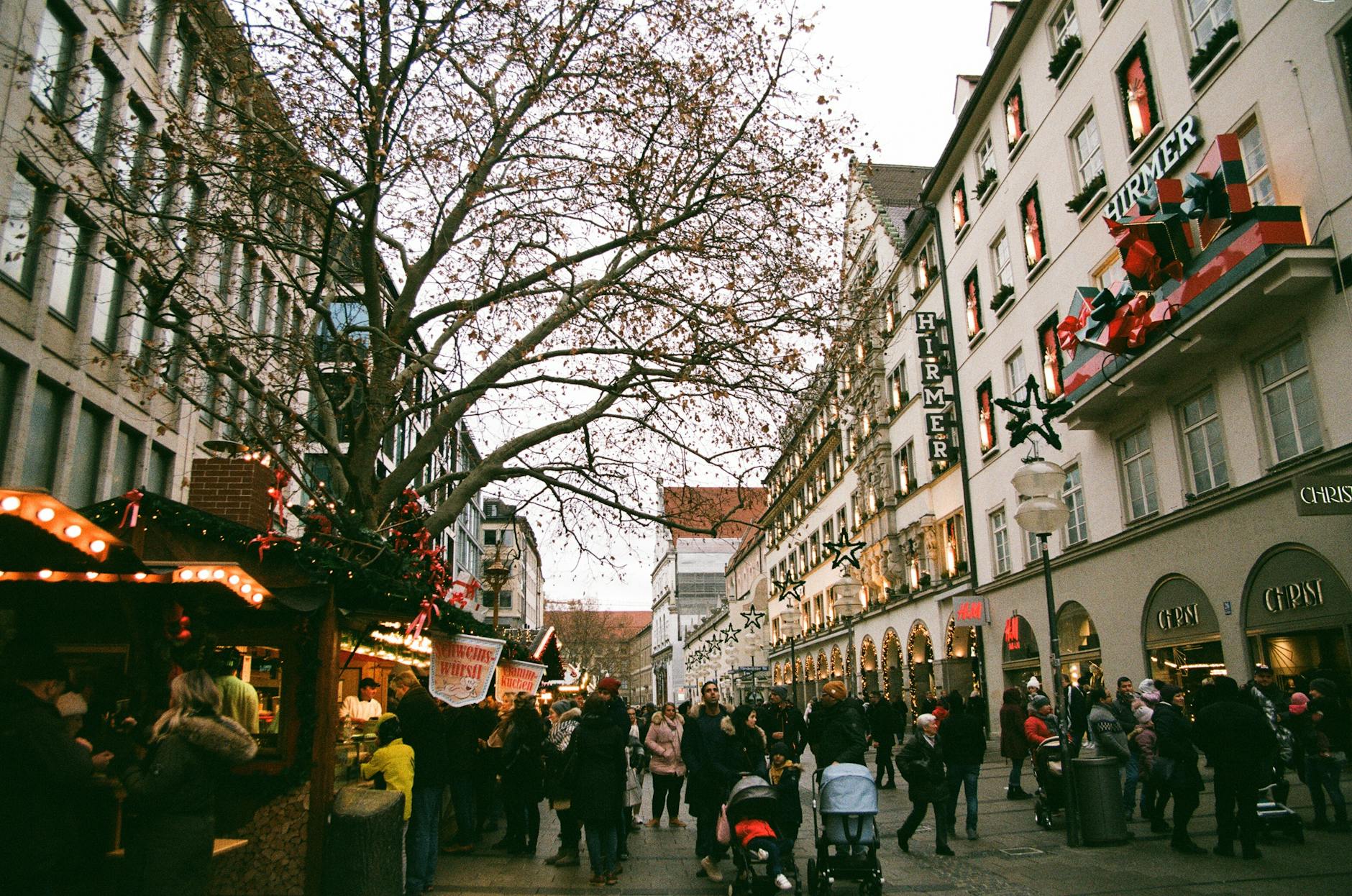
Arts, Culture, History, and Context
Germany cannot be understood through scenery alone. Its culture, cities, and public life are shaped by deep history, regional fragmentation, religious conflict, industrialization, dictatorship, destruction, division, reunification, immigration, and European integration.
Short History for Travelers
Germany’s territory has been shaped by Roman frontiers, Germanic tribes, the Holy Roman Empire, medieval free cities, bishoprics, principalities, Hanseatic trading towns, the Reformation, the Thirty Years’ War, Prussia, Bavaria, Saxony, Austria’s long shadow, and the late unification of the German Empire in 1871.
The 20th century is central: World War I, Weimar democracy, the rise of Nazism, the Holocaust, World War II, destruction of cities, Allied occupation, division into East and West Germany, the Berlin Wall, Cold War politics, and reunification in 1990.
Modern Germany is democratic, federal, European, economically powerful, culturally diverse, and still visibly engaged in public memory. That memory is not a niche topic; it is part of the visitor experience in Berlin, Munich, Nuremberg, Cologne, Hamburg, Dresden, Weimar, and beyond.
Museums and Cultural Institutions by Interest
| Interest | Strong destinations |
|---|---|
| Ancient / archaeology | Berlin Museum Island, Trier Roman sites, Cologne Roman-Germanic heritage, Mainz. |
| Art | Berlin, Munich, Dresden, Frankfurt, Cologne, Düsseldorf, Hamburg, Leipzig. |
| Modernism / Bauhaus | Weimar, Dessau, Berlin, Stuttgart, Darmstadt. |
| Music | Leipzig, Berlin, Dresden, Munich, Bayreuth, Bonn, Hamburg. |
| WWII / Nazi history | Berlin, Nuremberg, Munich, Dachau, Sachsenhausen, Cologne, Hamburg. |
| Cold War | Berlin, Leipzig, Dresden, Point Alpha, Bonn. |
| Industrial heritage | Ruhr, Essen/Zeche Zollverein, Völklingen, Hamburg harbor, Ruhr museums. |
| Cars / engineering | Stuttgart, Munich, Wolfsburg, Ingolstadt. |
| Jewish history | Berlin, Frankfurt, Cologne, Worms, Speyer, Mainz, Munich, many local memorials. |
| Literature / philosophy | Weimar, Leipzig, Frankfurt, Heidelberg, Berlin, Marbach. |
Etiquette and Cultural Norms
- Say hello and goodbye in small shops, bakeries, and waiting rooms.
- Do not walk in bike lanes.
- Be punctual for tours, trains, appointments, and restaurant bookings.
- Sunday quiet hours and shop closures matter.
- Separate trash and respect recycling rules.
- Jaywalking varies by city, but do not cross against lights in front of children.
- Keep voices moderate on public transport.
- Do not trivialize WWII/Holocaust sites with selfies, jokes, or casual behavior.
- In saunas, nudity may be expected; swimwear may be forbidden in sauna areas.
- In restaurants, a direct communication style is normal.
- Cash remains common.
- Dogs are often welcome in public settings, but ask and follow rules.
- Formal/informal pronouns exist in German; as a visitor, politeness goes far.
Useful Phrases
| German | Meaning |
|---|---|
| Guten Morgen / Guten Tag / Guten Abend | Good morning / day / evening |
| Hallo | Hello |
| Tschüss / Auf Wiedersehen | Bye / goodbye |
| Bitte | Please / you’re welcome |
| Danke / Vielen Dank | Thanks / many thanks |
| Entschuldigung | Excuse me / sorry |
| Sprechen Sie Englisch? | Do you speak English? |
| Die Rechnung, bitte | The bill, please |
| Mit Karte? | By card? |
| Barzahlung | Cash payment |
| Bahnhof | Train station |
| Gleis | Platform / track |
| Ausgang | Exit |
| Achtung | Attention / caution |
Seasonal and Month-by-Month Guide
Spring
Spring is one of the best seasons for cities, gardens, river regions, and early outdoor dining. Asparagus season is a major food event. Weather can change quickly.
Best experiences: Berlin parks, Munich beer gardens, Rhine/Moselle, Heidelberg, Hamburg, Leipzig, Dresden, gardens, Easter markets, lower-elevation hiking.
Watch out: Easter closures, variable weather, late snow in mountains, public-holiday long weekends.
Summer
Summer is lively: festivals, lakes, hiking, beer gardens, open-air cinema, long daylight, and family travel. It is also peak season in many regions.
Best experiences: Baltic and North Sea coasts, Bavarian lakes, Alpine hiking, river cycling, Berlin/Hamburg outdoor culture, wine regions.
Watch out: Heatwaves, thunderstorms, school-holiday crowds, air-conditioning gaps, high hotel demand.
Autumn
Autumn may be Germany’s best travel season. Wine harvest, forests, comfortable weather, and strong museum weather make September and early October excellent.
Best experiences: Rhine, Moselle, Pfalz, Black Forest, Bavaria, Berlin, Dresden, hiking, wine festivals.
Watch out: Oktoberfest in Munich, shorter days by late October, November grayness.
Winter
Winter splits into two different trips: December Christmas Germany and January/February museum/Alpine Germany. December is atmospheric; January and February are quieter.
Best experiences: Christmas markets, concerts, Berlin museums, Munich, Nuremberg, Dresden, Cologne, Alpine skiing, thermal baths.
Watch out: Closures around Christmas/New Year, icy sidewalks, cold rain, limited daylight, crowded famous markets.
Key Annual Timing Issues
- Carnival/Karneval/Fasching: Especially important in Cologne, Düsseldorf, Mainz, and parts of southern Germany.
- Easter: Closures and domestic travel.
- May public holidays: Long weekends and local crowds.
- Summer school holidays: Vary by state; can affect trains, roads, and resorts.
- Oktoberfest: Munich hotel/event spike from late September to early October.[22]
- Trade fairs: Frankfurt, Hannover, Munich, Cologne, Düsseldorf, and Berlin can see dramatic hotel spikes.
- Christmas markets: Late November through December, with exact dates by city.
- New Year: Fireworks, closures, parties, transport adjustments.
Day Trips and Side Trips
Germany has excellent day trips, but the best ones are base-specific. Do not plan day trips across the whole country.
Best Day Trips by Base
| Base | Best day trips |
|---|---|
| Berlin | Potsdam, Sachsenhausen, Spreewald, Leipzig, Dresden as a long day, Wannsee. |
| Munich | Dachau, Nymphenburg, Garmisch-Partenkirchen, Füssen/Neuschwanstein, Salzburg, Regensburg, Nuremberg, Chiemsee. |
| Hamburg | Lübeck, Bremen, Lüneburg, Schwerin, Baltic coast. |
| Cologne | Bonn, Aachen, Düsseldorf, Rhine Valley, Koblenz, Brühl palaces. |
| Frankfurt | Mainz, Wiesbaden, Heidelberg, Rüdesheim/Rhine, Würzburg, Marburg. |
| Dresden | Saxon Switzerland, Meissen, Leipzig, Görlitz, Moritzburg. |
| Nuremberg | Bamberg, Würzburg, Rothenburg, Regensburg. |
| Freiburg | Black Forest towns, Schauinsland, Titisee, Basel, Colmar, Baden wine villages. |
Day Trip Card Template
For every Germany day trip, check:
- Train time each way.
- Last train/bus back.
- Whether Monday closures matter.
- Whether timed tickets are required.
- Whether a car saves time or creates parking problems.
- Whether the place deserves an overnight instead.
- Whether the weather matters.
- Whether the day becomes too heavy emotionally.
Better as Overnight
Some places are often sold as day trips but are better overnight:
- Rhine/Moselle towns from Cologne/Frankfurt.
- Rothenburg ob der Tauber from Munich or Frankfurt.
- Bavarian Alps from Munich if hiking or weather matters.
- Black Forest from Frankfurt or Munich.
- Saxon Switzerland from Berlin.
- Baltic coast from Hamburg or Berlin.
What to Skip
This section is not about cynicism. It is about protecting the trip.
Skip: Trying to Do All of Germany in 10 Days
Berlin, Hamburg, Cologne, Rhine, Rothenburg, Munich, Neuschwanstein, Black Forest, Dresden, and Nuremberg cannot all be meaningful in one short trip.
Better alternative: Choose two major bases and one region.
Skip: Neuschwanstein If You Only Want the Photo
It is beautiful, but it takes time, logistics, crowds, and a timed ticket. If you are not actually interested in castles, Bavaria, or the setting, it may not be worth a full day.
Better alternative: Nymphenburg, Herrenchiemsee, Würzburg Residence, Hohenzollern, Wartburg, or a less crowded regional castle depending route.
Skip: Rothenburg as a Midday Box-Check
Rothenburg is most magical before and after day-trippers. Midday can feel like a theme park.
Better alternative: Stay overnight, or choose Bamberg, Regensburg, Quedlinburg, Erfurt, Lübeck, Görlitz, or smaller towns along your route.
Skip: Driving Into Big-City Centers
Berlin, Munich, Hamburg, Cologne, Frankfurt, and Dresden are easier by transit. Driving often adds parking, environmental zones, stress, and cost.
Better alternative: Train between cities; rent a car only for rural/scenic segments.
Skip: Eating Only Near Major Attractions
Germany’s food culture is better than tourist-zone menus suggest.
Better alternative: Find regional restaurants, bakeries, market halls, beer gardens, wine taverns, and immigrant neighborhoods.
Skip: Using the Deutschland-Ticket for Long Cross-Country Trips
Regional trains can be slow and transfer-heavy. Saving money may cost an entire day.
Better alternative: Use ICE/IC/EC for long hops; use regional tickets for local exploration.
Skip: Three Heavy History Sites in One Day
Memorial fatigue is real and disrespectful to your own attention.
Better alternative: One major memorial or history site per day, then a lighter walk, café, park, or concert.
Common Mistakes
- Trying to see too much. Germany is dense, not small.
- Confusing rail categories. Deutschland-Ticket is not an ICE pass.
- Not reserving seats on important trains. Optional does not mean unnecessary.
- Assuming shops open on Sundays. Plan groceries, gifts, and errands ahead.
- Not carrying cash. Cards are common, but cash remains useful.
- Renting a car for city travel. Use trains and transit for cities.
- Ignoring environmental zones. Drivers need the correct sticker in many city centers.
- Booking Munich during Oktoberfest accidentally. Prices and availability change dramatically.
- Forgetting trade fairs. Frankfurt, Hannover, Cologne, Düsseldorf, Munich, and Berlin can spike.
- Overloading Christmas-market trips. Markets blur if you do too many in one day.
- Not checking museum closure days. Monday closures are common but not universal.
- Treating Berlin as a pretty old European capital. Berlin is layered, modern, damaged, rebuilt, and sprawling.
- Skipping northern Germany. Hamburg, Lübeck, Bremen, and the coasts are not secondary if they fit your interests.
- Underestimating heat and lack of AC. Summer city travel needs hotel screening.
- Not pacing heavy history. Germany’s memory sites deserve attention, not checklist energy.
- Standing in bike lanes. This is both rude and unsafe.
- Expecting English everywhere. Major tourism works fine; rural areas vary.
- Assuming all “German” restaurants serve the same food. Eat by region.
- Booking rural lodging without checking transport. Sunday buses can be limited.
- Using map distance instead of real route time. Mountains, transfers, and construction matter.
Responsible Travel
Germany’s visitor responsibility is not only environmental. It is also historical, social, and local.
Do
- Use trains and public transport where practical.
- Support local bakeries, inns, markets, breweries, wineries, and independent shops.
- Behave respectfully at Holocaust, Nazi-era, Cold War, and war memorial sites.
- Learn basic German phrases.
- Respect quiet hours and residential spaces.
- Follow trail signs and cycling rules.
- Dispose of trash properly and follow recycling norms.
- Book legal accommodation.
- Visit less crowded towns and regions when they fit your route.
- Stay longer in fewer places.
Do Not
- Take silly selfies at memorials.
- Treat “fairytale Germany” as the only Germany.
- Block bike lanes or train doors.
- Bring giant luggage into tiny restaurants.
- Buy extremist memorabilia.
- Treat local markets or Christmas stalls as free photo sets while buying nothing.
- Enter low-emission zones without required vehicle documentation.
- Use rural hiking trails without checking weather, daylight, and terrain.
Local Logic
Germany works best when visitors participate in the systems: tickets, recycling, quiet, punctuality, trail rules, transport norms, and historical respect. That is not boring. It is the reason the country is so easy to travel when you pay attention.
Packing List
Year-Round Essentials
- Comfortable walking shoes.
- Rain jacket or compact umbrella.
- Layers.
- Type C/F plug adapter.
- Portable charger.
- Credit/debit cards plus euro cash.
- Day bag with secure pockets.
- Offline maps and train tickets.
- Travel insurance details.
- Prescription medications in original packaging.
- Reusable water bottle.
- Small tote for bakeries/markets.
- Dressier outfit for opera, fine dining, or business hotels if relevant.
Seasonal Additions
| Season | Pack |
|---|---|
| Spring | Layers, rain gear, light jacket, allergy medicine if needed. |
| Summer | Breathable clothing, sunscreen, hat, sunglasses, swimwear for lakes/spas, insect/tick precautions for hiking. |
| Autumn | Layers, waterproof shoes, light scarf, rain gear, warmer jacket by late October. |
| Winter | Warm coat, gloves, scarf, hat, waterproof shoes, thermal layers, lip balm, hand cream, traction-conscious footwear. |
What Not to Overpack
- Too many formal clothes unless attending specific events.
- Large suitcases for multi-train itineraries.
- Heavy hiking gear unless hiking seriously.
- Appliances incompatible with 230V.
- Food items easily bought in supermarkets or drugstores.
The Move
Pack for walking, weather, and transit. Germany is not hard on luggage because of lack of infrastructure; it is hard on luggage because station stairs, old-town cobbles, train transfers, and small hotel elevators make overpacking annoying.
FAQ
Is Germany worth visiting for a first trip to Europe?
Yes, especially if you like history, cities, rail travel, museums, food, and regional variety. It is not the most obvious beach or romance-only destination, but it is one of Europe’s best countries for intelligent, flexible travel.
How many days should I spend in Germany?
Eight to ten days is the best first-trip range. Seven days works for one region or two bases. Two weeks is much better if you want city, old-town, river, and mountain contrast.
What is the best Germany itinerary for first-timers?
Berlin + Munich/Bavaria is the classic contrast. If you prefer art and eastern history, choose Berlin + Dresden + Leipzig. If you prefer castles, wine, and smaller towns, choose Cologne/Rhine/Moselle + Heidelberg.
Is Germany expensive?
Moderate to expensive by European standards. Hotels, late-booked trains, Munich during Oktoberfest, Christmas-market weekends, and big trade fairs can be costly. Bakeries, casual food, public transport, and regional travel can be good value.
Do I need a car in Germany?
Not for major cities or most city-to-city travel. A car is useful for the Romantic Road, some Alpine areas, rural Black Forest stays, remote castles, wine villages, and family road trips.
Is the Deutschland-Ticket good for tourists?
It can be excellent for city transit and regional travel, especially for longer stays. It is not valid on ICE, IC, or EC long-distance trains, and it is usually a subscription, so tourists must understand purchase and cancellation terms.[12]
Is Germany safe?
Generally yes, but use normal precautions. Watch for petty theft in stations, markets, public transport, Christmas markets, and tourist areas; monitor public-event advisories; and avoid demonstrations that become tense.[17]
What should I book ahead?
Munich lodging during Oktoberfest, Christmas-market weekends, major concerts/opera, popular long-distance trains, Neuschwanstein tickets, Reichstag dome, top restaurants, and hotels in trade-fair cities.
What is the best time to visit Germany?
May, June, September, and early October are best for general travel. December is best for Christmas markets. July and August are good for outdoor travel but busier. Winter is good for museums and Alps but darker and colder.
Is Germany good with kids?
Yes. Trains, parks, museums, castles, zoos, science centers, bakeries, and Christmas markets all work well. The key is fewer bases, reserved seats, and not overloading the itinerary.
Can I travel Germany without speaking German?
Yes in major tourist areas, but basic German phrases help. English is not guaranteed in rural guesthouses, small restaurants, local transport offices, and older establishments.
Should I visit Neuschwanstein?
Visit if castles, Bavaria, and the mountain setting genuinely interest you. Skip or de-prioritize it if you only want a photo and have limited time. Book official timed tickets if going.
What should I not miss?
For a first trip, do not miss at least one major city, one historical/memorial experience, one regional food experience, one old town, and one slower local rhythm such as a beer garden, bakery breakfast, river walk, market hall, or wine village.
Source Notes
Date-sensitive details in this sample should be rechecked before publication. Key source families used for this guide include official German, EU, rail, tourism, health, and travel-advisory sources.
- 1. Federal Foreign Office of Germany, “Visas for Germany,” https://www.auswaertiges-amt.de/en/visa-service/215870-215870
- 2. German Missions in the United States, “Business / Tourism / Visitor Visa,” https://www.germany.info/us-en/service/visa/business-visa-963542
- 3. European Commission, “Visa policy,” https://home-affairs.ec.europa.eu/policies/schengen/visa-policy_en
- 4. European Union, “Entry/Exit System (EES),” https://travel-europe.europa.eu/en/ees
- 5. European Union, “European Travel Information and Authorisation System (ETIAS),” https://travel-europe.europa.eu/en/etias
- 6. European Union, “Germany – EU country profile,” https://european-union.europa.eu/principles-countries-history/eu-countries/germany_en
- 7. German National Tourist Board, “Germany Travel,” https://www.germany.travel/en/home.html
- 8. German National Tourist Board, “Information on Germany,” https://www.germany.travel/en/information-on-germany.html
- 9. German National Tourist Board, “Federal states,” https://www.germany.travel/en/inspiring-germany/federal-states.html
- 10. UNESCO World Heritage Centre, “Germany,” https://whc.unesco.org/en/statesparties/de
- 11. Deutsche Bahn, “Cheap Train Tickets | Timetables for Germany & Europe,” https://int.bahn.de/en
- 12. Deutsche Bahn, “The Deutschland-Ticket,” https://int.bahn.de/en/offers/regional/deutschland-ticket
- 13. Deutsche Bahn, “German Rail Pass,” https://int.bahn.de/en/offers/german-rail-pass
- 14. Deutsche Bundesbank, “Payment behaviour in Germany in 2023,” https://www.bundesbank.de/en/press/press-releases/payment-behaviour-in-germany-in-2023-934894
- 15. GOV.UK, “Germany travel advice: Getting help,” https://www.gov.uk/foreign-travel-advice/germany/getting-help
- 16. U.S. Department of State, “Germany International Travel Information,” https://travel.state.gov/en/international-travel/travel-advisories/germany.html
- 17. Government of Canada, “Germany travel advice,” https://travel.gc.ca/destinations/germany
- 18. CDC Travelers’ Health, “Germany,” https://wwwnc.cdc.gov/travel/destinations/traveler/none/germany
- 19. German National Tourist Board, “Tourism for All: Verified options,” https://www.germany.travel/en/accessible-germany/tourism-for-all-validated-travel-options.html
- 20. Federal Ministry for the Environment, “Emissions-control sticker / Low emission zone,” https://www.bundesumweltministerium.de/en/topics/air/emissions-control-sticker-and-low-emission-zone
- 21. Berlin.de, “Low-Emission Zone,” https://www.berlin.de/en/tourism/travel-information/1760452-2862820-environmental-zone.en.html
- 22. Official Munich Oktoberfest site, “Oktoberfest 2026,” https://www.oktoberfest.de/en
- 23. Neuschwanstein Castle, “Admission fees 2026,” https://www.neuschwanstein.de/englisch/tourist/admiss.htm
- 24. Hohenschwangau, “Official tickets Neuschwanstein / Hohenschwangau,” https://www.hohenschwangau.de/en/tours-tickets/official-tickets-neuschwanstein-hohenschwangau
- 25. UNESCO World Heritage Centre, “Museumsinsel (Museum Island), Berlin,” https://whc.unesco.org/en/list/896/
- 26. German National Tourist Board, “Bavaria,” https://www.germany.travel/en/inspiring-germany/bavaria.html
- 27. German National Tourist Board, “Romantic or Fairytale: German Holiday Routes,” https://www.germany.travel/en/nature-outdoor-activities/romantic-or-fairytale-german-holiday-routes.html
- 28. German National Tourist Board, “Black Forest National Park,” https://www.germany.travel/en/nature-outdoor-activities/black-forest-national-park.html
- 29. German National Tourist Board, “Black Forest Biosphere Reserve,” https://www.germany.travel/en/nature-outdoor-activities/black-forest-biosphere-reserve.html
- 30. German National Tourist Board, “Rhine-Romantic Route,” https://www.germany.travel/en/inspiring-germany/epic-road-trip.html